

هنر
زیبایی و سلامت
صنایع دستی
فرهنگ و تاریخ
سرگرمی
محیط زیست
غذا و نوشیدنی
مهندسی معکوس
علوم
ورزش
فناوری
پوشیدنی‌ها
Galvanizing Iron with Zinc — A Coat That Rusts So the Iron Will Not
Krennic

ایجاد شده توسط

Krennic

25. ژوئن 2026US
۱۵
۰
۰
۴
۰

Galvanizing Iron with Zinc — A Coat That Rusts So the Iron Will Not

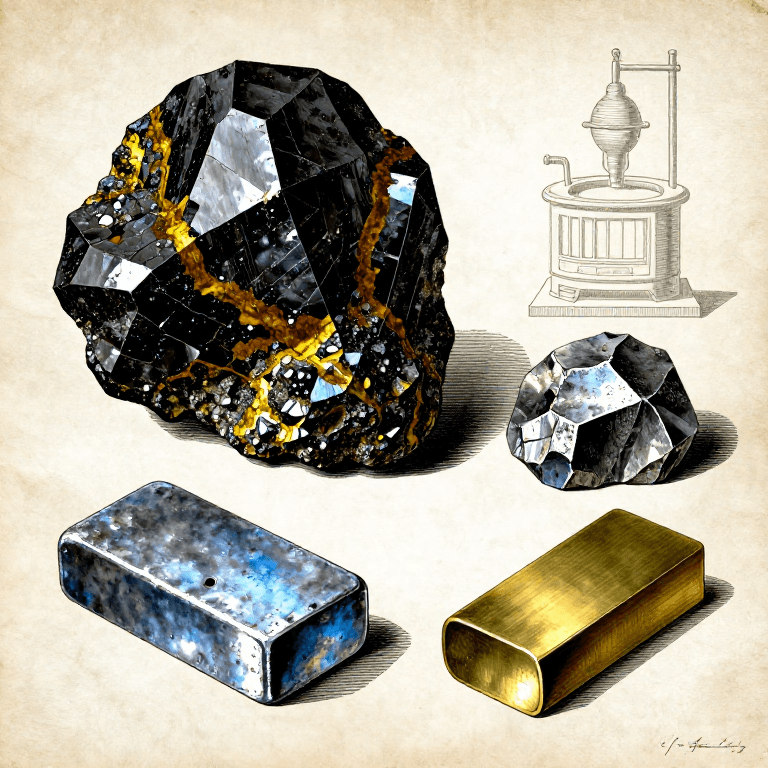
Iron's great weakness is rust. Left in the weather, an iron roof or bucket flakes away to nothing in a few years. In 1837 the French engineer Stanislas Sorel patented a cure that is still used on a vast scale today: dip the iron in a bath of molten zinc. The zinc bonds to the surface and shields the iron beneath, and galvanized iron suddenly lasted for decades outdoors.

The zinc protects in two ways at once. It is a barrier, sealing the iron from air and water — but more cleverly, it is a sacrifice. Zinc is more reactive than iron, so even where the coating is scratched and bare iron shows, the surrounding zinc corrodes first and spares the iron. The coating gives up itself to save the metal underneath.

Hot-dip galvanizing clad the Industrial Revolution's wire, nails, pipes, and the corrugated iron roofs that sheltered half the world. It is simple in principle — clean the iron, flux it, and dip it in molten zinc — but every step matters, because a missed patch of grease or rust leaves a hole in the armour.

پیشرفته
Half a day including cleaning and dipping

دستورالعمل‌ها

1

Understand galvanizing

Galvanizing coats iron in zinc to stop it rusting. The zinc works as both a sealing barrier and a sacrificial metal: being more reactive than iron, it corrodes in preference to any iron exposed at a scratch, protecting the steel even where the coat is broken.
2

Degrease the iron

Wash the iron object in a hot alkaline solution of caustic soda to strip away every trace of oil and grease. Molten zinc will not bond to a greasy surface, so this cleaning is not optional — any film left behind becomes a bare, unprotected patch.

مواد مورد نیاز این مرحله:

Sodium HydroxideSodium Hydroxide200 گرم
3

Pickle off the rust

Dip the degreased iron in dilute sulphuric or hydrochloric acid to dissolve away rust and the dark mill scale, leaving chemically clean bare metal. Watch it closely — over-pickling starts to eat the iron itself.

مواد مورد نیاز این مرحله:

Sulphuric AcidSulphuric Acid2 لیتر

ابزارهای مورد نیاز:

Acid TankAcid Tank
4

Rinse and flux

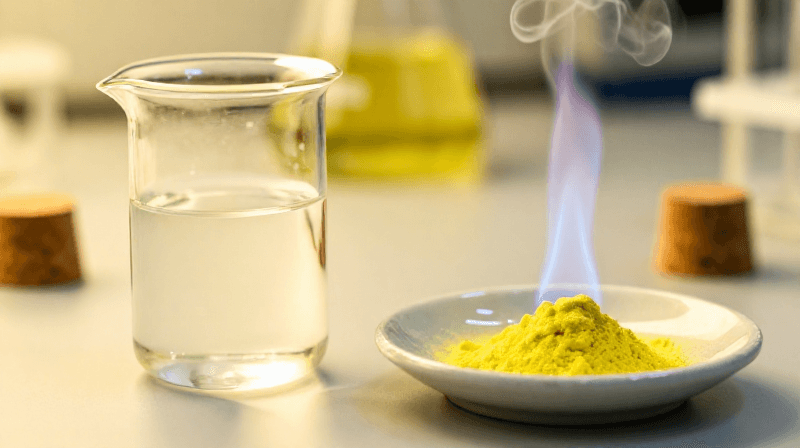
Rinse the acid off in water, then dip the part in a flux of zinc ammonium chloride. The flux stops the cleaned iron from re-rusting in the seconds before dipping and helps the molten zinc wet and grip the surface.

مواد مورد نیاز این مرحله:

Zinc Ammonium ChlorideZinc Ammonium Chloride300 گرم
5

Dry the fluxed part

Dry the fluxed object completely, ideally warm. Any water still on it will flash instantly to steam when it meets the molten zinc and can blow droplets of zinc out of the bath — dangerous and wasteful.
6

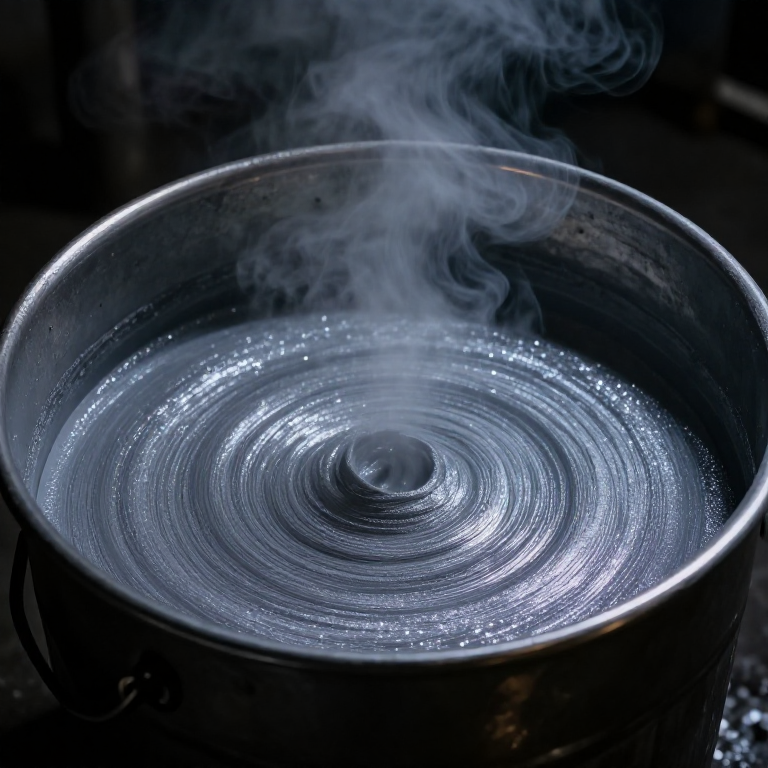
Melt the zinc bath

Heat a steel kettle of zinc until it is fully molten, around 450 degrees Celsius. Keep the temperature steady — too cool and the coating is thick and lumpy, too hot and the kettle itself is attacked by the zinc.

مواد مورد نیاز این مرحله:

Zinc IngotsZinc Ingots50 کیلوگرم
7

Dip the iron

Lower the fluxed, dried part smoothly into the molten zinc. As it enters, the zinc reacts with the iron surface and grows a series of bonded zinc-iron alloy layers topped by a coat of pure zinc. Stand clear of the spitting flux as it burns off.

ابزارهای مورد نیاز:

Crucible TongsCrucible Tongs
8

Hold until soaked through

Leave the part submerged until it reaches the temperature of the bath and the surface bubbling from the flux dies away. This pause lets the alloy layers grow to full thickness and ensures even the thickest sections are coated.

ابزارهای مورد نیاز:

Crucible TongsCrucible Tongs
9

Withdraw and drain

Lift the part out slowly and steadily so excess zinc runs back into the bath and leaves a smooth, even film. Small items like nails and wire are spun in a basket to fling off the surplus before it sets.

ابزارهای مورد نیاز:

Dipping BasketDipping Basket
10

Cool the coating

Let the coated part cool in air or quench it in water. As the zinc freezes it often shows the bright crystalline pattern called spangle. The coating is now solid, bonded, and ready to face the weather.

مواد مورد نیاز این مرحله:

WaterWater20 لیتر
11

Inspect the coat

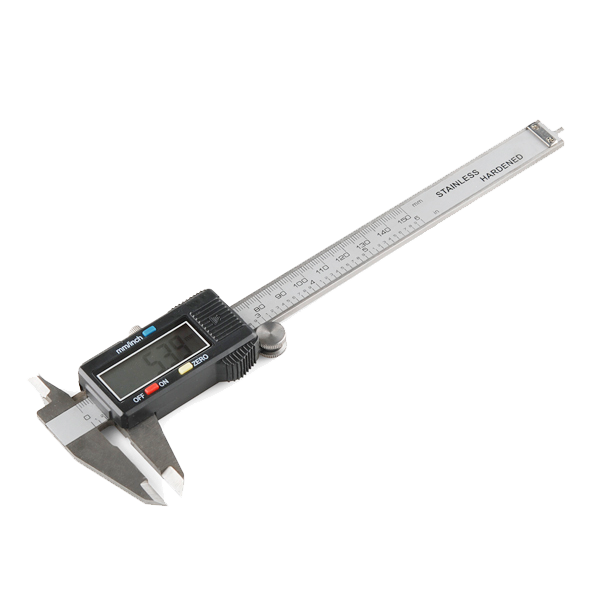
Check the whole surface for an even, unbroken coating with no bare grey patches, runs, or ash inclusions. Bare spots are weak points where rust will start, so any missed area must be cleaned and re-dipped.

ابزارهای مورد نیاز:

CalipersCalipers
12

Understand sacrificial protection

Test why it lasts: scratch the coating to bare iron and expose it to damp, and the iron still does not rust, because the surrounding zinc corrodes in its place. This sacrificial action is why a thin skin of zinc keeps iron sound for decades outdoors.

مواد

5

ابزارهای لازم

4

نقشه‌های مرتبط

این نقشه‌ها دانش مشترکی دارند — تکنیک‌ها، مواد یا اصول

CC0 مالکیت عمومی

این نقشه تحت مجوز CC0 منتشر شده است. شما آزاد هستید آن را کپی، ویرایش، توزیع و برای هر هدفی بدون نیاز به اجازه استفاده کنید.

با خرید محصولات از طریق نقشه از سازنده حمایت کنید و او کمیسیون سازنده تعیین شده توسط فروشندگان، دریافت می‌کند یا یک نسخه جدید از این نقشه ایجاد کنید و آن را به عنوان اتصال در نقشه خود قرار دهید تا درآمد به اشتراک گذاشته شود.

بحث و گفتگو

(0)

ورود برای شرکت در بحث

در حال بارگذاری نظرات...