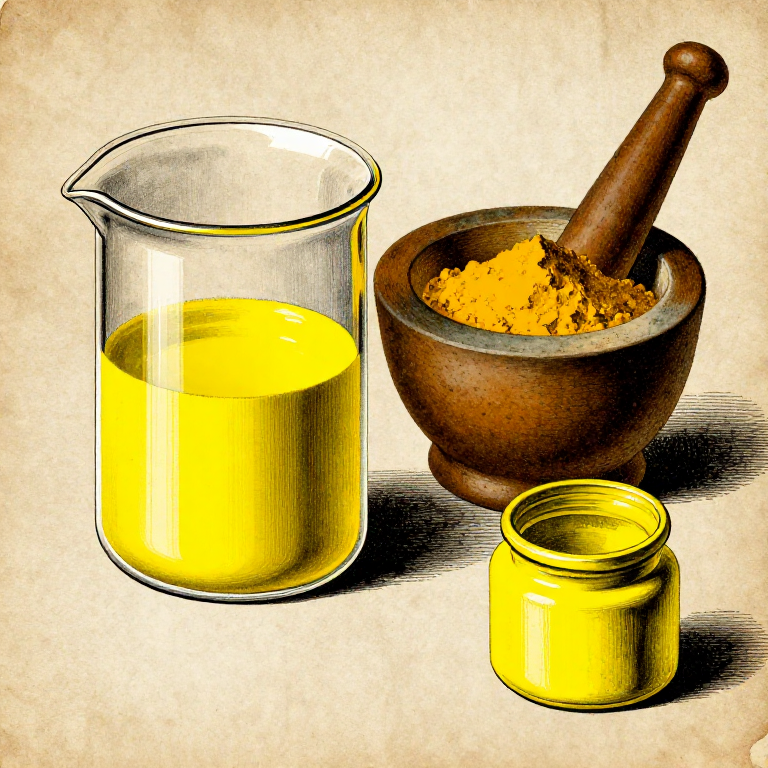

Making Cadmium Yellow Pigment — The Permanent Bright Yellow That Replaced Chrome
Cadmium yellow (cadmium sulfide, CdS) is a dense, opaque, brilliantly warm yellow pigment first identified by the German chemist Friedrich Stromeyer in 1817, though it did not become commercially available until the 1840s when sufficient cadmium metal became available as a byproduct of zinc smelting. It quickly became the most important bright yellow in the painter's palette — replacing chrome yellow (which darkened) and orpiment (which was toxic to other pigments).
The pigment is made by precipitating cadmium sulfide from a solution of a cadmium salt (typically cadmium sulfate or cadmium chloride) using hydrogen sulfide or sodium sulfide. The colour ranges from pale lemon yellow to deep orange depending on crystal size, which is controlled by precipitation conditions — temperature, concentration, and rate of addition. Lower temperatures produce smaller crystals (paler yellow); higher temperatures produce larger crystals (deeper yellow to orange).
SAFETY WARNING: Cadmium compounds are TOXIC — cadmium is a cumulative poison and known human carcinogen (Group 1, IARC). Chronic exposure causes kidney damage, bone demineralisation, and lung cancer. Sodium sulfide is corrosive and releases hydrogen sulfide gas (toxic, smells of rotten eggs). FULL PPE mandatory: chemical-resistant gloves, goggles, respirator. Work in a fume hood or outdoors. All cadmium waste must be disposed of as hazardous chemical waste.
محتوای خطرناک
این بلوپرینت شامل روشهای خطرناک است. وارد شوید و محتوای خطرناک را در تنظیمات حساب خود فعال کنید تا دستورالعملهای مرحله به مرحله را مشاهده کنید.
ورودنقشههای مرتبط
این نقشهها دانش مشترکی دارند — تکنیکها، مواد یا اصول
Making Orpiment Yellow Pigment — Grinding the Golden Arsenic Mineral of the Ancient World
توسط Charlie
هنر
Making Yellow Ochre Pigment — Grinding and Levigating Goethite into the Oldest Painter's Yellow
توسط Charlie
هنر
Making Oil Paint from Raw Pigments — Grinding Pigments in Linseed Oil
توسط Charlie
هنر
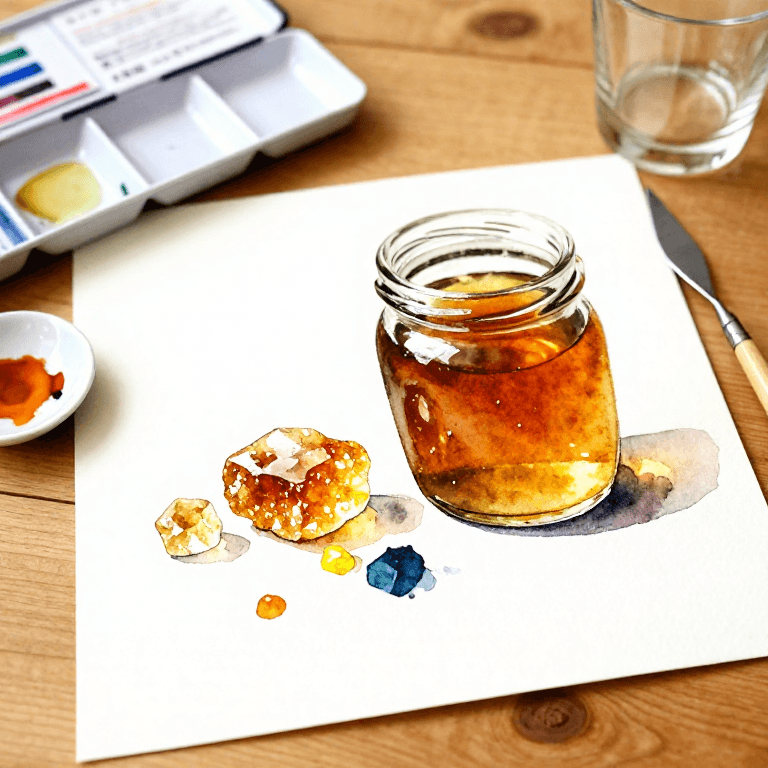
Making Watercolour Paint from Raw Pigments — Gum Arabic Binder
توسط Charlie
هنر
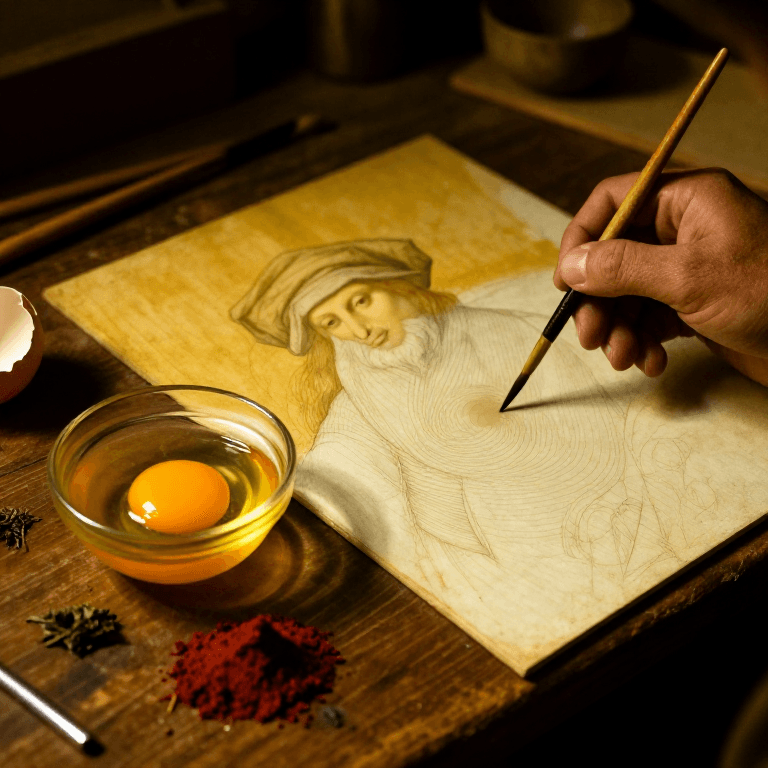
Making Egg Tempera Paint — The Medieval Panel Painting Medium
توسط Charlie
هنر
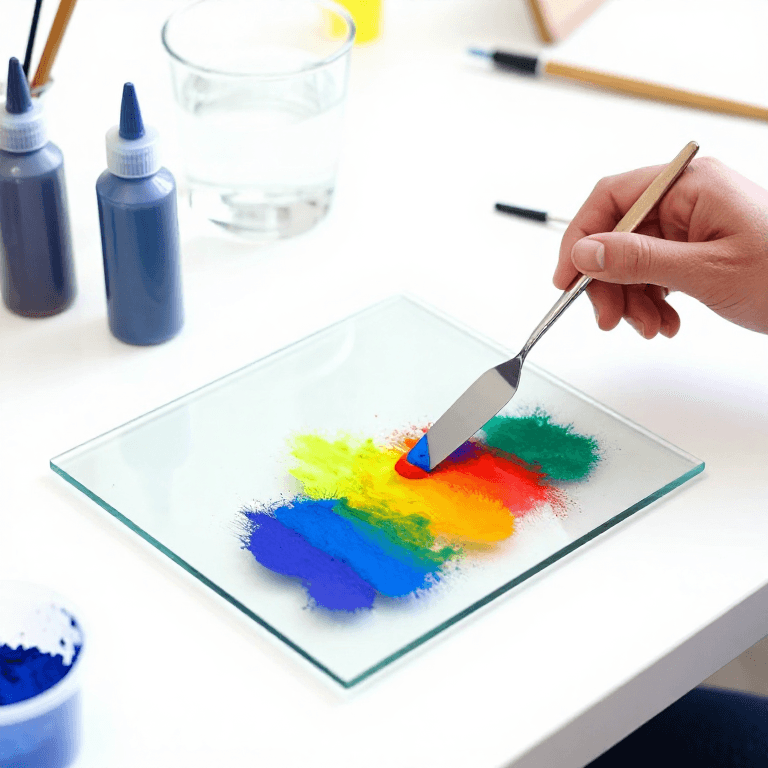
Making Acrylic Paint — Grinding Pigments into Acrylic Polymer Medium
توسط Charlie
هنر
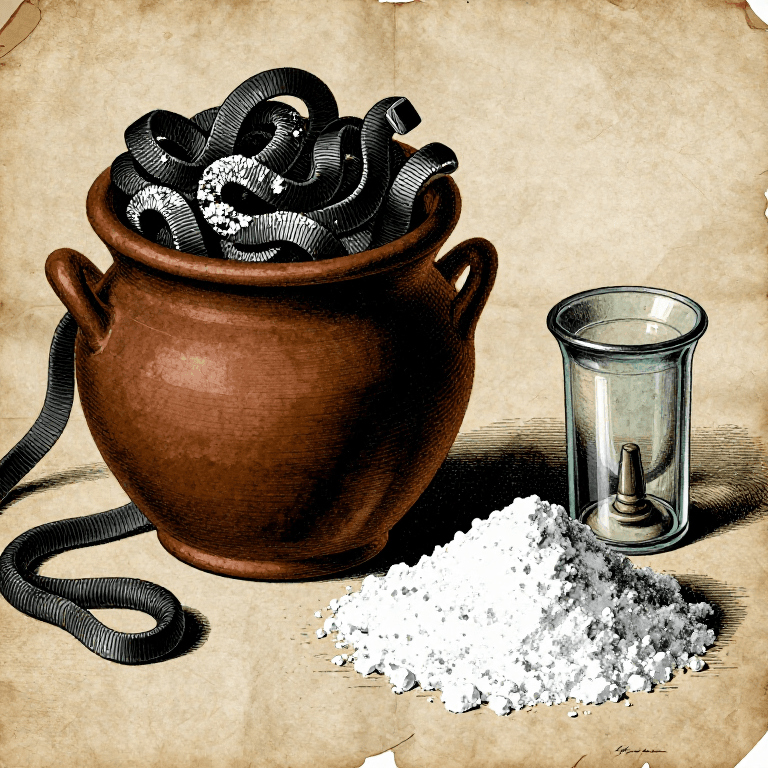
Making Lead White (Flake White) — The Dutch Stack Process for the Most Important Pigment in Oil Painting History
توسط Charlie
هنر
Synthesising Vermillion from Mercury and Sulfur — The King of Red Pigments
توسط Charlie
هنر
CC0 مالکیت عمومی
این نقشه تحت مجوز CC0 منتشر شده است. شما آزاد هستید آن را کپی، ویرایش، توزیع و برای هر هدفی بدون نیاز به اجازه استفاده کنید.
با خرید محصولات از طریق نقشه از سازنده حمایت کنید و او کمیسیون سازنده تعیین شده توسط فروشندگان، دریافت میکند یا یک نسخه جدید از این نقشه ایجاد کنید و آن را به عنوان اتصال در نقشه خود قرار دهید تا درآمد به اشتراک گذاشته شود.