هنر
زیبایی و سلامت
صنایع دستی
فرهنگ و تاریخ
سرگرمی
محیط زیست
غذا و نوشیدنی
مهندسی معکوس
علوم
ورزش
فناوری
پوشیدنیها
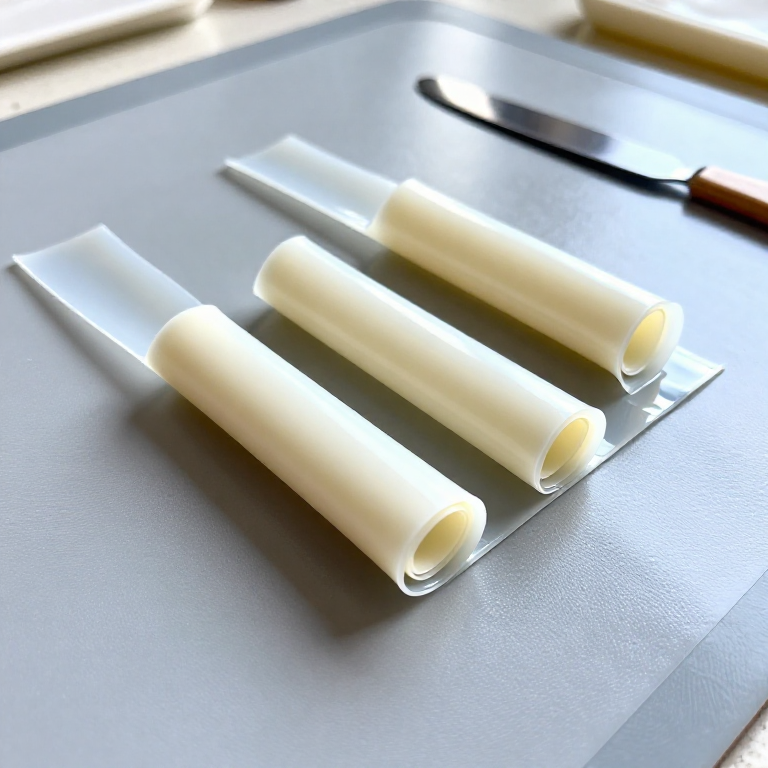


Plasticised PVC (Plastisol)
PVC was known for decades as a hard, brittle powder nobody could use. In 1926 Waldo Semon at B.F. Goodrich found that certain liquids dissolve it only when hot, and that the hot solution sets on cooling into a soft, rubber-like gel - flexible PVC.
**US 1,929,453**, "Synthetic rubber-like composition and method of making same", Semon, assigned to B.F. Goodrich, granted 10. October 1933, claims dissolving "an insoluble polymerized vinyl halide at an elevated temperature" in a liquid that dissolves it only well above room temperature, and gelling it by cooling. One example: 8 parts PVC, 8 parts tricresyl phosphate, 3 parts dibutyl phthalate.
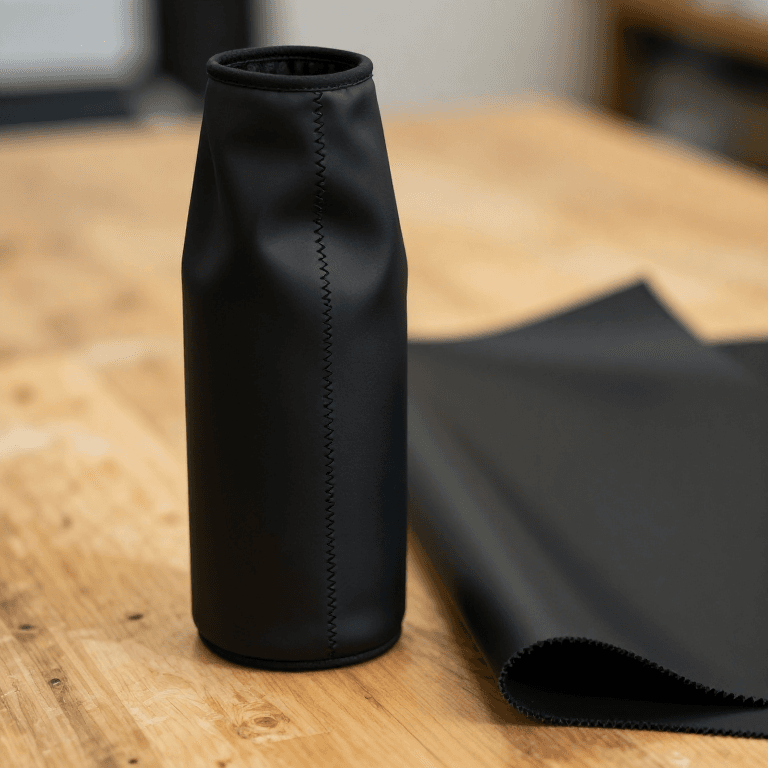
**Plastisol is that idea in a bottle**: PVC grains suspended, undissolved, in plasticiser. Heat makes the liquid dissolve the grains and fuse into solid flexible PVC. You bake test films at three temperatures and pull them apart to find where it truly fuses.
مبتدی
2 hours
دستورالعملها
1
1
Ventilate and set the oven
Ventilate and set the oven
Use a toaster oven kept for crafts, never food, by an open window. Put the probe thermometer inside - dial settings are rarely accurate.
ابزارهای مورد نیاز:
 آون رومیزی
 دماسنج با پروب ماندگار
 ماسک تنفسی N95
2
2
Stir the plastisol
Stir the plastisol
The PVC grains settle. Stir the plastisol from the bottom for 2 minutes until even. Read the label's fusion temperature.
مواد مورد نیاز این مرحله:
 پلاستیزول150 میلیلیتر
ابزارهای مورد نیاز:
 همزن
همزن3
3
Spread three films
Spread three films
On the silicone mat, spread three 100 x 40 mm films about 1.5 mm thick with the palette knife.
مواد مورد نیاز این مرحله:
پلاستیزول50 میلیلیترابزارهای مورد نیاز:
 زیرفری سیلیکونی
 مجموعهٔ کاردک نقاشی
 خطکش فولادی
4
4
Bake at three temperatures
Bake at three temperatures
Bake one film 10 minutes each at 130 °C, 150 °C and the label's fusion temperature (commonly 160–180 °C). Never exceed the label maximum.
ابزارهای مورد نیاز:
آون رومیزی دماسنج فروسرخ
 دستکش جوشکاری
5
5
Cool and cut strips
Cool and cut strips
Cool 10 minutes. Peel each film and cut a 10 mm strip from its centre. Mark its temperature.
ابزارهای مورد نیاز:
 کاترخطکش فولادی
6
6
Stretch and pull
Stretch and pull
Clamp one end in the vise. Hook the spring scale to the other and pull slowly. Record the peak force and how it failed.
ابزارهای مورد نیاز:
 نیروسنج (ترازوی فنری)
 گیرهٔ رومیزی
 عینک ایمنی شفاف
7
7
Recipe, cure curve, siblings
Recipe, cure curve, siblings
در حال بارگذاری دفترچهٔ Jupyter…
8
8
History & Context
History & Context
**What the patent specifies:** gelling PVC in high-boiling liquids such as tricresyl phosphate and dibutyl phthalate. **Modern build (derived):** a commercial plastisol; many now use phthalate-free plasticisers.
Flexible PVC became cable insulation, shower curtains, hoses and flooring. Its limits: the plasticiser slowly migrates out, so old soft PVC stiffens and turns sticky; and overheated PVC yellows and releases hydrogen chloride, which is why the label's maximum temperature matters.
ابزارهای لازم
13- جایگزین
- جایگزین
- جایگزین
- جایگزین
- جایگزین
- جایگزین
- جایگزین
- جایگزین
- دستکش جوشکاری10% کمیسیونجایگزین
- جایگزین
- جایگزین
- جایگزین
- جایگزین

CC0 مالکیت عمومی
این نقشه تحت مجوز CC0 منتشر شده است. شما آزاد هستید آن را کپی، ویرایش، توزیع و برای هر هدفی بدون نیاز به اجازه استفاده کنید.
با خرید محصولات از طریق نقشه از سازنده حمایت کنید و او کمیسیون سازنده تعیین شده توسط فروشندگان، دریافت میکند یا یک نسخه جدید از این نقشه ایجاد کنید و آن را به عنوان اتصال در نقشه خود قرار دهید تا درآمد به اشتراک گذاشته شود.