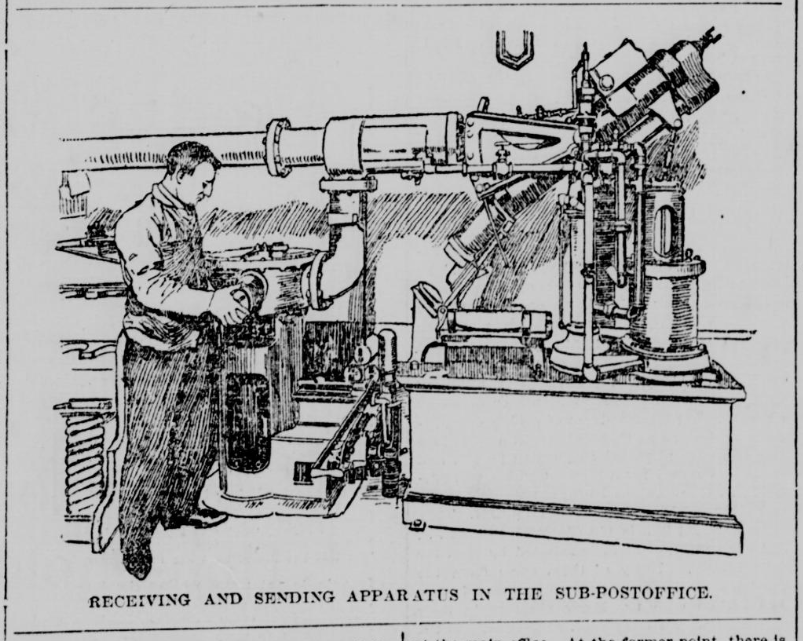


Pneumatic Tube Post
دستورالعملها
Build the tube and a carrier
Build the tube and a carrier
The fit between carrier and bore is the whole engineering problem.
- Take a straight length of smooth tube.
- Make a carrier slightly smaller than the bore.
- Fit felt or foam rings at each end so it seals but still slides.
مواد مورد نیاز این مرحله:
 لوله پیویسی1 length
 ورق چوبپنبه1 ورق
Push, then pull
Push, then pull
Two ways to make the pressure difference, and they are not equivalent.
- Blow into one end with a vacuum cleaner on its blower port and watch the carrier travel.
- Now apply suction at the far end instead.
- Compare the speed and the smoothness.
مواد مورد نیاز این مرحله:
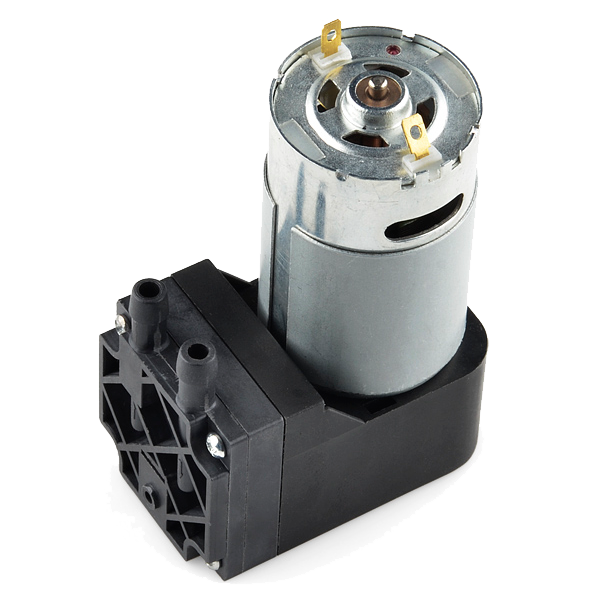 Vacuum Pump - 12V1 قطعه
Measure speed against pressure
Measure speed against pressure
Turn it into a measurement.
- Mark a measured run length on the tube.
- Time the carrier over that distance at several blower settings.
- Plot speed against setting.
مواد مورد نیاز این مرحله:
 کرونومتر1 قطعه
 خطکش1 قطعه
Solve the arrival problem
Solve the arrival problem
A carrier arriving at 30 km/h has to be stopped without being destroyed.
- Send a carrier hard into a bare tube end and inspect the damage.
- Add a cushion of trapped air by restricting — not blocking — the exit.
- Repeat and compare.
History and context
History and context
London, 1853: the first commercial pneumatic despatch line ran a short distance between the Stock Exchange and the Electric Telegraph Company. The idea grew fast because it solved the last-leg problem of telegraphy — a telegram crossed the country in minutes and then waited for a boy with a bicycle.
Paris built the largest network in the world. The poste pneumatique eventually ran to hundreds of kilometres under the city, and a petit bleu — a message on blue paper — could cross Paris in well under an hour. It ran until 1984, outliving the telegram itself.
The scaled-up versions failed. London's Pneumatic Despatch Company built tubes large enough for parcel wagons in the 1860s, and Alfred Ely Beach demonstrated a pneumatic passenger subway under Broadway in 1870. Neither worked economically; sealing a large bore against leakage is very much harder than sealing a small one, and the power required scales badly. Small tubes for documents were the viable size, and remain so.
Still in daily use. Hospitals move blood samples and drugs through pneumatic tubes because a physical sample cannot be emailed, banks use them at drive-through windows, and large factories and supermarkets move cash. A technology that lost to the telephone for messages still wins for objects — and the modern hyperloop proposals are the same push-a-sealed-carrier-through-a-tube idea at a scale that has failed twice before.
مواد
5- 1 lengthجایگزین
- 1 ورقجایگزین
- Vacuum Pump - 12V10% کمیسیون1 قطعه$14.06
- 1 قطعهجایگزین
- 1 قطعهجایگزین
CC0 مالکیت عمومی
این نقشه تحت مجوز CC0 منتشر شده است. شما آزاد هستید آن را کپی، ویرایش، توزیع و برای هر هدفی بدون نیاز به اجازه استفاده کنید.
با خرید محصولات از طریق نقشه از سازنده حمایت کنید و او کمیسیون سازنده تعیین شده توسط فروشندگان، دریافت میکند یا یک نسخه جدید از این نقشه ایجاد کنید و آن را به عنوان اتصال در نقشه خود قرار دهید تا درآمد به اشتراک گذاشته شود.