هنر
زیبایی و سلامت
صنایع دستی
فرهنگ و تاریخ
سرگرمی
محیط زیست
غذا و نوشیدنی
مهندسی معکوس
علوم
ورزش
فناوری
پوشیدنیها
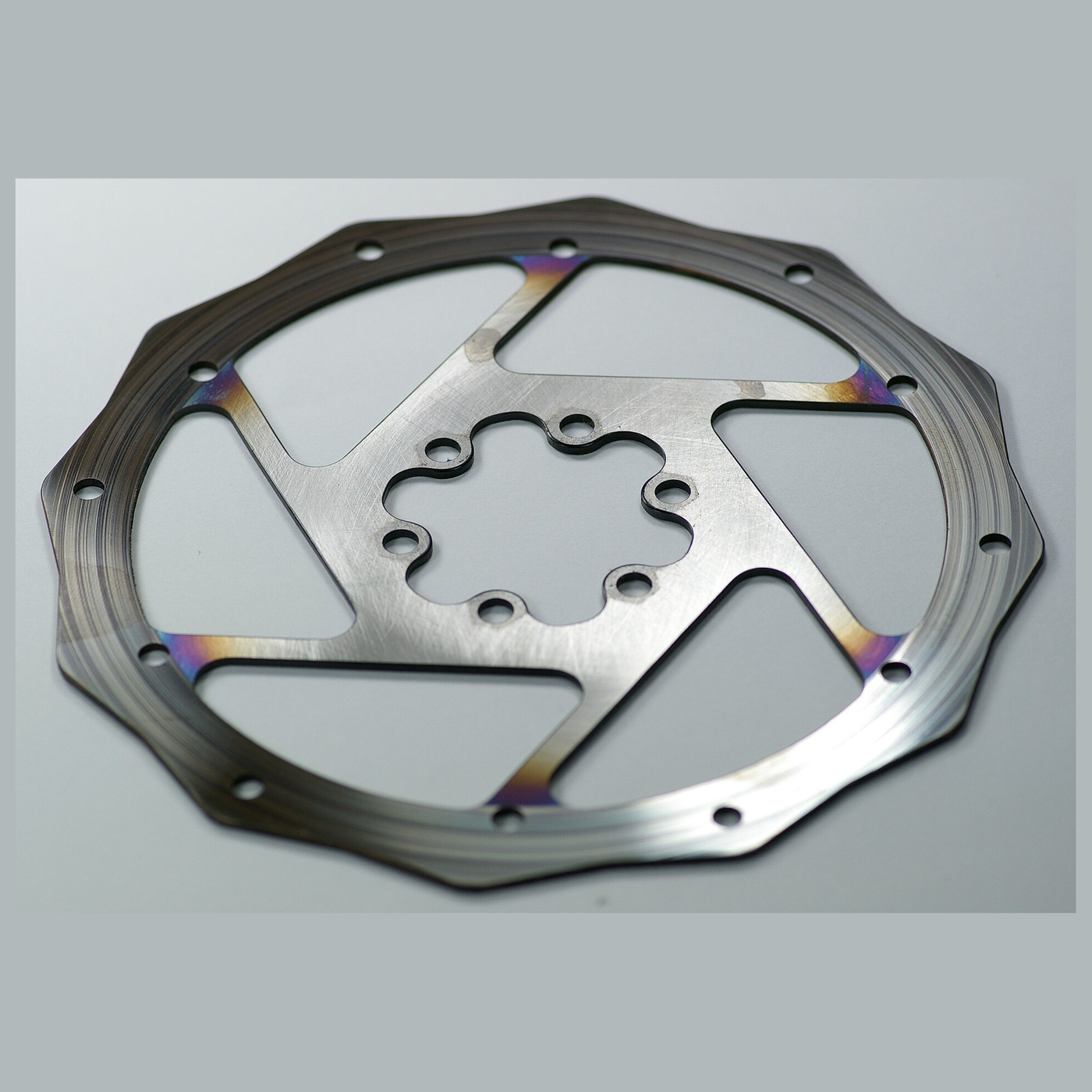


The Disc Brake: A Stop Is Heat, and the Disc Can Get Rid of It
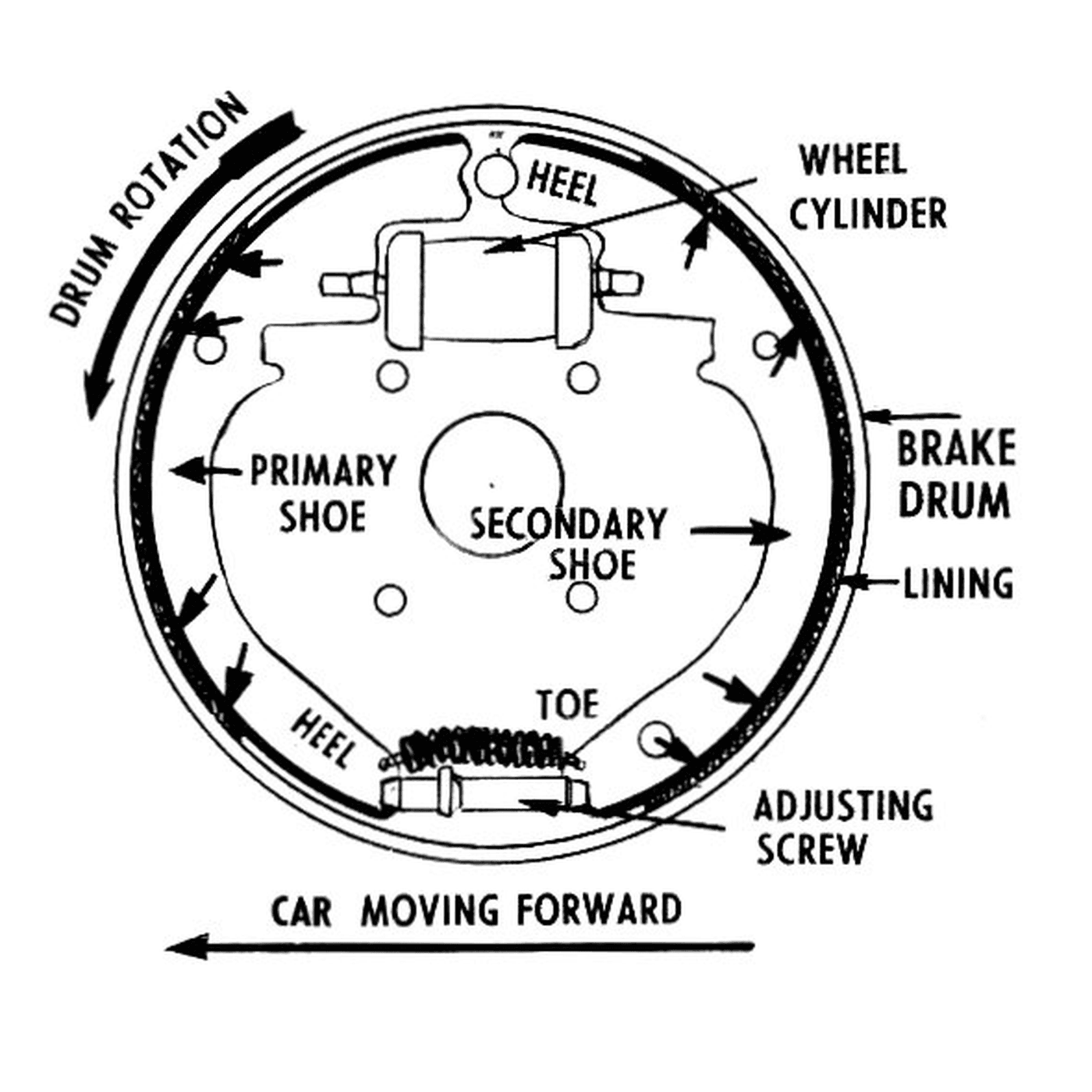
Frederick Lanchester, in Birmingham in 1902, fitted a car with a brake that clamped a disc between two pads, like a bicycle's calliper brake closing on a flat plate instead of a rim. The idea came back strongly in the 1950s, when faster cars were fading their drum brakes on long descents.
A brake turns the car's energy of motion into heat, and in a hard stop that heat has nowhere to go but into the brake itself. A disc's friction faces are open to the air, and a ventilated disc pumps air through its middle as it turns; there is no self-servo, so the braking stays steady as the pads heat.
This rung works out how hot a disc gets per stop and how hard the calliper must clamp, and measures a real disc's temperature after braking.
متوسط
About 2 hours
دستورالعملها
1
1
Energy per stop and clamping force
Energy per stop and clamping force
در حال بارگذاری دفترچهٔ Jupyter…
2
2
Measure a disc after braking
Measure a disc after braking
On a bicycle with disc brakes (or a car, with its owner's help and on private ground), measure the disc temperature with the infrared thermometer before a stop, then brake firmly from a steady speed to a halt and measure again straight away — on the braking surface, not the shiny spokes. Repeat three stops in quick succession and watch the temperature climb: each stop adds heat faster than the disc can lose it.
Wait five minutes and measure again: most of the heat has gone. That cooling rate is what a ventilated disc improves.
Do not touch a disc after braking; it can be well over 100 °C. Look at the pads through the calliper: glazed, shiny pads have been overheated.
ابزارهای مورد نیاز:
 دماسنج فروسرخ
 کرونومتر
 دستکش کار چرمی
3
3
History and context
History and context
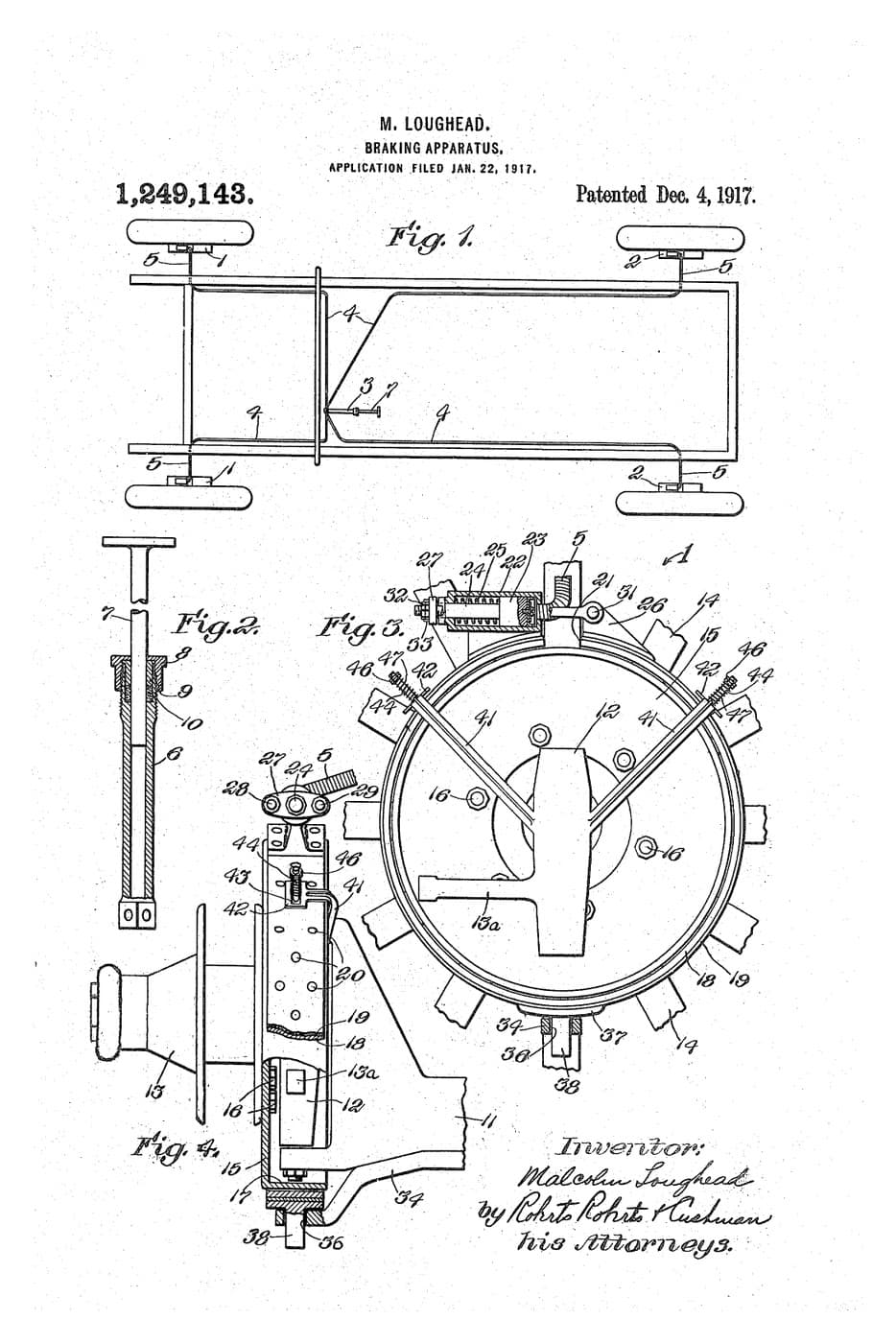
**Frederick William Lanchester, Birmingham, 1902** — a calliper disc brake on a motor car. No patent number is asserted here. Disc brakes spread in aircraft in the 1930s and 40s; in cars they came back in the 1950s, when Jaguar raced with them at Le Mans in 1953, and from the 1960s they became standard at the front.
**Honest limits.** No self-servo, so a disc needs more clamping force than a drum — hence the servo assistance on most cars. Exposed discs collect water and dirt. And a disc can only absorb so much before its pads fade too: sustained descents still call for engine braking.
ابزارهای لازم
3- جایگزین
- جایگزین
- جایگزین
نقشههای مرتبط
این نقشهها دانش مشترکی دارند — تکنیکها، مواد یا اصول

CC0 مالکیت عمومی
این نقشه تحت مجوز CC0 منتشر شده است. شما آزاد هستید آن را کپی، ویرایش، توزیع و برای هر هدفی بدون نیاز به اجازه استفاده کنید.
با خرید محصولات از طریق نقشه از سازنده حمایت کنید و او کمیسیون سازنده تعیین شده توسط فروشندگان، دریافت میکند یا یک نسخه جدید از این نقشه ایجاد کنید و آن را به عنوان اتصال در نقشه خود قرار دهید تا درآمد به اشتراک گذاشته شود.