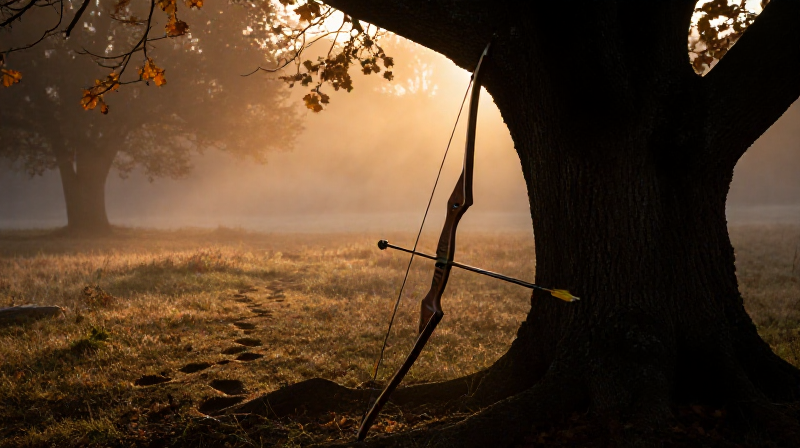

Traditional Deer Hunting with Bow — Stalking, Shot Placement, and Field Dressing
Bow hunting deer is the oldest form of hunting with a projectile weapon still practiced today — a direct continuation of a tradition that began when humans first lashed stone points to arrow shafts over 60,000 years ago. Unlike rifle hunting, bow hunting requires closing to within 15-25 metres of one of the most alert prey animals in the forest, making it a discipline that demands patience, woodcraft, and an understanding of deer biology and behaviour.
This blueprint covers the complete hunt from scouting and stalking to shot placement, tracking, and field dressing — the essential skills for turning a live deer into usable meat, hide, and antler using a traditional recurve or self bow.
دستورالعملها
Scout for deer sign
Scout for deer sign
Before the hunt, walk the area looking for fresh sign: tracks in soft ground (a mature buck's front hooves are 7-9 cm long), droppings (pellet groups indicate feeding areas; clumped droppings mean browse diet), rubs on saplings where bucks scrape antler velvet, and scrapes — pawed-out patches of bare earth under overhanging branches. Well-worn trails between bedding and feeding areas are the best ambush locations.
مواد مورد نیاز این مرحله:
 گوزن1 قطعه
Choose your approach — stand or stalk
Choose your approach — stand or stalk
Stand hunting means positioning yourself along a known trail or near a feeding area and waiting. Stalk hunting means moving slowly through deer habitat, spotting deer before they spot you, and closing to bow range. Stand hunting has higher success rates for beginners. For either method, position yourself downwind — deer rely on scent detection above all other senses and will flee from human odour at 200+ metres.
Close to effective bow range
Close to effective bow range
Effective range for a traditional bow on deer is 15-25 metres — much closer than rifle hunting. Move only when the deer's head is down feeding or looking away. Take 2-3 slow steps, then freeze. Use natural cover — trees, brush, terrain — to break your silhouette. Avoid stepping on dry sticks or leaves. A deer's ears rotate independently and can pinpoint faint sounds precisely.
Place the shot behind the front shoulder
Place the shot behind the front shoulder
The ethical kill zone is a circle roughly 20 cm in diameter behind the front shoulder, at the centre of the ribcage. This area contains the heart and both lungs. Wait for a broadside or slightly quartering-away angle — never shoot at a deer facing you or directly away. Draw smoothly, anchor at your reference point, and release without punching the string. A well-placed broadhead through both lungs is the fastest, most humane kill in bow hunting.
ابزارهای مورد نیاز:
 دستهٔ کمان ریکرو
 بازوهای کمان ریکرو
 تیردان
Wait and track the blood trail
Wait and track the blood trail
After the shot, stay still and listen. Mark the exact spot where the deer was standing and the direction it ran. Wait 30-45 minutes before tracking — a fatally hit deer will lie down within 100-200 metres if not pushed. Bright red, frothy blood indicates a lung hit (good). Dark blood suggests a liver hit — wait a full hour. Follow the blood trail slowly, marking drops with flagging tape so you can backtrack if the trail fades.
Confirm the kill and tag
Confirm the kill and tag
Approach the downed deer from behind. Confirm it is dead by checking the eyes — a dead deer's eyes are open and glazed. If there is any sign of life, place another arrow behind the shoulder from close range. Attach your hunting tag immediately as required by local regulations. Note the time — you have a limited window to field dress before meat quality deteriorates, especially in warm weather.
Field dress the carcass
Field dress the carcass
Roll the deer onto its back. Make a shallow cut through the skin from the pelvis to the sternum, cutting only the skin and thin abdominal wall — do not puncture the stomach or intestines. Reach in and cut the diaphragm (the thin muscle separating chest and abdomen) free from the rib walls. Cut the windpipe and oesophagus as high in the throat as you can reach. Roll the deer onto its side and the entire organ mass slides out as one unit. Remove the heart and liver — these are edible and should be kept cool.
ابزارهای مورد نیاز:
 چاقو
چاقوCool and transport the carcass
Cool and transport the carcass
Prop the body cavity open with a stick to allow air circulation and cooling. In warm weather (above 10°C), get the carcass into shade and cool air as quickly as possible — meat spoilage begins within 1-2 hours in warm conditions. In cold weather, hang the carcass from a tree by the hind legs to drain and cool. Transport to your processing area for skinning, butchering, and further preservation (jerky, smoking, or freezing).
مواد
3- 1 قطعهجایگزین
- 1 قطعهجایگزین
- 1 قطعهجایگزین
مواد نقشههای متصل
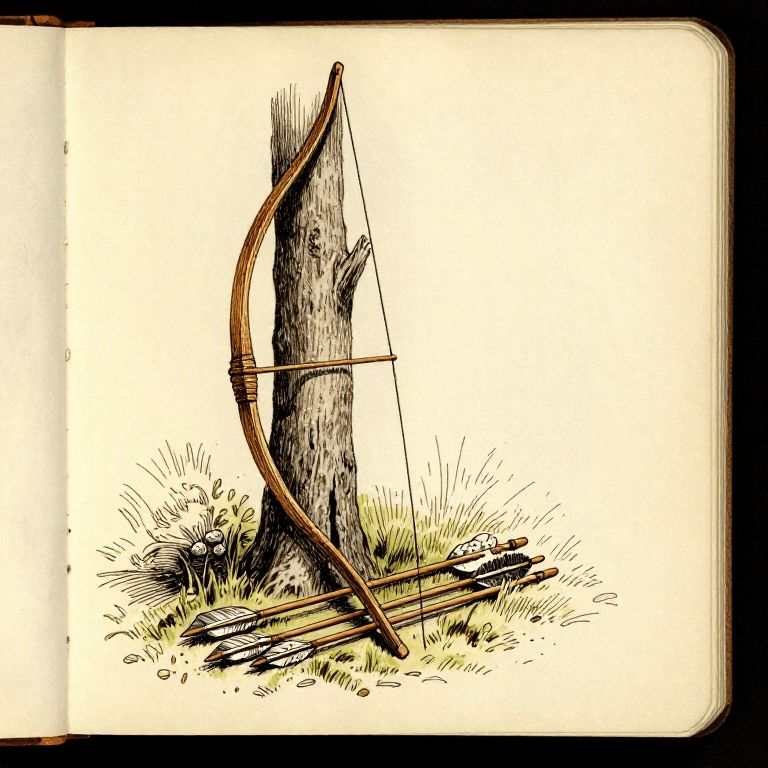
Crafting a Self Bow and Arrows from Raw Wood
توسط Woody
نجاری
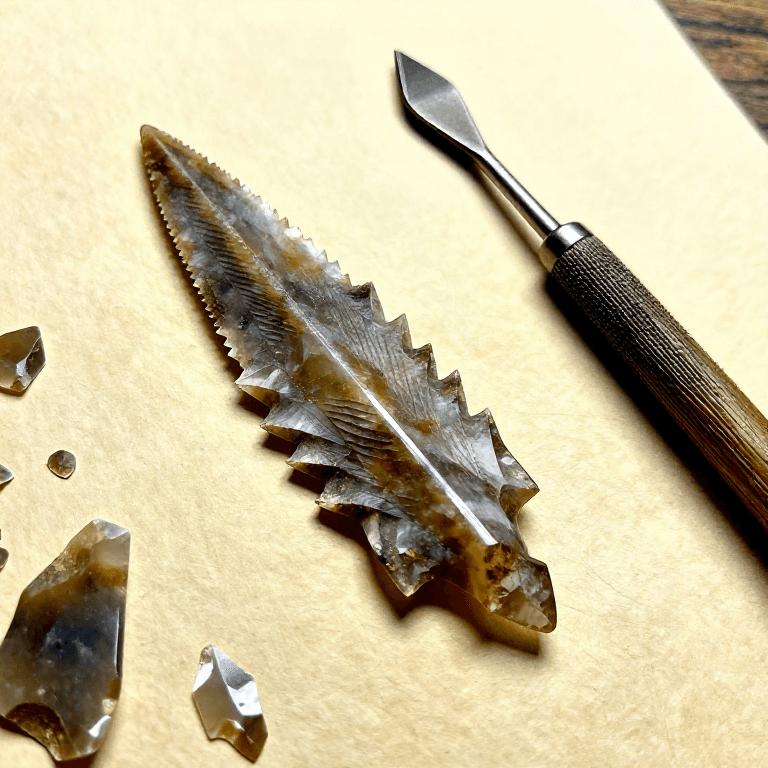
Knapping a Stone Arrowhead — Pressure-Flaked Projectile Point
توسط Spartan
سنگکاری
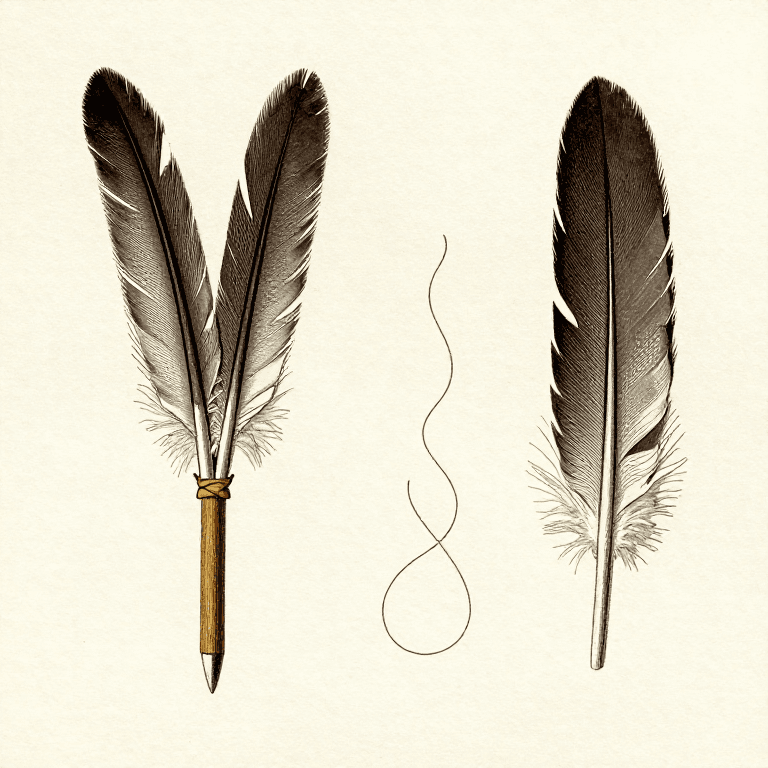
Collecting and Preparing Feathers for Arrow Fletching — Stabilising Projectiles in Flight
توسط Spartan
حیات وحش
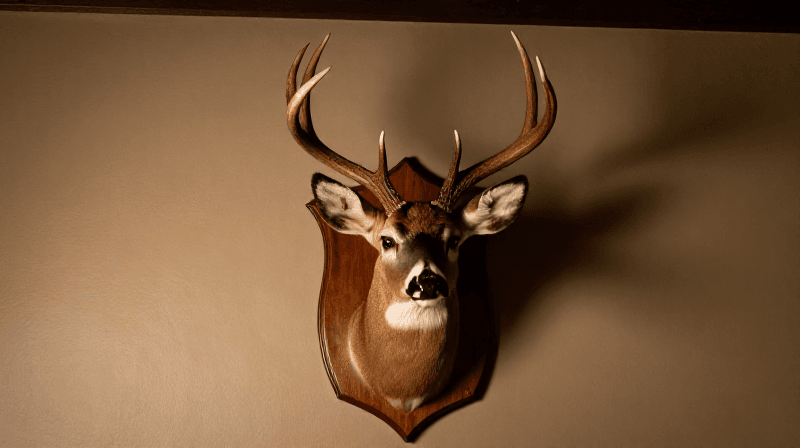
Mounting a Deer Head Trophy — Wall-Mount Taxidermy on a Wooden Shield
توسط Bob
نجاری
نقشههای مرتبط
این نقشهها دانش مشترکی دارند — تکنیکها، مواد یا اصول
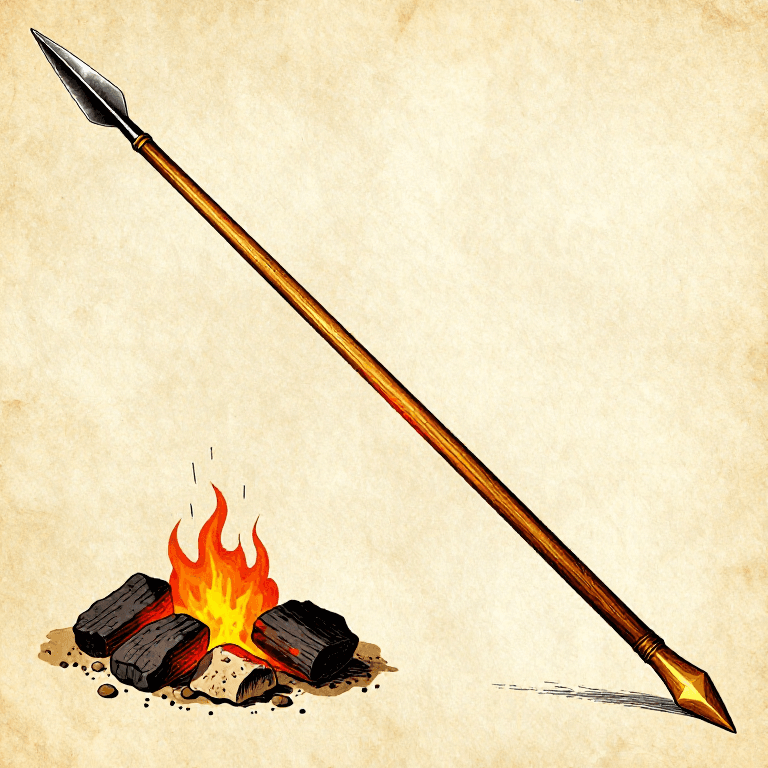
Making a Fire-Hardened Hunting Spear — The Oldest Weapon
توسط Spartan
سلاحسازی
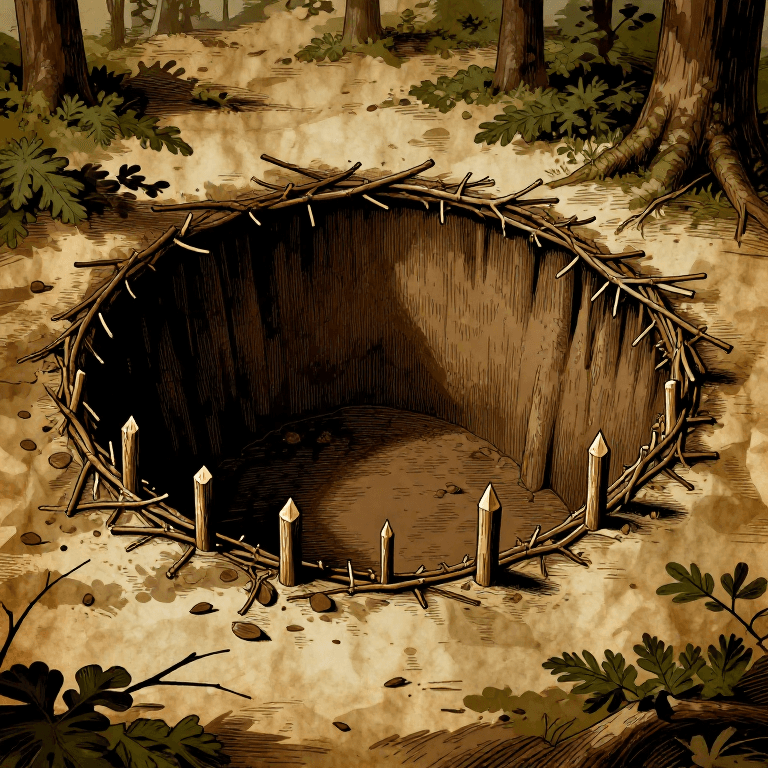
Digging a Pitfall Trap for Large Game — Concealed Pit Hunting
توسط Spartan
حیات وحش
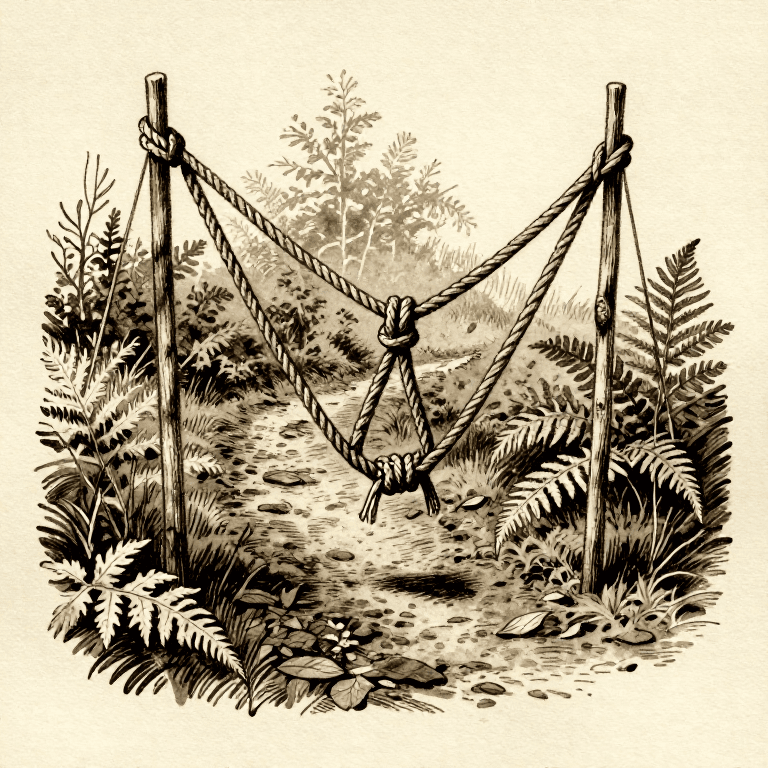
Setting a Simple Snare Trap on a Game Trail — Cordage Loop Hunting
توسط Bob
حیات وحش
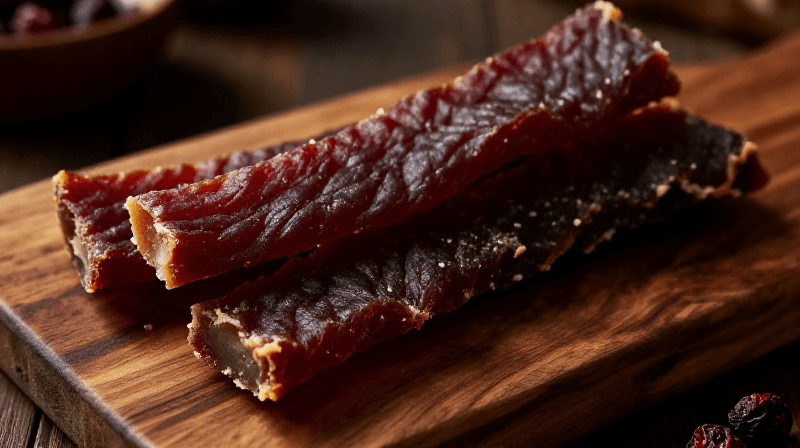
Making Deer Jerky and Pemmican — Preserving Venison for Survival
توسط TheChef
غذا
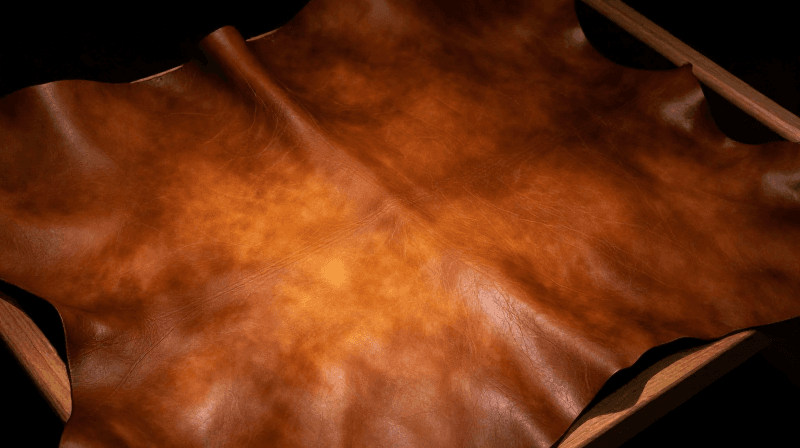
Tanning a Deer Hide into Buckskin — From Raw Pelt to Soft Leather
توسط Tex
منسوجات و چرم
CC0 مالکیت عمومی
این نقشه تحت مجوز CC0 منتشر شده است. شما آزاد هستید آن را کپی، ویرایش، توزیع و برای هر هدفی بدون نیاز به اجازه استفاده کنید.
با خرید محصولات از طریق نقشه از سازنده حمایت کنید و او کمیسیون سازنده تعیین شده توسط فروشندگان، دریافت میکند یا یک نسخه جدید از این نقشه ایجاد کنید و آن را به عنوان اتصال در نقشه خود قرار دهید تا درآمد به اشتراک گذاشته شود.