هنر
زیبایی و سلامت
صنایع دستی
فرهنگ و تاریخ
سرگرمی
محیط زیست
غذا و نوشیدنی
مهندسی معکوس
علوم
ورزش
فناوری
پوشیدنیها
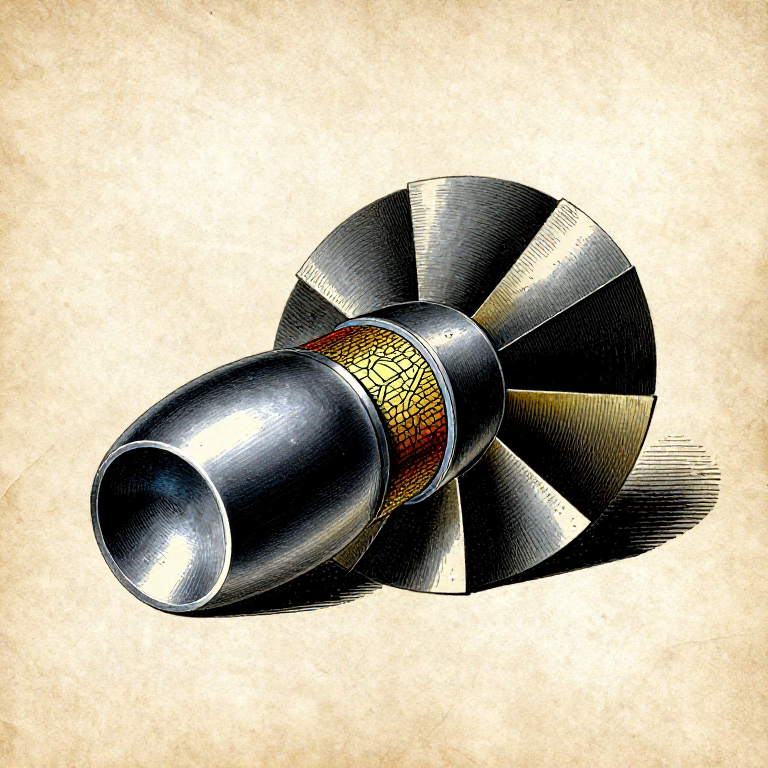
Understanding Rhenium from Molybdenite — The Jet Engine Superalloy Element
متوسط
دستورالعملها
1
1
Understand Rhenium's Discovery
Understand Rhenium's Discovery
Walter Noddack, Ida Tacke, and Otto Berg discovered rhenium in 1925 using X-ray spectroscopy of platinum ores and columbite — the last stable, naturally occurring element to be discovered. They named it after the Rhine River (Rhenus in Latin). Rhenium was predicted by Mendeleev as 'dvi-manganese' based on its position below manganese in the periodic table. It took another 25 years before enough rhenium was accumulated for detailed study.
2
2
Identify Rhenium's Unique Source
Identify Rhenium's Unique Source
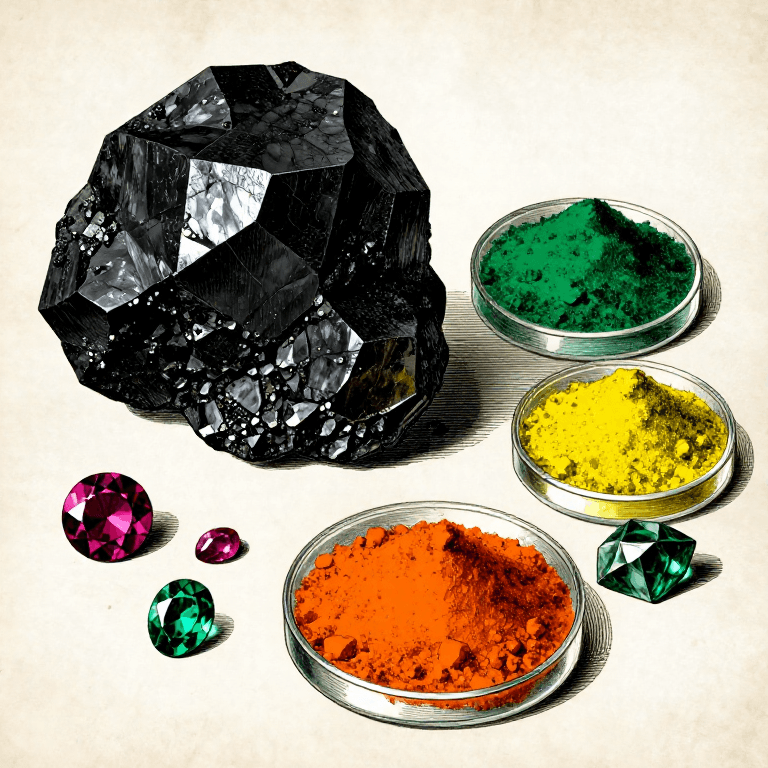
Rhenium is Earth's rarest stable metal at just 0.7 parts per billion in the crust — rarer than platinum or gold. It forms no minerals of its own and occurs only as a trace substituent in molybdenite (MoS₂), where it replaces molybdenum at 0.001-0.2%. Rhenium is recovered from flue dust when molybdenite is roasted to molybdenum trioxide — the volatile rhenium heptoxide (Re₂O₇) is captured in scrubbers. Chile produces 50% of world supply from Chuquicamata copper mine molybdenite.
مواد مورد نیاز این مرحله:
 نمونهٔ مولیبدنیت
ابزارهای مورد نیاز:
 ذرهبین دستی ۱۰ برابرذرهبین دستی ۱۰ برابر
 صفحهٔ خط (چینی بیلعاب)
 سوزنهای سختی موس
3
3
Examine Superalloy Turbine Blade Applications
Examine Superalloy Turbine Blade Applications
Rhenium's primary use (80% of consumption) is in single-crystal nickel-based superalloys for jet engine turbine blades. Adding 3-6% rhenium to alloys like CMSX-4 and René N6 increases creep strength at 1,100°C by partitioning to the gamma phase and inhibiting dislocation movement. Second-generation (3% Re) and third-generation (6% Re) superalloys power every modern commercial and military jet engine. Each GE90 engine contains approximately 30 kg of rhenium.
4
4
Discover Catalytic Reforming Applications
Discover Catalytic Reforming Applications
Platinum-rhenium bimetallic catalysts revolutionized petroleum reforming in the 1960s. Rhenium addition dramatically extends catalyst life by inhibiting carbon deposition (coking) on the platinum surface. These catalysts convert low-octane naphtha to high-octane gasoline components and produce hydrogen as a byproduct. Every major oil refinery uses platinum-rhenium reforming catalysts, consuming approximately 10 tonnes of rhenium annually worldwide.
5
5
Understand Rhenium's Extreme Properties
Understand Rhenium's Extreme Properties
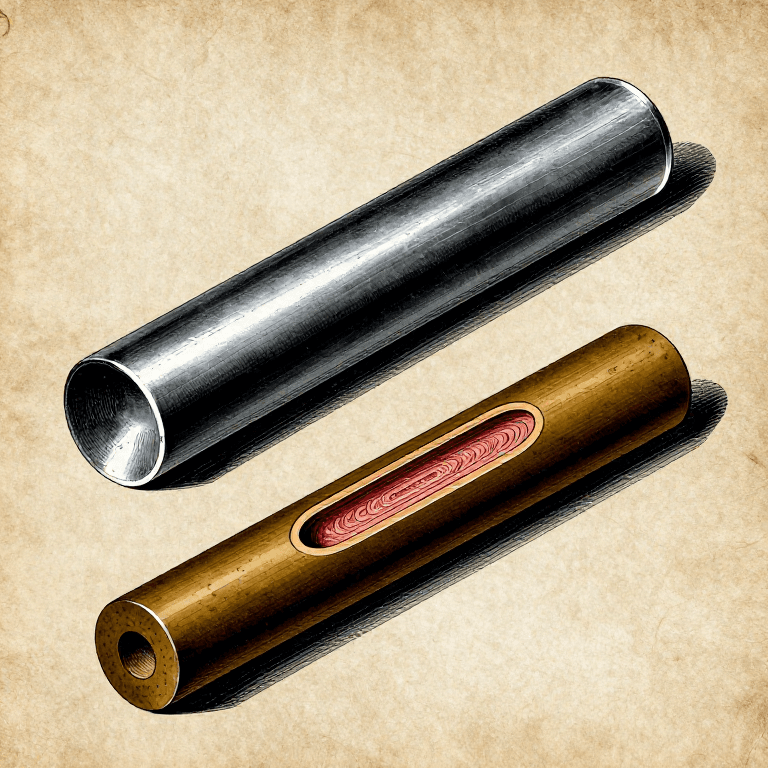
Rhenium has the third-highest melting point of any element (3,186°C, after tungsten and carbon), the highest boiling point (5,630°C), and one of the highest densities (21.02 g/cm³). It has the widest liquid range of any metal — 2,444°C between melting and boiling. Rhenium does not form a stable oxide layer above 600°C, which is why it is always alloyed with other metals rather than used alone at high temperatures.
6
6
Explore Tungsten-Rhenium Alloys
Explore Tungsten-Rhenium Alloys
Adding rhenium to tungsten eliminates the brittle-to-ductile transition that makes pure tungsten unworkable at room temperature. W-26Re alloys remain ductile after recrystallization and can be welded — impossible with pure tungsten. These alloys are used for thermocouples measuring temperatures up to 2,200°C (Type C and D thermocouples), X-ray tube rotating anodes, and rocket nozzle throat inserts for liquid-fuel engines.
7
7
Survey Medical and Electronic Applications
Survey Medical and Electronic Applications
Rhenium-188 (half-life 17 hours) is used in radioimmunotherapy for cancer treatment — it emits beta radiation for tumor destruction while its gamma emission allows simultaneous imaging. Rhenium is used in mass spectrometer filaments because it has a high work function and does not form carbides. Rhenium contacts in electrical switches resist arc erosion better than tungsten in high-current applications.
8
8
Examine Rhenium in Rocket Propulsion
Examine Rhenium in Rocket Propulsion
Iridium-coated rhenium (Ir/Re) combustion chambers withstand the extreme temperatures of high-performance rocket engines. The rhenium substrate provides structural strength at 2,200°C while the iridium coating prevents oxidation. This technology is used in satellite thrusters and upper-stage rocket engines where performance and reliability are critical. A single satellite thruster contains several hundred grams of rhenium.
ابزارهای مورد نیاز:
 ترازوی دقیق
9
9
Understand Supply Constraints and Pricing
Understand Supply Constraints and Pricing
Global rhenium production is only about 50 tonnes per year — entirely as a byproduct of molybdenum processing from copper mines. Rhenium metal is priced at $1,000-4,000 per kilogram, making it one of the most expensive industrial metals. The supply is entirely dependent on copper mining activity — if copper production declines, rhenium supply declines proportionally regardless of rhenium demand. Recycling from spent catalysts and superalloy scrap provides 20% of supply.
10
10
Document Findings and Strategic Analysis
Document Findings and Strategic Analysis
Record rhenium's key data: atomic number 75, density 21.02 g/cm³, melting point 3,186°C, silvery-white metal. Rhenium is indispensable for modern aviation — without it, jet engines would operate at lower temperatures with reduced fuel efficiency. Research into rhenium-free superalloys has produced fourth-generation alloys with ruthenium substituting for some rhenium, but rhenium content remains necessary for the highest-performance applications in military and next-generation commercial engines.
11
11
Ore grade: how much molybdenite per kilogram
Ore grade: how much molybdenite per kilogram
در حال بارگذاری دفترچهٔ Jupyter…
مواد
1- 1 قطعهجایگزین
ابزارهای لازم
4- جایگزین
- جایگزین
- جایگزین
- جایگزین
مواد نقشههای متصل
10% سهم
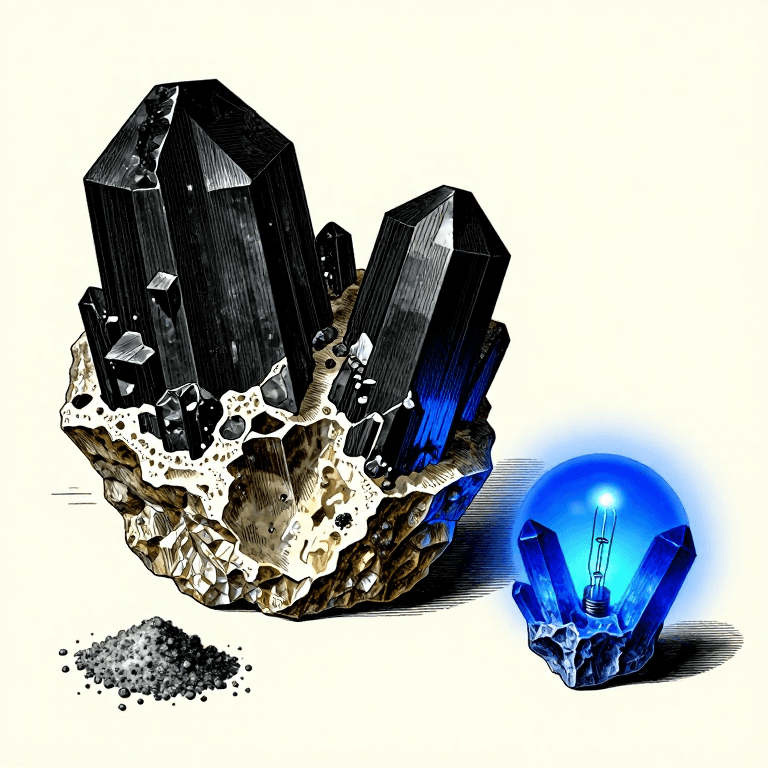
Extracting Tungsten from Wolframite — The Heaviest Practical Metal
توسط Peter
فلزکاری
۸۴
۰
۰
۰
۴
۰
خطرناک
10% سهم
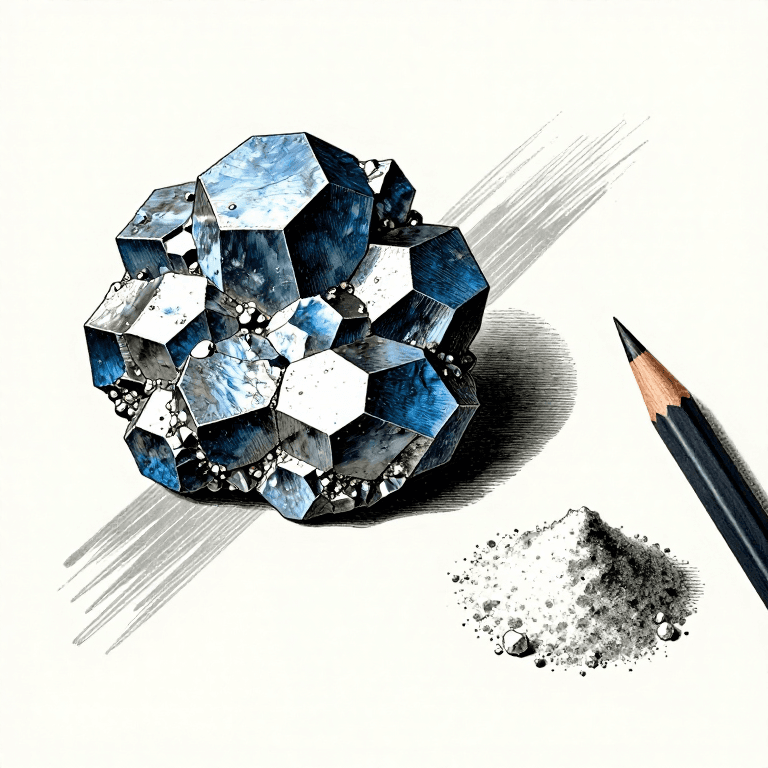
Extracting Molybdenum from Molybdenite — The Slippery Lead That Strengthens Steel
توسط Peter
فلزکاری
۶۲
۰
۰
۰
۲
۰
خطرناک
10% سهم
Isolating Platinum from Alluvial Deposits — The Unwanted Silver of the Conquistadors
توسط Peter
معدنکاری
۶۴
۰
۰
۰
۶
۰
خطرناک
10% سهم
Extracting Nickel from Pentlandite — The Devil's Copper That Wouldn't Behave
توسط Peter
فلزکاری
۵۱
۰
۰
۰
۵
۰
10% سهم
Extracting Iron from Hematite — Bloomery Smelting from Ore to Bloom
توسط Peter
فلزکاری
۱۴۳
۰
۰
۰
۱۲
۰
نقشههای مرتبط
این نقشهها دانش مشترکی دارند — تکنیکها، مواد یا اصول
CC0 مالکیت عمومی
این نقشه تحت مجوز CC0 منتشر شده است. شما آزاد هستید آن را کپی، ویرایش، توزیع و برای هر هدفی بدون نیاز به اجازه استفاده کنید.
با خرید محصولات از طریق نقشه از سازنده حمایت کنید و او کمیسیون سازنده تعیین شده توسط فروشندگان، دریافت میکند یا یک نسخه جدید از این نقشه ایجاد کنید و آن را به عنوان اتصال در نقشه خود قرار دهید تا درآمد به اشتراک گذاشته شود.