هنر
زیبایی و سلامت
صنایع دستی
فرهنگ و تاریخ
سرگرمی
محیط زیست
غذا و نوشیدنی
مهندسی معکوس
علوم
ورزش
فناوری
پوشیدنیها
ترجمهشده


دمکردن آبجوی وایکینگی با گیاهان گروئیت
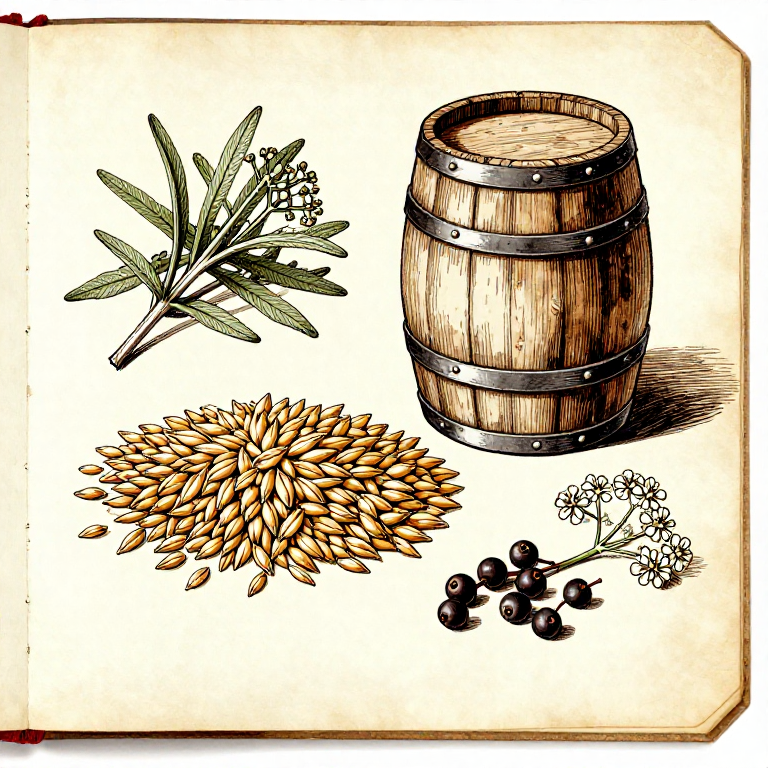
آبجوی دوره وایکینگها از جو مالتشده تهیه میشد و با گروئیت — مخلوطی از گیاهان متشکل از مورد باتلاقی (Myrica gale)، بومادران (Achillea millefolium) و عرعر — طعمدار میگردید. رازک تا اواخر دوره قرون وسطی در اسکاندیناوی رایج نبود. فرآیند دمکردن — مالتسازی، خیساندن، جوشاندن، تخمیر — همان مراحل بنیادی آبجوسازی مدرن را دنبال میکند، اما بدون کنترل دما یا مواد اولیه استانداردشده. شواهد باستانشناختی از دمکردن آبجو در دوره وایکینگها شامل رسوبات دانه جوانهزده، تحلیل باقیماندههای ظروف و اشارات در ادبیات ساگا میشود. آبجو بهصورت روزانه مصرف میشد و در سکونتگاههایی با بهداشت ضعیف، نوشیدنش از آب بیخطرتر بود.
متوسط
۷ تا ۱۴ روز (شامل مالتسازی)
دستورالعملها
1
1
مالتکردن جو
مالتکردن جو
دانههای جو کامل را به مدت ۲ تا ۳ روز در آب خیس کنید و روزانه آب آن را عوض کنید. دانه آب جذب میکند و متورم میشود. پس از خیساندن، آب را خالی کنید و دانههای مرطوب را در لایهای نازک به عمق ۵ تا ۱۰ سانتیمتر روی یک سطح صاف — کف تمیز، سینی چوبی یا تخته سنگ — پهن کنید. اجازه دهید دانهها به مدت ۳ تا ۵ روز جوانه بزنند و هر روز آنها را زیر و رو کنید تا جوانهزنی یکنواخت صورت گیرد و از کپکزدگی جلوگیری شود. ریشچههای سفید کوچکی از هر دانه بیرون میآیند. این فرآیند جوانهزنی آنزیمهایی (آمیلاز) را در داخل دانه فعال میکند که بعداً در مرحله خیساندن نشاسته را به قند قابل تخمیر تبدیل خواهند کرد.
مواد مورد نیاز این مرحله:
 دانهٔ جو2-3 kg کیلوگرم
 آبsufficient to soak لیتر
2
2
خشککردن مالت در کوره
خشککردن مالت در کوره
جوانهزنی را با خشککردن جو جوانهزده روی حرارت ملایم متوقف کنید. مالت سبز را روی یک سطح مشبک — چوبهای بافتهشده یا پارچه روی قاب — بالای آتشی کم یا سنگهای داغ پهن کنید. طی ۱۲ تا ۲۴ ساعت بهآرامی خشک کنید و گاهگاه هم بزنید. دمای خشککردن بر طعم تأثیر میگذارد: حرارت پایین (زیر ۸۰ درجه سانتیگراد) مالت روشنی با طعمهای تمیز و غلهای تولید میکند؛ حرارت بالاتر مالت تیرهتر و دودیتری بهبار میآورد. مالت دوره وایکینگ احتمالاً روی آتش هیزم خشک میشد و دودی طبیعی به آن میداد. پس از خشکشدن کامل و ترد شدن، ریشچهها بهراحتی جدا میشوند — آنها را حذف کنید چون طعم تلخی دارند.
ابزارهای مورد نیاز:
 آتشدان (آتش آهنگری)
3
3
خیساندن مالت
خیساندن مالت
مالت خشکشده را بهطور درشت آسیاب کنید — هر دانه را بشکنید اما به پودر تبدیل نکنید. از سنگ آسیاب با تنظیم بسیار گشاد یا هاون چوبی استفاده کنید. هدف این است که درون نشاستهای دانه در معرض قرار گیرد در حالی که پوستهها سالم بمانند، چون پوستهها بعداً بهعنوان بستر فیلتر عمل میکنند. مالت خردشده را به آب داغ (۶۵ تا ۷۰ درجه سانتیگراد — آنقدر داغ که نتوانید دستتان را در آن نگه دارید، اما به جوش نرسیده) در یک مخزن مش چوبی یا ظرف بزرگ اضافه کنید. تقریباً ۳ لیتر آب به ازای هر کیلوگرام مالت استفاده کنید. خوب هم بزنید و ۱ تا ۲ ساعت دم بکشید و با عایقبندی ظرف یا افزودن سنگ داغ دما را حفظ کنید. آنزیمها نشاسته را به قند تبدیل میکنند و مایع شیرینی بهنام وورت ایجاد میکنند.
مواد مورد نیاز این مرحله:
آب10-15 litres لیترابزارهای مورد نیاز:
 بشکهٔ چوبی
4
4
صافکردن وورت
صافکردن وورت
وورت را از میان بستری از کاه، شاخههای عرعر یا پارچه بافتهشده که در کف مخزن مش قرار دادهاید صاف کنید. پوستههای دانه یک بستر فیلتر طبیعی تشکیل میدهند. وورت شفاف و شیرین را در یک ظرف تمیز زیر آن جمعآوری کنید. بهآرامی بریزید تا بستر دانه بههم نخورد. برای استخراج قند بیشتر، آب داغ اضافی روی بستر دانه بریزید (اسپارجینگ). اولین تراوشها قویترین هستند؛ تراوشهای بعدی ضعیفترند. برای آبجویی با قدرت متوسط همه را ترکیب کنید یا اولین تراوشها را برای یک نوشیدنی قویتر جداگانه نگه دارید.
ابزارهای مورد نیاز:
 پارچه (برای صافکردن)
5
5
جوشاندن با گیاهان گروئیت
جوشاندن با گیاهان گروئیت
وورت را در یک دیگ یا قابلمه بزرگ روی آتش اجاق به جوش شدید برسانید. مخلوط گیاه گروئیت را اضافه کنید: برگها و گلآذینهای مورد باتلاقی (Myrica gale)، گلها و برگهای بومادران، و توتهای عرعر. نسبت شروع خوب ۳۰ تا ۵۰ گرم از مخلوط گیاهان گروئیت به ازای هر ۱۰ لیتر وورت است. ۳۰ تا ۶۰ دقیقه بجوشانید. گیاهان گروئیت تلخی لازم برای تعادل با شیرینی مالت، خواص ضدمیکروبی برای نگهداری، و پیچیدگی عطر و طعم را فراهم میکنند. وایکینگها از رازک استفاده نمیکردند — رازک تا قرن ۱۲ تا ۱۳ میلادی در اسکاندیناوی رایج نشده بود.
مواد مورد نیاز این مرحله:
 مورد باتلاقی (Myrica gale)15-25g گرم
 بومادران (Achillea millefolium)10-15g گرم
 ارس (میوه و چوب)10-15g گرم
ابزارهای مورد نیاز:
 دیگ بزرگآتشدان (آتش آهنگری)
6
6
خنککردن، تخمیر و سرو
خنککردن، تخمیر و سرو
وورت جوشیده را هرچه سریعتر خنک کنید — ظرف را در آب سرد بگذارید یا برای تسریع خنکشدن در یک ظرف پهن و کمعمق بریزید. وقتی وورت به دمای اتاق (زیر ۳۰ درجه سانتیگراد) رسید، به یک ظرف تخمیر منتقل کنید. مخمر اضافه کنید — از دسته قبلی نگهداشتهشده یا از محیط گرفتهشده. شل بپوشانید و ۳ تا ۷ روز در دمای خنک اتاق تخمیر کنید. تخمیر فعال کف حبابدار و حبابهای دیاکسیدکربن تولید میکند. وقتی حبابزدن فروکش کرد و آبجو کمتر شیرین شد، تخمیر کامل است. آبجوی وایکینگی تازه مصرف میشد. از جامهای چوبی یا شاخهای نوشیدنی در دمای خنک سرو کنید.
مواد مورد نیاز این مرحله:
 کشت مخمرsmall amount قطعه
ابزارهای مورد نیاز:
بشکهٔ چوبی کاسه نوشیدن
مواد
6- 2-3 kg کیلوگرمجایگزین
- sufficient to soak لیترجایگزین
- 15-25g گرمجایگزین
- 10-15g گرمجایگزین
- 10-15g گرمجایگزین
- small amount قطعهجایگزین
ابزارهای لازم
5- جایگزین
- جایگزین
- جایگزین
- جایگزین
- جایگزین
این نقشه میسازد

CC0 مالکیت عمومی
این نقشه تحت مجوز CC0 منتشر شده است. شما آزاد هستید آن را کپی، ویرایش، توزیع و برای هر هدفی بدون نیاز به اجازه استفاده کنید.
با خرید محصولات از طریق نقشه از سازنده حمایت کنید و او کمیسیون سازنده تعیین شده توسط فروشندگان، دریافت میکند یا یک نسخه جدید از این نقشه ایجاد کنید و آن را به عنوان اتصال در نقشه خود قرار دهید تا درآمد به اشتراک گذاشته شود.