هنر
زیبایی و سلامت
صنایع دستی
فرهنگ و تاریخ
سرگرمی
محیط زیست
غذا و نوشیدنی
مهندسی معکوس
علوم
ورزش
فناوری
پوشیدنیها



Shellac: The Most Forgiving Finish, and the One You Can Always Undo
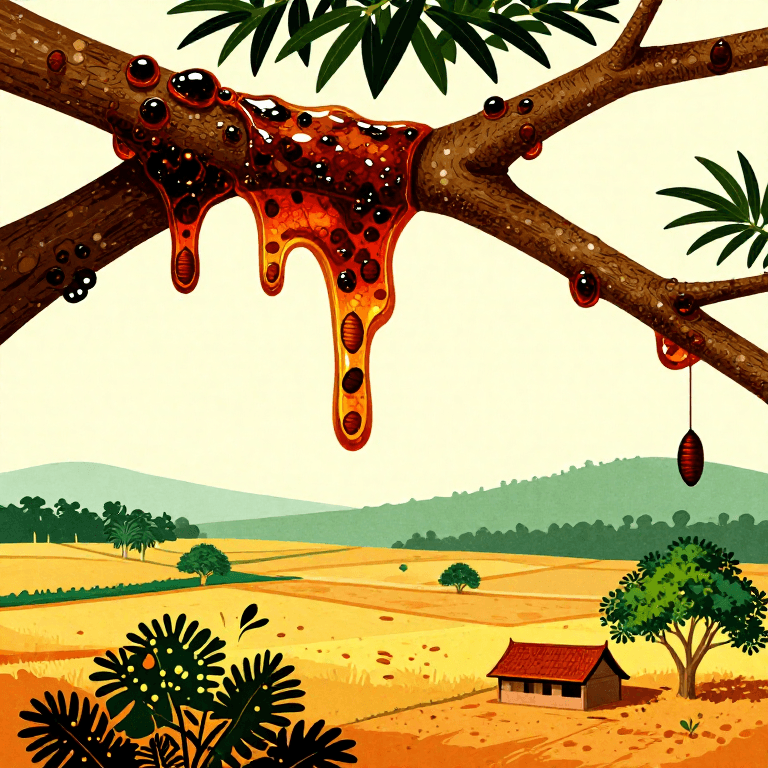
Shellac is a resin secreted by an insect, dissolved in alcohol. It dries in minutes, each coat melts into the one beneath so there are no witness lines, and it dissolves again in alcohol whenever you want it to.
That reversibility is why conservators and instrument makers use it, and why it is the most forgiving finish to learn on: a bad result is wiped off with alcohol and started again, which is true of nothing else here.
It is also the universal sealer. A thin coat of dewaxed shellac sticks to almost anything and almost anything sticks to it, so it solves a large class of compatibility problems in one step. The published French polishing blueprint is shellac taken to its limit; this is the everyday use of it.
متوسط
3 hours
دستورالعملها
1
1
Flakes and alcohol, and what the cut means
Flakes and alcohol, and what the cut means
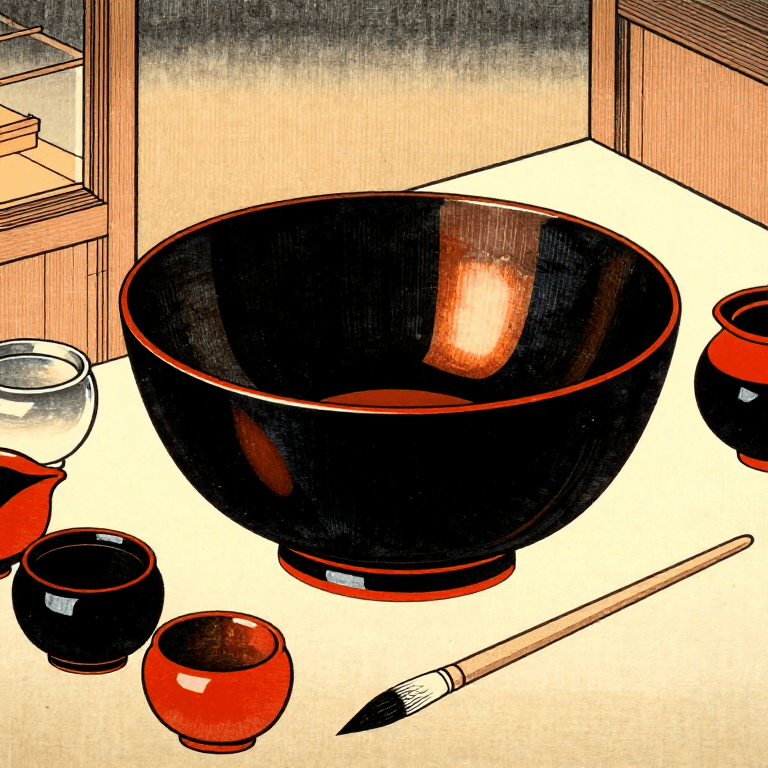
Shellac is sold as flakes to dissolve yourself, or ready-mixed. The CUT is the recipe: a 2-pound cut is two pounds of flakes per gallon of alcohol, and a 1-pound cut is half as strong.
Thin cuts are what you want for most work — a 1-pound cut brushes and wipes easily, dries fast and builds gradually. Heavy cuts are hard to apply evenly and there is no benefit to them.
Mix your own from flakes if you can. Shellac has a SHELF LIFE in solution: old shellac stops curing hard and stays soft indefinitely, which is a frustrating failure with no visible cause. Flakes keep for years; mixed shellac should be used within months, and a tin of unknown age is the usual reason 'shellac never dried'.
مواد مورد نیاز این مرحله:
 پولکهای شلاک1 قطعه
 الکل دناتوره1 قطعهشلاک1 قطعه
ابزارهای مورد نیاز:
 دستکش نیتریل
2
2
Wipe it on, keep moving, and never go back
Wipe it on, keep moving, and never go back
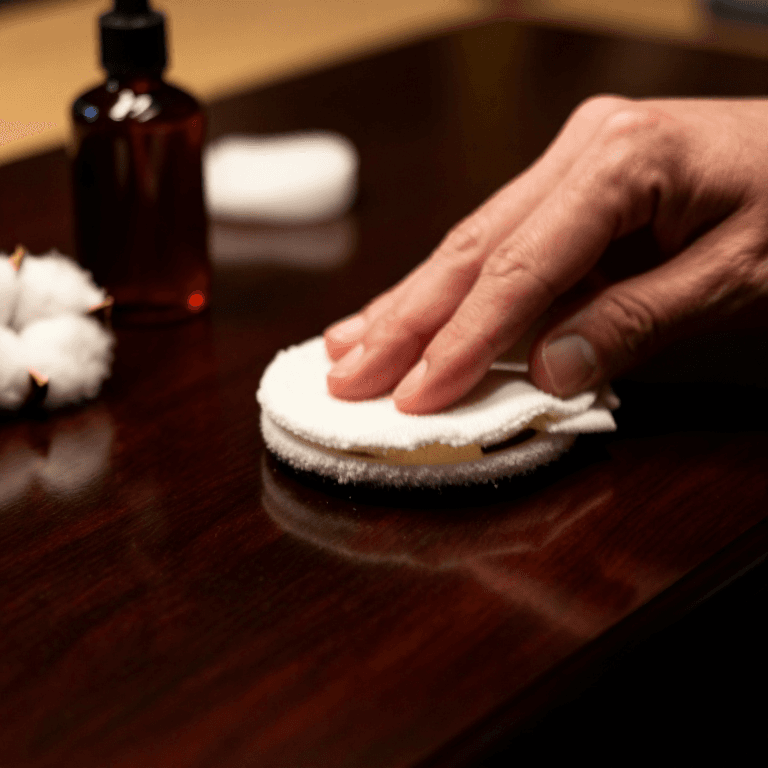
Fold a cloth into a pad, charge it with thin shellac, and wipe along the grain in long overlapping strokes without stopping in the middle of a surface.
The alcohol flashes off in under a minute, so a stroke laid over a partly dried one drags and tears the film instead of blending. The rule is one pass, keep moving, and leave it alone — brushing back over shellac is what ruins it.
Any imperfection disappears under the next coat, because fresh shellac dissolves the surface of the last one and they merge into a single layer. That is why there are no witness lines and why a sanded-through patch is invisible after recoating — which is not true of polyurethane.
مواد مورد نیاز این مرحله:
شلاک1 قطعهالکل دناتوره1 قطعه تختهٔ چوب سخت1 قطعه
ابزارهای مورد نیاز:
 پارچهٔ پنبهایدستکش نیتریل
 قلمموی اسفنجی
3
3
Dewaxed shellac as a universal barrier coat
Dewaxed shellac as a universal barrier coat
Natural shellac contains a little wax, and that wax stops some finishes — notably oil-based polyurethane — from sticking to it. DEWAXED shellac has it removed and is compatible with essentially everything.
That makes a thin coat of dewaxed shellac the standard solution to a whole class of problems: sealing a resinous knot so it does not bleed through paint, blocking an old silicone-contaminated surface, sealing an oily exotic timber so a water-based finish will bond, and stopping stain blotching on pine.
Check the tin says dewaxed before using it under another finish. Using waxy shellac as a barrier coat produces a finish that peels off in sheets months later, and the cause is invisible at the time.
مواد مورد نیاز این مرحله:
شلاک1 قطعه زیرسازی سنبادهٔ شلاکی1 قطعه
 تختهٔ چوب نرم خشک1 قطعه
ابزارهای مورد نیاز:
قلمموی اسفنجیپارچهٔ پنبهای4
4
Its weaknesses, and when to choose something else
Its weaknesses, and when to choose something else
Alcohol dissolves shellac, so a spilled drink leaves a white ring or a bare patch. Water left standing marks it. Heat softens it — a hot mug will print a ring into the surface.
So shellac is wrong for a bar top, a kitchen worktop or anything that will get wet and hot. It is right for furniture, interior joinery, boxes, instruments, and anything where repairability matters more than toughness.
And its weakness is also its strength: every one of those marks is repaired by wiping with alcohol and re-coating the area, blending invisibly into the rest. A damaged polyurethane surface, by contrast, has to be sanded back entirely.
مواد مورد نیاز این مرحله:
شلاک1 قطعهالکل دناتوره1 قطعهابزارهای مورد نیاز:
پارچهٔ پنبهای ذرهبین جواهرسازی
مواد
6- 1 قطعهجایگزین
- 3 قطعهجایگزین
- 4 قطعهجایگزین
- 1 قطعهجایگزین
- 1 قطعهجایگزین
- 1 قطعهجایگزین
ابزارهای لازم
4- جایگزین
- جایگزین
- جایگزین
- جایگزین
نقشههای مرتبط
این نقشهها دانش مشترکی دارند — تکنیکها، مواد یا اصول

CC0 مالکیت عمومی
این نقشه تحت مجوز CC0 منتشر شده است. شما آزاد هستید آن را کپی، ویرایش، توزیع و برای هر هدفی بدون نیاز به اجازه استفاده کنید.
با خرید محصولات از طریق نقشه از سازنده حمایت کنید و او کمیسیون سازنده تعیین شده توسط فروشندگان، دریافت میکند یا یک نسخه جدید از این نقشه ایجاد کنید و آن را به عنوان اتصال در نقشه خود قرار دهید تا درآمد به اشتراک گذاشته شود.