
Branly–Lodge Coherer
Leiðbeiningar
Prepare the filings
Prepare the filings
The filings are the sensitive element and their condition decides whether the device works at all.
- Use clean iron filings, sieved so the grains are of similar size.
- Remove dust and oil — wash in solvent and dry completely.
- Loose and free-running, never packed.
Efni fyrir þetta skref:
 Járnspænir1 container
Build the tube
Build the tube
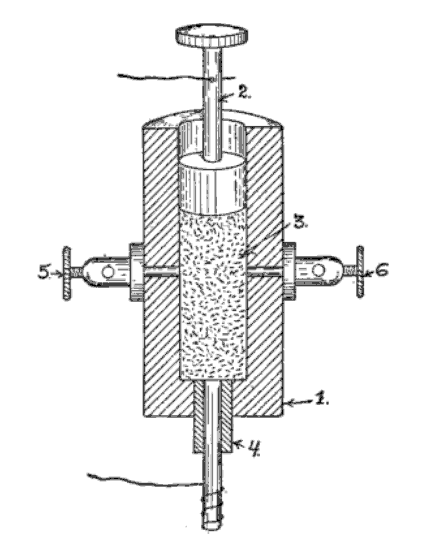
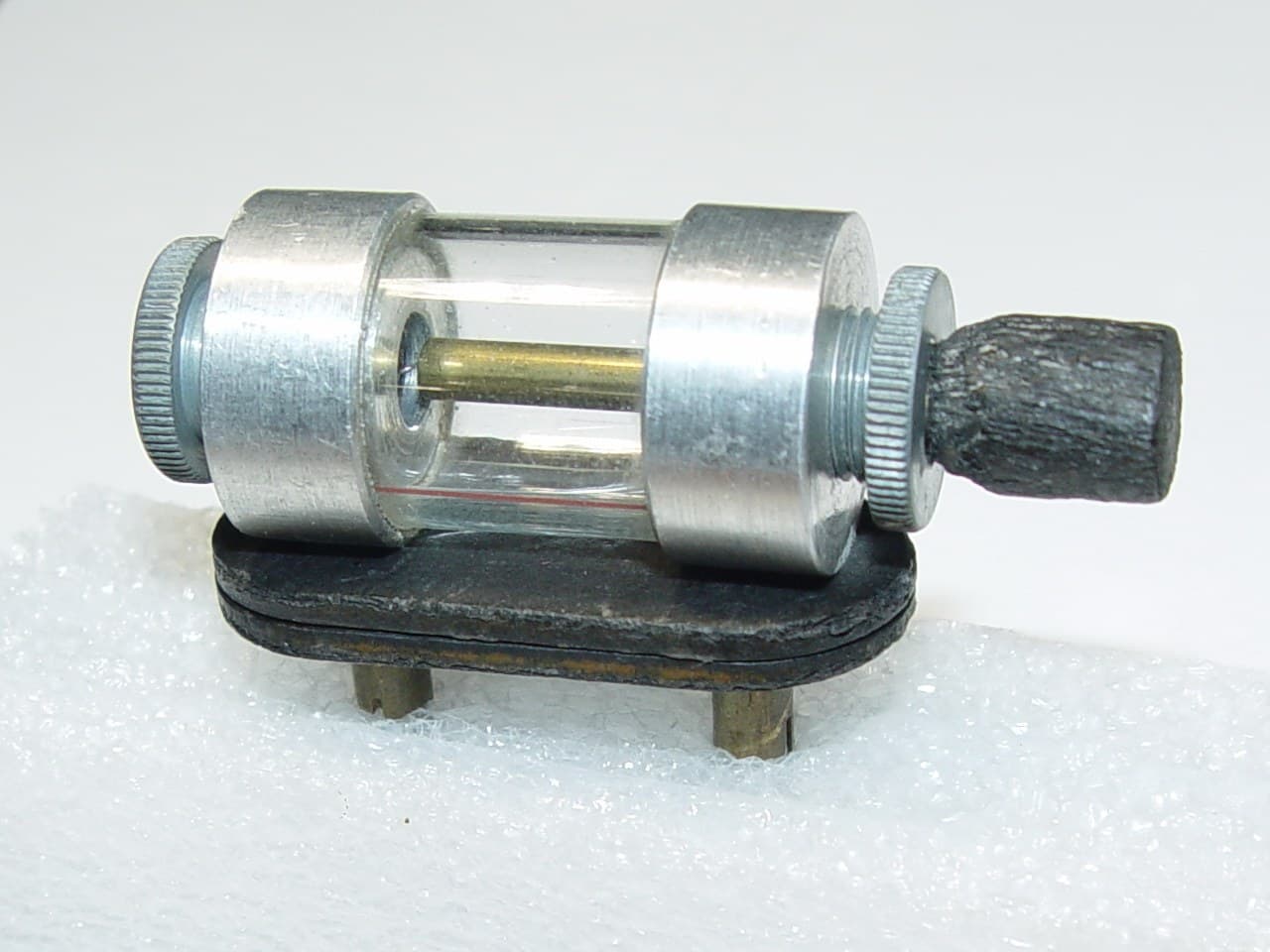
A short glass tube with an electrode entering each end and a gap of filings between them.
- Fit a metal plug or wire electrode into each end.
- Set the gap between electrode faces to a couple of millimetres.
- Half-fill the gap with filings — enough to bridge, loose enough to move.
Efni fyrir þetta skref:
 Glerrörasett1 sett
 Koparvír1 length
Wire the detection circuit
Wire the detection circuit
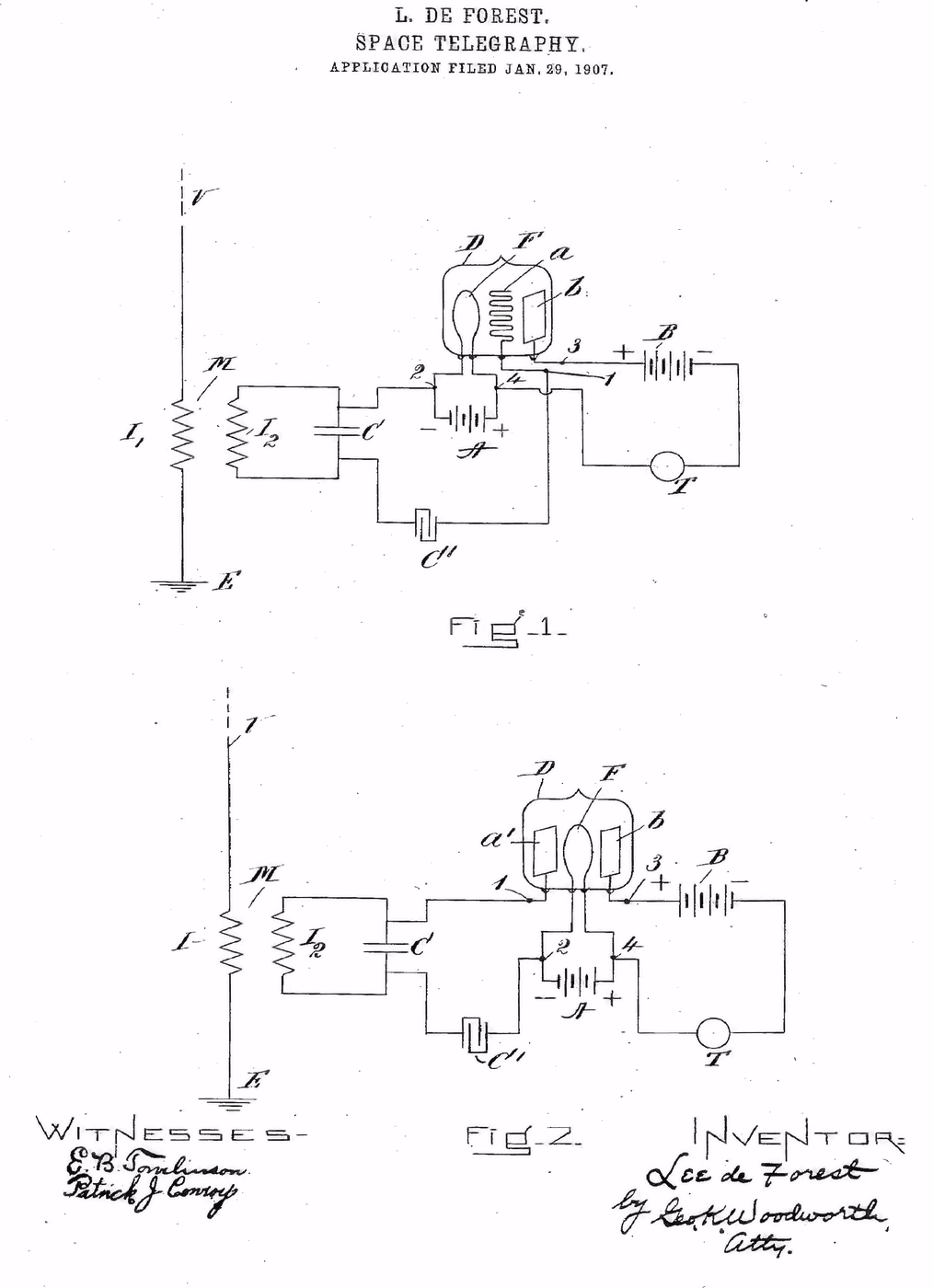
Put the coherer in series with a cell and a sensitive indicator.
- Cell, coherer and galvanometer in one loop.
- Attach a length of wire to one electrode as an aerial.
- Keep the supply low — the cell only has to register the change of state, not drive anything.
Nauðsynleg verkfæri:
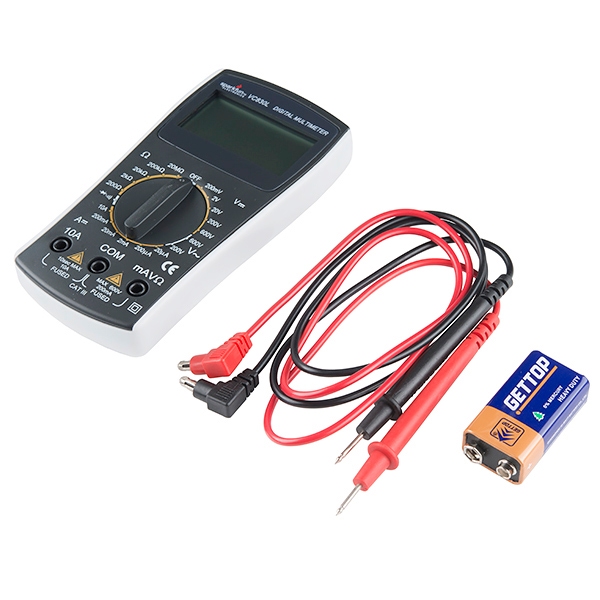 Digital Multimeter - Basic
 Hliðrænn straummælir
Fit the decoherer
Fit the decoherer
Once triggered, the coherer stays conducting. It must be physically reset.
- Arrange a small hammer or striker to tap the tube.
- A single sharp tap should return the reading to its high-resistance state.
Trigger it
Trigger it
A small spark nearby radiates broadband energy — that is what early transmitters were.
- Produce a spark a short distance from the aerial, for instance from a piezo igniter.
- Watch the galvanometer jump as the tube conduct.
- Tap to reset. Repeat, moving further away, and find the distance at which it stops responding.
History and context
History and context
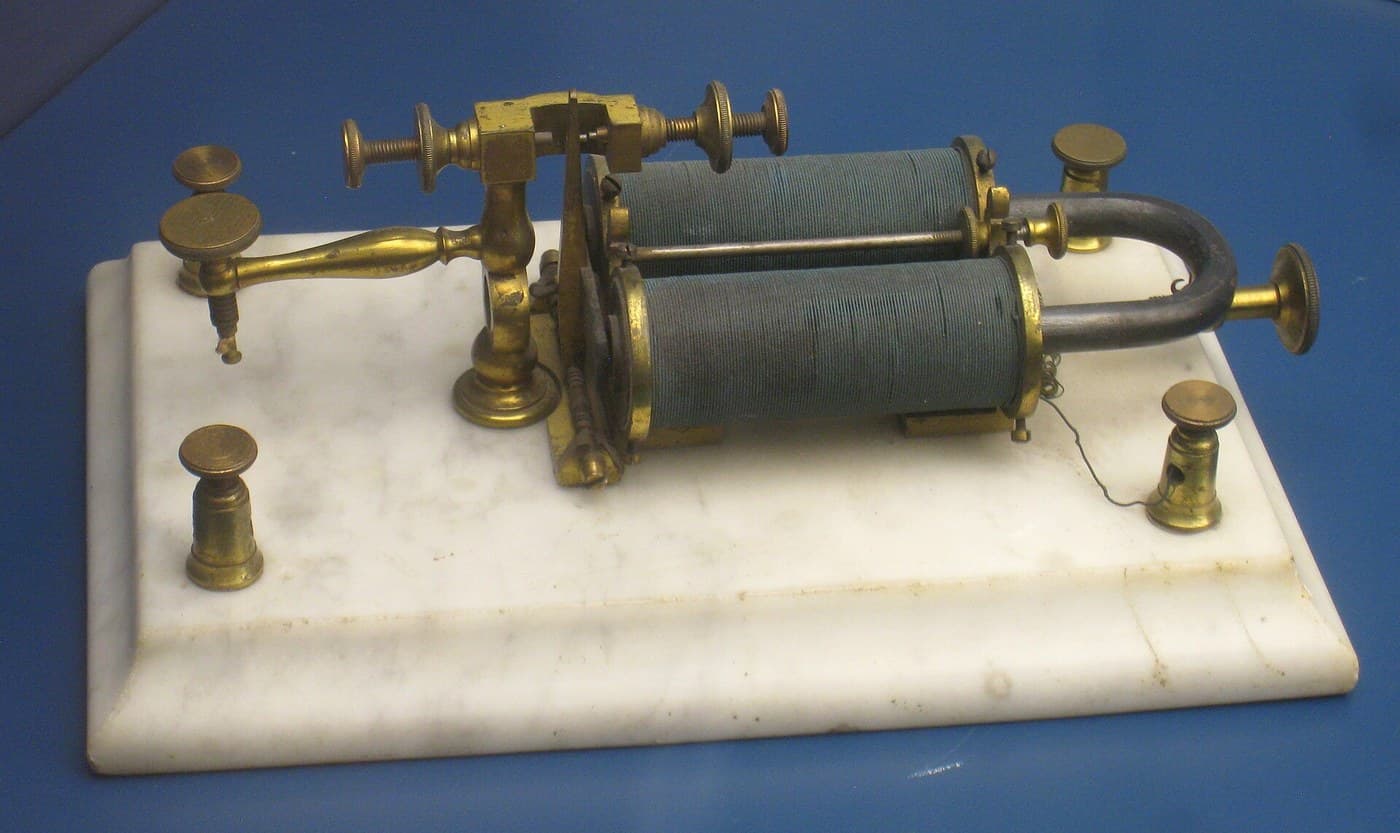
Édouard Branly, professor of physics at the Institut Catholique de Paris, reported in 1890 that loose metal filings changed resistance dramatically in the presence of electrical discharges. He called his tube a radio-conducteur. Oliver Lodge developed it into a practical detector, gave it the name coherer, and added the tapper that made it repeatable. Marconi then turned that combination into working wireless telegraphy across the Channel and, in 1901, claimed reception across the Atlantic.
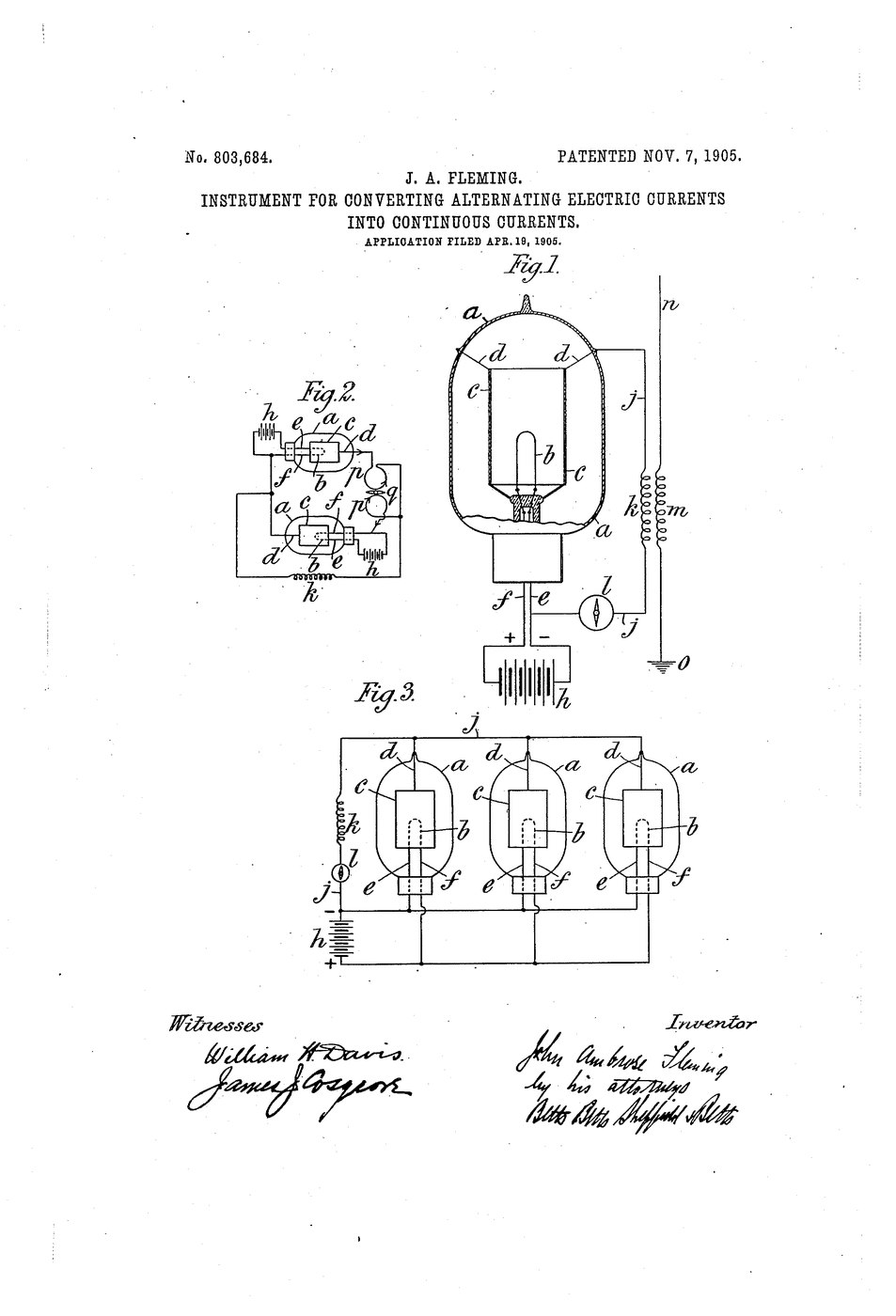
Its weaknesses ended it quickly. Sensitivity drifted with the filings, the tapper limited how fast messages could be sent, and it responded to any impulsive noise at all. The crystal detector and then the vacuum valve replaced it within about fifteen years.
What is genuinely not settled: why it works. Explanations have included micro-welding at the contact points between grains, breakdown of thin oxide films, and electrostatic attraction pulling grains together. It is generally treated as a contact-junction effect rather than one clean mechanism, and the honest position is that a device which launched an industry was never fully explained by the people who used it.
Efni
3- 1 containerStaðgengill
- 1 settStaðgengill
- 1 lengthStaðgengill
Nauðsynleg verkfæri
2- Digital Multimeter - Basic10% þóknun$14.38
- Staðgengill
Efni úr tengdum teikningum
Tengd Blueprint
Þessi blueprint deila þekkingu — tækni, efni eða meginreglur


CC0 opinbert ríki
Þessi teikning er gefin út undir CC0. Þér er frjálst að afrita, breyta, dreifa og nota þetta verk í hvaða tilgangi sem er, án þess að biðja um leyfi.
Studdu smiðinn með því að kaupa vörur í gegnum teikningu hans þar sem hann fær þóknun smiða sem seljendur ákvarða, eða búðu til nýja endurskoðun á þessari teikningu og tengdu hana sem tengingu í þinni eigin teikningu til að deila tekjum.