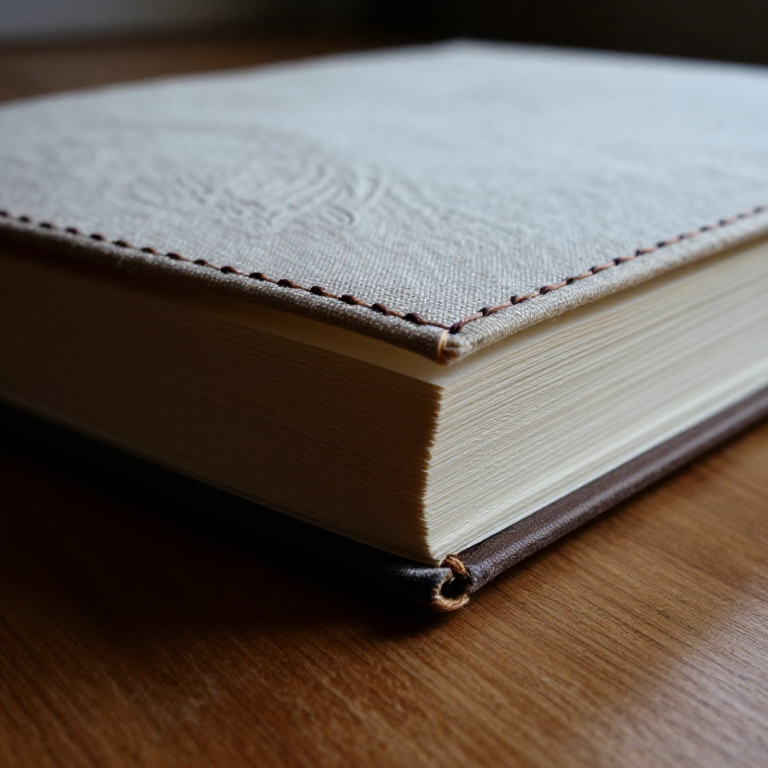


Binding a Coptic Stitch Journal — Exposed-Spine Chain Stitch Bookbinding
The Coptic stitch is the oldest form of book binding that uses a structure recognisable as a modern book — separate sections (signatures) of folded pages, sewn together through their spines. Developed by early Christians in Egypt around the 2nd-4th century CE, it requires no glue and no cover spine, leaving the stitching fully exposed as a decorative element. The chain stitch links each signature to the next and to the cover boards, creating a book that opens completely flat. This blueprint covers the basic two-needle Coptic link stitch — the foundation of all exposed-spine binding.
Leiðbeiningar
Cut and fold the signatures
Cut and fold the signatures
Prepare the cover boards
Prepare the cover boards
Efni fyrir þetta skref:
 Bókbandspappi2 stykki
Mark the sewing stations
Mark the sewing stations
Punch the sewing holes
Punch the sewing holes
Nauðsynleg verkfæri:
 Sýll
SýllCut and wax the thread
Cut and wax the thread
Efni fyrir þetta skref:
 Vaxaður hörþráður3 metrar
Nauðsynleg verkfæri:
 Saumnál
Attach the first signature to the back cover
Attach the first signature to the back cover
Add the second signature with chain stitch
Add the second signature with chain stitch
Continue adding signatures
Continue adding signatures
Attach the front cover board
Attach the front cover board
Tie off the thread
Tie off the thread
Cover the boards (optional)
Cover the boards (optional)
Press and finish
Press and finish
Efni
2- 2 stykkiStaðgengill
- 3 metrarStaðgengill
Efni úr tengdum teikningum


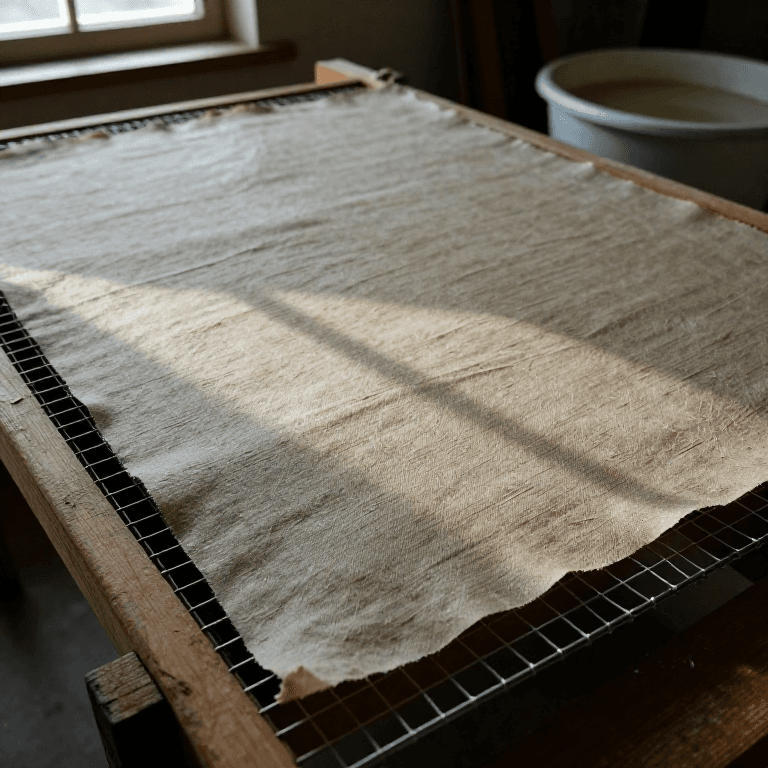
Þessi teikning býr til




Tengd Blueprint
Þessi blueprint deila þekkingu — tækni, efni eða meginreglur
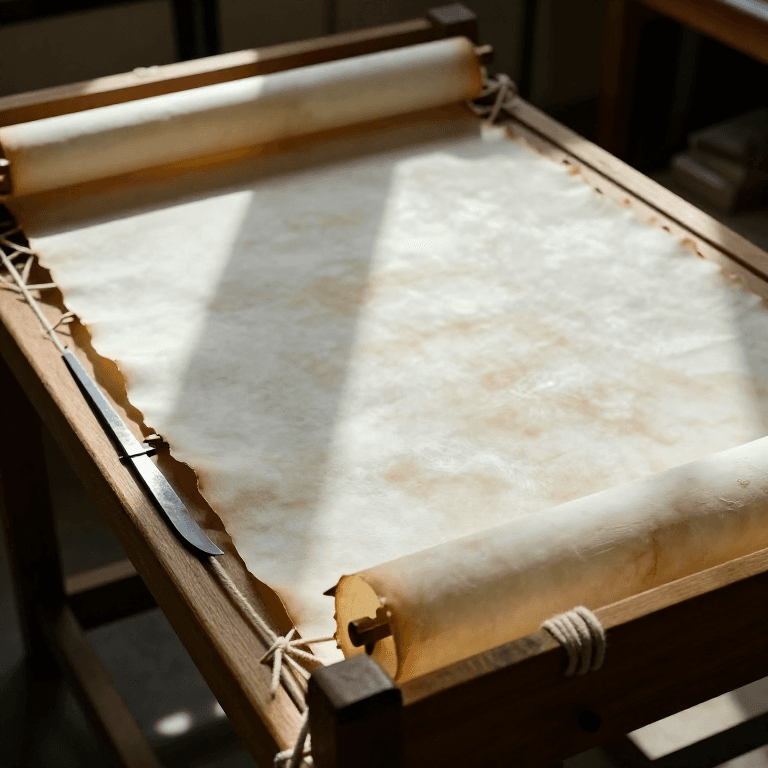

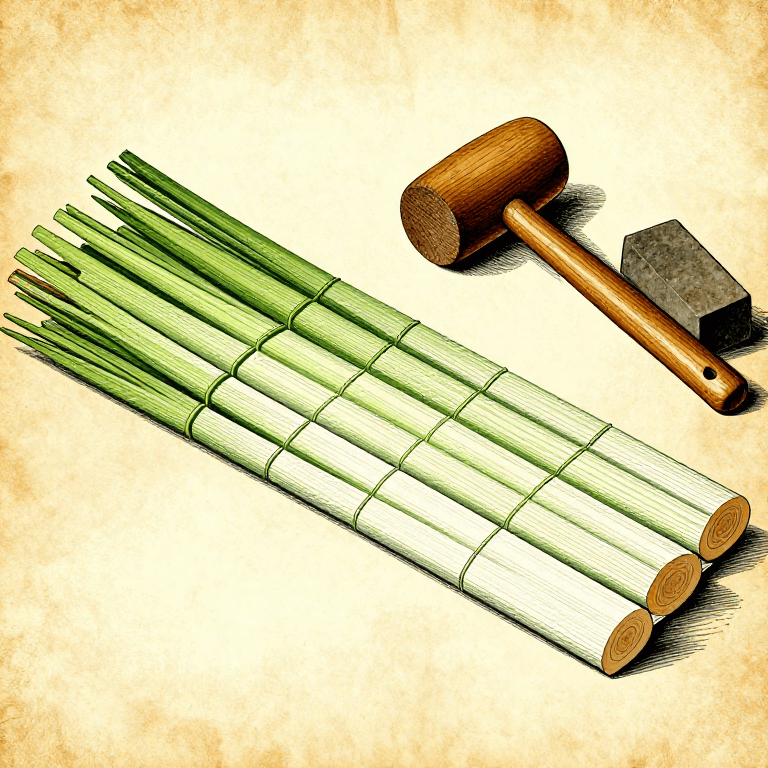
CC0 opinbert ríki
Þessi teikning er gefin út undir CC0. Þér er frjálst að afrita, breyta, dreifa og nota þetta verk í hvaða tilgangi sem er, án þess að biðja um leyfi.
Studdu smiðinn með því að kaupa vörur í gegnum teikningu hans þar sem hann fær þóknun smiða sem seljendur ákvarða, eða búðu til nýja endurskoðun á þessari teikningu og tengdu hana sem tengingu í þinni eigin teikningu til að deila tekjum.