

Crucible Cast Steel by the Huntsman Process — Remelting Blister Steel into Flawless Ingots
Blister steel was a triumph, but it had a flaw: its carbon was uneven, rich at the surface of each bar and poor in the core. For fine springs, watch parts, and razors, smiths needed steel that was the same all the way through. In 1740 the Sheffield clockmaker Benjamin Huntsman found the answer — melt the steel completely.
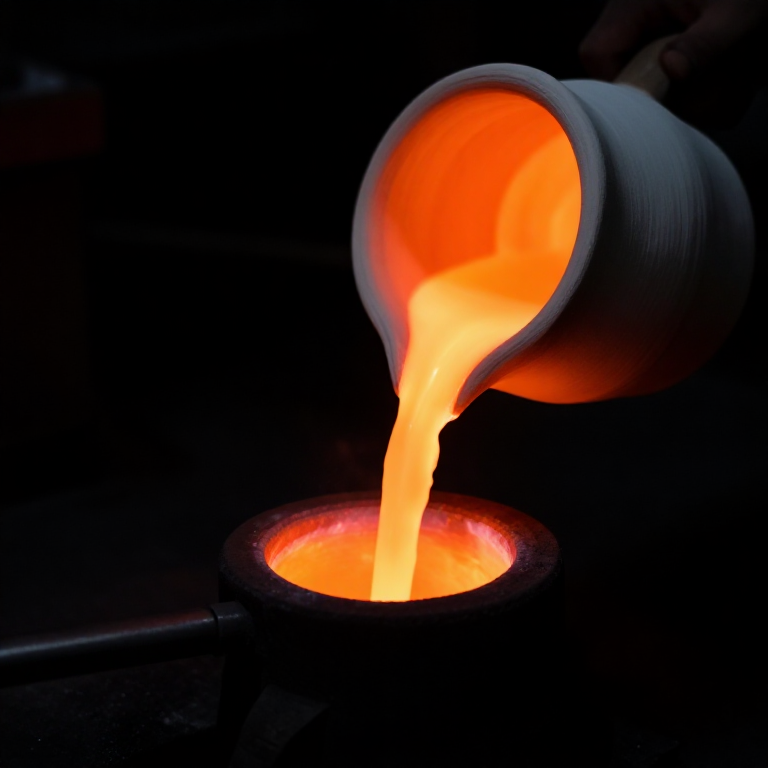
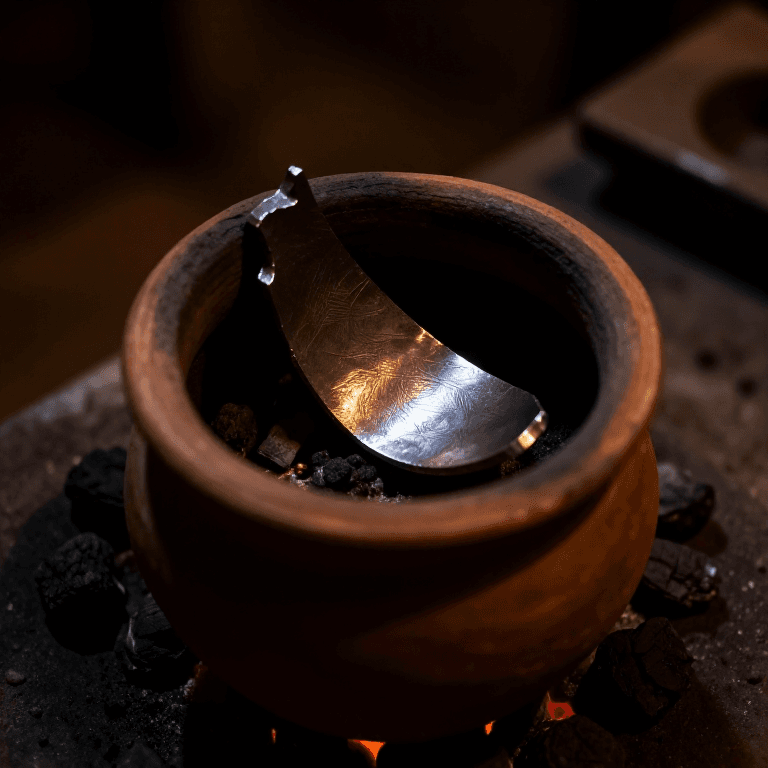
No furnace of the day could melt steel, so Huntsman built one that could. He broke blister steel into small pieces, sealed them in a covered clay crucible, and drove a coke fire hot enough — around 1600 degrees Celsius — to turn the solid steel into a clear liquid. Fully molten, the carbon spread perfectly evenly through the metal and the impurities floated off as slag. Poured into a mould, it set into a flawless ingot of cast steel.
Huntsman's crucible steel was the finest in the world and made Sheffield the steel capital of the age. The principle — melt it to make it uniform — is the same one that still underlies steelmaking today, and it sits at the very top of the iron-and-steel chain that runs from ore to coke to pig iron to wrought iron to blister steel to this.
Leiðbeiningar
Understand the goal
Understand the goal
Break up the blister steel
Break up the blister steel
Efni fyrir þetta skref:
 Blöðrustálsstangir12 kg
Nauðsynleg verkfæri:
 Hamar
HamarPrepare a clay crucible
Prepare a clay crucible
Efni fyrir þetta skref:
 Djúp leirdeigla1 stykki
Charge the crucible
Charge the crucible
Efni fyrir þetta skref:
 Kalksteinsflís1 kg
Build a coke melting furnace
Build a coke melting furnace
Efni fyrir þetta skref:
 Málmvinnslukox50 kg
Nauðsynleg verkfæri:
 Smiðjubelgur
Melt the steel fully
Melt the steel fully
Nauðsynleg verkfæri:
 Deiglutöng
Let the carbon even out
Let the carbon even out
Let the slag rise
Let the slag rise
Lift the crucible
Lift the crucible
Nauðsynleg verkfæri:
DeiglutöngCast the ingot
Cast the ingot
Nauðsynleg verkfæri:
 Stangamót
Cool and strip
Cool and strip
Nauðsynleg verkfæri:
HamarIdentify cast steel
Identify cast steel
Nauðsynleg verkfæri:
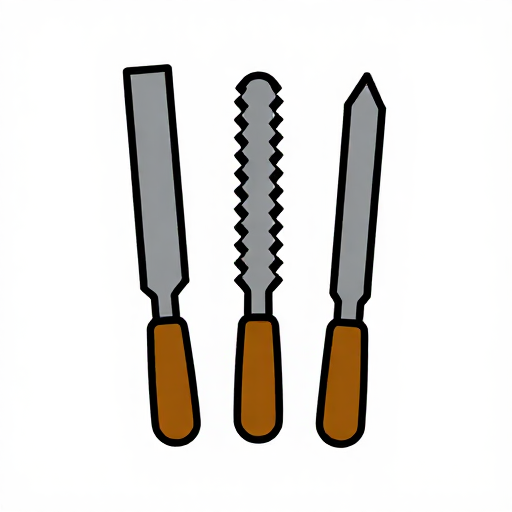 Þjalasett
Efni
4- 12 kgStaðgengill
- 1 stykkiStaðgengill
- 1 kgStaðgengill
- 50 kgStaðgengill
Efni úr tengdum teikningum
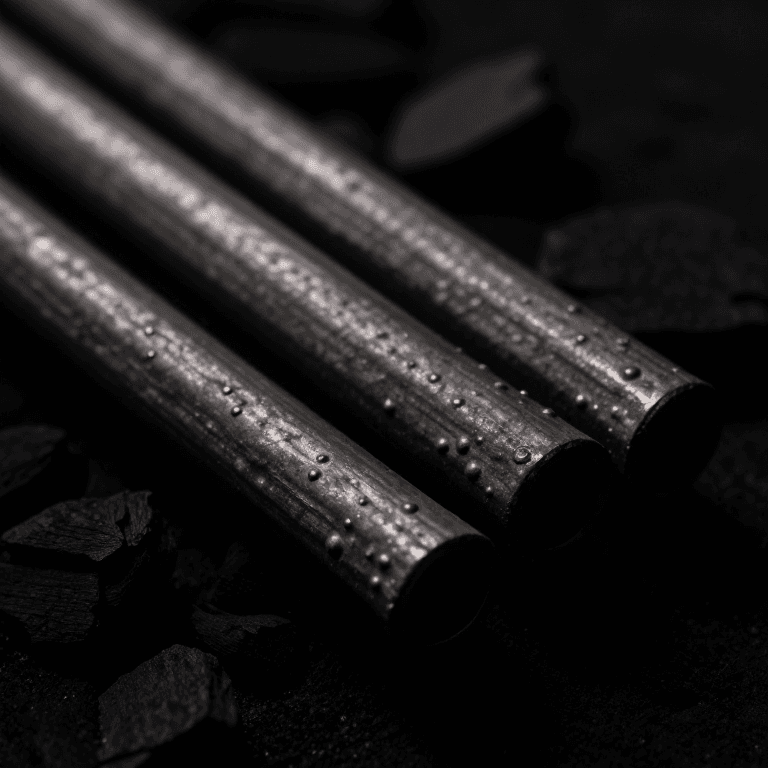
Þessi teikning býr til
Tengd Blueprint
Þessi blueprint deila þekkingu — tækni, efni eða meginreglur

CC0 opinbert ríki
Þessi teikning er gefin út undir CC0. Þér er frjálst að afrita, breyta, dreifa og nota þetta verk í hvaða tilgangi sem er, án þess að biðja um leyfi.
Studdu smiðinn með því að kaupa vörur í gegnum teikningu hans þar sem hann fær þóknun smiða sem seljendur ákvarða, eða búðu til nýja endurskoðun á þessari teikningu og tengdu hana sem tengingu í þinni eigin teikningu til að deila tekjum.