LIST
FEGURÐ OG VELLÍÐAN
HANDVERK
MENNING OG SAGA
SKEMMTUN
UMHVERFI
MATUR OG DRYKKUR
ÖFUGVERKFRÆÐI
VÍSINDI
ÍÞRÓTTIR
TÆKNI
KLÆÐANLEG TÆKNI
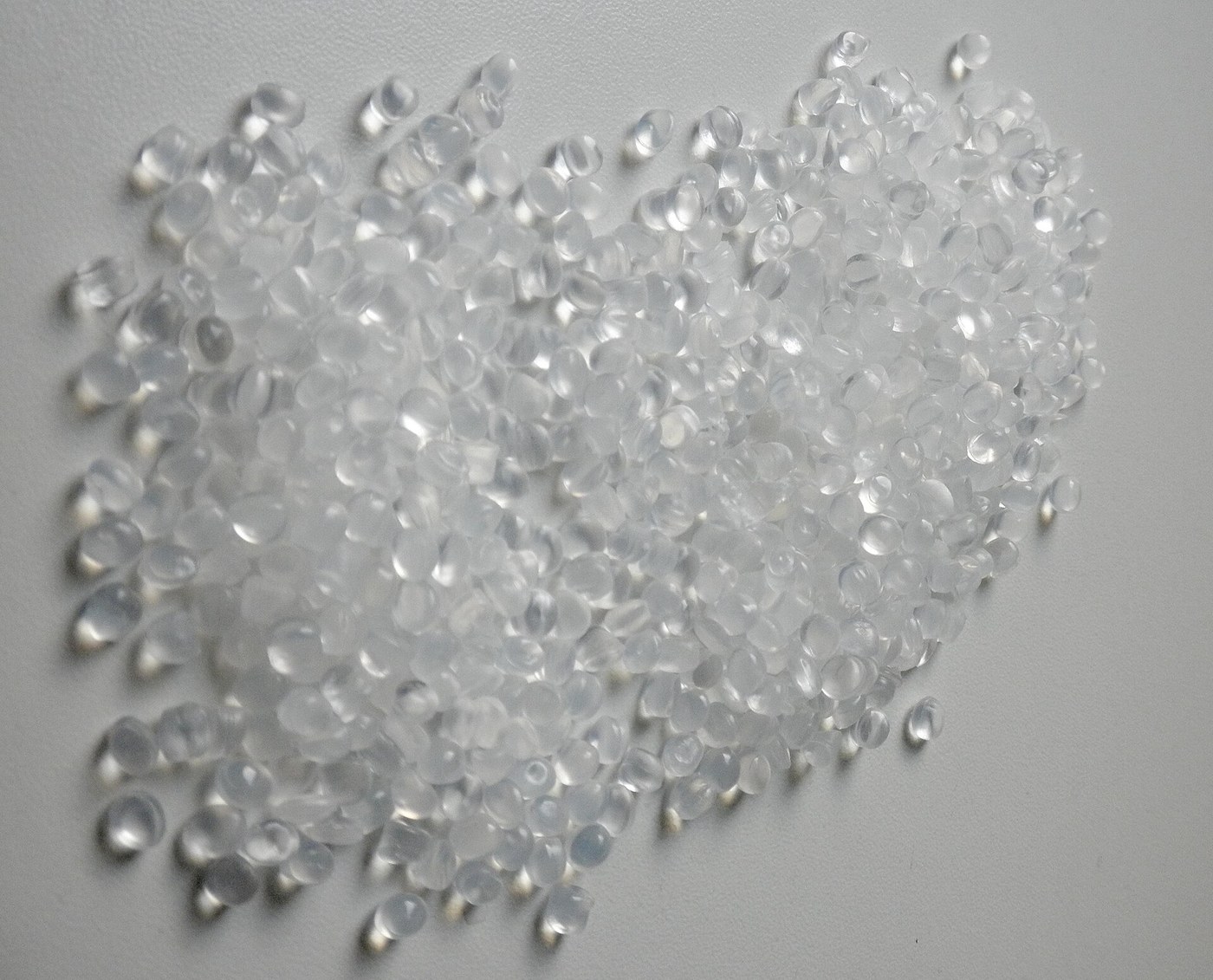


High-Pressure Polyethylene
In March 1933 Eric Fawcett and Reginald Gibson at ICI squeezed ethylene gas with benzaldehyde to about 1400 atmospheres and found a white waxy solid in the vessel. It could not be repeated reliably until 1935, when Michael Perrin's team traced the trick to a trace of oxygen that started the chains. The product was polyethylene - light, tough, a superb electrical insulator, and soon the cable insulation of wartime radar.
**US 2,153,553**, "Polymerization of olefins", Fawcett, Gibson and Perrin, assigned to Imperial Chemical Industries, granted 11. April 1939, claims "subjecting ethylene to a pressure above about 500 atmospheres and a temperature above about 100 C"; its example runs at 2000 atmospheres and 170 °C.
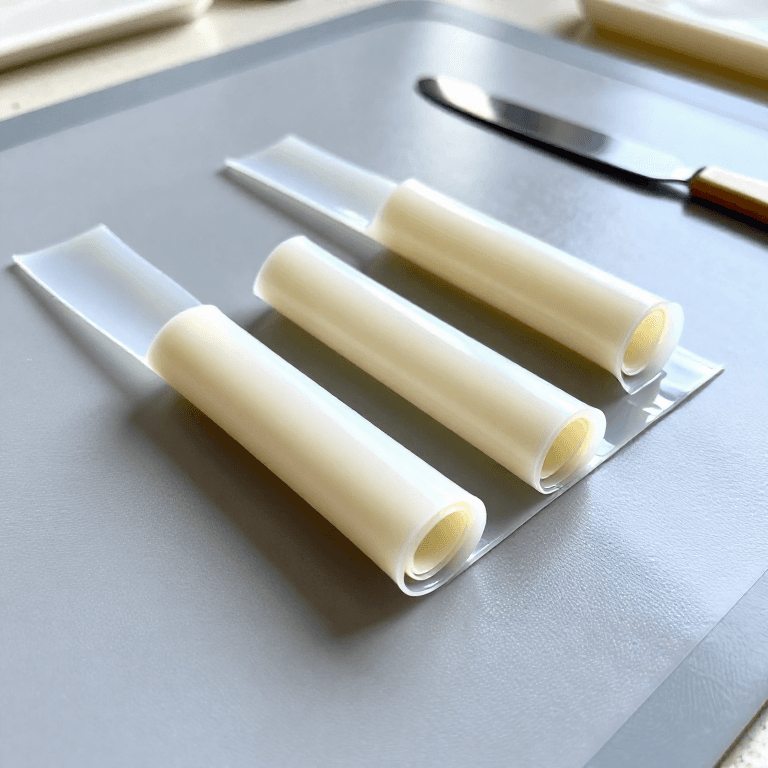
**Nobody reproduces 2000 atmospheres at home.** You work the polymer instead: fuse polyethylene bags into a tough sheet with an iron, then measure its density to tell high-pressure (branched, low-density) polyethylene from its later straight-chain sibling.
Byrjandi
90 minutes
Leiðbeiningar
1
1
Sort the bags
Sort the bags
Collect clean, dry carrier or produce bags marked LDPE (recycling code 4). Cut off handles and seams; open each into a flat sheet.
Efni fyrir þetta skref:
 Plastpokar8 stykki
Nauðsynleg verkfæri:
 Skæri
Skæri2
2
Stack between parchment
Stack between parchment
Stack 6 layers of bag film, printed side inward, between two sheets of baking parchment. The film must never touch the iron.
Nauðsynleg verkfæri:
 Bökunarpappír
3
3
Fuse with the iron
Fuse with the iron
Iron on a low-medium setting, no steam, moving constantly for 15 seconds. Ventilate. Too hot and it shrivels and smokes - lower the setting.
Nauðsynleg verkfæri:
 Gufustraujárn
 N95-öndunargríma
4
4
Flip, repeat, cool
Flip, repeat, cool
Flip and iron the other side. Peel the parchment once cool. Re-iron any bubbled patches. The layers are now one welded sheet.
Nauðsynleg verkfæri:
Gufustraujárn5
5
Pull-test both
Pull-test both
Cut 20 mm strips from the fused sheet and from a single bag layer. Clamp each in the vise and pull with the spring scale. Record the peak force.
Nauðsynleg verkfæri:
 Kraftmælir (gormvog)
 SkrúfstykkiSkæri
6
6
Float test
Float test
Pour 50 ml isopropyl alcohol into a beaker. Drop in a small chip of the sheet - it sinks. Add water 10 ml at a time, stirring, then 1 ml at a time once the chip starts to lift, until it hangs mid-liquid. Note the total water added.
Nauðsynleg verkfæri:
 Glerbikar
 Mæliglas
 Pípettu- og dropateljarasett
 Hrærusproti
 Ísóprópanól 99 %
7
7
Pressure, density, siblings
Pressure, density, siblings
Hleð Jupyter-vinnubók…
8
8
History & Context
History & Context
**What the patent specifies:** ethylene above about 500 atm and 100 °C (preferred 1000+ atm, 150–250 °C). **Modern build (derived):** post-consumer LDPE film, fused well below its decomposition temperature.
Low-pressure routes in the 1950s gave straight-chain, denser HDPE; both are still made in huge volumes because the branches that make LDPE weaker also make it softer and clearer. Limits: it creeps under load, softens around 100 °C, and burns.
Efni
1- 8 stykkiStaðgengill
Nauðsynleg verkfæri
11- Staðgengill
- Staðgengill
- Staðgengill
- Staðgengill
- Staðgengill
- Staðgengill
- Staðgengill
- Staðgengill
- Staðgengill
- Staðgengill
- Staðgengill
Tengd Blueprint
Þessi blueprint deila þekkingu — tækni, efni eða meginreglur

CC0 opinbert ríki
Þessi teikning er gefin út undir CC0. Þér er frjálst að afrita, breyta, dreifa og nota þetta verk í hvaða tilgangi sem er, án þess að biðja um leyfi.
Studdu smiðinn með því að kaupa vörur í gegnum teikningu hans þar sem hann fær þóknun smiða sem seljendur ákvarða, eða búðu til nýja endurskoðun á þessari teikningu og tengdu hana sem tengingu í þinni eigin teikningu til að deila tekjum.