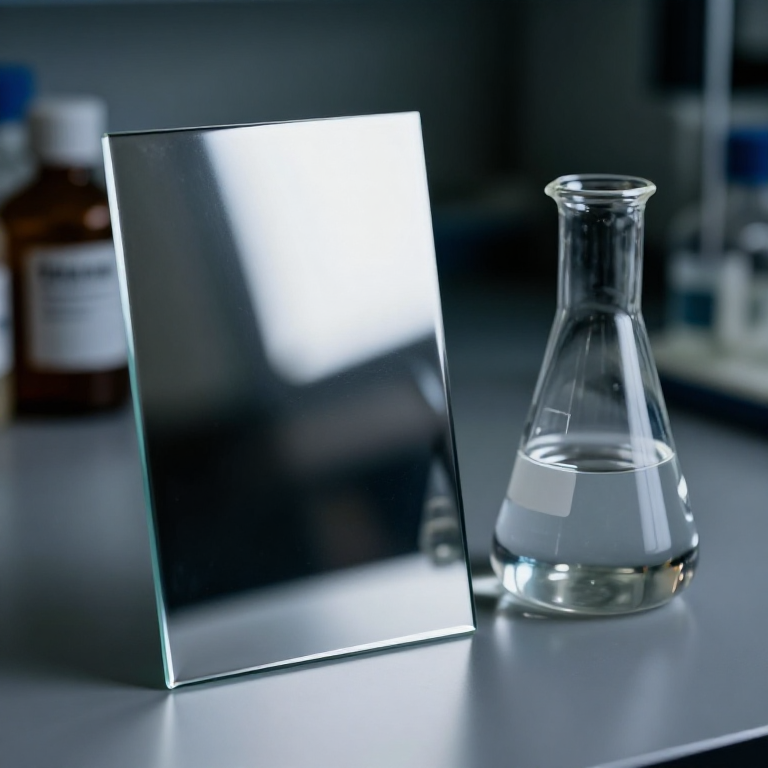


Making a Silver Mirror by the Liebig Process — Depositing Metallic Silver on Glass
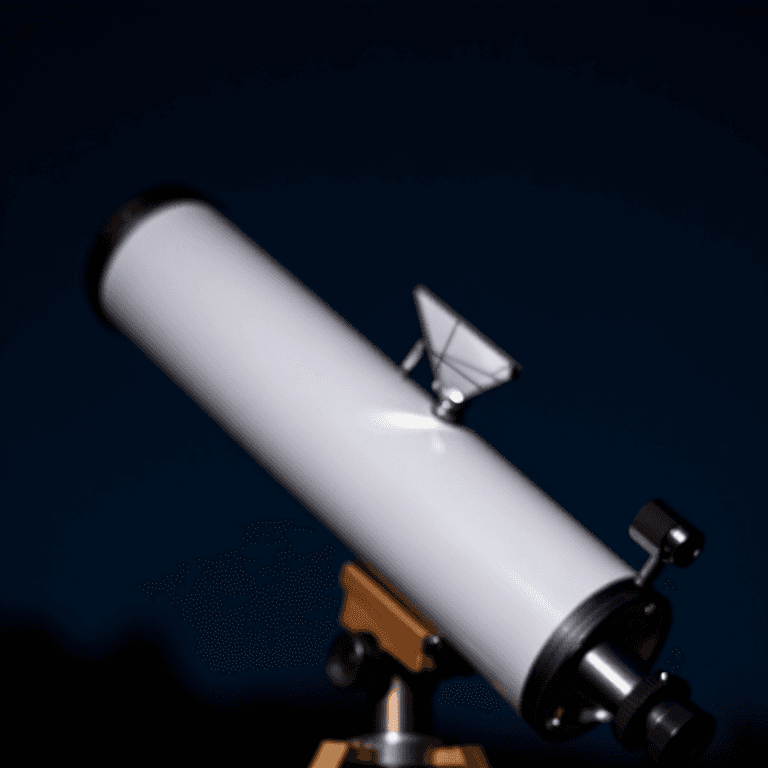
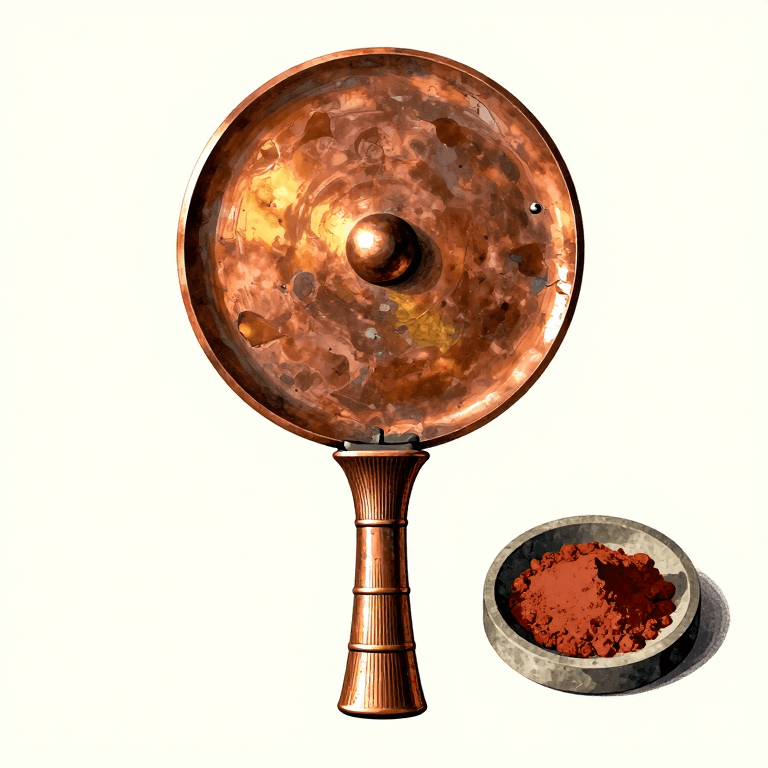
Before 1835, mirrors were made from polished metal — bronze, steel, or speculum alloy — which tarnished rapidly and reflected poorly compared to modern mirrors. The revolution came when Justus von Liebig developed a chemical process to deposit a thin, uniform layer of metallic silver directly onto a glass surface. The Liebig process uses the silver mirror reaction: silver nitrate is dissolved in ammonia to form diamminesilver(I) complex (Tollens' reagent), then a reducing sugar (glucose or formaldehyde) is added. The reducing agent donates electrons to the silver ions, which precipitate as metallic silver atoms that bond to the clean glass surface, building up an atomically smooth, highly reflective coating. The process works at room temperature and requires only simple chemicals. By the 1850s, Liebig's silvered glass mirrors had replaced speculum metal in telescopes — Léon Foucault used a silver-on-glass mirror in 1857 to build a reflecting telescope superior to anything made with speculum. Every household mirror, telescope mirror, and optical instrument mirror made between 1856 and the mid-20th century (when aluminium vacuum coating took over) used this process. This blueprint makes a silvered glass mirror using the Tollens' reagent method.
Hættulegt efni
Þessi teikning inniheldur hættulegar aðferðir. Skráðu þig inn og virkjaðu hættulegt efni í stillingum reikningsins til að sjá skref-fyrir-skref leiðbeiningar.
Skrá innÞessi teikning býr til


Tengd Blueprint
Þessi blueprint deila þekkingu — tækni, efni eða meginreglur


CC0 opinbert ríki
Þessi teikning er gefin út undir CC0. Þér er frjálst að afrita, breyta, dreifa og nota þetta verk í hvaða tilgangi sem er, án þess að biðja um leyfi.
Studdu smiðinn með því að kaupa vörur í gegnum teikningu hans þar sem hann fær þóknun smiða sem seljendur ákvarða, eða búðu til nýja endurskoðun á þessari teikningu og tengdu hana sem tengingu í þinni eigin teikningu til að deila tekjum.