LIST
FEGURÐ OG VELLÍÐAN
HANDVERK
MENNING OG SAGA
SKEMMTUN
UMHVERFI
MATUR OG DRYKKUR
ÖFUGVERKFRÆÐI
VÍSINDI
ÍÞRÓTTIR
TÆKNI
KLÆÐANLEG TÆKNI
Þýtt


Bruggun Metheglin Kryddmjöður — Miðalda-hunangsvín
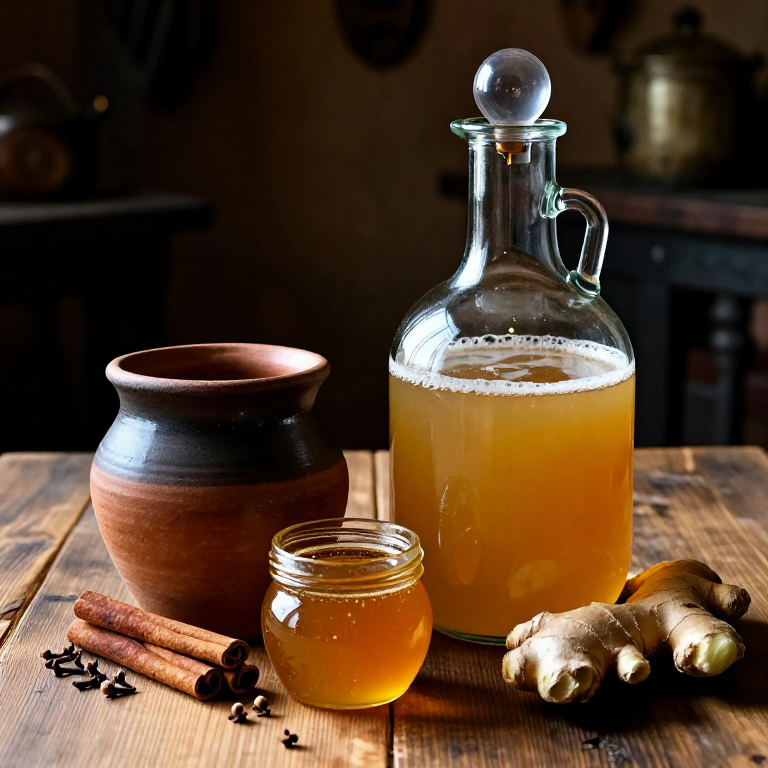
Metheglin er kryddað afbrigði af mjöði (hunangsvíni) með rætur í miðalda-welsíum hefðum — nafnið kemur úr welsíska orðinu meddyglyn, sem þýðir lækningardrykkur. Hann var búinn til með því að gerjast hunang og vatn með jurtum og kryddi sem talið var hafa lækningarmátt. Ólíkt mulsum (hunang blandað í þrúguvín) er mjöður eingöngu gerjaður úr hunangi. Þessi uppskrift fjallar um bruggun hefðbundinnar metheglin með kanil, negul og engifer.
Metheglin er ein elsta þekkta drykkjategundin í Evrópu — welsískar lögbækur frá 14. öld nefna mjöðgerðarmenn sem metna hirðarembættismenn, og uppskriftir þeirra voru vandlega varðveittar. Drykkurinn var jafnframt hátíðardrykkur við konungslegar veislur í Wales og Englandi í gegnum aldir.
Miðlungs
120–180 mínútur virk vinna, 4–8 vikna gerjun
Leiðbeiningar
1
1
Undirbúa Mustið
Undirbúa Mustið
Hitaðu 2 lítra af vatni í um 40 gráður Celsíus (volgt en ekki heitt — of mikill hiti eyðileggur fínar ilmefnasameindir hunangssins og getur brúnað sykurinn). Bættu hunangi við og hrærðu þar til það leysist fullkomlega upp. Bættu síðan við 2 lítrum af köldu vatni til að hafa heildarrúmmálið um 4,5 lítra. Hunangslegar blandan sem til verður (mustið) á að hafa sértækt þyngdarhlutfall um 1,110–1,120, sem gefur mjöð með um 12–14 prósent áfengi eftir gerjun. Miðalda-mjöðgerðarmenn gerilsneyddu mustið sitt ekki — villtur ger í hráu hunangi stuðlaði að gerjuninni. Til að tryggja áreiðanlegar niðurstæður bætir nútímabúnaður við ræktaðri vínger.
Efni fyrir þetta skref:
 Hunang1.5 kg kg
 Vatn4 litres lítri
Nauðsynleg verkfæri:
 Stór pottur
2
2
Bæta Kryddi Við
Bæta Kryddi Við
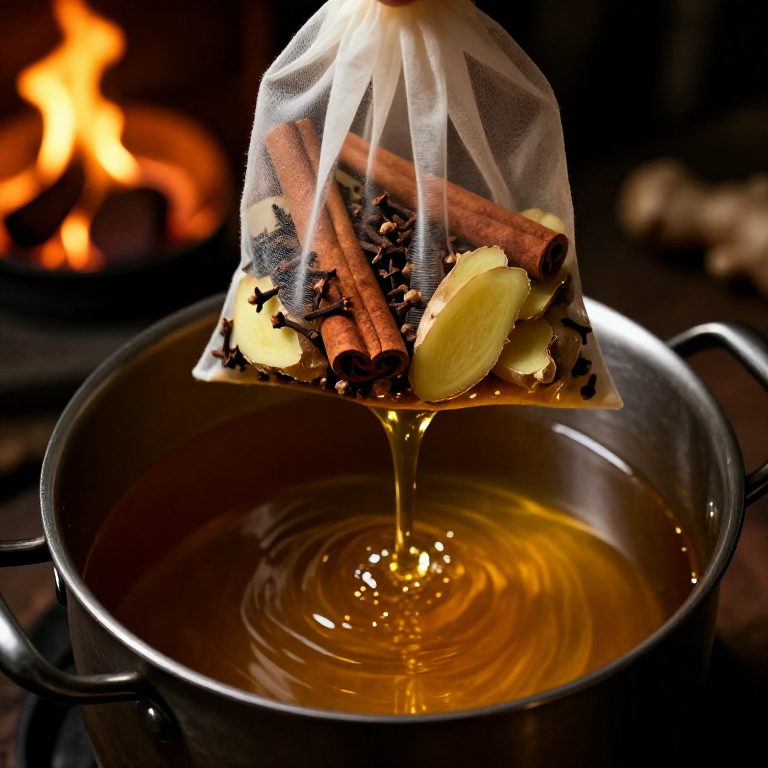
Settu kanilstengurnar, heila negulnagla og sneiddur engifer í lítinn muslinpoka eða ostadúkspoka bundinn með band (kryddpoki). Sökktu þessum poka í mustið. Hægt er að bæta kryddinu beint við, en poki gerir það auðveldara að fjarlægja það þegar viðeigandi bragðstyrkleiki er náður. Uppskriftir af miðalda-metheglin voru mjög fjölbreyttar — welsísku lögbækurnar frá 14. öld (Lög Hywel Dda) nefna mjöðgerðarmenn sem metna hirðarembættismenn og uppskriftir þeirra voru vandlega varðveittar. Algeng krydd í metheglin voru kanil, engifer, negull, múskat, rósmarín og ýmsar lækningajurtir. Byrjaðu með hóflegt magn — kryddbragðið eykst á meðan á vikna gerjun og þroskun stendur.
Efni fyrir þetta skref:
 Kanilstangir2 sticks stykki
 Negull4-6 cloves stykki
 Engifer15-20 grams g
Nauðsynleg verkfæri:
 Klútur (til síunar)
3
3
Setja Ger Og Byrja Gerjun
Setja Ger Og Byrja Gerjun
Kældu mustið niður í um 20–22 gráður Celsíus. Færðu yfir í sótthreinsað gerjunarílát. Bættu við næringu fyrir ger ef þú notar hana — hunang er fátækt af næringarefnum miðað við þrúgusafa, og gerjun getur stöðvast án viðbótarköfnunarefnis. Miðalda-mjöðgerðarmenn létu næringu ómeðvitað fylgja gegnum óhreinindi í hráu hunangi og aukefni eins og ávexti eða korn. Stráðu gerinu yfir yfirborð mustsins og festu loftlás. Gerjun á að hefjast innan 24–48 klukkustunda. Mjöður gerjast hægar en bjór eða vín vegna hás sykurþéttni og lítils næringarinnihald — bústu við virkri gerjun í 2–4 vikur.
Efni fyrir þetta skref:
 Víngerðarger1 packet (5g) packet
 Gernæring1 teaspoon tsp
Nauðsynleg verkfæri:
 Gerjunarílát (glerbrúsi)
 Star San-sótthreinsir
4
4
Flytja Yfir Og Fjarlægja Krydd
Flytja Yfir Og Fjarlægja Krydd
Eftir 2–3 vikur, þegar virk loftbólumyndun hefur minnkað verulega, smakkaðu mjöðinn til að meta kryddstyrk. Ef kryddþéttni er fullnægjandi, fjarlægðu kryddpokann. Ef þörf er á meiri tíma, láttu kryddið sitja í eina viku til viðbótar. Dragðu (flytjðu yfir) hinn tæra mjöð af botnfallinu (bergi) í botni gerjunarílátsin yfir í hreint sekundærílát með pípusprautu, skildu eftir gerseti. Þessi yfirflutningur skýrir mjöðinn og skilur hann frá dauðum gerfrumum sem geta framleitt óæskileg bragðefni. Festu loftlásinn aftur og leyfðu mjöðnum að þroskast í sekundárílatinu í 4–8 vikur til viðbótar.
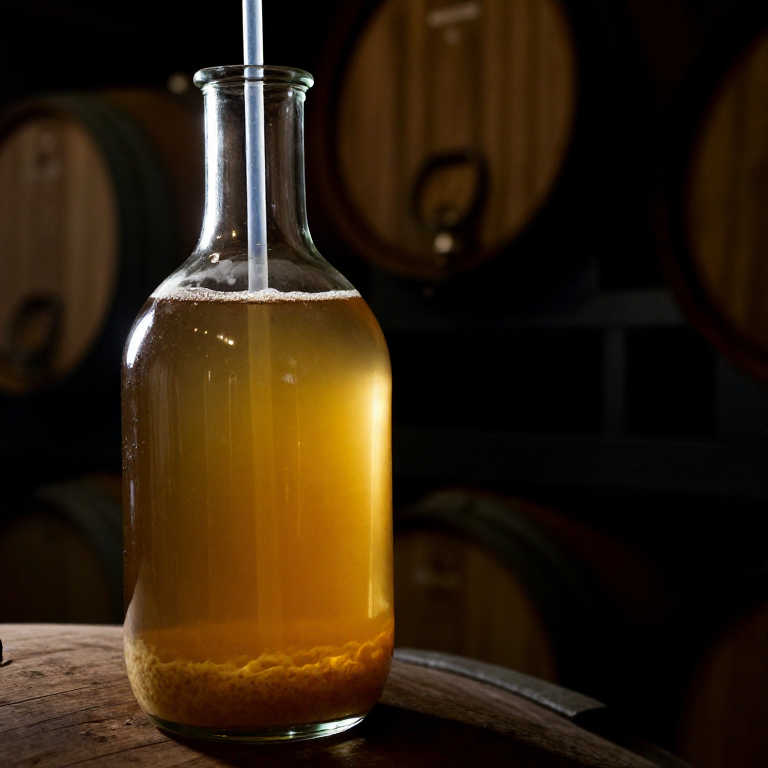
Nauðsynleg verkfæri:
 Sjálfvirk sogslanga
5
5
Setja Á Flöskur Og Þroska
Setja Á Flöskur Og Þroska
Þegar mjöðurinn er tær og framleiðir ekki lengur loftbólur er hann tilbúinn til flöskunar. Dragðu yfir í hreinar flöskur með pípusprautu og skildu eftir sem minnst botnfall. Korkaðu eða lokaðu flöskunum. Metheglin nýtur gríðarlegra góðgæða af þroskun — þó drykkjanlegt strax blandast bragðið saman og mjúknar á 3–6 mánuðum, og framúrskarandi metheglin heldur áfram að batna í 1–2 ár. Geymdu flöskurnar á köldum, dökum stað á hliðinni (ef korkað). Fullunninn metheglin á að vera tær gulleitgular-ámberlitur vökvi með flókið bragðsnið — sætleiki hunangssins í jafnvægi við hlýju engifers, dýpt kanils og ilmræna bit negulsins.
Nauðsynleg verkfæri:
 Rafgular bjórflöskur
Efni
9- 1.5 kg kgStaðgengill
- 4 litres lítriStaðgengill
- 2 sticks stykkiStaðgengill
- 4-6 cloves stykkiStaðgengill
- 15-20 grams gStaðgengill
- 1 packet (5g) packetStaðgengill
- 1 teaspoon tspStaðgengill
- 4-6 cloves stykkiStaðgengill
- 15-20 grams stykkiStaðgengill
Nauðsynleg verkfæri
10- Staðgengill
- Staðgengill
- Staðgengill
- Staðgengill
- Staðgengill
- Staðgengill
- Staðgengill
- Staðgengill
- Staðgengill
- Staðgengill
Þessi teikning býr til

CC0 opinbert ríki
Þessi teikning er gefin út undir CC0. Þér er frjálst að afrita, breyta, dreifa og nota þetta verk í hvaða tilgangi sem er, án þess að biðja um leyfi.
Studdu smiðinn með því að kaupa vörur í gegnum teikningu hans þar sem hann fær þóknun smiða sem seljendur ákvarða, eða búðu til nýja endurskoðun á þessari teikningu og tengdu hana sem tengingu í þinni eigin teikningu til að deila tekjum.