LIST
FEGURÐ OG VELLÍÐAN
HANDVERK
MENNING OG SAGA
SKEMMTUN
UMHVERFI
MATUR OG DRYKKUR
ÖFUGVERKFRÆÐI
VÍSINDI
ÍÞRÓTTIR
TÆKNI
KLÆÐANLEG TÆKNI


Polypropylene Pellets by Bulk Polymerisation in Liquid Propylene
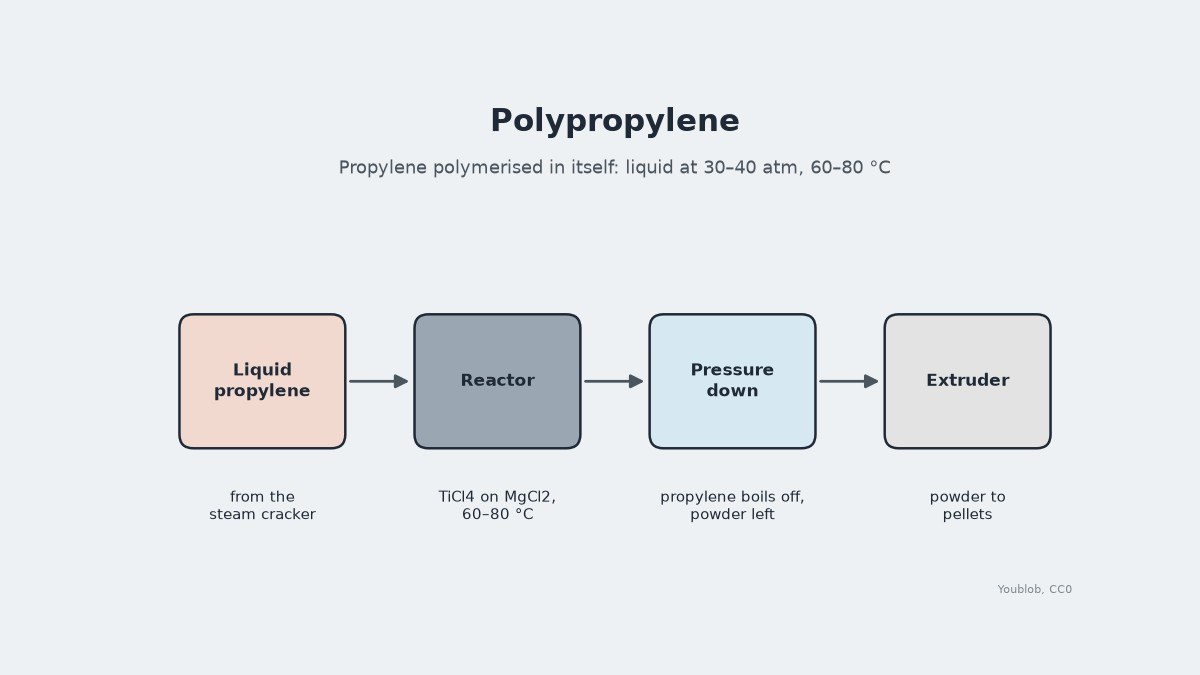
Polypropylene is propylene strung into long chains. In the bulk process the propylene itself is the liquid: kept liquid at 30–40 atm, it polymerises at 60–80 °C on a catalyst of titanium tetrachloride on magnesium chloride. Letting the pressure down boils off the unreacted propylene and leaves a powder, which is extruded into pellets. Natta found the regular (isotactic) form in 1954.
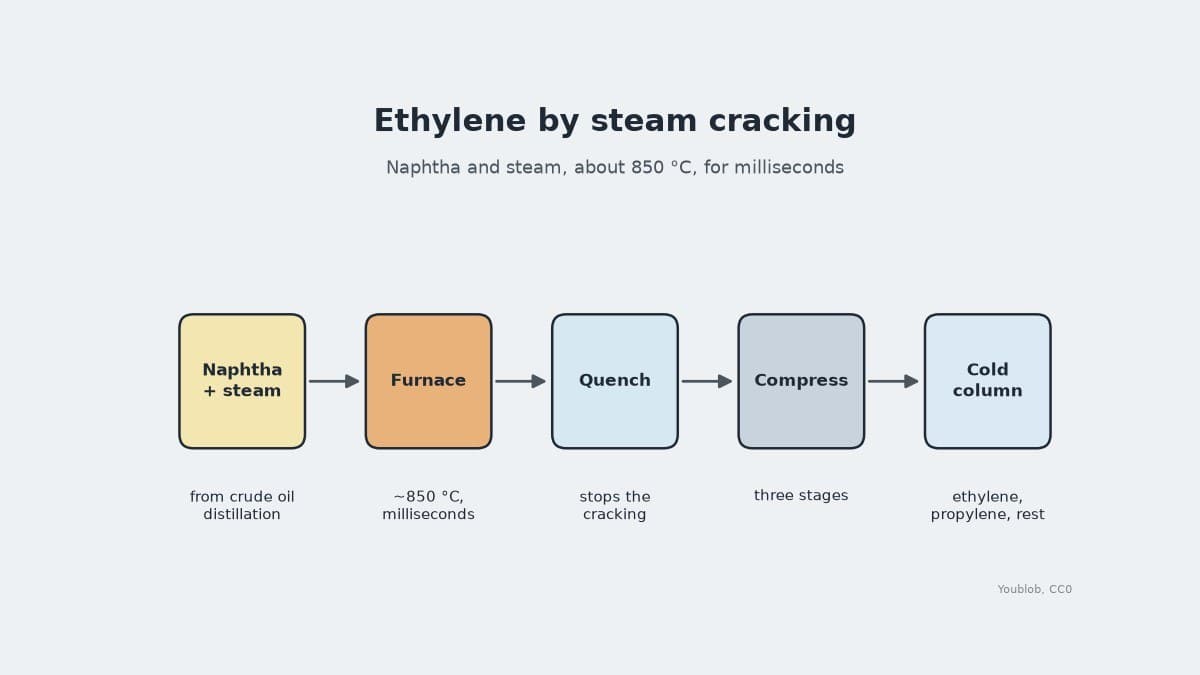
The picture: our diagram of reactor, flash and pelletiser.
Lengra kominn
Continuous
Leiðbeiningar
1
1
Polymerise in liquid propylene
Polymerise in liquid propylene
Feed propylene and the TiCl4-on-MgCl2 catalyst into the reactor. Hold it at 30–40 atm so the propylene stays liquid, at 60–80 °C.
Efni fyrir þetta skref:
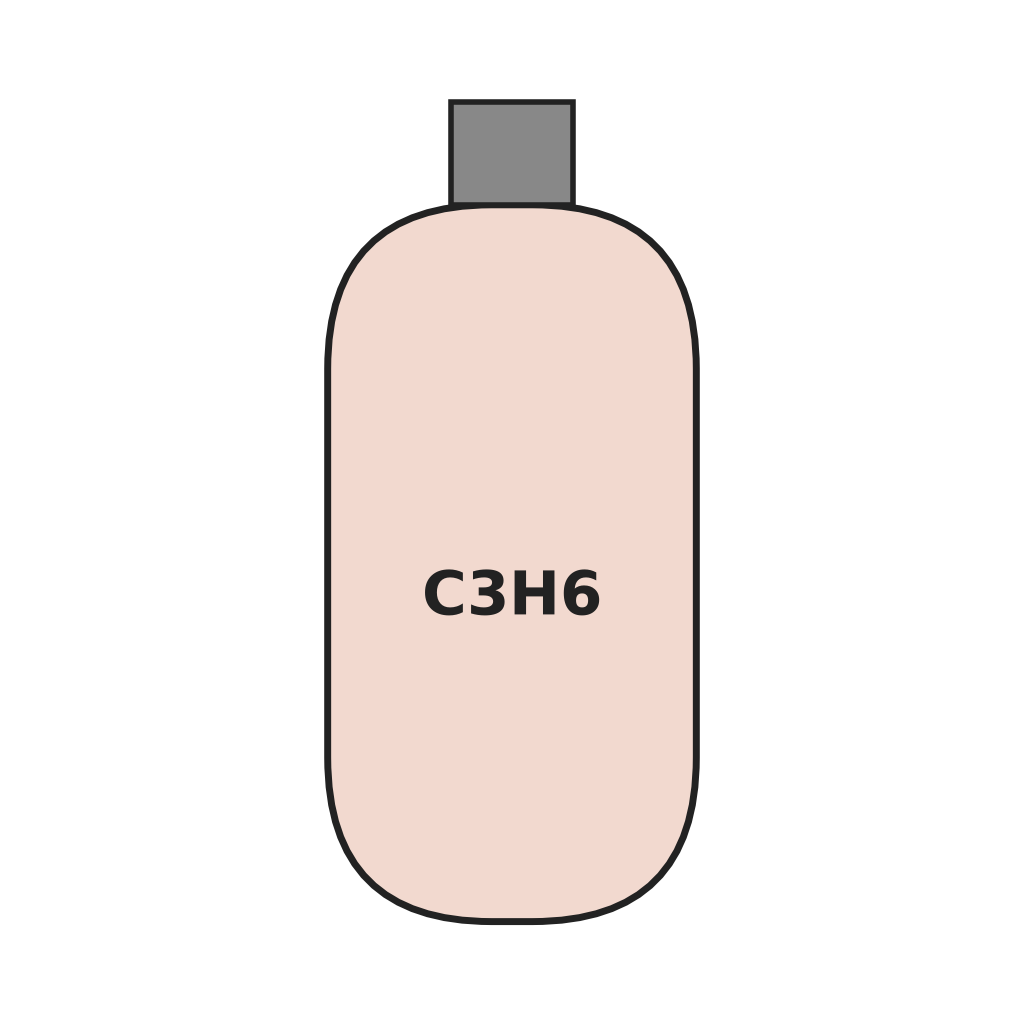 Própýlen1 t
Nauðsynleg verkfæri:
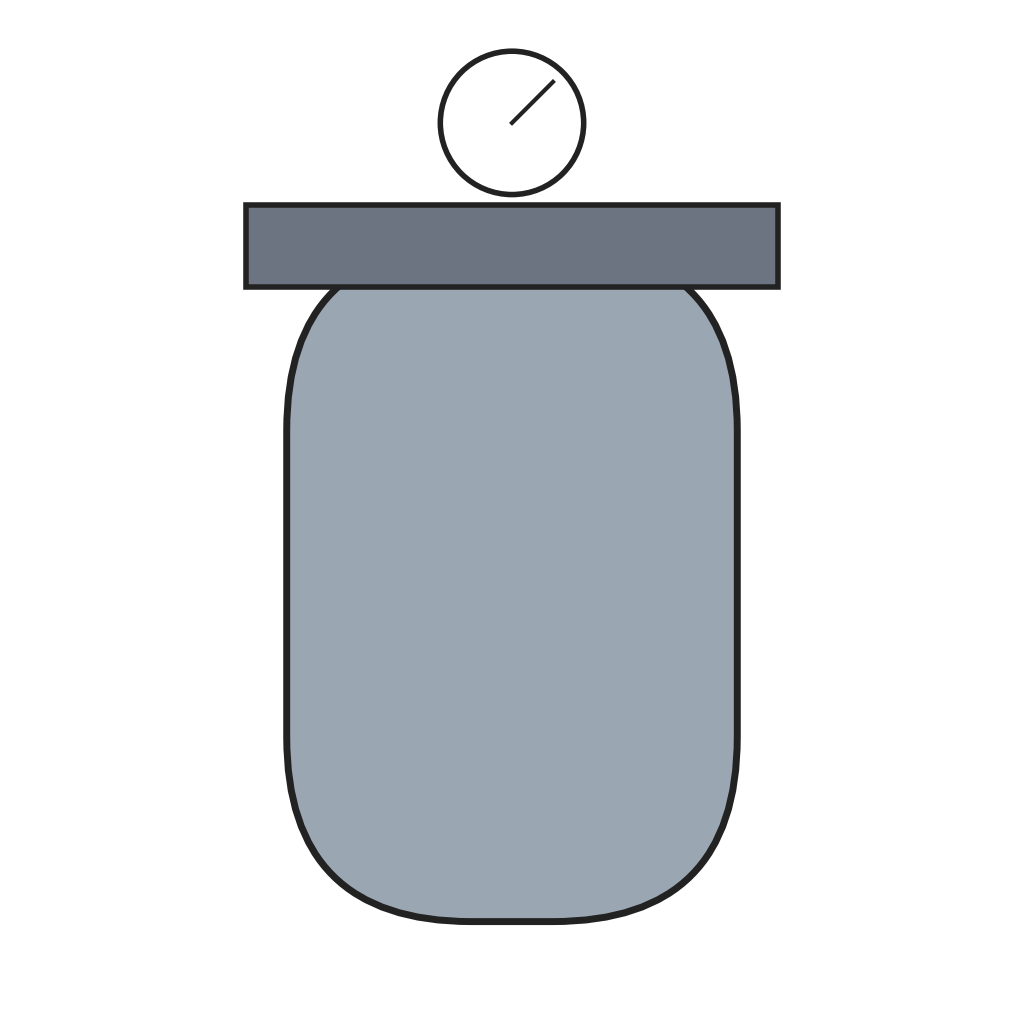 Þrýstihvarfaker
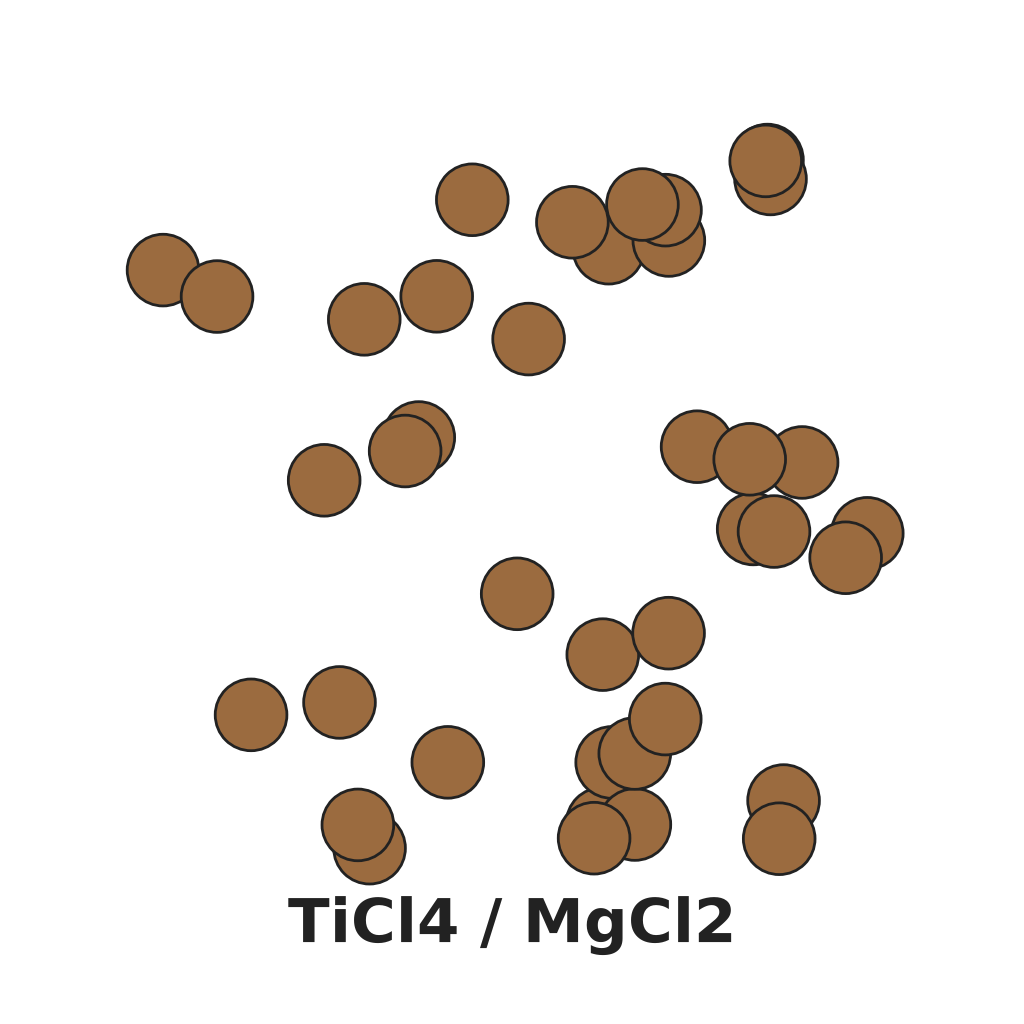 Ziegler-Natta-hvati (TiCl4 á MgCl2)
 Gasþjappa
2
2
Let the pressure down
Let the pressure down
Release the pressure: the unreacted propylene boils off and the polymer is left as a fine powder. Compress the propylene and return it.
Nauðsynleg verkfæri:
Gasþjappa3
3
Pelletise
Pelletise
Melt the powder in the extruder, with any additives the grade needs, and cut the strand into pellets.
Nauðsynleg verkfæri:
 Plastþrýstivél
4
4
Pressure units
Pressure units
Hleð Jupyter-vinnubók…
Nauðsynleg verkfæri
4- Staðgengill
- Staðgengill
- Staðgengill
- Staðgengill
Þessi teikning býr til

Tengd Blueprint
Þessi blueprint deila þekkingu — tækni, efni eða meginreglur
CC0 opinbert ríki
Þessi teikning er gefin út undir CC0. Þér er frjálst að afrita, breyta, dreifa og nota þetta verk í hvaða tilgangi sem er, án þess að biðja um leyfi.
Studdu smiðinn með því að kaupa vörur í gegnum teikningu hans þar sem hann fær þóknun smiða sem seljendur ákvarða, eða búðu til nýja endurskoðun á þessari teikningu og tengdu hana sem tengingu í þinni eigin teikningu til að deila tekjum.