LIST
FEGURÐ OG VELLÍÐAN
HANDVERK
MENNING OG SAGA
SKEMMTUN
UMHVERFI
MATUR OG DRYKKUR
ÖFUGVERKFRÆÐI
VÍSINDI
ÍÞRÓTTIR
TÆKNI
KLÆÐANLEG TÆKNI
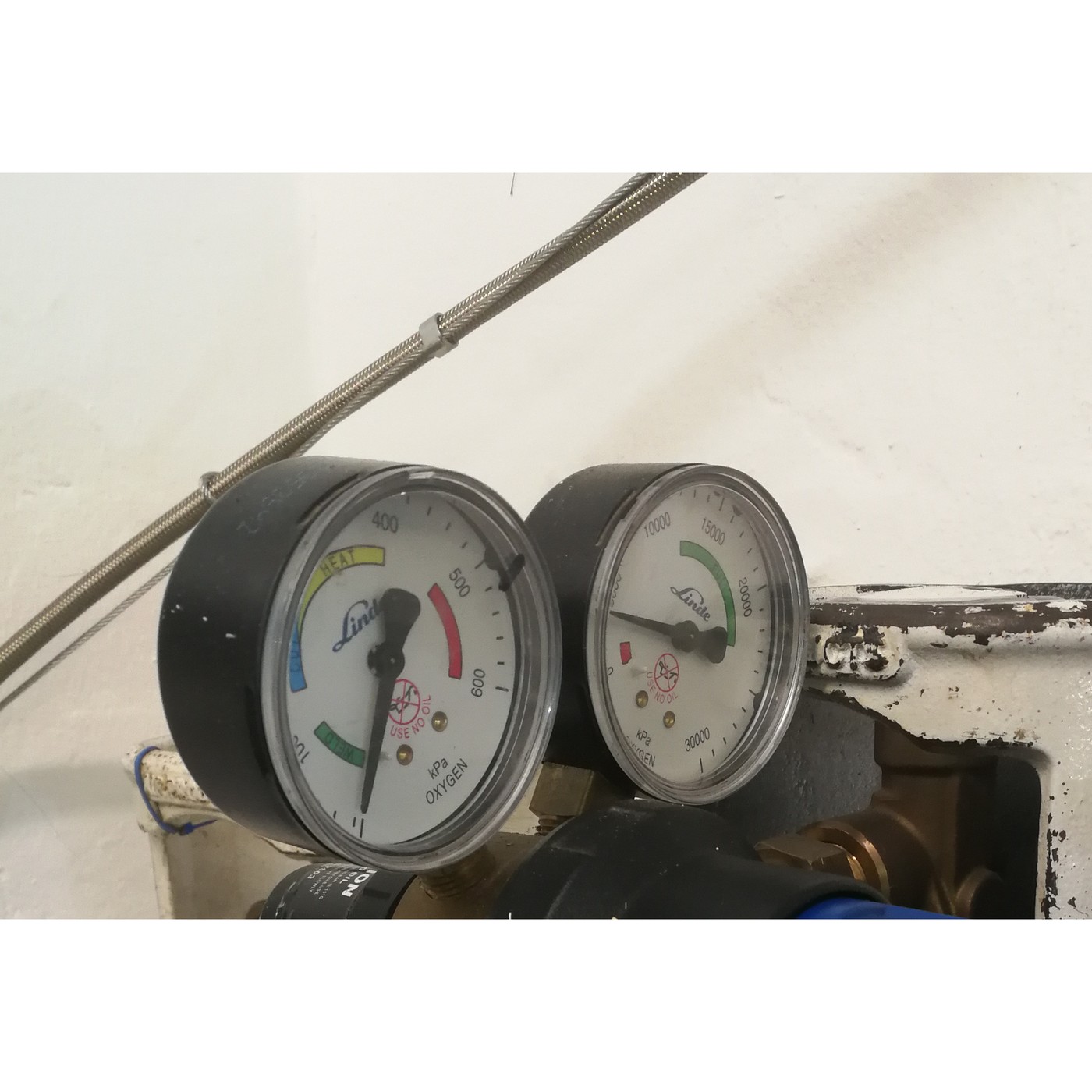


Holding a Pressure: The Reducing Regulator
A cylinder of gas starts at two hundred bar and your torch wants two. A mains supply varies all day and your instrument wants one figure. In both cases you need a valve that watches its own outlet and adjusts itself — a device where the thing being controlled is also the control signal.
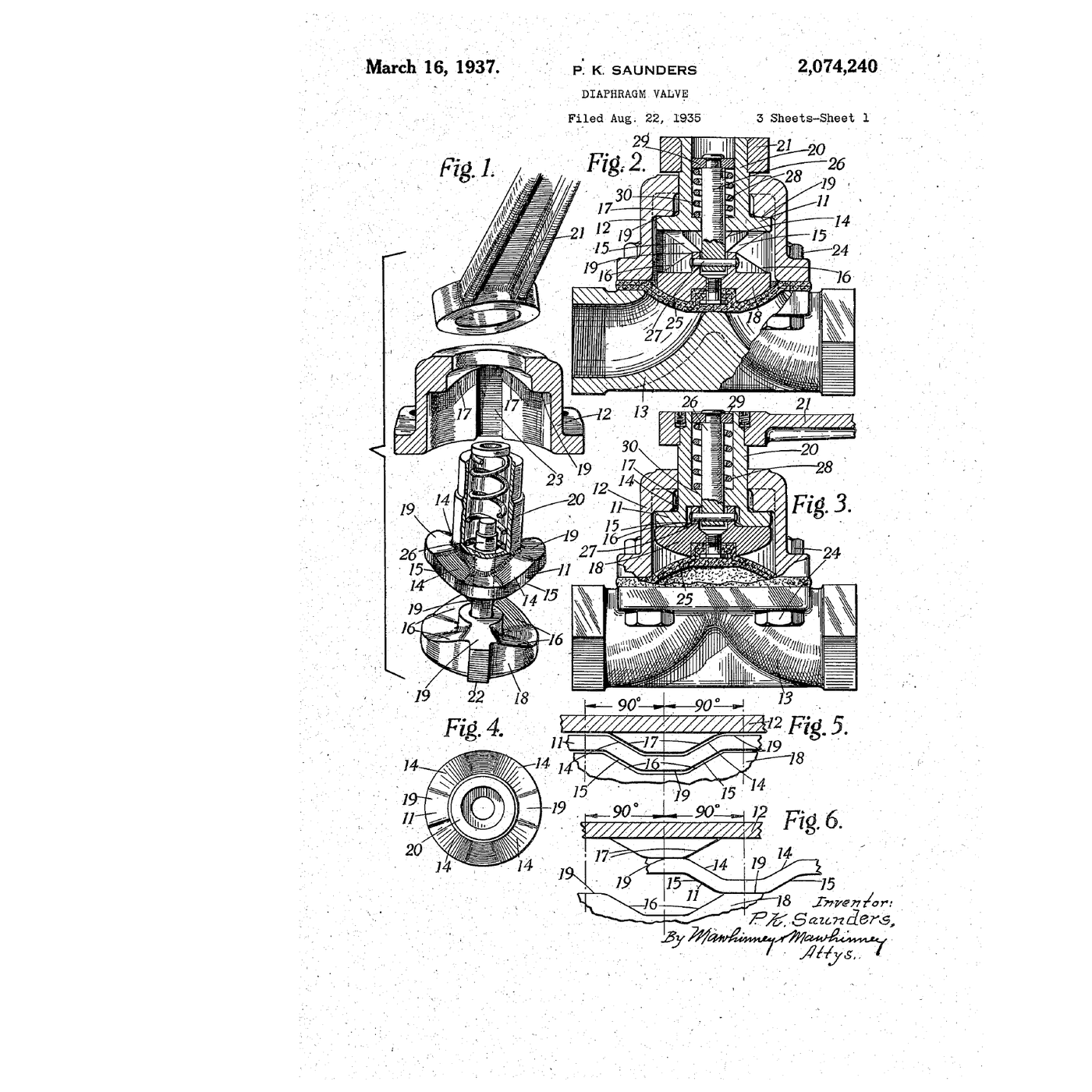
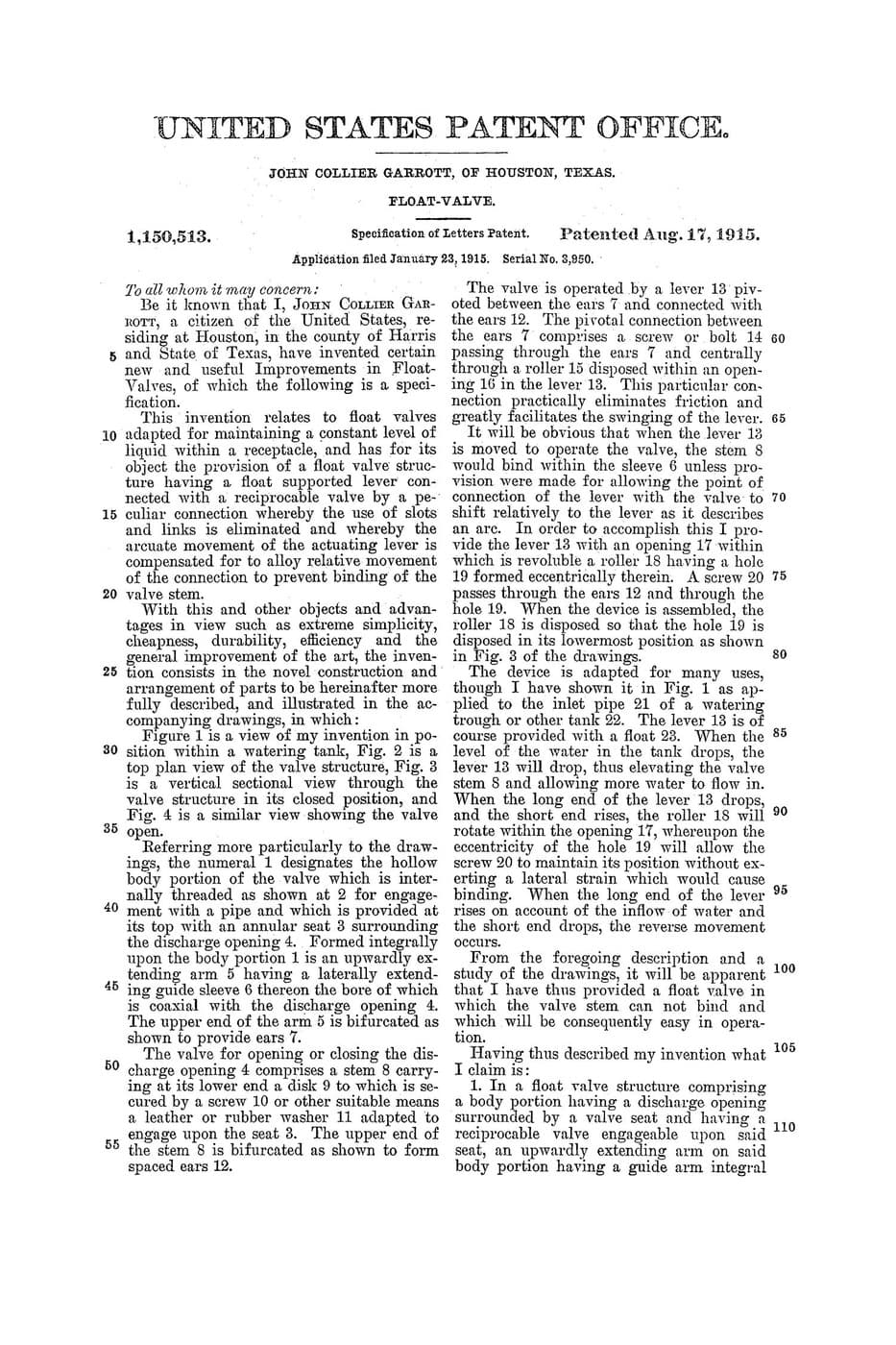
The mechanism is a **spring arguing with a diaphragm**. Outlet pressure pushes up on the diaphragm, the spring pushes down, and the valve opens by however much the spring wins. It is the same self-acting idea as the float valve and the safety valve already in the catalogue, arranged to hold a pressure rather than a level or a limit.
Everything that is hard about regulators follows from one line of arithmetic: to pass more flow the valve must open further, which uncompresses the spring, which lowers the pressure it can hold. That sag is called **droop**, and it is not a defect — it is the equation.
Miðlungs
About 3 hours
Leiðbeiningar
1
1
Open a regulator and find the four parts
Open a regulator and find the four parts
Work on a regulator that is **off any cylinder and fully vented**. A scrap or hardware-shop gas regulator is ideal; the photograph on this page is a two-gauge industrial one.
Undo the spring bonnet — the part the adjusting knob screws into — and lay it out. There are only four functional parts and everything else is plumbing:
1. **The diaphragm.** A large flexible disc. Measure it: it will be surprisingly big compared with the tiny passage it controls, and step 4 says why.
2. **The range spring.** Under the adjusting knob, pressing on the diaphragm's top face. Note that turning the knob **in** raises the outlet pressure by compressing this spring further.
3. **The seat and plug.** A small orifice with a soft plug, linked to the diaphragm, usually through a pin or a lever.
4. **The plug spring.** A much lighter spring holding the plug closed when the diaphragm is not pushing.
Now trace the feedback by hand. Push the diaphragm down: the valve opens. Let go: it closes. Now see the loop — **outlet pressure** lifts the diaphragm, which **closes** the valve, which **lowers** the outlet pressure. Negative feedback, mechanical, no power supply.
Look for the **vent hole** in the bonnet. It has to be there so the top of the diaphragm stays at atmospheric; a blocked vent turns the regulator into a device that does nothing, and a vent pointed at your face is how you get hurt if the diaphragm splits.
Nauðsynleg verkfæri:
 Þrýstiminnkandi stillir
 Fastlyklasett
 Skiptilykill
 Skrúfjárnasett
 Stafrænn skífmælir 6 tommur
 Stafræn smásjá
 Skrúfstykki
 Tær öryggisgleraugu
2
2
Measure droop on a water bench
Measure droop on a water bench
Droop is easiest to see on **water**, safely and at low pressure, and the behaviour is the same as on gas.
Put a water pressure regulator — the kind sold for caravans, garden irrigation or espresso — in a line with a gauge after it and an adjustable valve as the load.
With the load valve **shut**, note the outlet pressure. This is the **lock-up** pressure, and it is the highest reading you will see.
Now open the load valve in steps, and at each step record **flow** and **outlet pressure**. Plot one against the other.
The line sags. At full flow the outlet may be twenty or thirty per cent below lock-up, and that fall is droop. Nothing is broken.
Two more things to measure while you are set up:
- **Hysteresis.** Come back down through the same flow steps and plot again. The two curves do not lie on top of each other, because of friction in the stem and the diaphragm's own stiffness. The gap between them is the regulator's repeatability, and it is usually worse than its droop.
- **Lock-up creep.** Shut the load and leave it for ten minutes. If the outlet keeps climbing, the seat is not sealing — a scratched or dirty seat, which is the commonest regulator fault and the dangerous one, because a regulator that creeps will eventually deliver full inlet pressure to whatever is downstream.
Nauðsynleg verkfæri:
Þrýstiminnkandi stillir Þrýstimælir
 Kúluhúsloki
 Sílíkonslanga
 Fata
Fata Mæliglas
 Skeiðklukka
 Nítrílhanskar
3
3
Change the spring, and change the droop
Change the spring, and change the droop
Step 4's arithmetic says droop depends on the **spring**, not the diaphragm. Test it.
Most regulators accept different range springs, and a cheap one can be fitted with springs salvaged from elsewhere provided they fit the bore and the pressure stays low. Swap in a **softer** spring and re-set the same outlet pressure by screwing the knob further in.
Repeat step 2's flow-against-pressure plot. The curve should be **flatter** — same set point, less droop — because the lift now uses a smaller fraction of a longer compression.
Then reason about the other lever. A soft spring set to a high pressure needs a lot of compression, and eventually runs out of travel or coils bind. The way round that is a **bigger diaphragm**: more area means less force is needed for the same pressure, so the spring can be softer still.
That is why an accurate regulator is physically large for its duty and a compact one is always mediocre. It is not build quality; it is geometry, and you can see it by comparing the diaphragm diameters of a cheap regulator and a laboratory one side by side.
Never fit a spring that lets the outlet exceed the rating of anything downstream, never test a gas regulator with gas on a bench, and treat any regulator that has been apart as uncertified until it has been leak-tested with soapy water at working pressure.
Nauðsynleg verkfæri:
Þrýstiminnkandi stillirÞrýstimælirFastlyklasettSkrúfjárnasettStafrænn skífmælir 6 tommur Stafræn vogTær öryggisglerauguNítrílhanskar
4
4
The force balance, droop, and why two stages
The force balance, droop, and why two stages
Hleð Jupyter-vinnubók…
5
5
History and context
History and context
**Attribution, stated honestly.** No single patent is claimed for the reducing regulator and none should be. The self-acting principle is old — Papin's safety valve of 1679, already in the catalogue, is a spring balanced against a pressure, and the reducing regulator is that idea turned round to hold a pressure rather than cap it. Regulators proliferate through the nineteenth century with town gas and steam, and there are hundreds of filings on particular arrangements; naming one as the origin would be inventing a history.
**The pattern this rung belongs to.** A regulator is a **negative feedback loop built out of metal**: the controlled quantity acts mechanically to oppose its own change. The catalogue holds several relatives — the float valve holding a level, the centrifugal governor holding a speed, the thermostat holding a temperature, the check valve deciding direction. All of them work without power, none of them is instrumented, and all of them fail quietly.
**Droop is a feature of the arrangement, not of the build.** That is the most useful thing in this rung, because it changes what you do about it. You cannot buy your way out of droop with a better-made single-stage regulator; you buy your way out with a **larger diaphragm and a softer spring**, or with a **pilot** — a small regulator that controls the loading pressure on a big one, which is how large gas regulators achieve almost no droop at all.
**Two stages, and why they cost what they do.** Step 4's last table shows a single-stage regulator's outlet creeping up as its supply cylinder empties, because inlet pressure acts on the plug. A second stage sees a nearly constant inlet and can therefore be soft, large and accurate. Welding sets, diving regulators and laboratory gas lines are two-stage for this reason.
**Honest limits, and a safety one.** Everything measurable here was measured on water. Gas regulators handle stored energy of a completely different order — a 200 bar cylinder is a serious hazard and its regulator is a safety component, not a convenience. Do not experiment on one, do not fit a spring you have not checked against the downstream rating, and do not leave a regulator that creeps at lock-up in service. Oxygen service adds a further rule that has nothing to do with pressure: hydrocarbon contamination in an oxygen regulator can ignite, so those components are specially cleaned and must never be oiled.
Nauðsynleg verkfæri
16- Staðgengill
- Staðgengill
- Staðgengill
- Staðgengill
- Staðgengill
- Staðgengill
- Staðgengill
- Staðgengill
- Staðgengill
- Staðgengill
- Staðgengill
- Staðgengill
- Staðgengill
- Staðgengill
- Staðgengill
- Staðgengill
Tengd Blueprint
Þessi blueprint deila þekkingu — tækni, efni eða meginreglur


CC0 opinbert ríki
Þessi teikning er gefin út undir CC0. Þér er frjálst að afrita, breyta, dreifa og nota þetta verk í hvaða tilgangi sem er, án þess að biðja um leyfi.
Studdu smiðinn með því að kaupa vörur í gegnum teikningu hans þar sem hann fær þóknun smiða sem seljendur ákvarða, eða búðu til nýja endurskoðun á þessari teikningu og tengdu hana sem tengingu í þinni eigin teikningu til að deila tekjum.