LIST
FEGURÐ OG VELLÍÐAN
HANDVERK
MENNING OG SAGA
SKEMMTUN
UMHVERFI
MATUR OG DRYKKUR
ÖFUGVERKFRÆÐI
VÍSINDI
ÍÞRÓTTIR
TÆKNI
KLÆÐANLEG TÆKNI
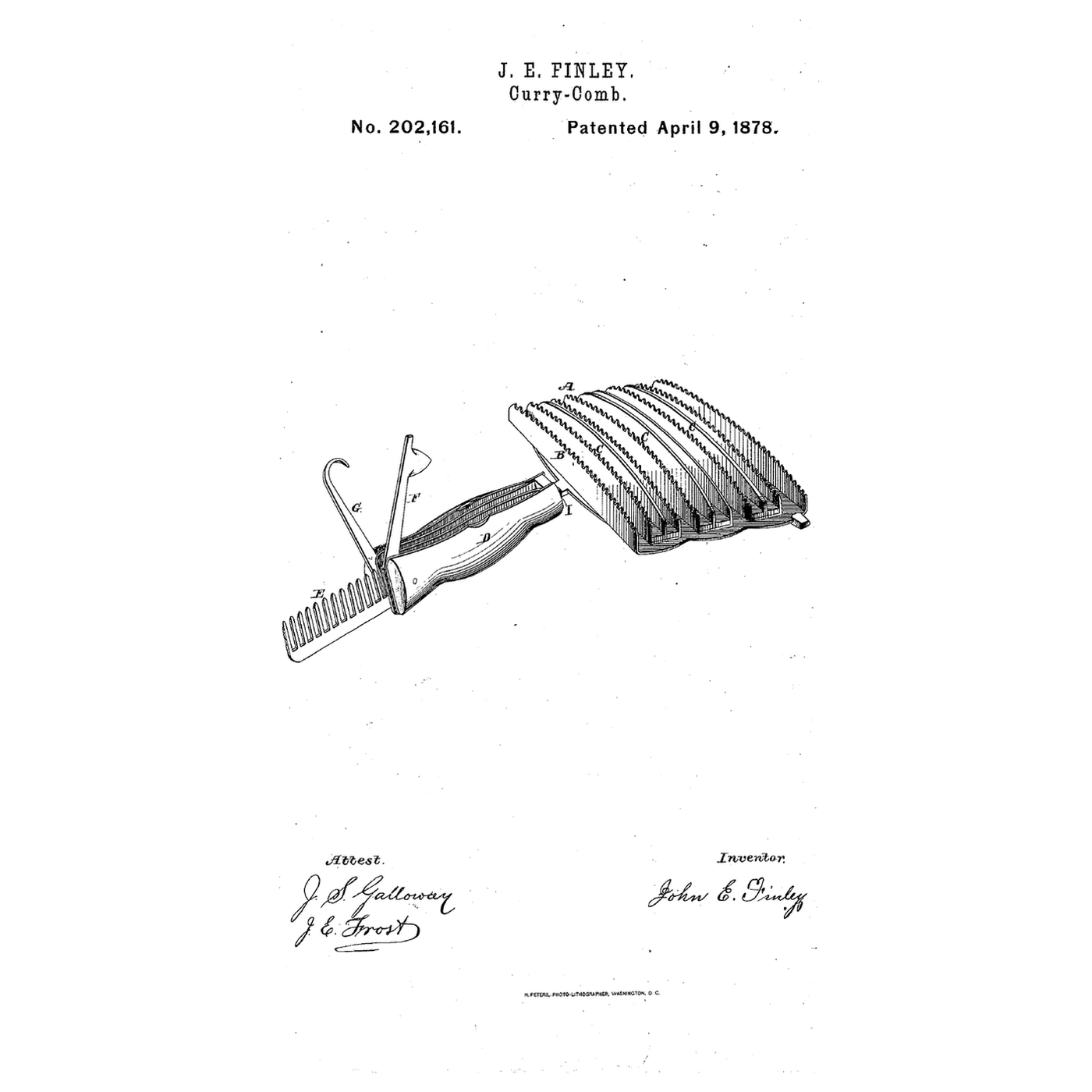


The Rubber-Barred Curry Comb: Curry Comb and Brush in One
A metal curry comb loosens dirt and dandruff in a horse's coat but leaves them lying there; a brush has to follow it.
John E. Finley of Memphis, Tennessee, received US 202,161, dated 9 April 1878, for improvements in curry-combs: "by inserting a few bars of yielding material or india-rubber between the bars containing the teeth of the curry-comb", the rubber bars "take hold of all loose hair and dandruff and remove them from the hide of the animal. Acting as a curry-comb and brush combined". His handle unscrews and carries a comb, a lancet and a hoof-cleaner.
This rung works out how the rubber bars spread the hand's force, then fits rubber bars into a metal curry comb and compares it with the plain comb.
Byrjandi
About 2 hours
Leiðbeiningar
1
1
Teeth alone against teeth and rubber
Teeth alone against teeth and rubber
Hleð Jupyter-vinnubók…
2
2
The comb being improved
The comb being improved
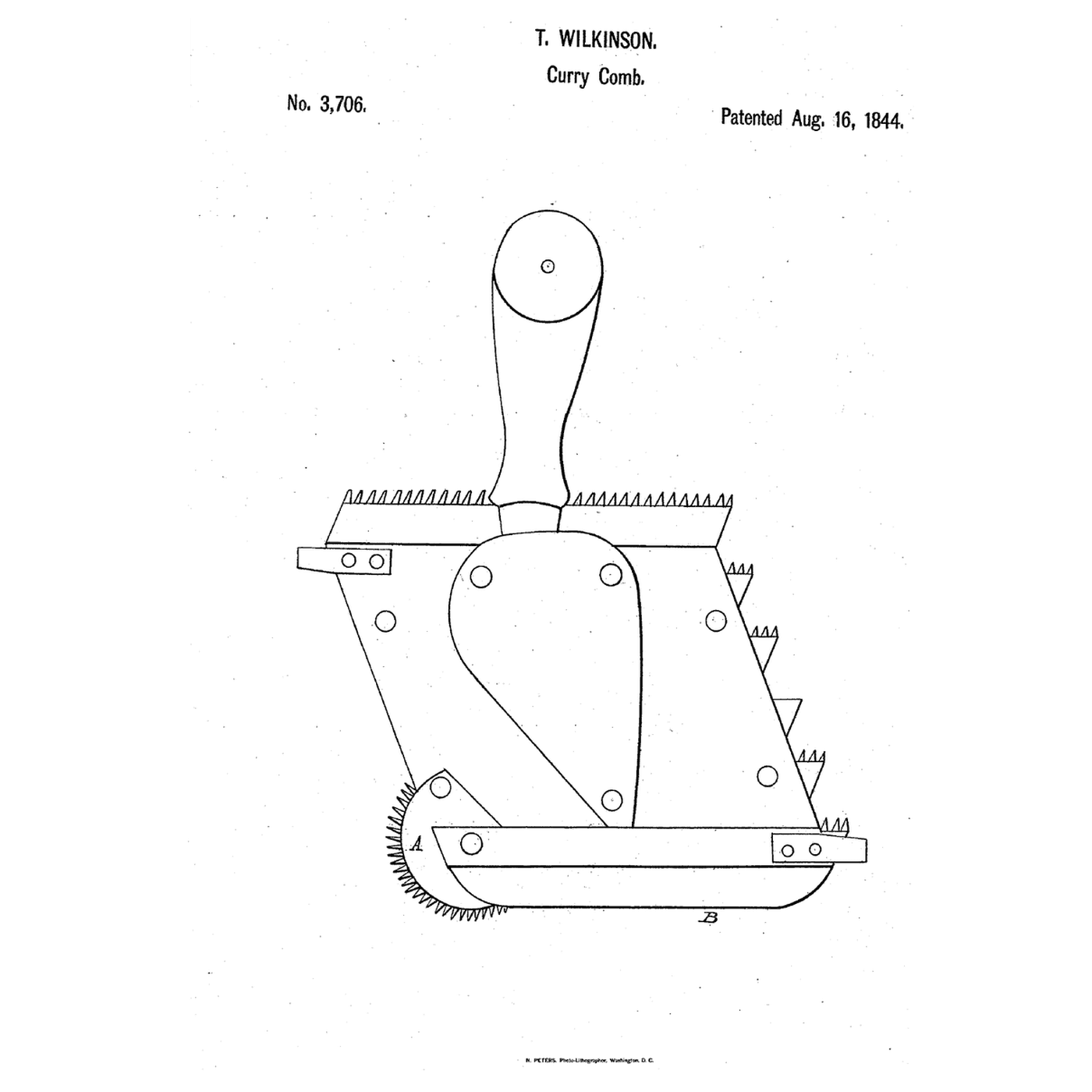
The embedded blueprint makes a sheet-metal curry comb. Finley's improvement goes between its rows.
3
3
Read US 202,161
Read US 202,161
"The primary use of a curry-comb is to loosen and clean the dirt or dandruff from the horse's hide, and clean and smooth the hair of the animal. With the ordinary curry-comb this is all that is effected; but by inserting a few bars of yielding material or india-rubber between the bars containing the teeth of the curry-comb, as shown in the drawing hereto annexed, the dandruff and dirt are largely removed, while the rubber bars take hold of all loose hair and dandruff and remove them from the hide of the animal."
"C C represent bars of india-rubber, standing between the rows of teeth and about the same height."
4
4
Fit rubber bars and compare
Fit rubber bars and compare
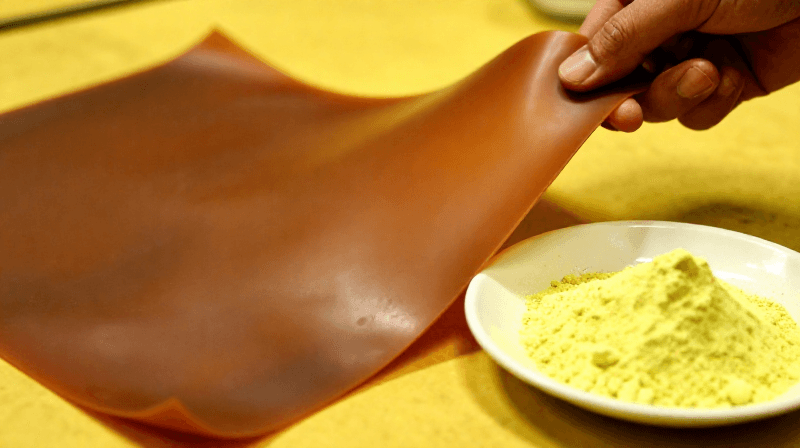
Measure the gap between the rows of your curry comb and the height of the teeth with the caliper. Cut strips of rubber sheet as long as the rows, as wide as the gap less 1 mm, and as tall as the teeth.
Coat the back plate between the rows and one edge of each strip with contact cement, let both go tacky, and press the strips in so they stand upright between the rows. Leave them a day.
Dust a piece of wool felt with flour. Count the strokes the plain comb takes to clear it, then dust it again and count the strokes the rubber-barred comb takes. Do it three times each.
Efni fyrir þetta skref:
 Gúmmíplata1 stykki
 Snertilím1 stykki
 Ullarþófaplata1 stykki
 Hveiti1 stykki
Nauðsynleg verkfæri:
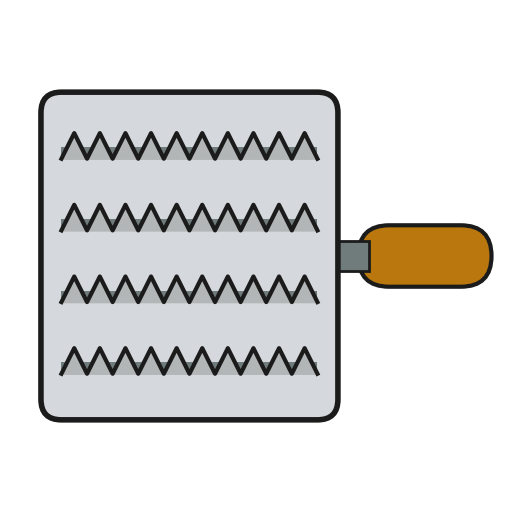 Hestakambur
 Stafrænn skífmælir 6 tommur
 Föndurhnífur
 Reglustika
5
5
Bars that fall out or do nothing
Bars that fall out or do nothing
Rubber-barred comb troubleshooting.
Flow
Loading...
6
6
History and honest limits
History and honest limits
**John E. Finley** of Memphis, Shelby County, Tennessee, filed US 202,161 on 8 January 1878; it is dated 9 April 1878. His handle, "constructed as a knife with three blades", held a coarse comb, a lancet "for bleeding the animal in case of sickness" and a hoof-cleaner. The lancet is recorded here as history and is not built.
**Honest limits.** Rubber sheet and contact cement stand in for Finley's india-rubber bars. The notebook assumes teeth and bars carry the same pressure. Sizes are examples; your stroke counts are the result.
Efni
4- 1 stykkiStaðgengill
- 1 stykkiStaðgengill
- 1 stykkiStaðgengill
- 1 stykkiStaðgengill
Nauðsynleg verkfæri
4- Staðgengill
- Staðgengill
- Staðgengill
- Staðgengill
Tengd Blueprint
Þessi blueprint deila þekkingu — tækni, efni eða meginreglur



CC0 opinbert ríki
Þessi teikning er gefin út undir CC0. Þér er frjálst að afrita, breyta, dreifa og nota þetta verk í hvaða tilgangi sem er, án þess að biðja um leyfi.
Studdu smiðinn með því að kaupa vörur í gegnum teikningu hans þar sem hann fær þóknun smiða sem seljendur ákvarða, eða búðu til nýja endurskoðun á þessari teikningu og tengdu hana sem tengingu í þinni eigin teikningu til að deila tekjum.