LIST
FEGURÐ OG VELLÍÐAN
HANDVERK
MENNING OG SAGA
SKEMMTUN
UMHVERFI
MATUR OG DRYKKUR
ÖFUGVERKFRÆÐI
VÍSINDI
ÍÞRÓTTIR
TÆKNI
KLÆÐANLEG TÆKNI
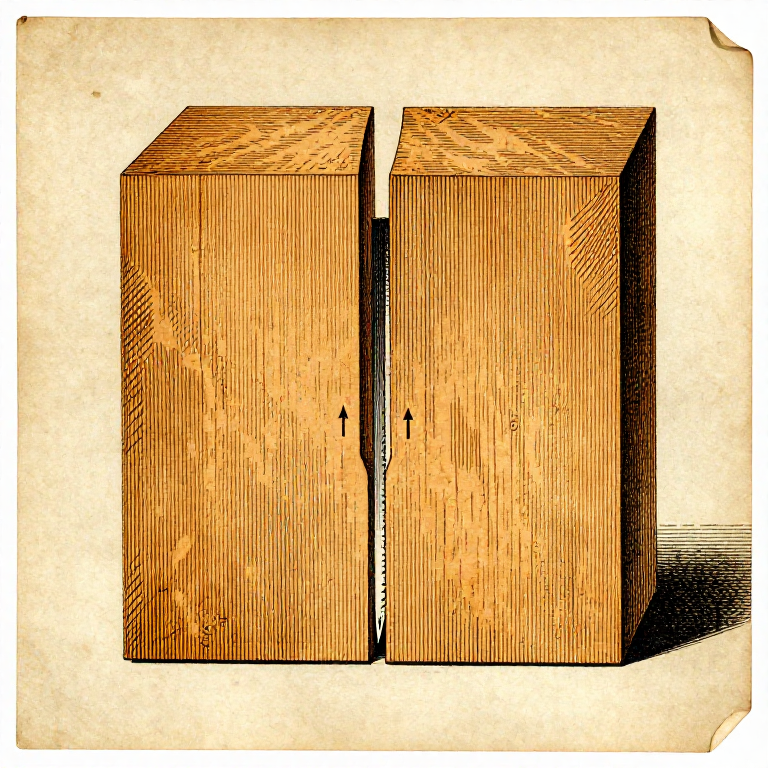


The Tooth and the Kerf: Why a Saw Cuts a Slot Wider Than Itself
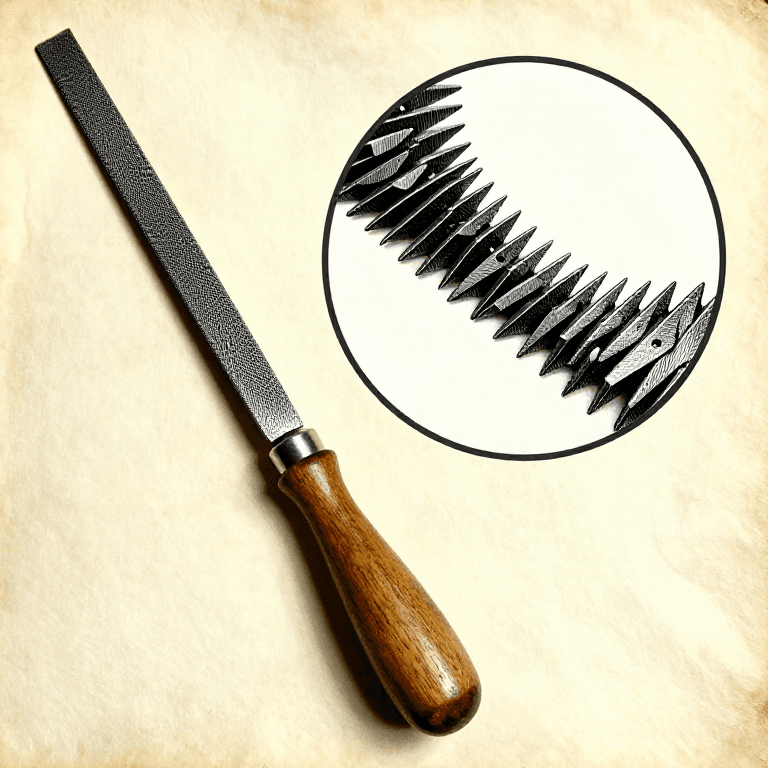
A saw does not cut a line. It cuts a SLOT — the kerf — and that slot has to be wider than the blade, or the blade jams in its own cut.
Everything else follows. The teeth are bent alternately left and right, which is called SET, and the set is what makes the kerf wide. Too little and the saw binds; too much and it wanders, wastes wood and takes far more effort. It also means every cut loses a millimetre or two of material, which matters when you are cutting several pieces from one board.
331 published blueprints on Youblob list a saw among their tools, and until now not one explained how to use it. This is the first of eight rungs.
Byrjandi
2 hours
Leiðbeiningar
1
1
Sight down the teeth and see the set
Sight down the teeth and see the set
Hold a hand saw with the teeth pointing away from you and sight straight down the line of them, like looking down a rifle. The teeth are not in a single line — they zigzag, one leaning left, the next right.
Now look at the blade from the side. The body of the blade is thinner than the width that zigzag spans. That difference is the whole reason a saw works: the teeth cut a slot wider than the steel behind them, so the steel runs free.
A blade with no set at all will cut for a centimetre and then seize solid, because the wood closes on it. The exceptions prove the point: a Japanese pull saw has very little set and gets away with it because it cuts on the PULL, so the blade is in tension and cannot buckle.
Nauðsynleg verkfæri:
 Handsög
 Japönsk dragsög
 Stækkunarlúpa
2
2
Count the teeth: TPI decides speed against finish
Count the teeth: TPI decides speed against finish
Lay a rule on the blade and count the teeth in one inch. A coarse rip saw has four or five; a tenon saw has fourteen; a hacksaw blade for thin tube has thirty-two.
Fewer, bigger teeth each take a bigger bite, so the saw cuts fast and leaves a rough edge. More, smaller teeth cut slowly and leave a clean one. There is no setting that is simply better — the choice is the same speed-against-finish trade the sharpening grit progression makes, and for the same reason.
The other thing TPI decides is what the saw can cut at all, which the hacksaw rung takes up: too few teeth for the material's thickness and the teeth straddle it, catch, and snap off.
Nauðsynleg verkfæri:
Handsög Bakkasög
 Járnsög
 Réttskeið
3
3
What the kerf costs you
What the kerf costs you
Hleð Jupyter-vinnubók…
Nauðsynleg verkfæri:
 Reiknivél
 Skífmælir
4
4
The kerf has a side, and you must choose it
The kerf has a side, and you must choose it
Because the kerf has width, the blade must run entirely on the WASTE side of your line. Cut down the middle of the line and the piece ends up half a kerf short.
Decide which side is waste before the saw touches the wood, and mark it — a scribble of pencil on the offcut side takes a second and is unambiguous. On a cutting list where several pieces come from one board, the waste side alternates, and this is exactly where people lose a piece.
The disciplined version is to leave the line visible on the piece you are keeping. That is the same rule as filing to a line, and for the same reason: material can come off afterwards, and it cannot go back on.
Efni fyrir þetta skref:
 Þurrt barrviðarborð1 stykki
Nauðsynleg verkfæri:
 Fastur vinkillHandsög
Efni
1- 1 stykkiStaðgengill
Tengd Blueprint
Þessi blueprint deila þekkingu — tækni, efni eða meginreglur
CC0 opinbert ríki
Þessi teikning er gefin út undir CC0. Þér er frjálst að afrita, breyta, dreifa og nota þetta verk í hvaða tilgangi sem er, án þess að biðja um leyfi.
Studdu smiðinn með því að kaupa vörur í gegnum teikningu hans þar sem hann fær þóknun smiða sem seljendur ákvarða, eða búðu til nýja endurskoðun á þessari teikningu og tengdu hana sem tengingu í þinni eigin teikningu til að deila tekjum.