
Wayang Kulit — Tatah Sungging Kulit Kerbau
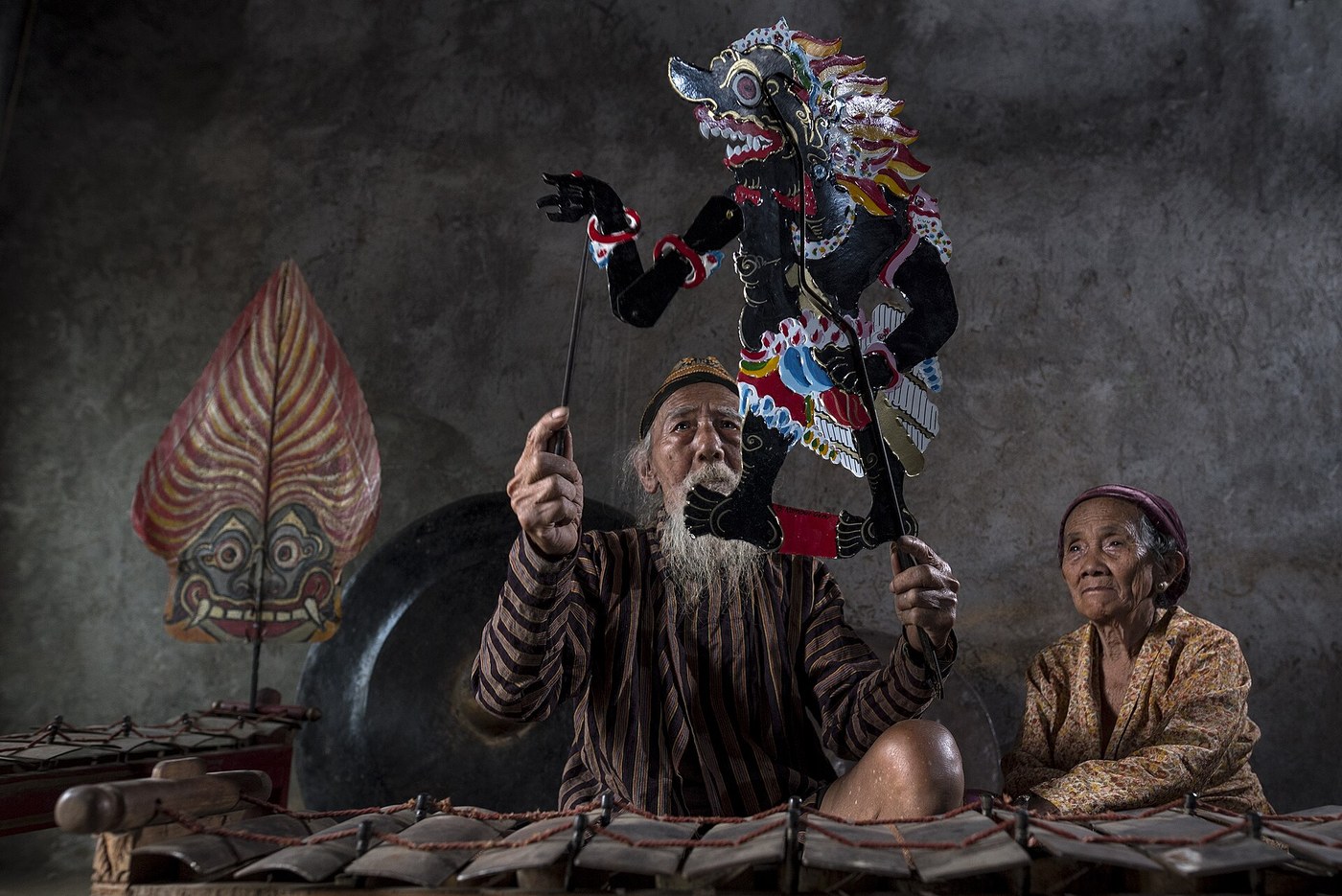
Wayang kulit itu bukan boneka yang dilihat. Yang dilihat penonton adalah bayangannya di layar. Semua keputusan dalam membuatnya berangkat dari kenyataan itu.
Makanya wayang ditatah — dilubangi, bukan digambar. Lubang meneruskan cahaya, kulit menahannya. Wajah, mahkota, motif kain: semuanya adalah pola lubang. Kalau ditatah terlalu rapat, kulit sobek. Kalau terlalu jarang, bayangannya cuma gumpalan hitam tanpa bentuk.
Prosesnya punya dua tahap dengan nama sendiri: tatah (melubangi dengan pahat dan palu) lalu sungging (mewarnai berlapis). Warnanya tidak terlihat dari sisi penonton — hanya dari sisi dalang. Jadi wayang punya dua wajah sekaligus, dan keduanya dikerjakan sungguh-sungguh.
Leiðbeiningar
Siapkan kulit kerbau
Siapkan kulit kerbau
Ambil kulit kerbau yang sudah dibersihkan dan dikeringkan, tebal 2 sampai 3 milimeter. Kulit kambing juga dipakai, tapi lebih tipis dan lebih gampang sobek waktu ditatah.
Efni fyrir þetta skref:
 Hráskinnsörk1 stykki
Rendam dan regangkan
Rendam dan regangkan
Rendam kulit sebentar, lalu regangkan di bingkai sampai kering benar. Kulit yang mengering tanpa diregangkan akan melengkung, dan wayang yang melengkung tidak bisa menempel rata di layar.
Gosok sampai halus dan rata
Gosok sampai halus dan rata
Gosok kedua sisi sampai halus dan ketebalannya rata. Bagian yang lebih tebal meneruskan cahaya berbeda dan akan terlihat sebagai bercak di bayangan.
Nauðsynleg verkfæri:
 Sandpappír
Pindahkan pola tokoh
Pindahkan pola tokoh
Gambar pola tokoh di atas kulit. Setiap tokoh punya bentuk baku — hidung, mata, posisi kepala, dan bentuk badan menandakan wataknya. Bentuk bukan hiasan; itu identitas.
Potong bentuk luarnya
Potong bentuk luarnya
Potong siluet luar dengan pisau tajam. Siluet inilah yang paling menentukan — dari jauh, penonton mengenali tokoh dari garis pinggirnya saja.
Nauðsynleg verkfæri:
 Leðurhnífur
Mulai menatah dari bagian tengah
Mulai menatah dari bagian tengah
Letakkan kulit di atas landasan kayu. Tatah mulai dari tengah ke pinggir. Kalau mulai dari pinggir, kulit kehilangan kekuatan dan bergeser waktu dipukul.
Nauðsynleg verkfæri:
 Tatah-meitilsett
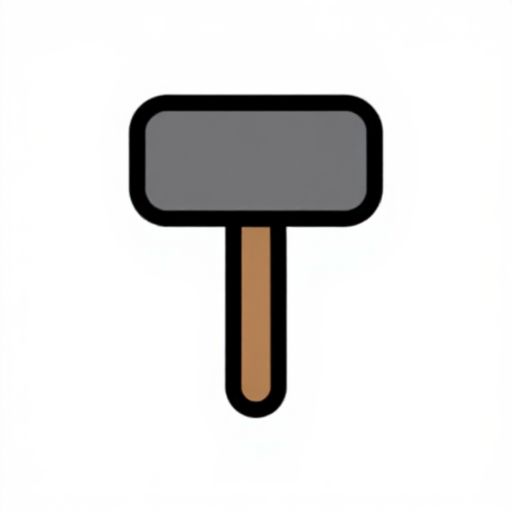 Útskurðarklubba
Pakai tatah lurus dan tatah lengkung
Pakai tatah lurus dan tatah lengkung
Tatah hanya ada dua bentuk dasar — lurus dan lengkung — tapi banyak ukuran. Satu lubang biasanya perlu beberapa kali pukulan dengan tatah yang berbeda.
Nauðsynleg verkfæri:
Tatah-meitilsettJaga jarak antar lubang
Jaga jarak antar lubang
Sisakan kulit paling tidak 1,5 milimeter antar lubang. Ini batas yang menentukan. Lebih rapat dari itu, kulit akan patah — waktu ditatah atau nanti waktu dimainkan.
Uji bayangannya sambil menatah
Uji bayangannya sambil menatah
Sesekali angkat wayang ke arah lampu dan lihat bayangannya. Kerjakan bayangan itu, bukan kulitnya. Pola yang bagus di tangan bisa jadi tidak terbaca di layar.
Mulai sungging dari warna tua
Mulai sungging dari warna tua
Warnai berlapis, mulai dari warna tua lalu ke warna muda. Urutan ini yang membuat peralihan warnanya halus.
Efni fyrir þetta skref:
 Sett af jarðlitadufti1 sett
Lukis motif batik pada kainnya
Lukis motif batik pada kainnya
Lukis motif batik pada bagian kain tokoh dengan kuas halus. Motifnya tidak asal — tiap tokoh punya motif yang sesuai dengan kedudukannya.
Pasang gapit dan tangan
Pasang gapit dan tangan
Pasang gapit dari tanduk atau bambu di tengah badan, dan dua tangkai tipis pada kedua tangan. Tangan wayang bergerak; badannya tidak.
Efni fyrir þetta skref:
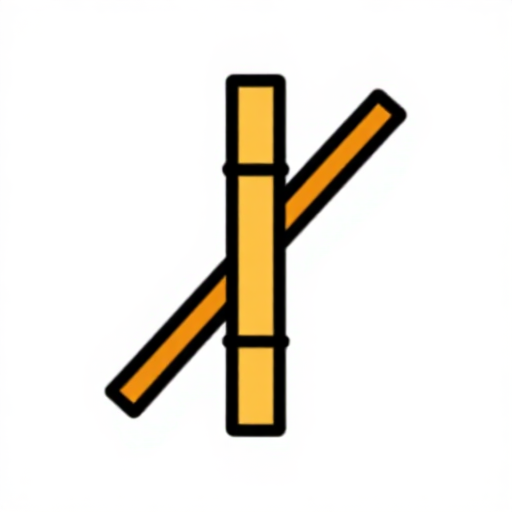 Bambusstöng3 stykki
Coba di depan lampu
Coba di depan lampu
Mainkan di depan lampu dengan layar putih. Dekatkan ke layar, bayangan jadi tajam; jauhkan, jadi kabur dan besar. Dalang memakai keduanya dengan sengaja.
Sejarah dan latar belakang
Sejarah dan latar belakang
Yang tertua yang masih hidup. Wayang kulit dengan figur dari kulit kerbau dianggap bentuk pewayangan berdiri-sendiri yang tertua, dengan rujukan paling awal dari tahun 800-an. UNESCO menetapkannya sebagai Masterpiece of Oral and Intangible Heritage of Humanity pada tahun 2003.
Dua tahap, dua nama. Prosesnya disebut tatah sungging. Tatah adalah melubangi: kulit diletakkan di landasan, lalu pahat khusus dipukul dengan palu menembus kulit. Pahatnya cuma dua bentuk dasar, lurus dan lengkung, dalam berbagai ukuran, dan satu detail biasanya perlu beberapa kali pukulan. Sungging adalah pewarnaan berlapis, dari warna tua ke muda, termasuk melukis motif batik pada kain tokoh.
Warna untuk siapa? Ini yang sering ditanyakan. Penonton di sisi layar hanya melihat bayangan hitam-putih — warna sama sekali tidak sampai. Warna itu untuk sisi dalang, untuk pemiliknya, dan untuk wayang itu sendiri sebagai benda. Ada yang menafsirkan penonton boleh memilih menonton dari sisi mana; ada yang bilang pengerjaan penuh itu soal penghormatan pada tokohnya, bukan soal dilihat orang.
Bentuk adalah watak. Dalam wayang, hidung, mata, sudut kepala, dan perbandingan badan menandakan sifat tokoh. Mata sipit dan kepala menunduk berarti halus dan menahan diri; mata bulat dan kepala tegak berarti kasar dan keras. Penonton yang paham bisa membaca watak tokoh sebelum dalang mengeluarkan sepatah kata. Ini bahasa visual yang baku, bukan gaya perseorangan.
Jarak dan bayangan. Bayangan tajam kalau wayang menempel di layar, dan kabur membesar kalau dijauhkan. Dalang memakai ini sebagai alat bercerita — tokoh yang datang dari jauh, roh, atau kekuatan besar dibuat kabur dan raksasa. Geometri bayangan yang sama persis dengan kamera obscura dan lentera ajaib, dipakai sebagai tata panggung berabad-abad sebelum ada proyektor.
Efni
3- 1 stykkiStaðgengill
- 1 settStaðgengill
- 3 stykkiStaðgengill
Nauðsynleg verkfæri
4- Staðgengill
- Staðgengill
- Staðgengill
- Staðgengill
Þessi teikning býr til
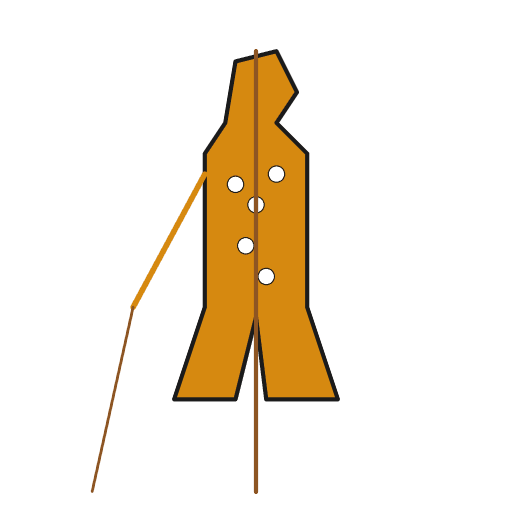
CC0 opinbert ríki
Þessi teikning er gefin út undir CC0. Þér er frjálst að afrita, breyta, dreifa og nota þetta verk í hvaða tilgangi sem er, án þess að biðja um leyfi.
Studdu smiðinn með því að kaupa vörur í gegnum teikningu hans þar sem hann fær þóknun smiða sem seljendur ákvarða, eða búðu til nýja endurskoðun á þessari teikningu og tengdu hana sem tengingu í þinni eigin teikningu til að deila tekjum.