Collaborazione
ARTE
BELLEZZA E BENESSERE
MESTIERE
CULTURA E STORIA
DIVERTIMENTO
AMBIENTE
CIBO E BEVANDE
INGEGNERIA INVERSA
SCIENZE
SPORT
TECNOLOGIA
INDOSSABILI
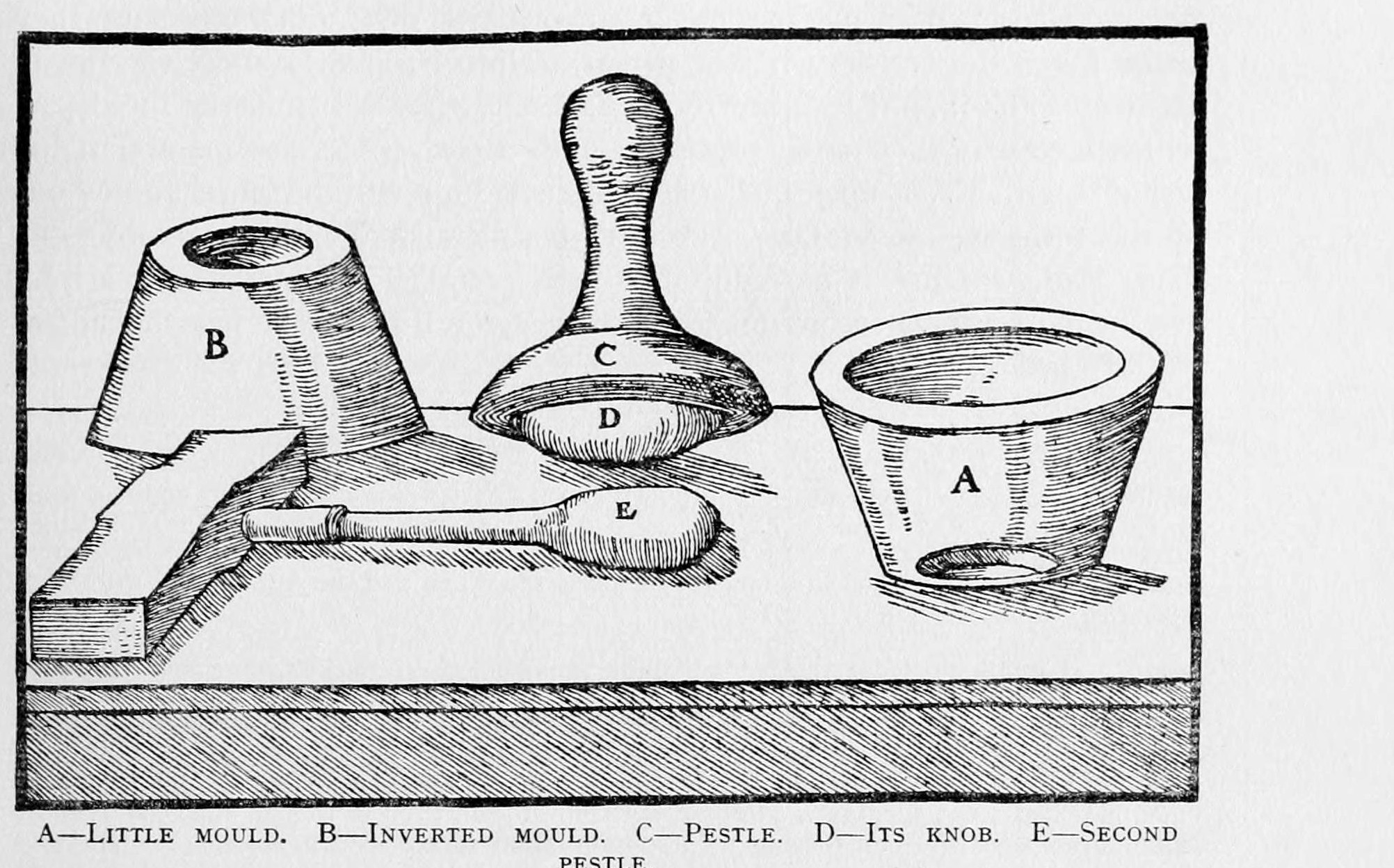


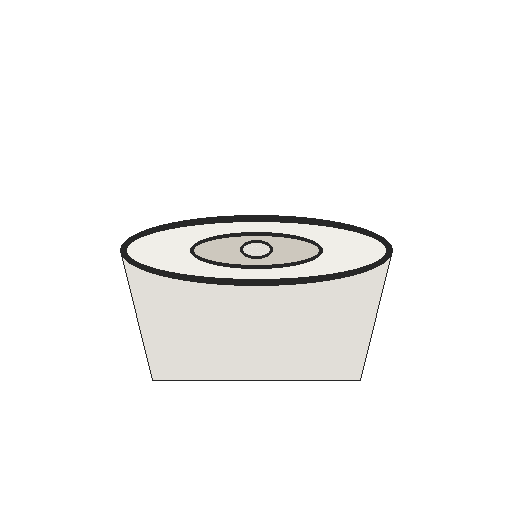
Assay Cupels From Washed Beech and Bone Ash, Rammed in a Brass Mould (Agricola, De Re Metallica, 1556)
How the assayers of Agricola's day made their own cupels, from De Re Metallica, Book VII (1556): wash wood ash free of floating charcoal and fat and of sinking sand and stones, mix it with bone ash (or use deer-horn, skull or fish-spine ash), moisten with beer or water, grind fine and ram it into a bottomless brass mould with a knobbed pestle; then dry the cupels and keep them long.
Intermedio
About 2 days, mostly drying
Istruzioni
1
1
His ash recipes
His ash recipes
Caricamento del notebook Jupyter…
2
2
Read De Re Metallica, Book VII
Read De Re Metallica, Book VII
"The cupels are made of ashes ... In these lead is separated from silver, and by them assays are concluded. Inasmuch as the assayers themselves make the cupels, something must be said about the material."
3
3
Wash the ash
Wash the ash
Pour water on the ash, skim off what floats (charcoal dust, fat), knead the ash with the hands into the water, and pour the muddy water into a second vessel, leaving the small stones and sand in the first to be thrown away. When the ash has settled and the water is clear and no longer tastes of lye, pour the water off and dry the ash in the sun or a furnace. Beech or other slow-growing wood gives the best ash; vine ash cracks and absorbs metal. If no such ash is to be had, roll the washed ash into little balls and burn them in a baker's or potter's oven to drive off fat and damp.
Materiali per questo passaggio:
 Cenere di legna1 pezzo
Strumenti necessari:
 Secchio di legno
 Vaglio
4
4
Mix with bone ash
Mix with bone ash
The older and drier the ash the better. Bone ash, especially from the heads of animals, deer-horn ash and fish-spine ash are the most suitable. Mix by his recipes (notebook): the usual way is beech ash sprinkled with beer or water to make it stick, ground in a small mortar, then ground again with skull or fish-spine ash; the more it is ground the better. Options he gives: sifted brick dust in the beech ash, so the lead does not eat the cupel; moistening with cow's milk again and again; deer horn alone, the best of all.
Materiali per questo passaggio:
Cenere di legna1 pezzo Cenere d'ossa1 pezzo
 Birra1 pezzo
 Corno di cervo rosso1 pezzo
 Mattone1 pezzo
Strumenti necessari:
 PipettaVaglio
5
5
Mould the cupels
Mould the cupels
Ram the damp ash into a bottomless brass mould with a brass pestle whose round knob presses the hollow; the part next to the knob fits the top of the mould. Push the cupel out whole. Use the small mould for cupels that purge gold or silver from lead, the large for separating silver from copper and lead (Illustration 231). For ores of copper containing iron, some moisten the made cupels with white of egg, dry them in the sun and crush and mould them again.
Materiali per questo passaggio:
 Uovo1 pezzo
Strumenti necessari:
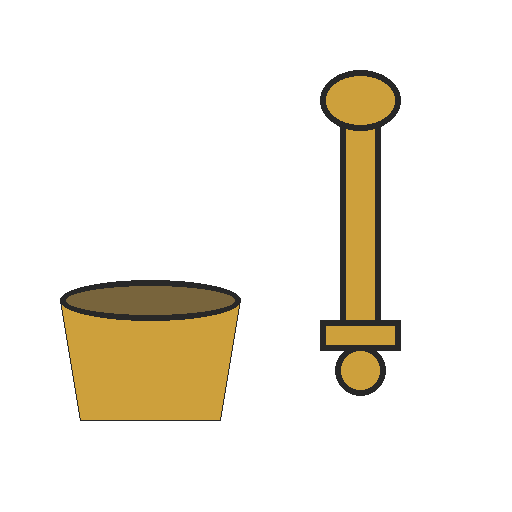 Stampo per coppelle (anello e pestello)
 Mazzuolo di legno
6
6
Dry and store
Dry and store
Dry the cupels in the sun or in a furnace, then keep them a long time in a dry place; the older they are, the drier and better.
7
7
Troubleshooting
Troubleshooting
Cupel troubleshooting.
Flow
Loading...
8
8
History and honest limits
History and honest limits
From Georgius Agricola, **De Re Metallica** (1556), Book VII, translated by Herbert C. and Lou H. Hoover, 1912 (Project Gutenberg 38015; checked on the archive.org scan georgiusagricola00agri, pp. 229-231). He gives proportions but no sizes or weights for cupels or moulds. The tools are ours.
Materiali
6- 1 pezzoSegnaposto
- 1 pezzoSegnaposto
- 1 pezzoSegnaposto
- 1 pezzoSegnaposto
- 1 pezzoSegnaposto
- 1 pezzoSegnaposto
Questo progetto realizza
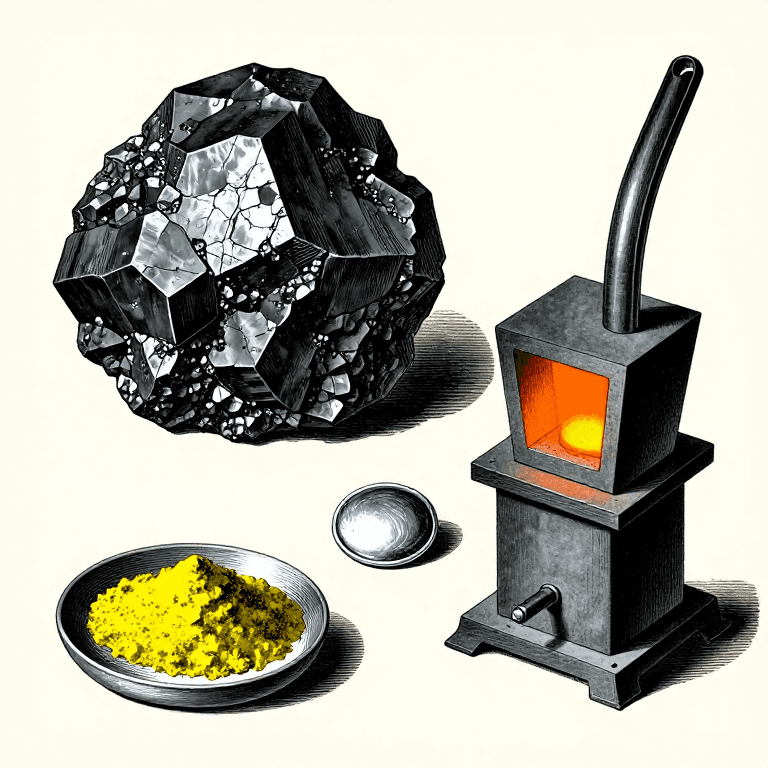
Blueprint correlati
Questi blueprint condividono conoscenze — tecniche, materiali o principi
CC0 Pubblico dominio
Questo progetto è rilasciato sotto CC0. Sei libero di copiare, modificare, distribuire e utilizzare quest'opera per qualsiasi scopo, senza chiedere permesso.
Supporta il Maker acquistando prodotti tramite il suo progetto dove guadagna una Commissione Maker stabilita dai venditori, oppure crea una nuova iterazione di questo progetto e includilo come collegamento nel tuo progetto per condividere i ricavi.