ARTE
BELLEZZA E BENESSERE
MESTIERE
CULTURA E STORIA
DIVERTIMENTO
AMBIENTE
CIBO E BEVANDE
INGEGNERIA INVERSA
SCIENZE
SPORT
TECNOLOGIA
INDOSSABILI
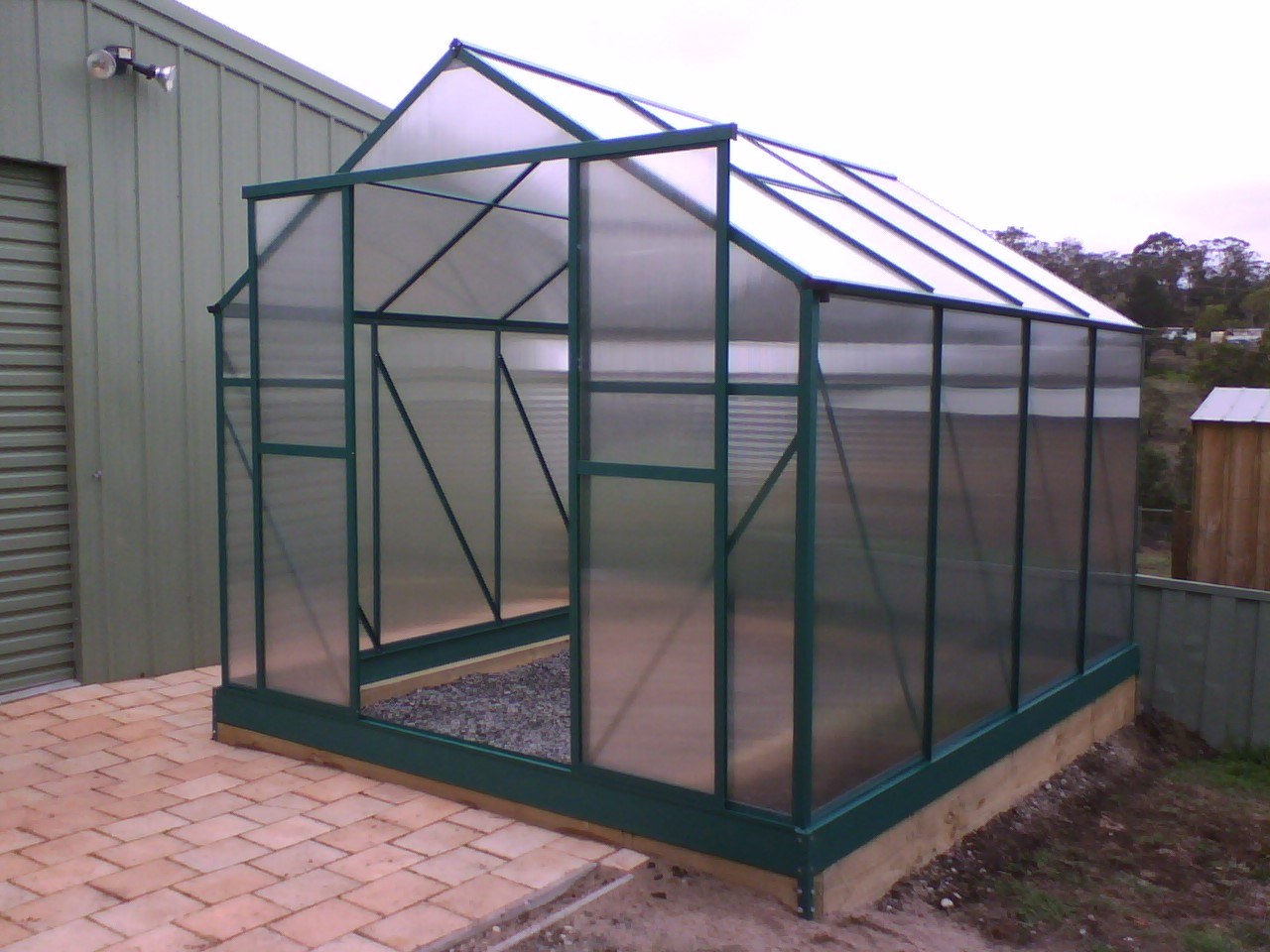


Polycarbonate
In 1953 Hermann Schnell at Bayer joined bisphenol A into long chains through carbonate links and got a clear plastic of remarkable toughness. Daniel Fox at General Electric reached the same material independently the same year, and both companies were selling it by around 1960.
**US 3,028,365**, "Thermoplastic aromatic polycarbonates and their manufacture", Schnell, Bottenbruch and Krimm, assigned to Bayer, filed 12. October 1954, granted 3. April 1962, claims "a high molecular weight, thermoplastic polycarbonate having a melting point of at least about 135°C", made from bisphenol A among a wider family.
**The classic route uses phosgene, a war gas.** You build a drop-weight rig and find the energy that cracks acrylic - then drop the same on polycarbonate.
Principiante
2 hours
Istruzioni
1
1
The specimen table
The specimen table
Cut a 300 x 300 mm plywood board and bore a 100 mm hole in its centre with the hole saw. Rest it on two blocks so the hole is open underneath.
Materiali per questo passaggio:
 Pannello di compensato1 pezzo
Strumenti necessari:
 Sega a mano
 Kit di seghe a tazza
 Trapano a batteria
2
2
The drop tube
The drop tube
Take 2 m of 32 mm PVC pipe. Mark heights from the bottom every 100 mm and drill a 3 mm hole straight through at each mark. A nail through a hole holds the ball; pulling it drops the ball from that height.
Materiali per questo passaggio:
 Tubo in PVC2 metri
 Chiodi1 pezzo
Strumenti necessari:
 Metro a nastro
 Set di marcatori a verniceTrapano a batteria
 Serie di punte da trapano
3
3
Stand it plumb
Stand it plumb
Clamp the tube to a post or bench leg with pipe clamps, its bottom 10 mm above the hole's centre. Check it with the plumb bob in two directions.
Strumenti necessari:
 Morsetto a tubo
 Filo a piombo
4
4
Clamp a sheet
Clamp a sheet
Cut 150 x 150 mm squares of 3 mm acrylic and 3 mm polycarbonate. Leave the protective film on. Clamp one over the hole at all four corners.
Strumenti necessari:
 Morsetto a C
 Occhiali di sicurezza trasparenti
 Lastra di acrilico
 Lastra di policarbonato (trasparente)
5
5
Climb the ladder
Climb the ladder
Glasses on. Weigh the 25 mm ball. Drop it from 100 mm, then 200 mm, and so on, on a fresh spot each time, until the acrylic cracks. Record that height. If it survives the top hole, repeat with the 1 kg weight as in the next step.
Strumenti necessari:
 Cuscinetto a sfere in acciaio
 Bilancia digitale di precisioneOcchiali di sicurezza trasparenti
6
6
Same on polycarbonate
Same on polycarbonate
Repeat the whole ladder on polycarbonate. If it survives the top hole, tape the 1 kg weight to a rounded bolt head and drop that from 1.8 m outside the tube, hands clear.
Strumenti necessari:
 PesoOcchiali di sicurezza trasparenti
7
7
Energy at failure
Energy at failure
Caricamento del notebook Jupyter…
8
8
History & Context
History & Context
**What the patent specifies:** high-molecular aromatic polycarbonates from dihydroxy compounds such as bisphenol A, melting at 135 °C or more. **Modern build (derived):** extruded clear polycarbonate sheet.
It went into safety glasses, riot shields, machine guards, bottles and later CDs. Its limits: it scratches easily, yellows in sunlight without a UV coat, is attacked by some solvents, and bisphenol A leaching from food containers made many makers switch those to other plastics.
Materiali
3- 1 pezzoSegnaposto
- 2 metriSegnaposto
- 1 pezzoSegnaposto
Strumenti richiesti
15- Segnaposto
- Segnaposto
- 1 vendor sell this, none ship to you yetSegnaposto
- 1 vendor sell this, none ship to you yetSegnaposto
- Segnaposto
- Segnaposto
- Segnaposto
- Segnaposto
- Segnaposto
- Segnaposto
- Segnaposto
- Segnaposto
- Segnaposto
- Segnaposto
- Segnaposto
Blueprint correlati
Questi blueprint condividono conoscenze — tecniche, materiali o principi

CC0 Pubblico dominio
Questo progetto è rilasciato sotto CC0. Sei libero di copiare, modificare, distribuire e utilizzare quest'opera per qualsiasi scopo, senza chiedere permesso.
Supporta il Maker acquistando prodotti tramite il suo progetto dove guadagna una Commissione Maker stabilita dai venditori, oppure crea una nuova iterazione di questo progetto e includilo come collegamento nel tuo progetto per condividere i ricavi.