


Casting a Bronze Socketed Spearhead — Bivalve Mould Method
The socketed spearhead was a major advance over the flat tanged point — the hollow socket allowed the shaft to be inserted directly into the head, creating a stronger and more aerodynamic weapon. This design appeared across the Bronze Age world from approximately 2000 BCE and remained in use for over a thousand years.
Creating the socket requires a bivalve mould with a clay core inserted between the two stone halves. The core occupies the space where the socket will be, so when the bronze solidifies around it and the core is broken out, a hollow tube remains. This is one of the earliest examples of core-casting — a technique that later evolved into the lost-wax process for complex hollow sculptures.
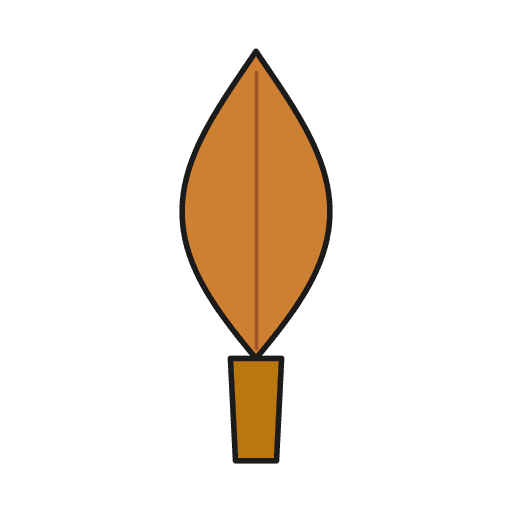
The leaf-shaped blade is cast with a raised midrib for rigidity, then the edges are cold-hammered and ground sharp. Two small holes at the socket base allow a pin or binding to lock the shaft in place.
Istruzioni
Prepare the bivalve mould
Prepare the bivalve mould
Materiali per questo passaggio:
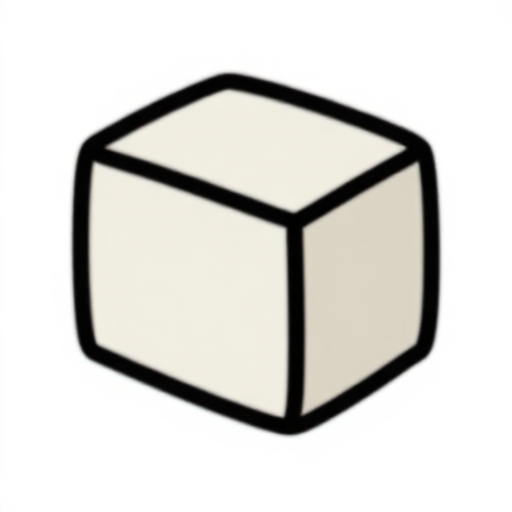 Blocco di pietra ollare2 pezzi
Form the clay core for the socket
Form the clay core for the socket
Materiali per questo passaggio:
 Argilla refrattaria200 g
 Sabbia fine100 g
Assemble the mould with core
Assemble the mould with core
Materiali per questo passaggio:
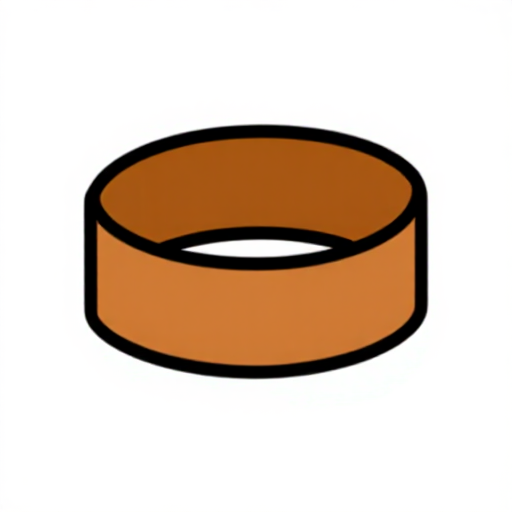 Strisce di cuoio grezzo1 m
Pre-heat the assembled mould
Pre-heat the assembled mould
Melt and pour the bronze
Melt and pour the bronze
Materiali per questo passaggio:
 Carbone di legna4 kg
Strumenti necessari:
 Tenaglia per crogiolo
Cool and separate the mould halves
Cool and separate the mould halves
Remove the clay core
Remove the clay core
Strumenti necessari:
 Punta di palco
Remove sprue and grind the parting line
Remove sprue and grind the parting line
Strumenti necessari:
 Arenaria (abrasiva)
Cold-hammer and sharpen the blade edges
Cold-hammer and sharpen the blade edges
Strumenti necessari:
 Percussore di pietra
 Lastra di pietra piatta
 Pietra per affilare
Drill the rivet holes and haft
Drill the rivet holes and haft
Materiali
6- 2 pezziSegnaposto
- 200 gSegnaposto
- 100 gSegnaposto
- Segnaposto
- 4 kgSegnaposto
- 1 pezzoSegnaposto
Strumenti richiesti
6- Segnaposto
- Segnaposto
- Segnaposto
- Segnaposto
- Segnaposto
- Segnaposto
Materiali dei progetti collegati
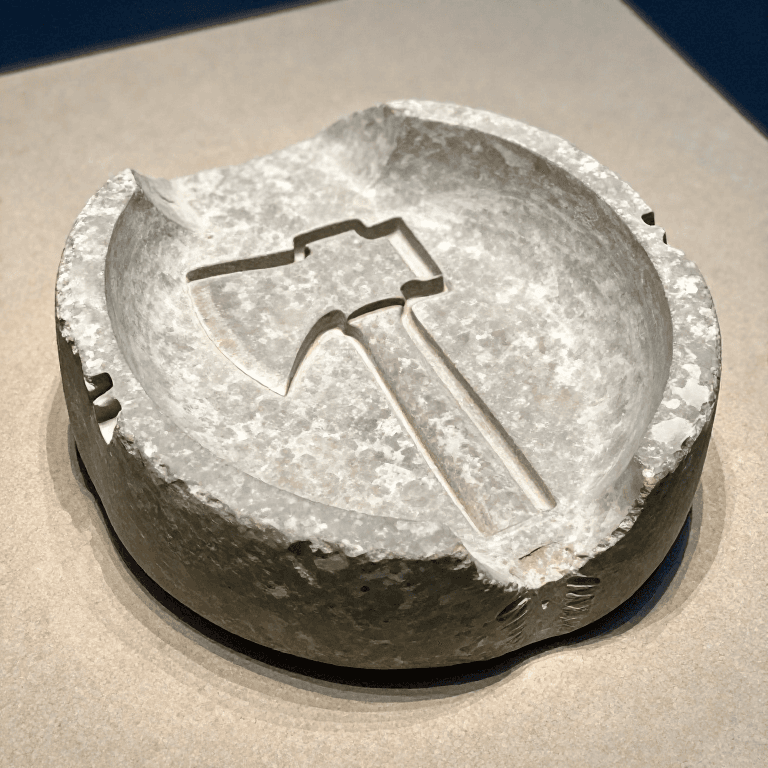

Questo progetto realizza
Blueprint correlati
Questi blueprint condividono conoscenze — tecniche, materiali o principi
CC0 Pubblico dominio
Questo progetto è rilasciato sotto CC0. Sei libero di copiare, modificare, distribuire e utilizzare quest'opera per qualsiasi scopo, senza chiedere permesso.
Supporta il Maker acquistando prodotti tramite il suo progetto dove guadagna una Commissione Maker stabilita dai venditori, oppure crea una nuova iterazione di questo progetto e includilo come collegamento nel tuo progetto per condividere i ricavi.