Collaborazione
ARTE
BELLEZZA E BENESSERE
MESTIERE
CULTURA E STORIA
DIVERTIMENTO
AMBIENTE
CIBO E BEVANDE
INGEGNERIA INVERSA
SCIENZE
SPORT
TECNOLOGIA
INDOSSABILI
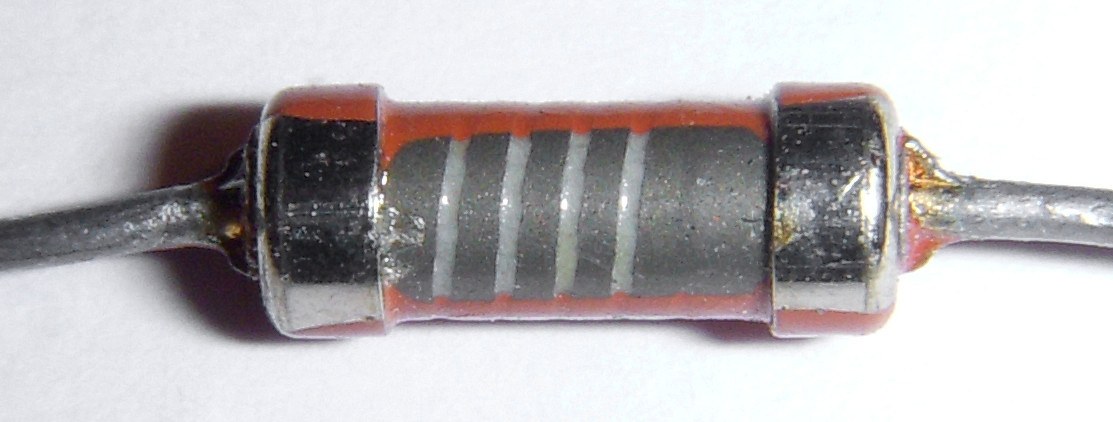


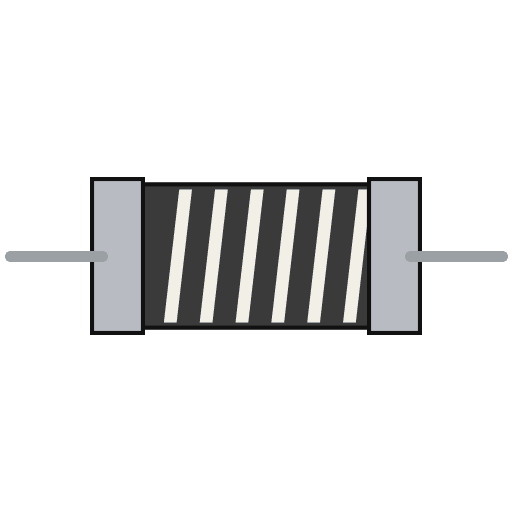
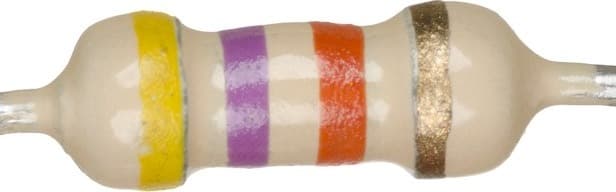
Carbon Film Resistors: Methane Cracked on Ceramic Rods, Helixed and Varnished (Bell Labs 1951)
Ceramic rods tumble in a hot, gas-tight rotating furnace while methane cracks on them and leaves a thin, hard film of carbon. The coated rods get conducting ends, a helix ground through the film to bring them near their value, a light rub to the exact value, and a coat of baking varnish.
Result: carbon film resistors adjusted to as close as ±0.5 %. The helix alone can raise a rod's resistance by any factor from about 10 to about 8000.
Source: Grisdale, Pfister and van Roosbroeck, Pyrolytic Film Resistors, Bell System Technical Journal 30 (1951). Unknown: the ceramic of the rods, the end caps and leads, and which baking varnish; the paper does not give them. Picture: Wikimedia Commons.
Avanzato
2 days
Istruzioni
1
1
Load the furnace
Load the furnace
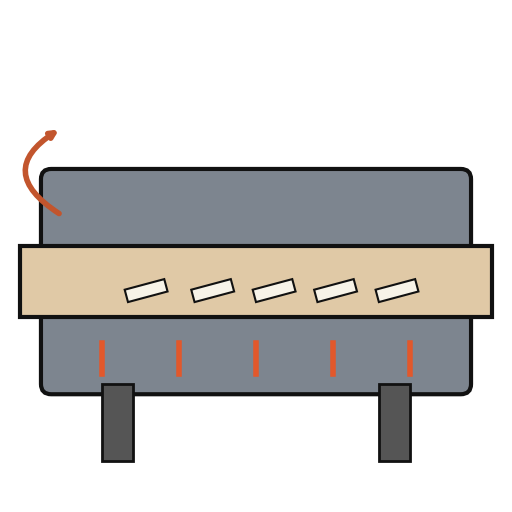
Load cylindrical ceramic rods into the gas-tight refractory core of a rotating (or rocking) batch furnace, with silica sand to support the rods and keep them from damage as they tumble. Unknown: which ceramic.
Materiali per questo passaggio:
 Nucleo isolante per resistori1 batch
Strumenti necessari:
 Forno rotante a lotti
 Sabbia di quarzo
2
2
Heat under nitrogen
Heat under nitrogen
Turn the core and bring it to temperature, usually about 975 to 1300 °C, flushing it with nitrogen before any hydrocarbon goes in.
Strumenti necessari:
Forno rotante a lotti Azoto
3
3
Crack the methane
Crack the methane
When the temperature is steady, let in the coating gas and keep it flowing for the time needed. The film grows at a steady rate: at 1000 °C and 30 % methane the paper runs from 0.2 to 10 hours. Longer gives a thicker film of lower resistance; temperature sets the rate more than anything else, and more methane deposits faster.
Materiali per questo passaggio:
 Metano1 flow
Strumenti necessari:
Forno rotante a lotti4
4
Cool under nitrogen
Cool under nitrogen
Shut off the methane and let the core cool while oxygen-free nitrogen keeps flowing. The films come out clean, even and firmly stuck.
Strumenti necessari:
Forno rotante a lottiAzoto5
5
Terminate the ends
Terminate the ends
Paint the ends of each coated rod with a water suspension of colloidal graphite (Aquadag), then burnish and bake it; this suits all but low-value resistors. Fit the end caps with their leads. Unknown: the caps and leads, which the paper does not describe. Ours: an agate burnisher and an oven.
Materiali per questo passaggio:
 Grafite colloidale1 as required
 Cappucci terminali per resistori con reofori2 per resistor
Strumenti necessari:
 Brunitoio di agata
 Forno
6
6
Grind the helix
Grind the helix
Grind a helical groove through the film with a water-cooled, metal-bonded diamond wheel, the blank floating against the wheel so the groove stays even. Pick the pitch to land slightly below the wanted value (330 Ω, 10 kΩ or any other). The groove must be smooth: cracks into the carbon ribbon bring noise and drift.
Strumenti necessari:
 Macchina per spiralatura di resistori
7
7
Rub to value and varnish
Rub to value and varnish
Turn the resistor while measuring it continuously, and rub its whole surface lightly with a cotton pad wet with an organic solvent until it reaches its value. Leave it just below tolerance, then give it one or more coats of baking varnish, which raises the resistance by generally less than 1 %. Unknown: which varnish and its baking. Ours: acetone as the solvent, a Wheatstone bridge to measure.
Materiali per questo passaggio:
 Vernice a forno1 as required
Strumenti necessari:
 Ponte di Wheatstone
 Cotone idrofilo
 AcetoneForno
Materiali
5- Segnaposto
- 1 flowSegnaposto
- 1 as requiredSegnaposto
- 2 per resistorSegnaposto
- 1 as requiredSegnaposto
Questo progetto realizza
Blueprint correlati
Questi blueprint condividono conoscenze — tecniche, materiali o principi
CC0 Pubblico dominio
Questo progetto è rilasciato sotto CC0. Sei libero di copiare, modificare, distribuire e utilizzare quest'opera per qualsiasi scopo, senza chiedere permesso.
Supporta il Maker acquistando prodotti tramite il suo progetto dove guadagna una Commissione Maker stabilita dai venditori, oppure crea una nuova iterazione di questo progetto e includilo come collegamento nel tuo progetto per condividere i ricavi.