ARTE
BELLEZZA E BENESSERE
MESTIERE
CULTURA E STORIA
DIVERTIMENTO
AMBIENTE
CIBO E BEVANDE
INGEGNERIA INVERSA
SCIENZE
SPORT
TECNOLOGIA
INDOSSABILI
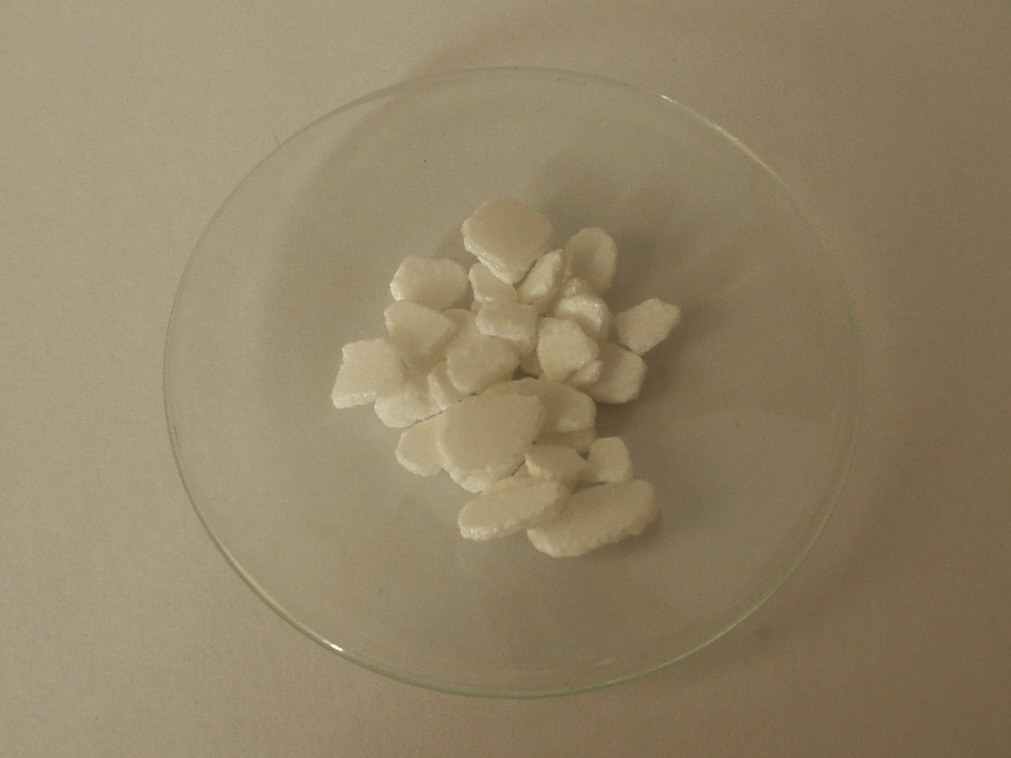


Chloride of Calcium from Marble and Spirit of Salt
Calcium chloride is the salt left when marble or limestone dissolves in hydrochloric acid. George Fownes's chemistry manual (1856) gives exactly that as the usual way to make it. The crystals that separate from a strong solution draw water from the air so greedily that, dried hard or fused, the salt is used to dry gases; in solution it is used in refining borax.
Intermedio
A day, plus drying
Istruzioni
1
1
Weigh marble and acid
Weigh marble and acid
Weigh the marble and the hydrochloric acid. The notebook (step 6) works out the amounts: 1 kg of marble takes about 2.3 kg of acid at specific gravity 1.162.
Materiali per questo passaggio:
 Polvere di marmo1 kg
 Acido cloridrico2.3 kg
Strumenti necessari:
 Bilancia a bracci
2
2
Dissolve the marble in the acid
Dissolve the marble in the acid
Put the acid in a large glass jar and add the marble a little at a time, stirring. It fizzes as carbon dioxide escapes, so leave plenty of room in the jar. When a fresh pinch no longer fizzes, the acid is used up; let any undissolved marble settle and pour the clear solution off.
Strumenti necessari:
 Barattolo di vetro
 Bacchetta di vetro
 Occhiali antispruzzo chimico
 Guanti di gomma
3
3
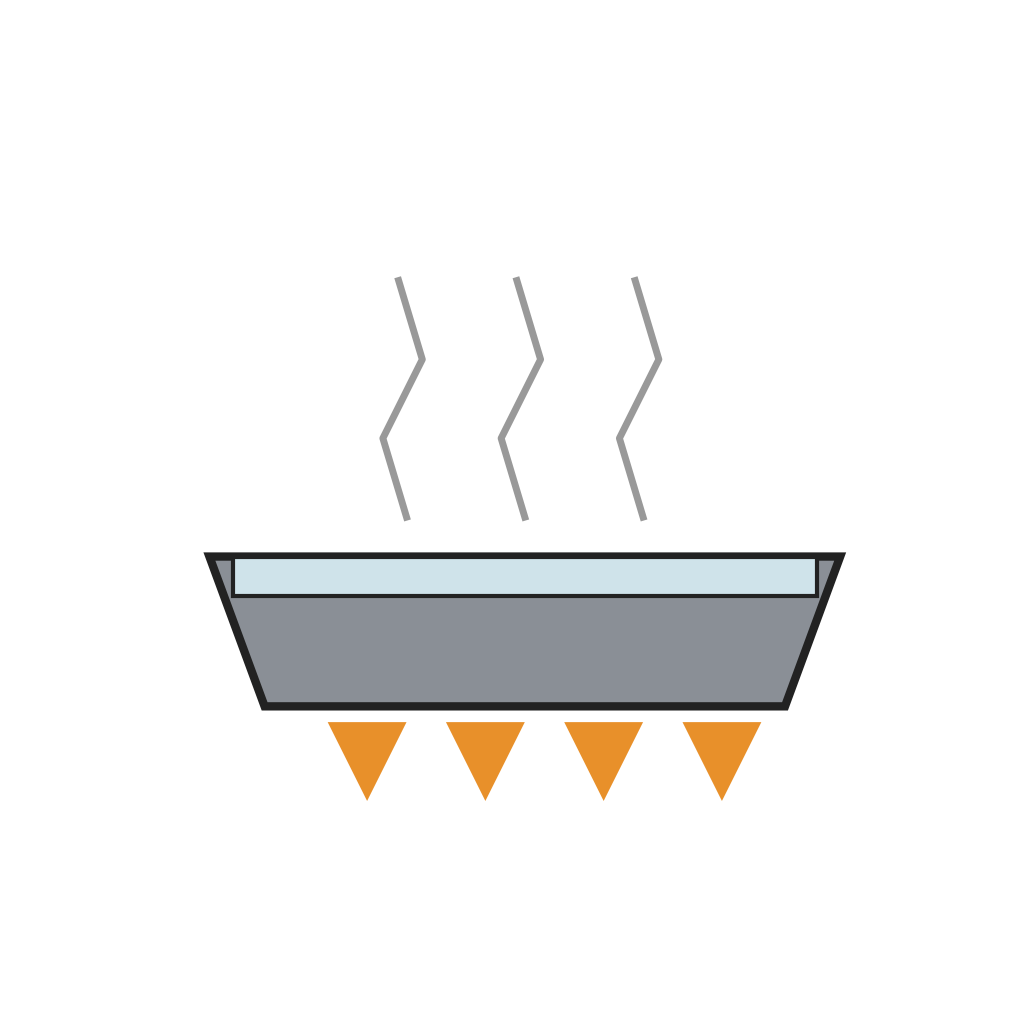
Boil it down to a strong solution
Boil it down to a strong solution
Evaporate the solution in a pan until it is strong. On cooling, the salt separates as colourless prismatic crystals, which hold 6 parts of water to each part of the chloride (Fownes).
Materiali per questo passaggio:
 Carbone di legna1 as required
Strumenti necessari:
 Caldaia di evaporazione
 Forno a carbone di legnaBacchetta di vetroOcchiali antispruzzo chimicoGuanti di gomma
4
4
Drive off the water, or fuse it
Drive off the water, or fuse it
Heat the crystals to expel their water. Raised to a strong red heat in a crucible, the dry salt fuses; cast or broken into pieces, fused chloride is the form used to dry gases.
Materiali per questo passaggio:
Carbone di legna1 as requiredStrumenti necessari:
 Crogiolo in argilla refrattariaForno a carbone di legna
 Tenaglia per crogiolo
 Guanti resistenti al calore
5
5
Keep it shut away from the air
Keep it shut away from the air
The crystals are exceedingly deliquescent: left open they take water from the air and run to a liquid. Store the salt hot from drying in a stoppered jar.
Strumenti necessari:
Barattolo di vetro6
6
Marble in, chloride out
Marble in, chloride out
Caricamento del notebook Jupyter…
7
7
Troubleshooting
Troubleshooting
Calcium chloride troubleshooting.
Flow
Loading...
8
8
History and honest limits
History and honest limits
Fownes (1856) names marble dissolved in hydrochloric acid as the usual source and adds that calcium chloride is also a by-product of several manufactures; Ure (1839) notes it as the residue of making ammonia from sal ammoniac and lime. Fownes gives no quantities; those in the notebook come from the equation. Testing for the end of the fizzing, and leaving room in the jar, are ordinary practice, not his words.
Materiali
3- 1 kgSegnaposto
- 2.3 kgSegnaposto
- 1 as requiredSegnaposto
Strumenti richiesti
10- Segnaposto
- Segnaposto
- Segnaposto
- Segnaposto
- Segnaposto
- Segnaposto
- Segnaposto
- Segnaposto
- Segnaposto
- Segnaposto
Questo progetto realizza
Blueprint correlati
Questi blueprint condividono conoscenze — tecniche, materiali o principi
CC0 Pubblico dominio
Questo progetto è rilasciato sotto CC0. Sei libero di copiare, modificare, distribuire e utilizzare quest'opera per qualsiasi scopo, senza chiedere permesso.
Supporta il Maker acquistando prodotti tramite il suo progetto dove guadagna una Commissione Maker stabilita dai venditori, oppure crea una nuova iterazione di questo progetto e includilo come collegamento nel tuo progetto per condividere i ricavi.