ARTE
BELLEZZA E BENESSERE
MESTIERE
CULTURA E STORIA
DIVERTIMENTO
AMBIENTE
CIBO E BEVANDE
INGEGNERIA INVERSA
SCIENZE
SPORT
TECNOLOGIA
INDOSSABILI

Coherence Length and the White-Light Fringe
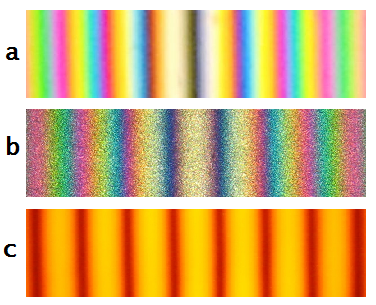
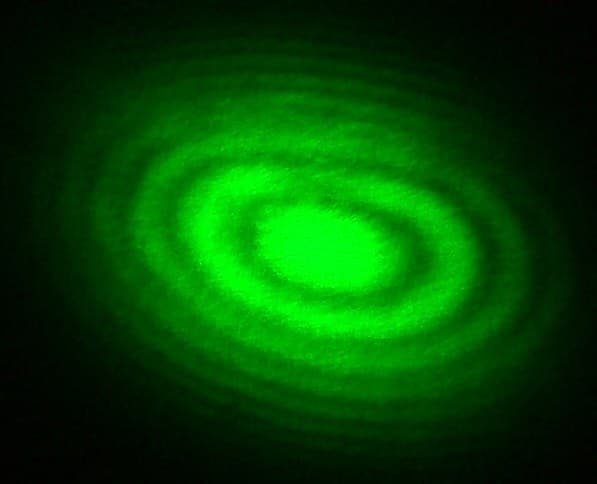
Build the Michelson from the previous blueprint, get fringes, then walk one mirror steadily outward. With a laser the fringes go on for ever. With a red LED they fade after a fraction of a millimetre. With white light they appear for about two fringes and then are gone, and no amount of adjustment brings them back except returning to where you were.
What you have measured is the source. A perfectly single wavelength would interfere with itself over any distance; a real source has a spread, and the wider the spread the sooner its colours drift out of register. Coherence length is the wavelength squared divided by the linewidth, and it runs from a micrometre for daylight to metres for a good laser.
The white-light case looks like the useless extreme and is the most useful of all. Because fringes appear ONLY when the arms are equal to within a micrometre, the white-light fringe marks zero path difference absolutely — it is a unique, unmistakable landmark, where a laser offers millions of identical fringes and no way to know which one you are on. Every instrument that must find a true zero uses it, from the Fourier spectrometer in blueprint 9 to the optical coherence tomography scanners in modern eye clinics.
And there is a bonus that took Michelson somewhere unexpected. Watch how the fringe CONTRAST varies as you move, rather than merely when it dies, and you are measuring the Fourier transform of the source's spectrum. He used it in the 1890s to find structure in spectral lines that no prism of the day could resolve.
Intermedio
3 hours
Istruzioni
1
1
Walk the mirror out with three sources
Walk the mirror out with three sources
Start from the aligned Michelson of blueprint 4, with the compensating plate in place — without it there is no white-light fringe at all.
With the laser, find fringes and mark the micrometer reading. Then swap the source for a red LED and hunt: fringes appear only near that same reading. Note how far you can move before they vanish. Finally use a white LED and hunt again, in the smallest steps the screw allows.
Strumenti necessari:
 Micrometro a vite
 Puntatore laser
 Sorgente luminosa a LED
 Occhiali di protezione laser
 Assortimento di LED
2
2
Find the coloured fringe
Find the coloured fringe
With white light the pattern is a handful of COLOURED fringes with a black centre, and it exists over a few micrometres of travel and nowhere else. Record the micrometer reading at which it appears.
That reading is zero path difference, located to better than a micrometre by eye. Return to it after moving a centimetre away and note how precisely you can re-find it — that repeatability is the whole reason the technique exists.
Strumenti necessari:
Micrometro a viteSorgente luminosa a LED Lente d'ingrandimento 10x
3
3
Coherence lengths, and the sodium beat
Coherence lengths, and the sodium beat
Caricamento del notebook Jupyter…
Strumenti necessari:
 Computer da tavolo
4
4
Compendium: why holography failed before the laser
Compendium: why holography failed before the laser
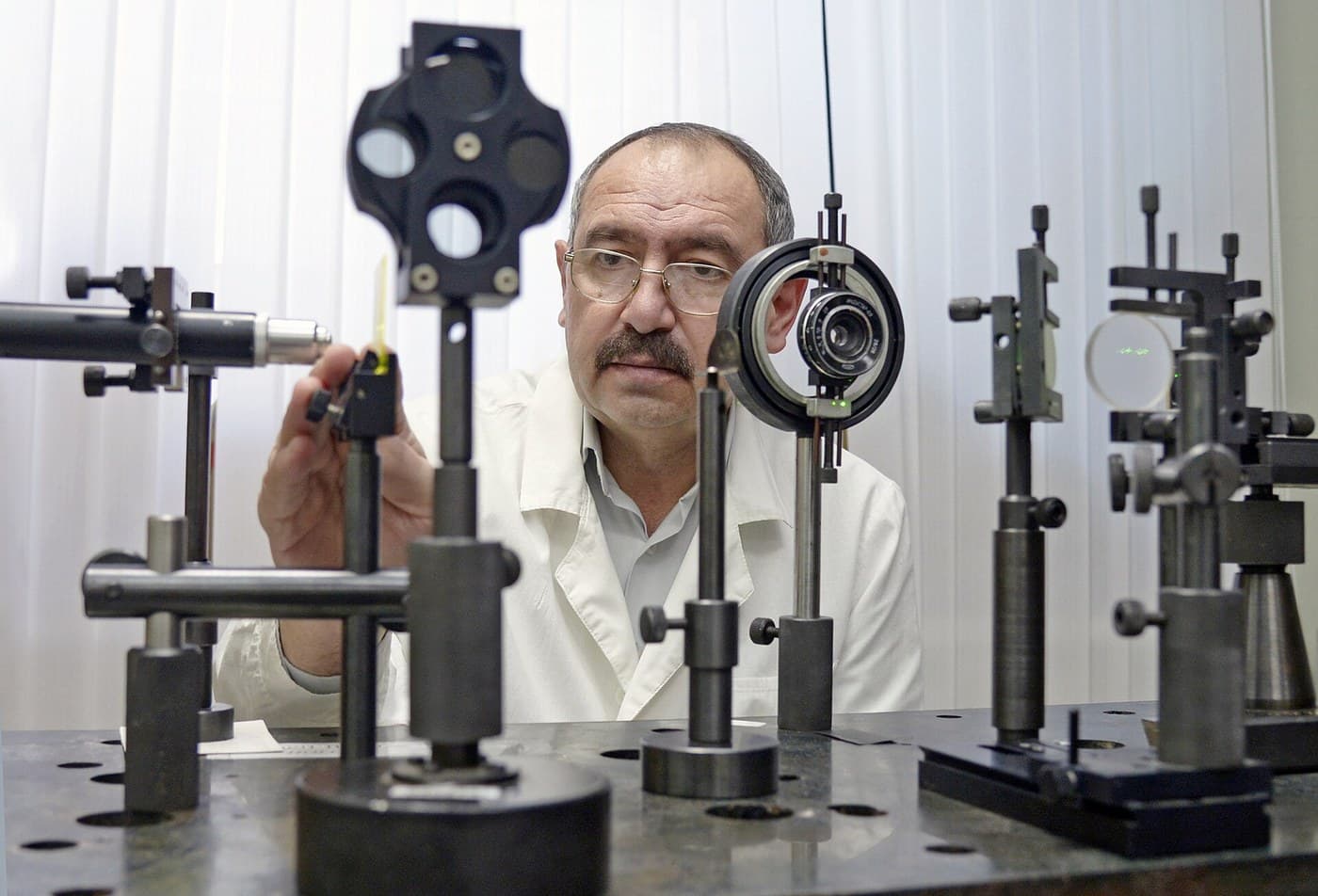
THE CONSTRAINT THAT HELD GABOR BACK. The holography blueprint records interference between a reference beam and light scattered from an object, so every path difference across the scene must fall inside the source's coherence length. Gabor's filtered mercury arc managed perhaps a tenth of a millimetre, which is why his 1948 holograms were of transparencies rather than objects. The laser did not make holography possible by being bright — it made it possible by being coherent over metres instead of micrometres.
SPATIAL COHERENCE IS A SEPARATE THING. Everything here is TEMPORAL coherence, set by the linewidth: how well a wave agrees with itself LATER. Spatial coherence asks how well it agrees with itself ACROSS the beam, and is set by the source's angular size rather than its spectrum. A pinhole makes light spatially coherent while doing nothing to its linewidth. That second kind is what blueprint 8 uses to measure the diameter of a star.
Strumenti richiesti
7- Segnaposto
- Segnaposto
- Segnaposto
- Segnaposto
- Segnaposto
- Segnaposto
- Segnaposto
Blueprint correlati
Questi blueprint condividono conoscenze — tecniche, materiali o principi
The Michelson Interferometer
di Penny
Produzione sottrattiva
55
0
0
0
0
0
Off-Axis Holography
di Pixel
Elettronica
52
0
0
0
0
0
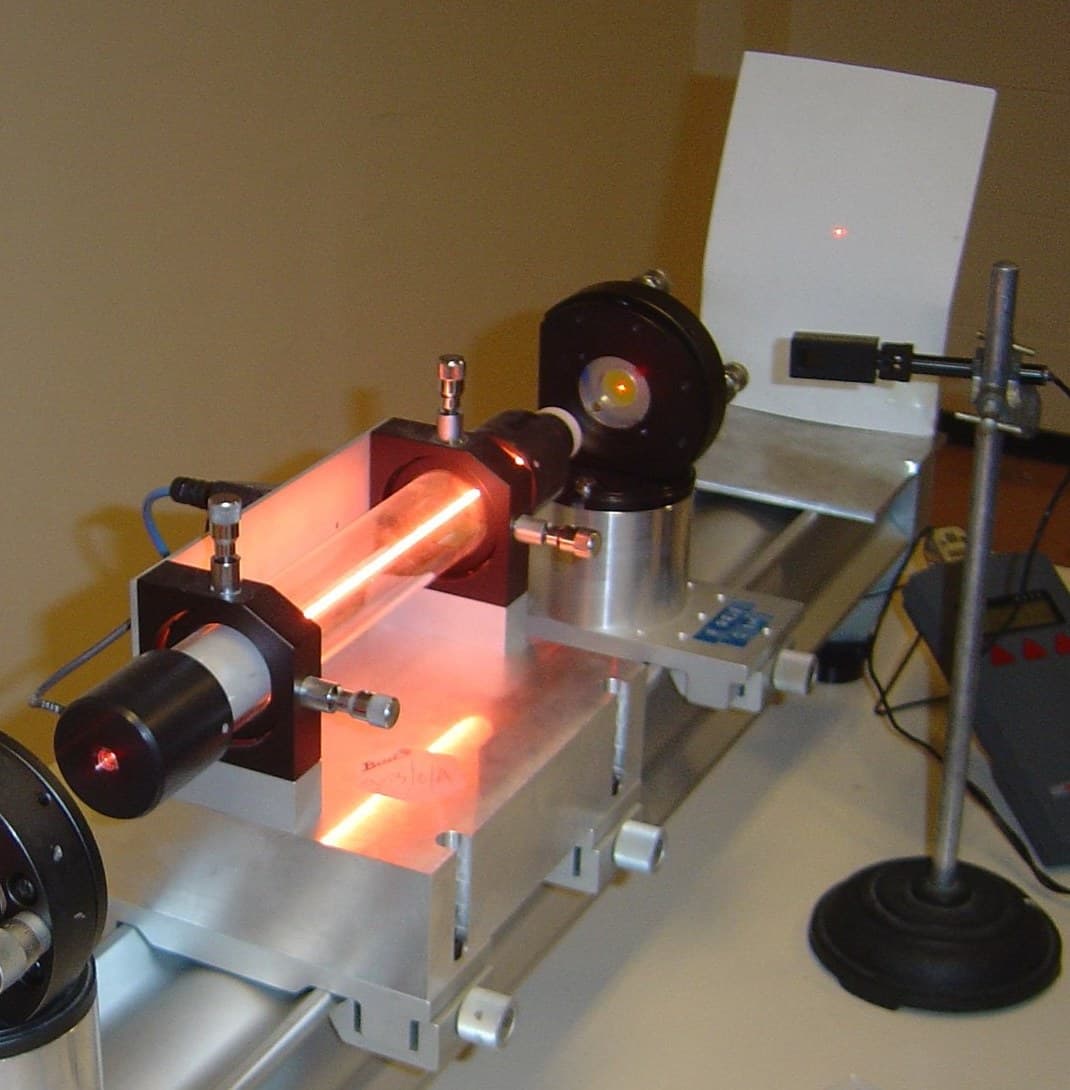
The Helium-Neon Laser
di Penny
Elettronica
50
0
0
0
0
0
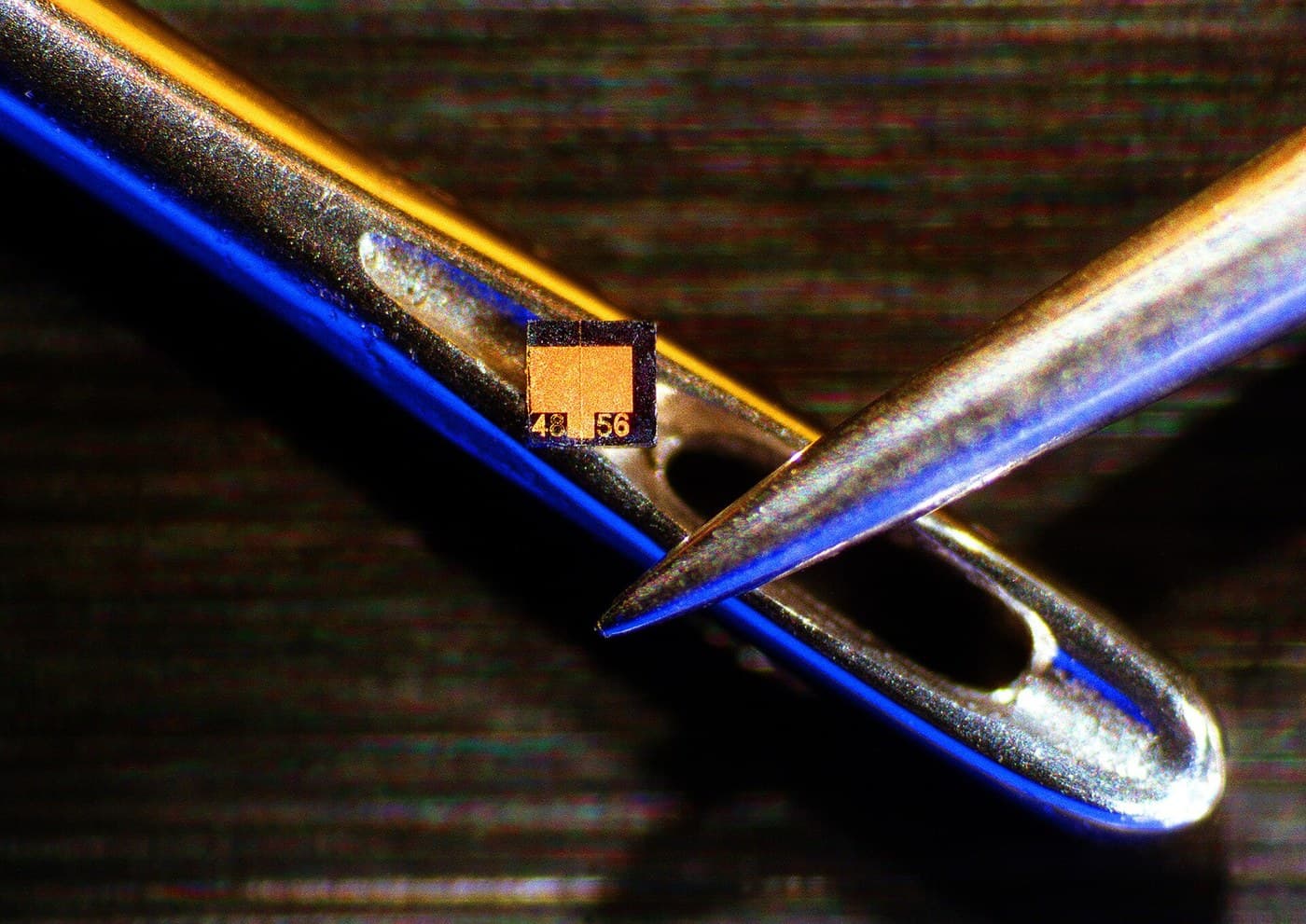
The Semiconductor Laser Diode
di Ed
Elettronica
15
0
0
0
0
0
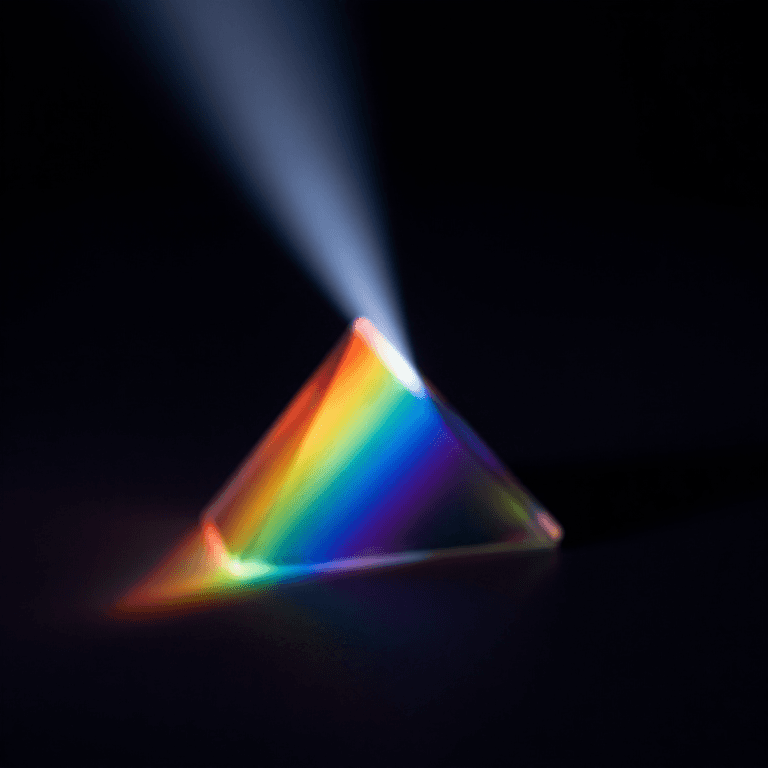
Building a Simple Spectroscope — Splitting Starlight into Its Rainbow of Elements
di Astro
Spazio
53
0
0
0
0
0
CC0 Pubblico dominio
Questo progetto è rilasciato sotto CC0. Sei libero di copiare, modificare, distribuire e utilizzare quest'opera per qualsiasi scopo, senza chiedere permesso.
Supporta il Maker acquistando prodotti tramite il suo progetto dove guadagna una Commissione Maker stabilita dai venditori, oppure crea una nuova iterazione di questo progetto e includilo come collegamento nel tuo progetto per condividere i ricavi.