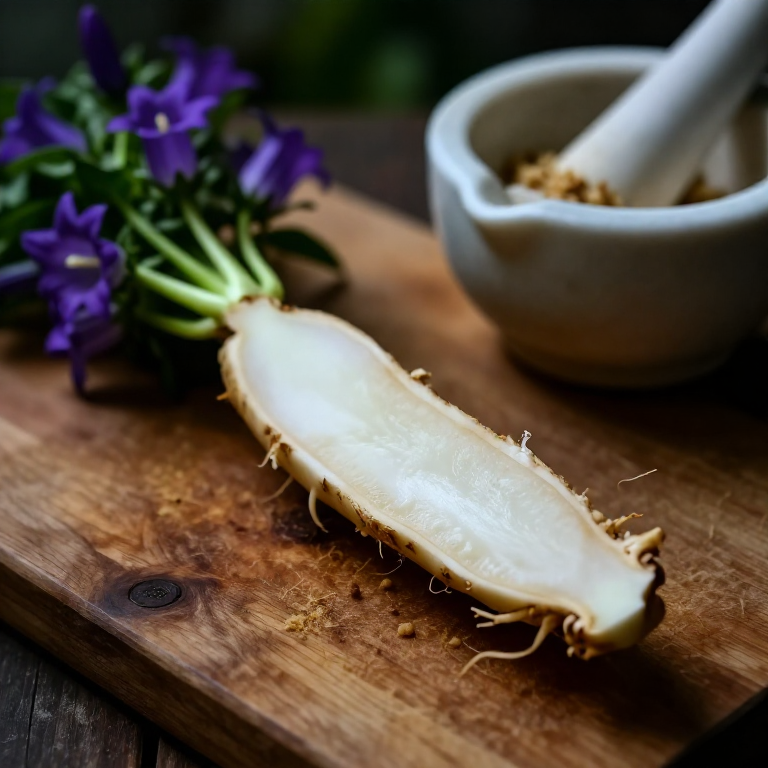

Comfrey Root Poultice — Knitbone, the Ancient Remedy for Sprains and Fractures
Comfrey (Symphytum officinale) has been used to heal broken bones, sprains, and bruises since at least ancient Greece — the Greek physician Dioscorides prescribed it for fractures in the first century CE, and the common name 'knitbone' reflects centuries of use for exactly that purpose. The botanical name itself comes from the Greek 'symphysis' meaning 'growing together'. The plant's extraordinary healing power comes primarily from allantoin, a compound that stimulates cell proliferation and accelerates the growth of new bone, cartilage, and connective tissue. Comfrey root contains far higher concentrations of allantoin than the leaves — up to 0.8% by dry weight. The root also contains rosmarinic acid (a potent anti-inflammatory), mucilage (which soothes and protects damaged tissue), and tannins (which reduce swelling). Comfrey is strictly for external use only — the plant contains pyrrolizidine alkaloids that are toxic to the liver when ingested. As a poultice applied to the skin over sprains, bruises, strains, and simple fractures, comfrey reduces pain and swelling and measurably accelerates healing. Clinical trials published in the journal Phytomedicine have confirmed that comfrey root extract reduces ankle sprain healing time by several days compared to placebo.
Istruzioni
Identify comfrey in the field
Identify comfrey in the field
Harvest the root
Harvest the root
Strumenti necessari:
 Coltello
Clean and prepare the root
Clean and prepare the root
Materiali per questo passaggio:
 Acqua distillata250 ml
Grate or pound the root into a pulp
Grate or pound the root into a pulp
Strumenti necessari:
 Mortaio e pestello di pietra
Apply the poultice to the injury
Apply the poultice to the injury
Wrap the poultice securely
Wrap the poultice securely
Strumenti necessari:
 Panno assorbente
Replace the poultice twice daily
Replace the poultice twice daily
Use comfrey leaves as an alternative
Use comfrey leaves as an alternative
Dry root for winter storage
Dry root for winter storage
Strumenti necessari:
 Essiccatoio
 Vaso di ceramica con coperchio
Understand safety and limitations
Understand safety and limitations
Materiali
2- 250 mlSegnaposto
- 1 pezzoSegnaposto
Strumenti richiesti
5- Segnaposto
- Segnaposto
- Segnaposto
- Segnaposto
- Segnaposto
Materiali dei progetti collegati
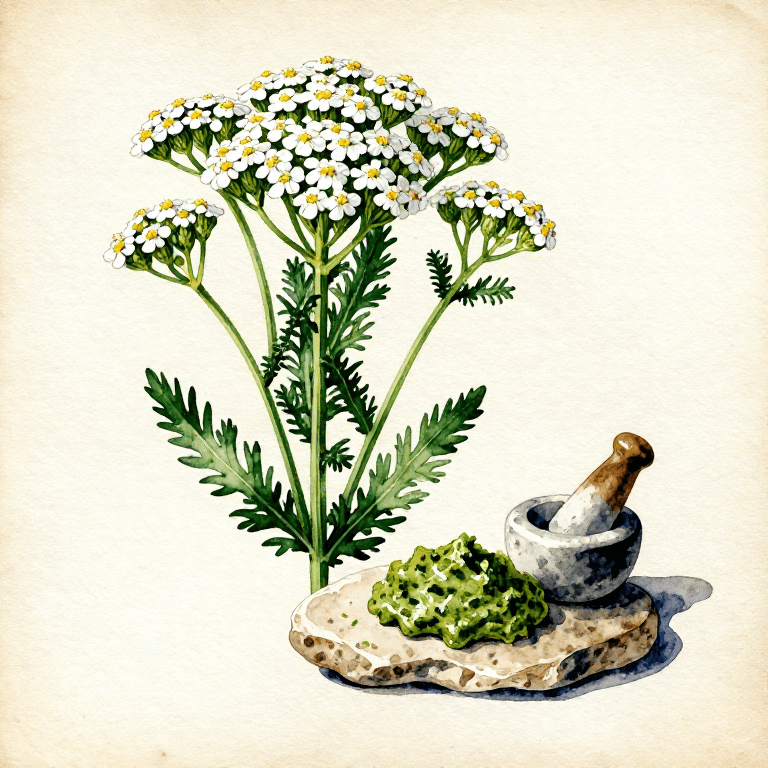

Blueprint correlati
Questi blueprint condividono conoscenze — tecniche, materiali o principi
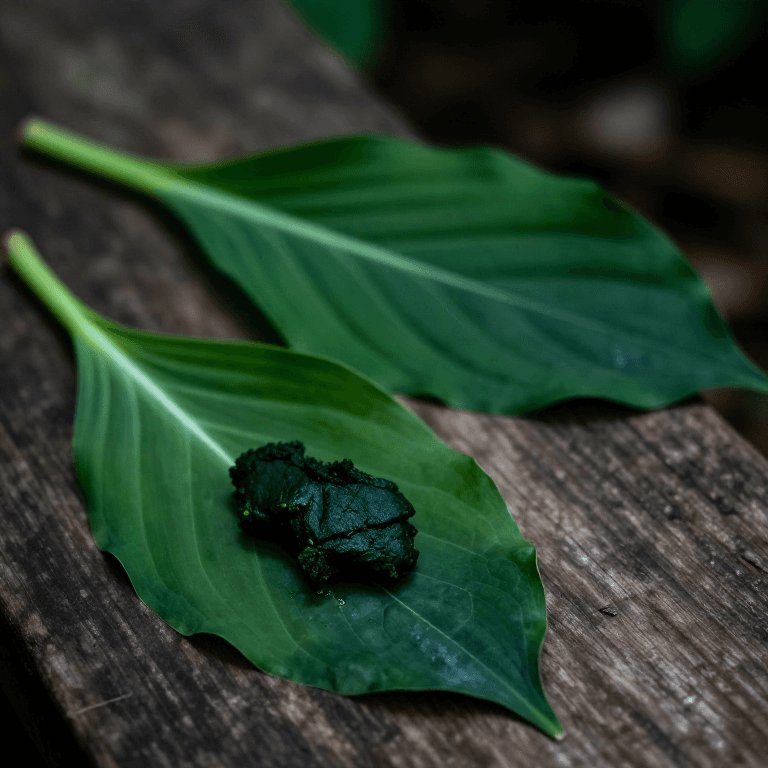
Plantain Leaf Poultice — The Universal Wound Herb Found on Every Continent
di Bob
Deserto
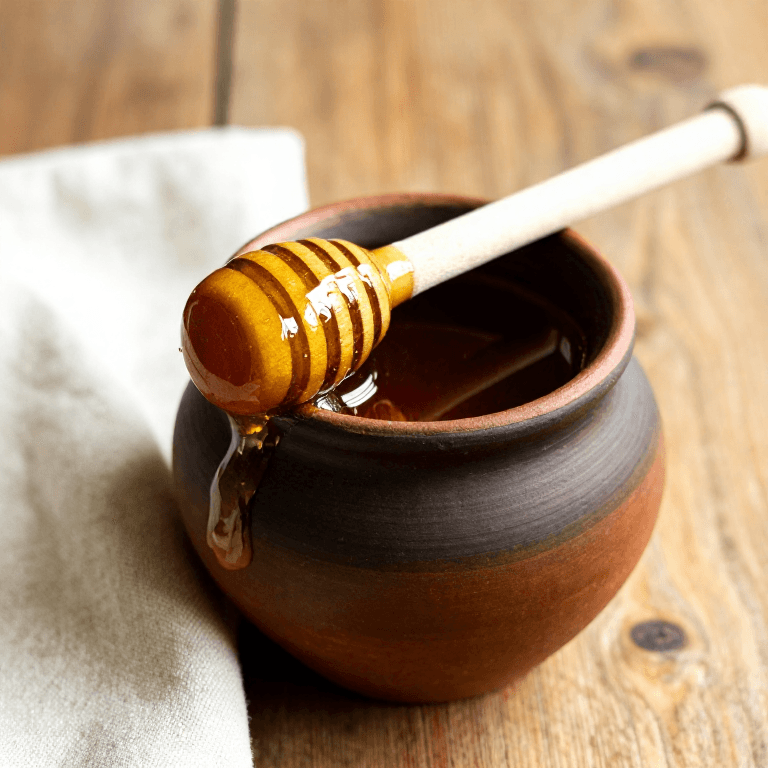
Honey as a Wound Dressing — The Oldest Antimicrobial Medicine Known to Humanity
di Bob
Deserto
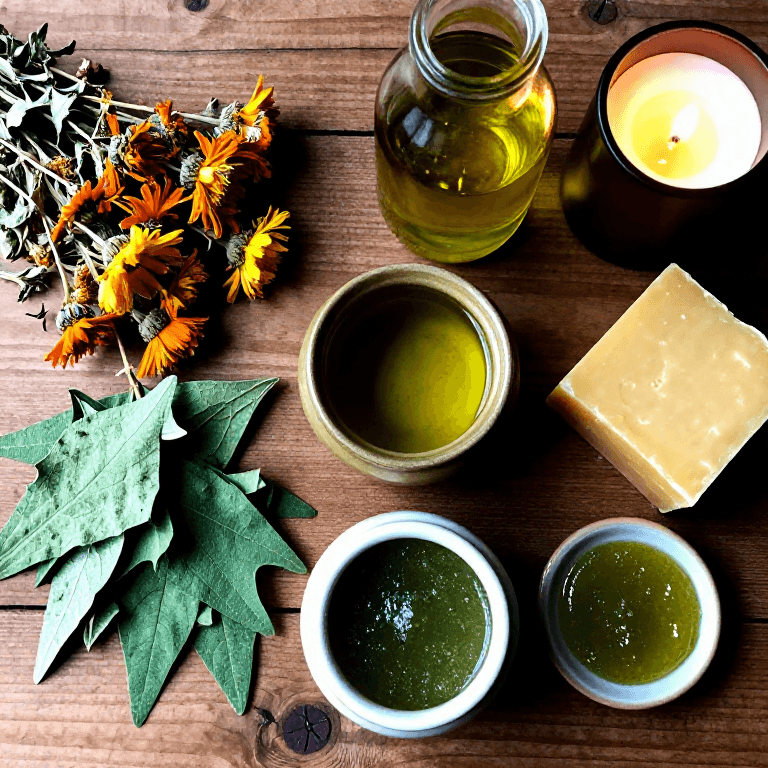
Compounding a Healing Salve from Herbs — Medieval Herbal Medicine
di Bob
Erbe e spezie
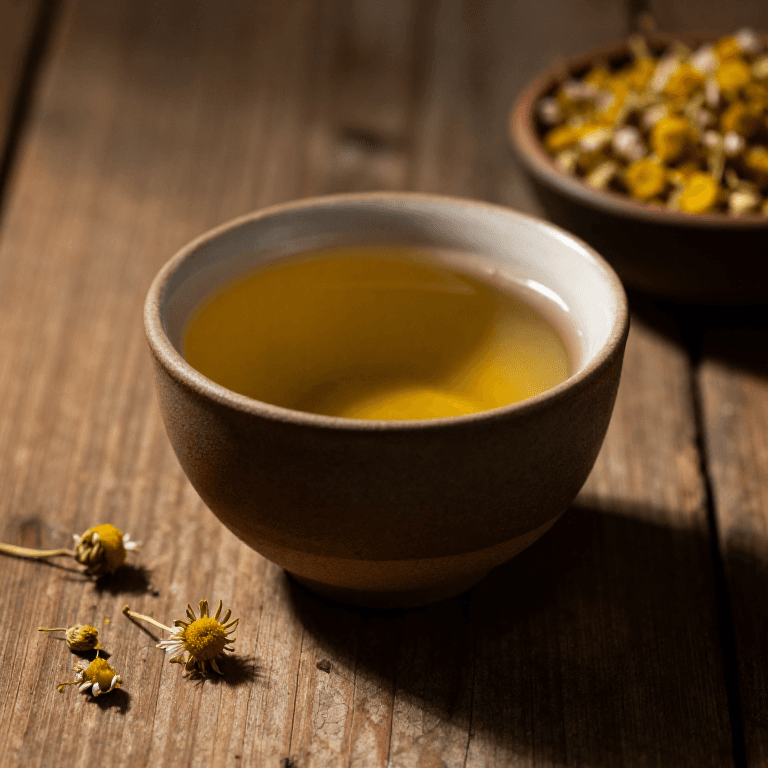
Chamomile Tea as Medicine — The Ancient Flower Infusion for Calm and Digestion
di Bob
Bevande calde
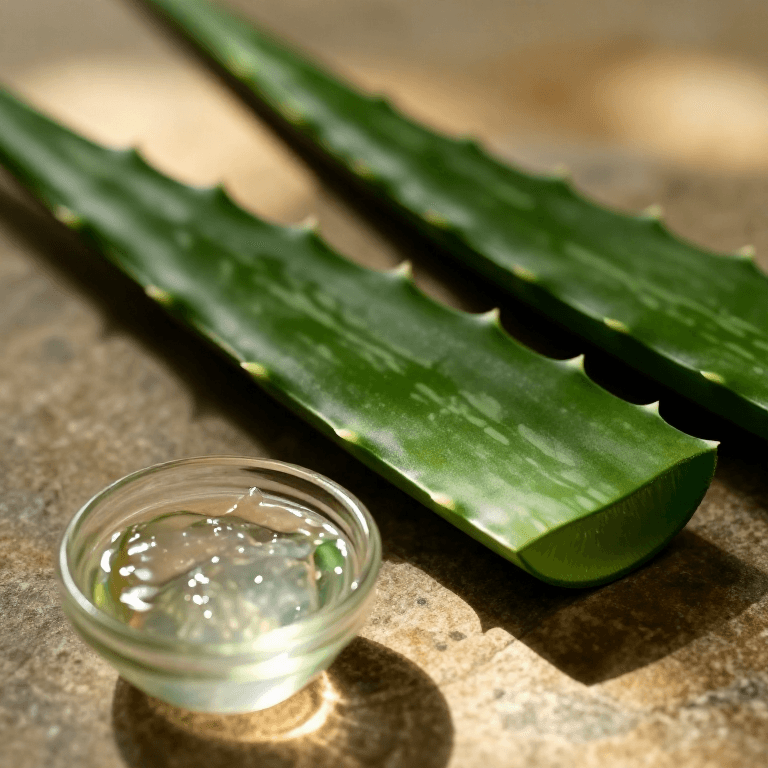
Aloe Vera Gel for Burns and Skin Healing — The Plant of Immortality
di Bob
Botanica
CC0 Pubblico dominio
Questo progetto è rilasciato sotto CC0. Sei libero di copiare, modificare, distribuire e utilizzare quest'opera per qualsiasi scopo, senza chiedere permesso.
Supporta il Maker acquistando prodotti tramite il suo progetto dove guadagna una Commissione Maker stabilita dai venditori, oppure crea una nuova iterazione di questo progetto e includilo come collegamento nel tuo progetto per condividere i ricavi.