
ARTE
BELLEZZA E BENESSERE
MESTIERE
CULTURA E STORIA
DIVERTIMENTO
AMBIENTE
CIBO E BEVANDE
INGEGNERIA INVERSA
SCIENZE
SPORT
TECNOLOGIA
INDOSSABILI
Drawing Out: Making It Longer by Making It Thinner
Forge

Creato da

Forge

24. settembre 2026NO
16
0
0
0
0

Drawing Out: Making It Longer by Making It Thinner

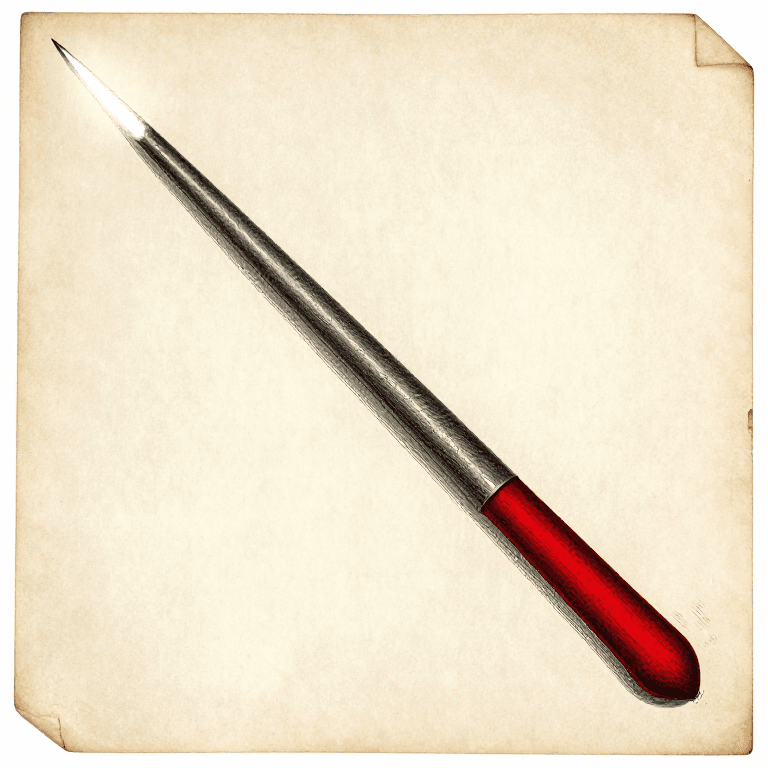
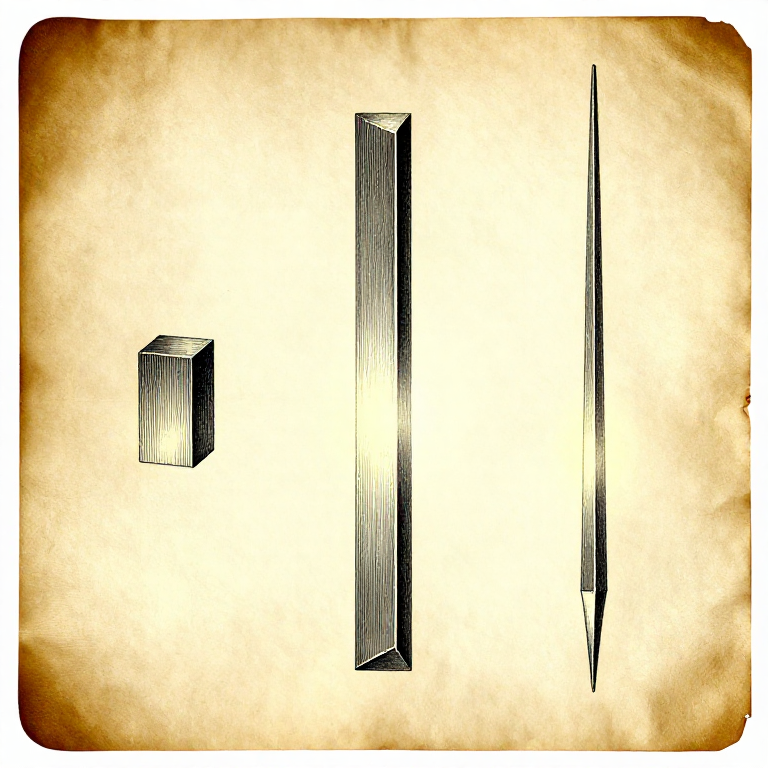
Drawing out is the commonest forging operation: making a bar longer and thinner. A taper, a blade, a spike, a leaf — all of them are drawn out. The metal is not compressed; it is MOVED. Volume is conserved, so everything that leaves the thickness has to appear somewhere in the length and the width. Controlling which of those two it goes into is the whole skill. The trick that makes it fast is counter-intuitive: hitting a smaller area moves metal quicker than hitting a large one, because the pressure is higher. That is why a smith reaches for the horn or a fuller rather than flattening away on the face.
Intermedio
3 hours

Istruzioni

1

Volume is conserved — so plan the stock first

Caricamento del notebook Jupyter…

Materiali per questo passaggio:

Barra di acciaio dolceBarra di acciaio dolce1 pezzo

Strumenti necessari:

CalcolatriceCalcolatrice
RighelloRighello
2

Work over the horn or the edge, not the flat

Hammering a bar on the flat face squashes it wider as much as longer. Lay it across the horn or over the radiused edge of the anvil and the contact patch shrinks, the pressure rises, and the metal is forced to flow along the bar. A FULLER does the same thing deliberately: a rounded tool, top or bottom, that concentrates the blow into a narrow band. Fullering a series of grooves and then flattening them out draws metal far faster than direct hammering. This is the single biggest difference between a beginner who is exhausted after twenty minutes and a smith who is still going. It is not strength — it is choosing a smaller contact patch.

Materiali per questo passaggio:

Barra di acciaio dolceBarra di acciaio dolce1 pezzo
Carbone di legna in pezziCarbone di legna in pezzi1 pezzo

Strumenti necessari:

IncudineIncudine
Fuller (ferro da scanalare)Fuller (ferro da scanalare)
Attrezzo fullerAttrezzo fuller
Martello da fabbroMartello da fabbro
3

Turn it 90 degrees every few blows

Draw a square bar by hammering one face, turning a quarter turn, hammering again, and repeating. Keep it square as it gets smaller, then round it at the end if you want round. Hammering only one face makes a flat strip, and once it has spread sideways it is very hard to get back. The quarter-turn habit is what keeps a taper square and even, and it is worth counting blows out loud while you learn it. To go from square to octagonal to round: knock the four corners off the square to make an octagon, then roll it under light blows to round it. Trying to go straight from square to round leaves flats that never quite disappear.

Materiali per questo passaggio:

Barra di acciaio dolceBarra di acciaio dolce1 pezzo

Strumenti necessari:

Martello da fabbroMartello da fabbro
IncudineIncudine
Tenaglie da fabbroTenaglie da fabbro
Martello da imbutireMartello da imbutire
4

Work the hot part, and stop when it dulls

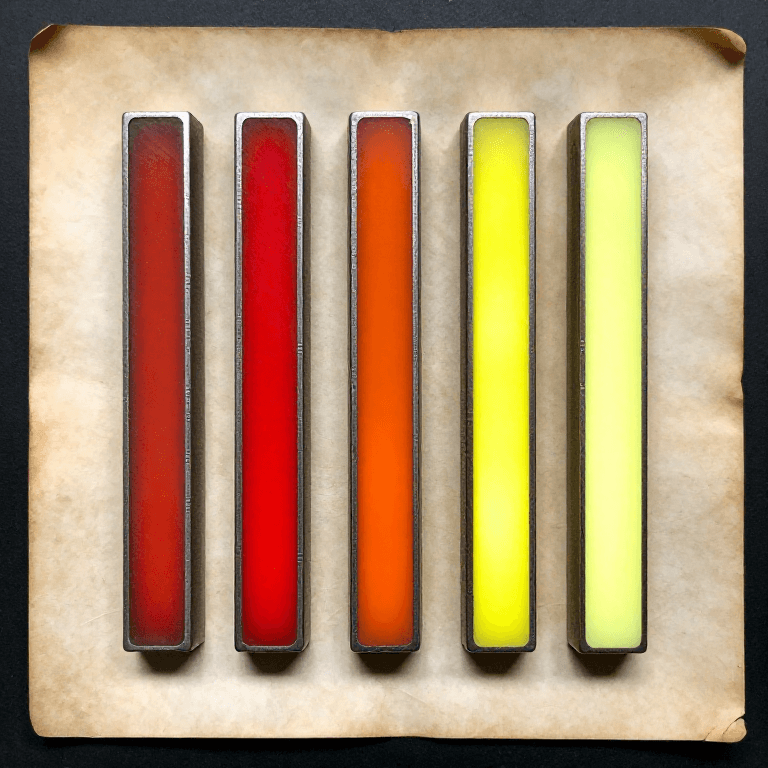
Metal only moves where it is hot. As a heat fades, the thin end cools first and stops moving while the thick part is still workable, which is exactly the surface-to-volume effect the heating rung describes. So work the hottest region and go back to the fire before the colour drops out of the forging range. Hammering steel that has gone below red achieves almost nothing, work-hardens it, and can crack it. Plan what you will do with each heat before it comes out of the fire. Three deliberate operations per heat is a good working rhythm; one operation and back in the fire wastes fuel and costs scale on every trip.

Materiali per questo passaggio:

Barra di acciaio dolceBarra di acciaio dolce1 pezzo
Carbone di legna in pezziCarbone di legna in pezzi2 pezzi

Strumenti necessari:

Forgia da fabbroForgia da fabbro
Tenaglie da fabbroTenaglie da fabbro
Martello da fabbroMartello da fabbro
Occhiali scuri da forgiaOcchiali scuri da forgia

Materiali

2

Strumenti richiesti

10

CC0 Pubblico dominio

Questo progetto è rilasciato sotto CC0. Sei libero di copiare, modificare, distribuire e utilizzare quest'opera per qualsiasi scopo, senza chiedere permesso.

Supporta il Maker acquistando prodotti tramite il suo progetto dove guadagna una Commissione Maker stabilita dai venditori, oppure crea una nuova iterazione di questo progetto e includilo come collegamento nel tuo progetto per condividere i ricavi.

Commenti

(0)

Accedi per partecipare alla discussione

Caricamento commenti...