ARTE
BELLEZZA E BENESSERE
MESTIERE
CULTURA E STORIA
DIVERTIMENTO
AMBIENTE
CIBO E BEVANDE
INGEGNERIA INVERSA
SCIENZE
SPORT
TECNOLOGIA
INDOSSABILI
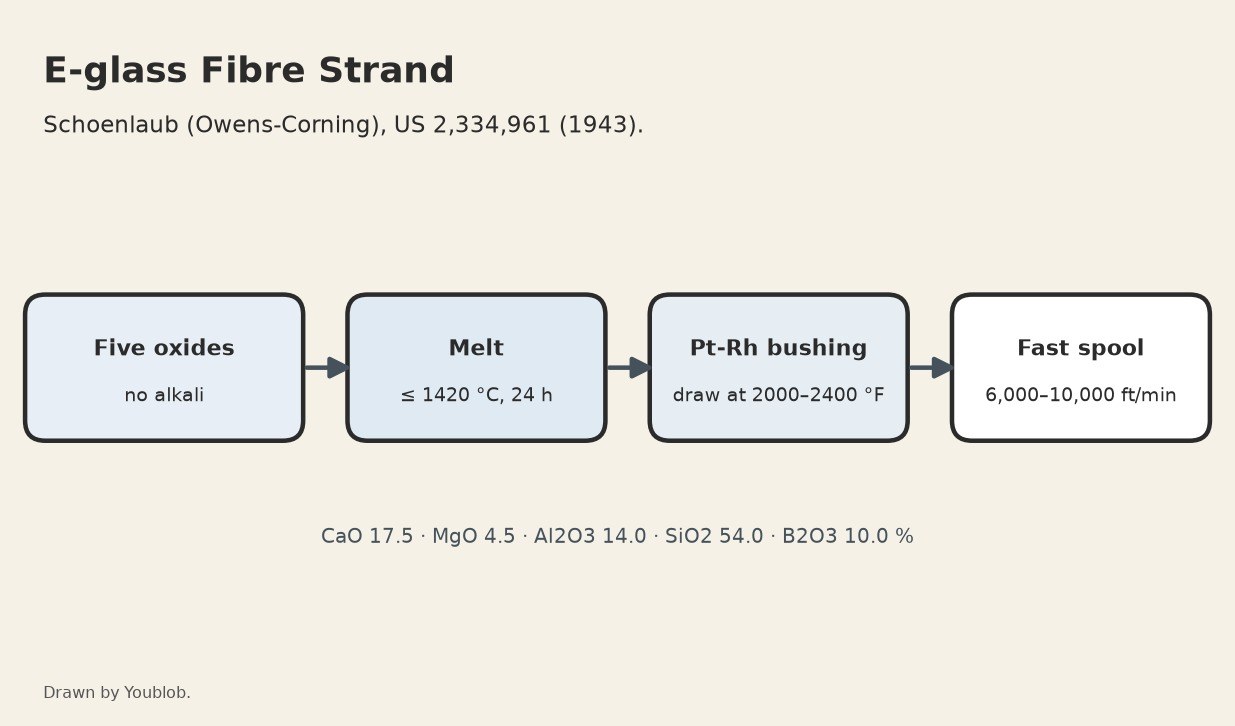


E-glass Fibre Strand: Alkali-Free Lime-Alumina-Borosilicate Glass Drawn to Filament
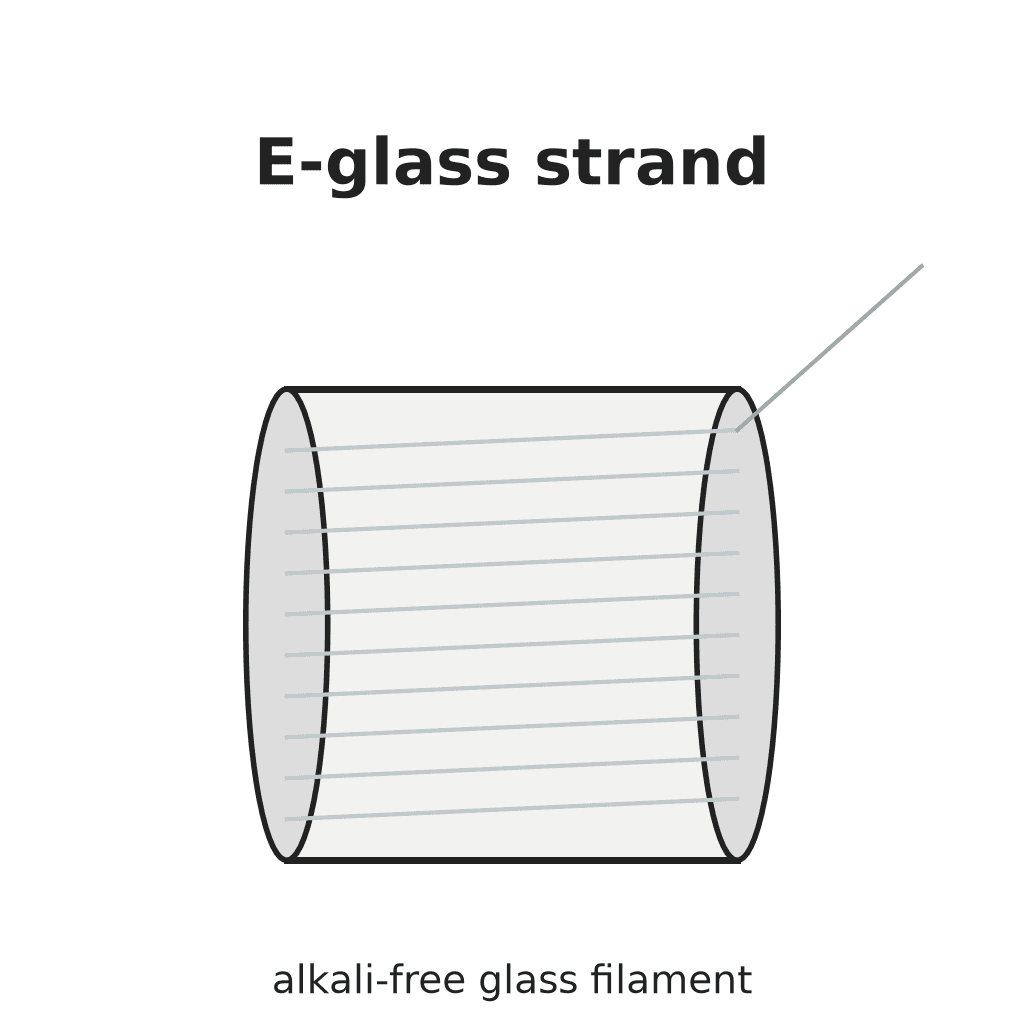
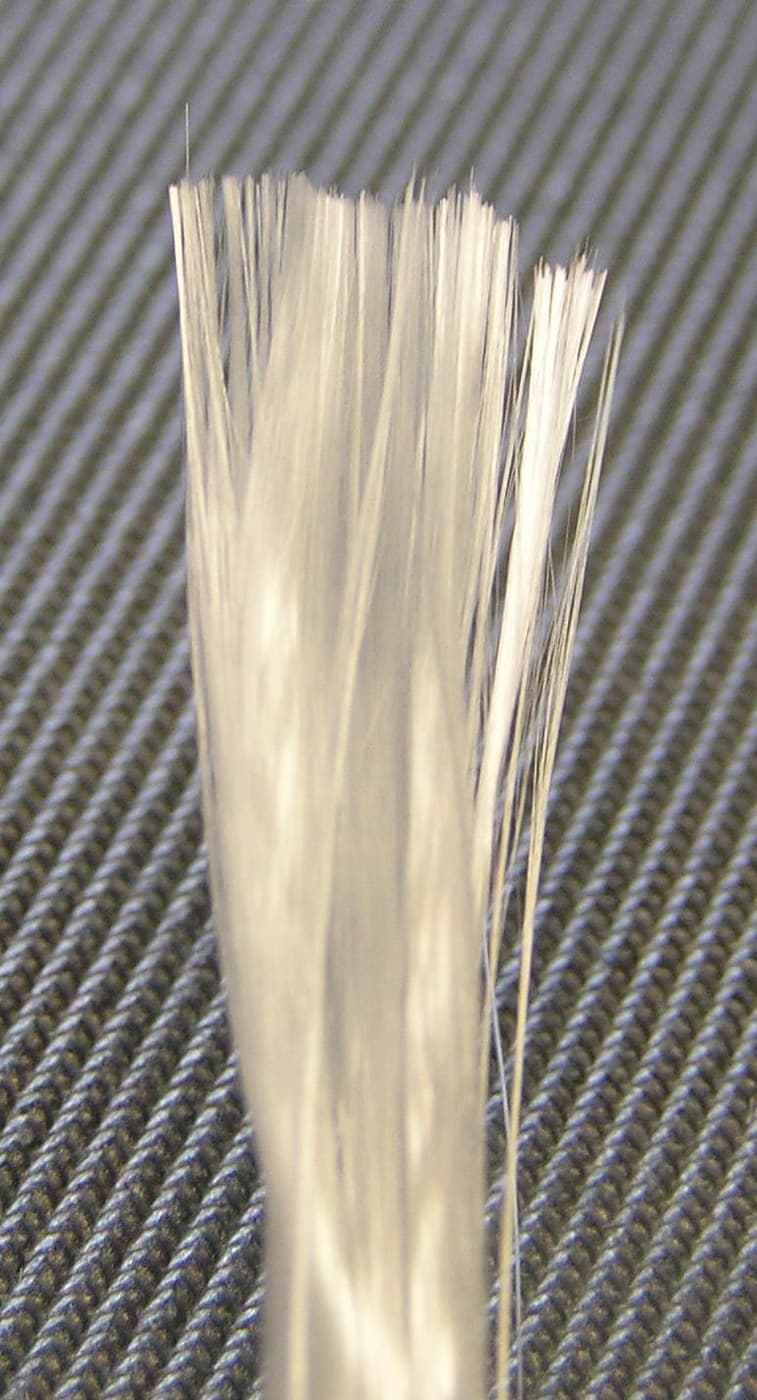
Fibre from ordinary glass carries alkali on its huge surface; it takes up water from the air and slowly destroys itself, and it conducts electricity. Schoenlaub's Owens-Corning glass (US 2,334,961, 1943) has no alkali at all: lime, magnesia, alumina and silica fluxed with boric oxide. It was made to be drawn into fibres for insulation and textiles. It is melted at up to 1420 °C and drawn into continuous filaments on a fast spool.
The picture: our diagram.
Avanzato
2 days
Istruzioni
1
1
Weigh out the batch
Weigh out the batch
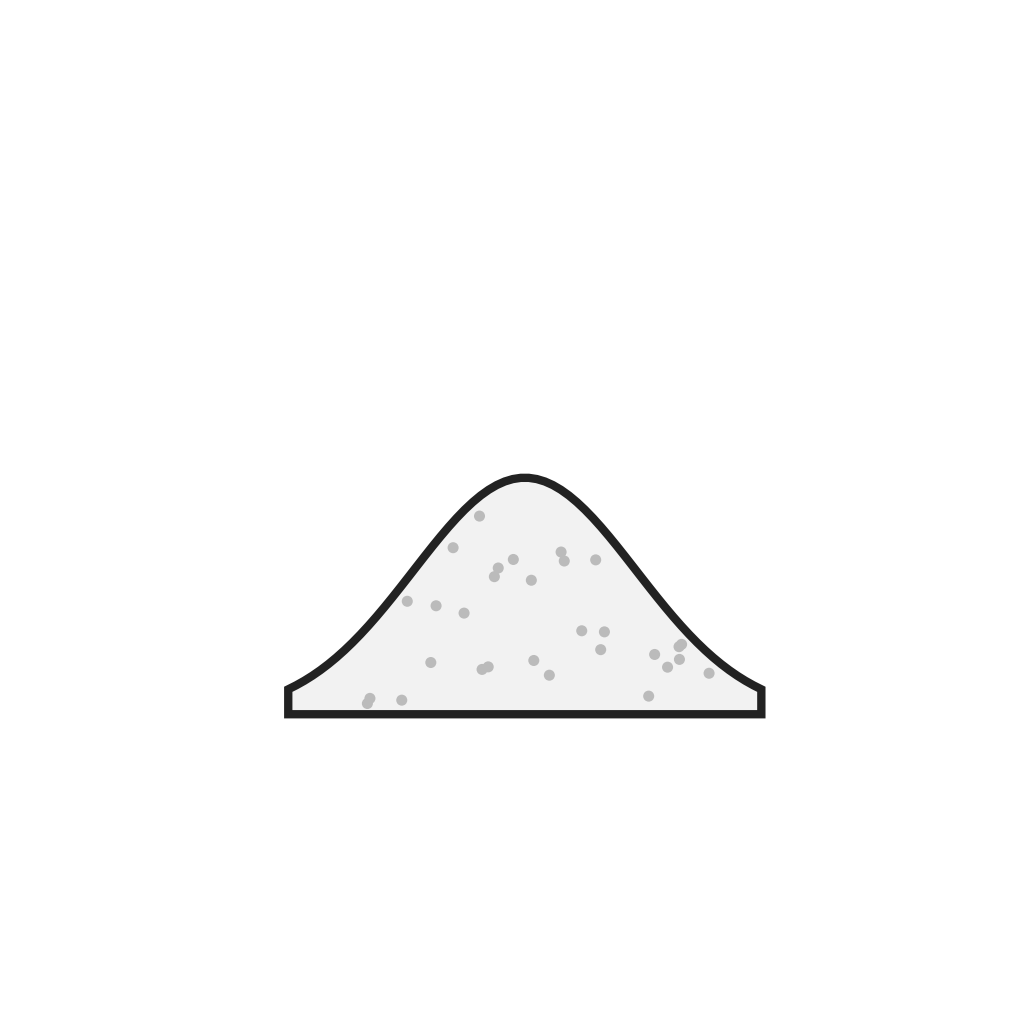
The patent's example glass: lime (CaO) 17.5 %, magnesia (MgO) 4.5 %, alumina 14.0 %, silica 54.0 %, boric oxide 10.0 %. Ours: weigh those five oxides in those proportions and mix them. Keep within the patent's limits; small changes make this glass devitrify.
Materiali per questo passaggio:
 Calce viva17.5 parts
 Ossido di magnesio4.5 parts
 Polvere di allumina (ossido di alluminio)14 parts
 Sabbia di quarzo54 parts
 Ossido borico10 parts
Strumenti necessari:
 Bilancia a bracci
 Occhiali di sicurezza
2
2
Melt at no more than 1420 °C
Melt at no more than 1420 °C
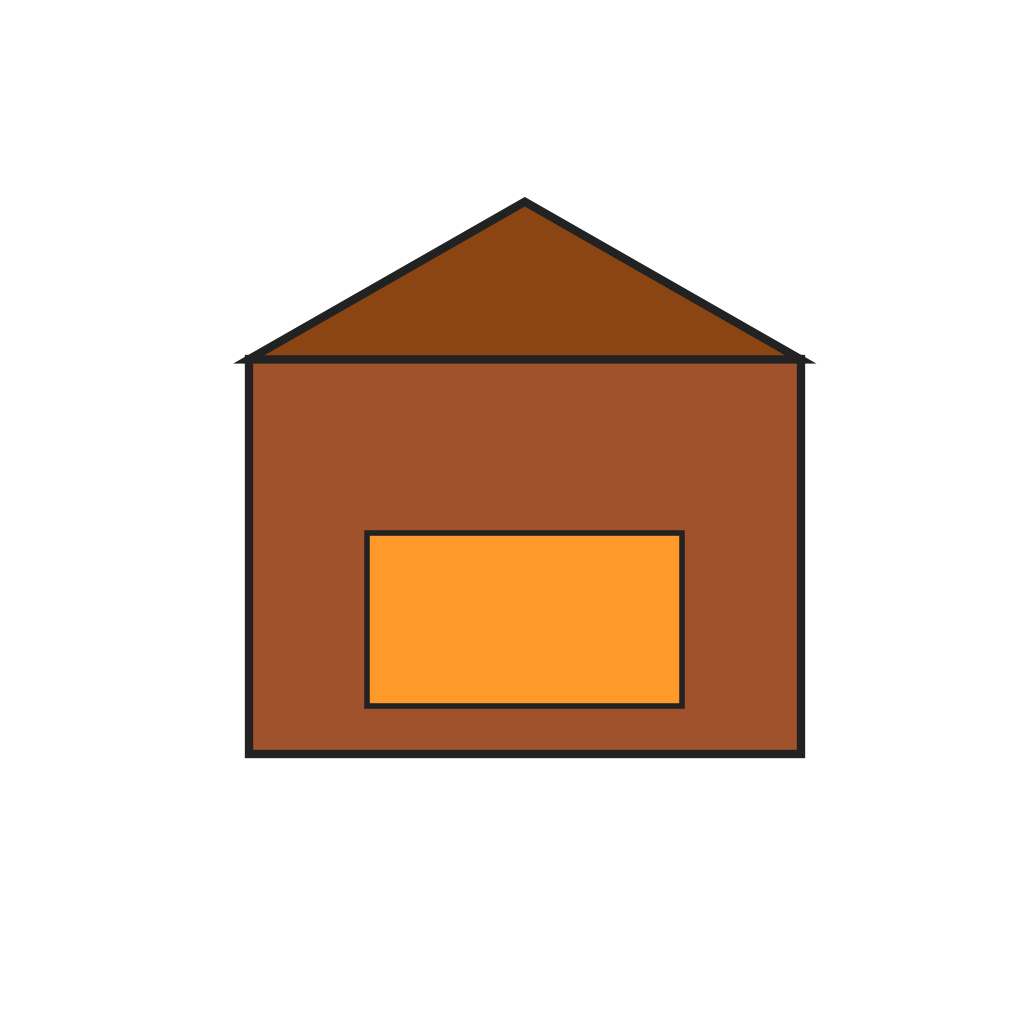
Melt the batch in a glass tank furnace without going above 1420 °C; the patent's day tanks ran on a 24-hour cycle.
Strumenti necessari:
 Forno fusorio per vetro
 Pirometro
 Guanti resistenti al caloreOcchiali di sicurezza
3
3
Feed the platinum bushing
Feed the platinum bushing
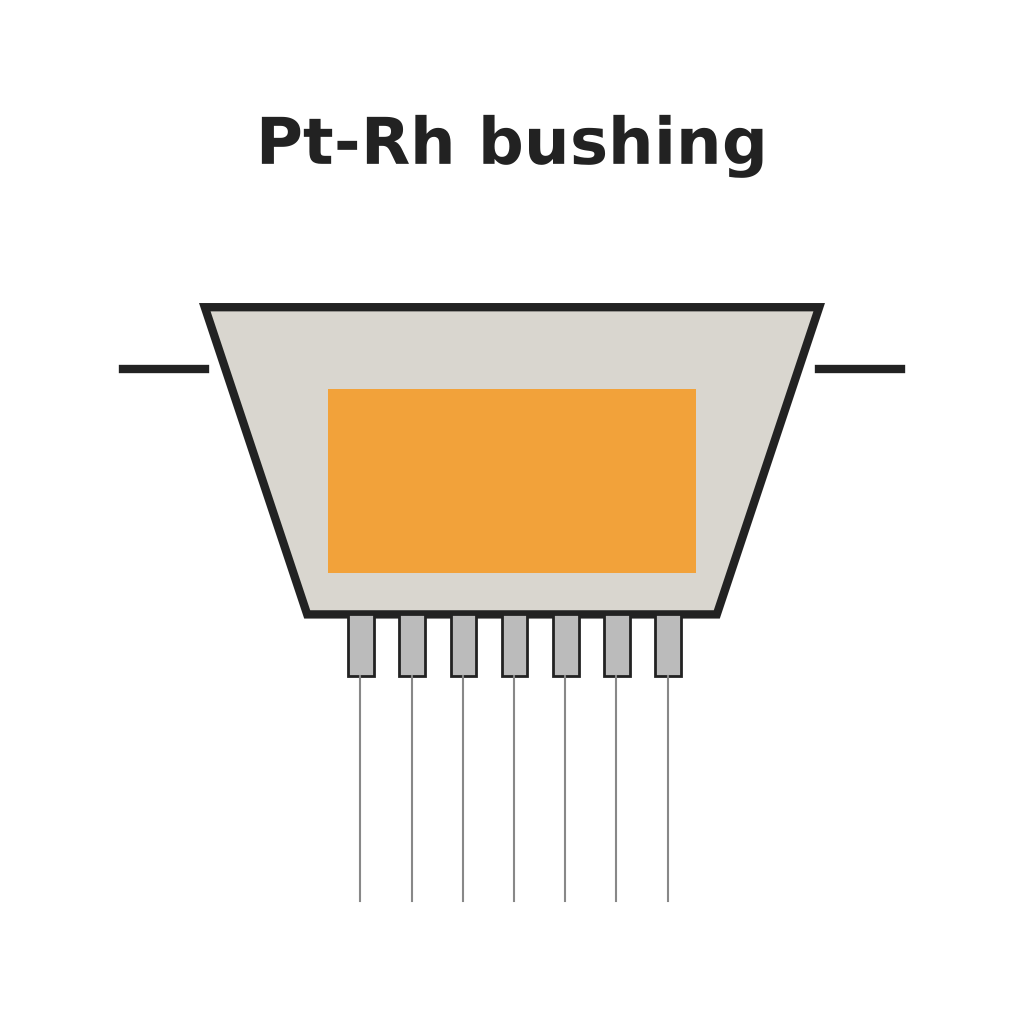
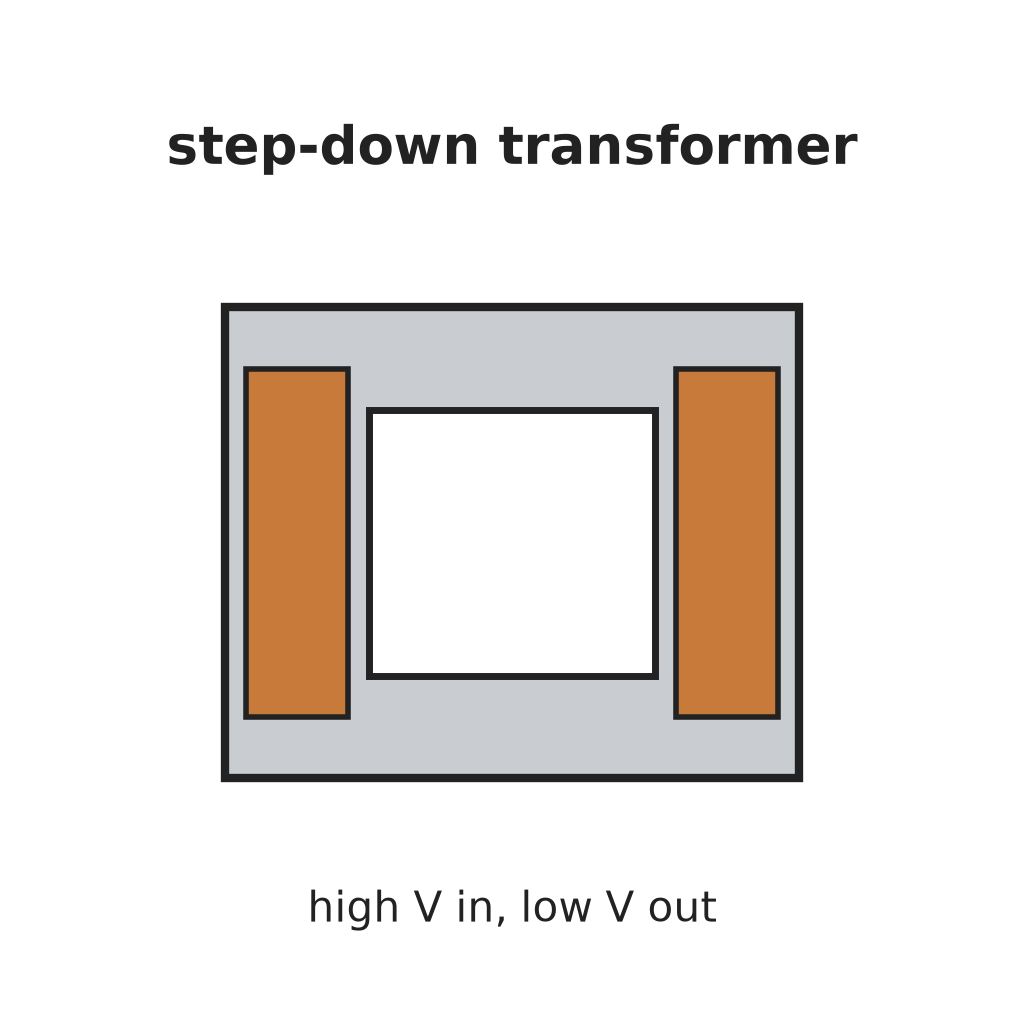
Draw from a platinum-rhodium bushing like Slayter and Thomas's, heated by an adjustable current. The drawing range of this glass is about 2000–2400 °F (1090–1320 °C). A blower below the nozzles sets each filament.
Strumenti necessari:
 Filiera in platino-rodio
 Trasformatore riduttorePirometro
 Soffiatore d'ariaGuanti resistenti al calore
4
4
Wind on a fast spool
Wind on a fast spool
Gather the filaments into a strand and wind it on a spool running as fast as 6,000–10,000 ft per minute (30–50 m/s). Filaments come out about .0001–.0003 in (2.5–7.6 µm) thick. The strand can then be twisted and plied into yarn.
Strumenti necessari:
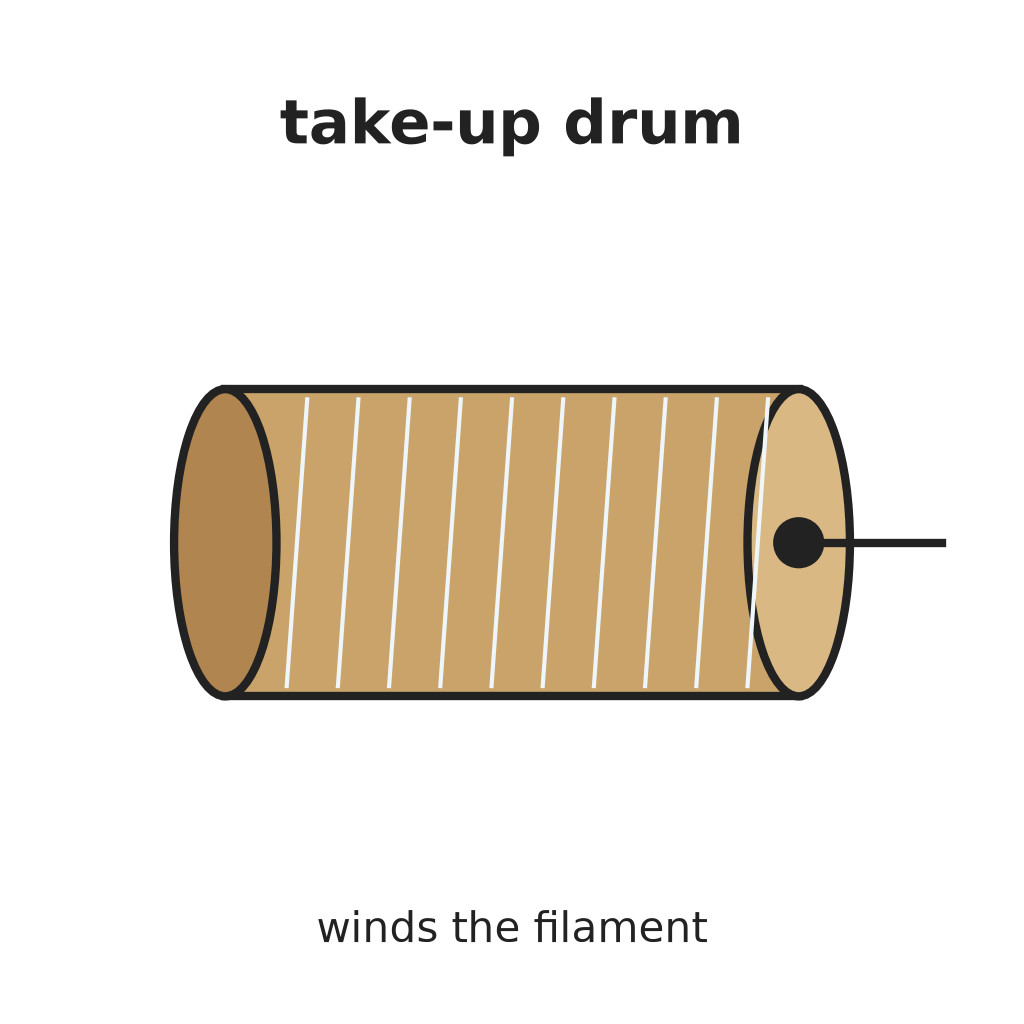 Tamburo di avvolgimento
Materiali
5- 17.5 partsSegnaposto
- 4.5 partsSegnaposto
- Segnaposto
- 54 partsSegnaposto
- 10 partsSegnaposto
Strumenti richiesti
9- Segnaposto
- Segnaposto
- Segnaposto
- Segnaposto
- Segnaposto
- Segnaposto
- Segnaposto
- Segnaposto
- Segnaposto
Questo progetto realizza
Blueprint correlati
Questi blueprint condividono conoscenze — tecniche, materiali o principi
CC0 Pubblico dominio
Questo progetto è rilasciato sotto CC0. Sei libero di copiare, modificare, distribuire e utilizzare quest'opera per qualsiasi scopo, senza chiedere permesso.
Supporta il Maker acquistando prodotti tramite il suo progetto dove guadagna una Commissione Maker stabilita dai venditori, oppure crea una nuova iterazione di questo progetto e includilo come collegamento nel tuo progetto per condividere i ricavi.