
ARTE
BELLEZZA E BENESSERE
MESTIERE
CULTURA E STORIA
DIVERTIMENTO
AMBIENTE
CIBO E BEVANDE
INGEGNERIA INVERSA
SCIENZE
SPORT
TECNOLOGIA
INDOSSABILI
Goatskin Leather Tanned with Sumac, the Morocco Way
Tex

Creato da

Tex

14. ottobre 2026FO
18
0
0
0
0

Goatskin Leather Tanned with Sumac, the Morocco Way

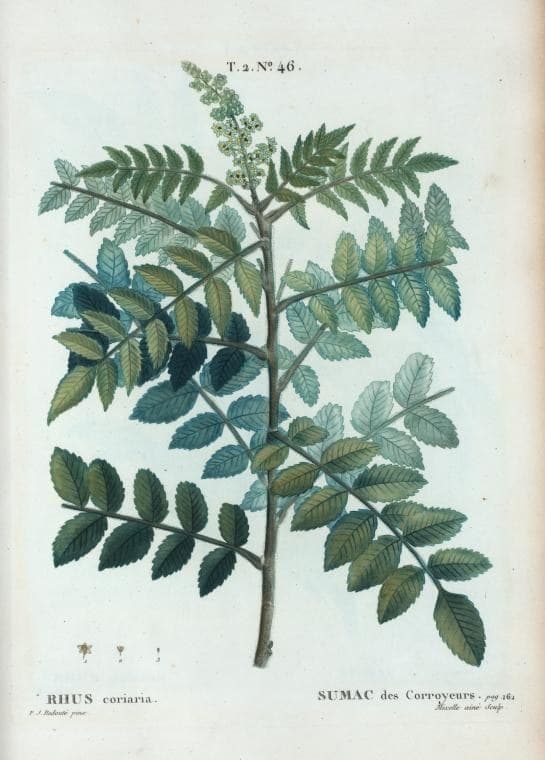
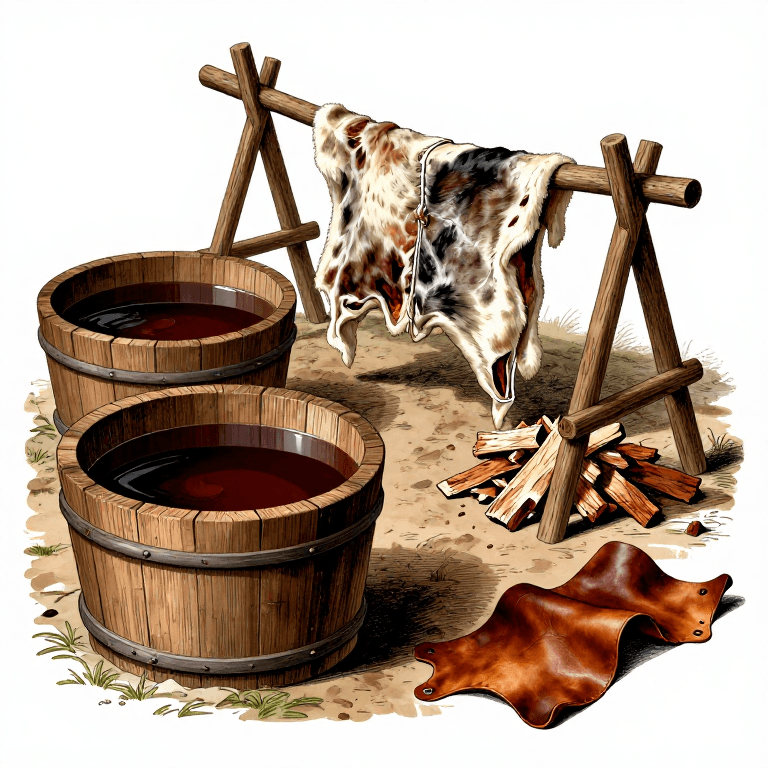
Morocco leather is goatskin tanned with sumac: light, supple and fine-grained. Andrew Ure (1839) gives the method: bran and lime to loosen the hair, the skin scraped clean, then sewn into a bag, grain outside, and floated in sumac liquor for a day. Oiled and curried, it takes the pebbled grain used for gloves and book covers. The picture: early 18th-century calf bindings inlaid with panels of coloured morocco.
Avanzato
Two to three weeks

Istruzioni

1

Soak in bran water

Steep the skins a few days in water with bran stirred in, until it ferments. Work them on the beam, soak 12 hours in fresh water and rinse.

Materiali per questo passaggio:

Pelle di capra grezzaPelle di capra grezza6 pezzi
Crusca di frumentoCrusca di frumento2 kg
AcquaAcqua100 litri

Strumenti necessari:

Tinozza di legnoTinozza di legno

Cavalletto da scarnituraCavalletto da scarnitura
2

Lime and dehair

Steep them in weak lime water until the hair pulls out easily. Scrape the hair off on the beam with the back of the fleshing knife and wash them in running water.

Materiali per questo passaggio:

Calce spentaCalce spenta2 kg
AcquaAcqua60 litri

Strumenti necessari:

Tinozza di legnoTinozza di legno
Cavalletto da scarnituraCavalletto da scarnitura
Coltello da scarnireColtello da scarnire
Guanti di gommaGuanti di gomma
3

Flesh and clean out the lime

Shave off flesh and fat with the fleshing knife and trim the edges. Rub the grain hard with a flat stone to press out lime, then a night and a day in a fresh bran bath.

Materiali per questo passaggio:

Crusca di frumentoCrusca di frumento1 kg
AcquaAcqua50 litri

Strumenti necessari:

Coltello da scarnireColtello da scarnire
Cavalletto da scarnituraCavalletto da scarnitura
Pietra per affilare grana 1000Pietra per affilare grana 1000
Tinozza di legnoTinozza di legno
4

Sew into bags

Sew each skin edgewise into a bag with the grain outside, leaving a small opening.

Materiali per questo passaggio:

Filo di linoFilo di lino20 m

Strumenti necessari:

Ago da cucitoAgo da cucito
5

Tan in sumac

Fill each bag with strong sumac liquor and close it; float the bags in a tub of the same liquor and keep them moving by hand for four hours. Drain, refill and tan again: about 24 hours in all.

Materiali per questo passaggio:

Foglie di sommacco (essiccate)Foglie di sommacco (essiccate)5.4 kg
AcquaAcqua60 litri

Strumenti necessari:

Tinozza di legnoTinozza di legno
Bilancia a bracciBilancia a bracci
6

Open, rinse and dry

Unstitch the skins, rinse them, beat them soft, drain them and hang them to dry. While still damp, sponge a thin film of linseed oil on the grain so they stay glossy and do not go horny.

Materiali per questo passaggio:

Olio di linoOlio di lino0.2 litro

Strumenti necessari:

SpugnaSpugna
7

Curry and grain

Thin the flesh side where needed and smooth the damp skin. Then work it on the flesh side with a cork-faced board, in several directions, to raise the pebbled grain (Ure: the curriers' pommel faced with cork).

Strumenti necessari:

Coltello da scarnireColtello da scarnire

Foglio di sugheroFoglio di sughero
8

Sumach for the batch

Caricamento del notebook Jupyter…
9

Limits

The process and the sumac rate are Ure's; we leave out his dyeing (cochineal, iron, indigo) and give the undyed leather. Bath volumes are ours.

Materiali

7

Strumenti richiesti

9

Questo progetto realizza

CC0 Pubblico dominio

Questo progetto è rilasciato sotto CC0. Sei libero di copiare, modificare, distribuire e utilizzare quest'opera per qualsiasi scopo, senza chiedere permesso.

Supporta il Maker acquistando prodotti tramite il suo progetto dove guadagna una Commissione Maker stabilita dai venditori, oppure crea una nuova iterazione di questo progetto e includilo come collegamento nel tuo progetto per condividere i ricavi.

Commenti

(0)

Accedi per partecipare alla discussione

Caricamento commenti...