ARTE
BELLEZZA E BENESSERE
MESTIERE
CULTURA E STORIA
DIVERTIMENTO
AMBIENTE
CIBO E BEVANDE
INGEGNERIA INVERSA
SCIENZE
SPORT
TECNOLOGIA
INDOSSABILI
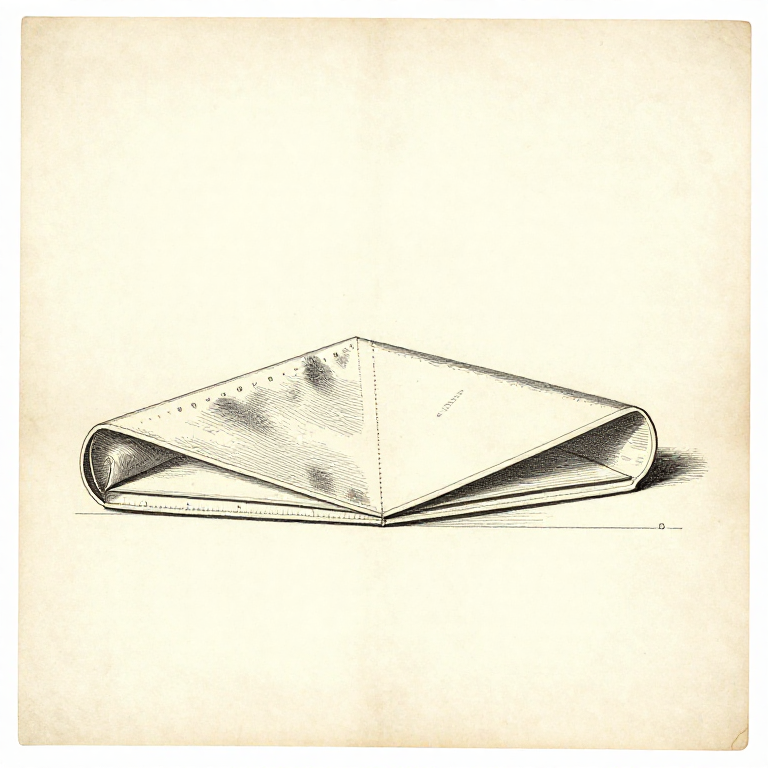


Hems and Raw Edges: Everything Frays Unless You Stop It
A cut edge of woven cloth is a row of loose thread ends, and washing and wear will pull them out one at a time until the seam itself is undermined. Every raw edge has to be dealt with somehow.
A HEM turns the edge under twice so no cut end is exposed, which is the standard answer for the bottom of anything. Inside a garment, the seam allowances need finishing too, and there are several ways depending on the fabric.
The one thing a hem must be is EVEN. An uneven hem is the single most visible fault in hand-sewn work, and it is a measuring problem rather than a sewing one.
Principiante
3 hours
Istruzioni
1
1
Turn it twice, and set the gauge once
Turn it twice, and set the gauge once
Fold the raw edge under by a small amount, press, then fold again by the hem depth and press. The cut edge is now enclosed inside the second fold and cannot fray at all.
Set a seam gauge to the hem depth and use it to check every few centimetres as you fold, rather than measuring each spot with a tape. That is the marking-gauge principle from the woodworking rungs: one setting used repeatedly beats many separate measurements.
Press each fold as you make it. A pressed fold stays where it is put and can then be pinned and sewn without fighting it, while an unpressed one springs open continuously and makes the whole job harder.
Materiali per questo passaggio:
 Tessuto di lino1 pezzo
Strumenti necessari:
 Righello per orli
 Ferro da stiro
 Spilli da sarta
2
2
Sew it so it does not show
Sew it so it does not show
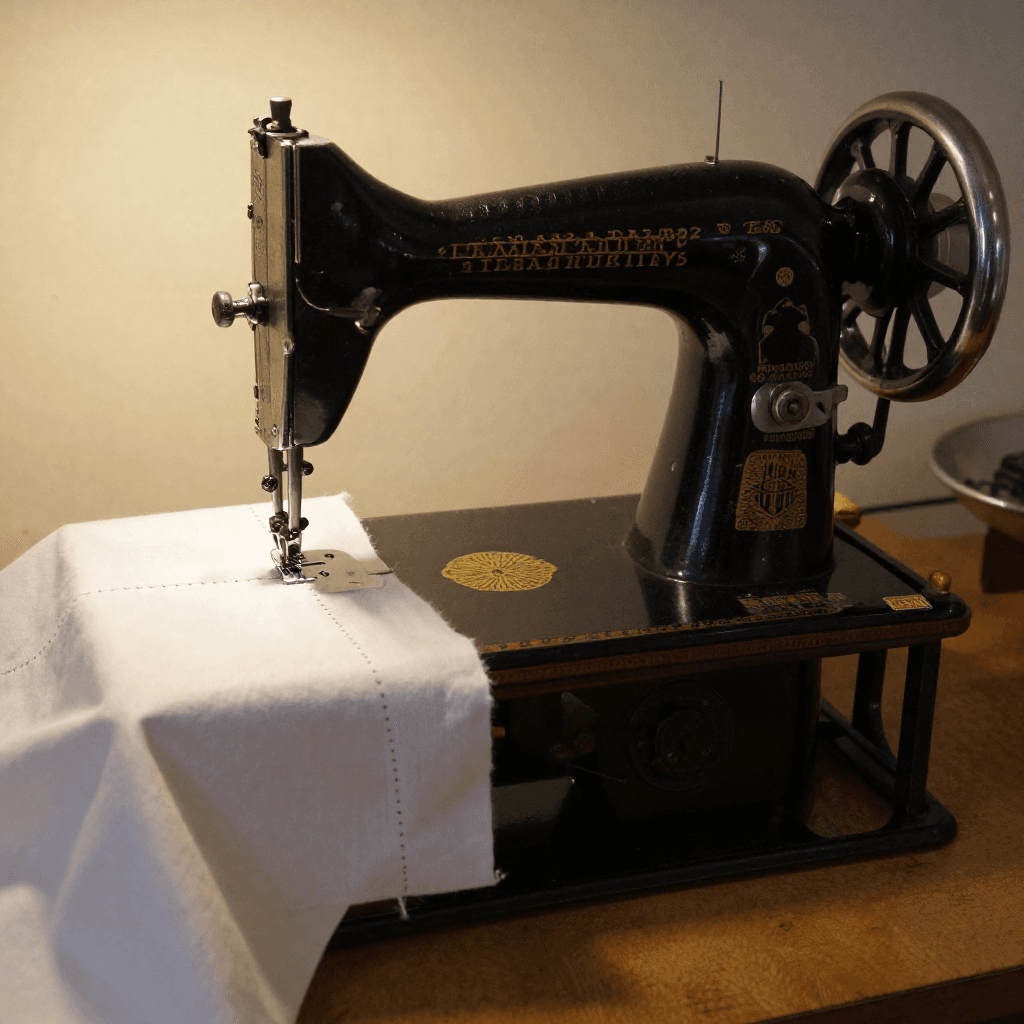
Slip stitch the folded edge down, catching only two or three threads of the outer fabric at each stitch and running the needle inside the fold between them.
Done properly nothing shows on the right side. That is the standard finish on good work, and the published four-stitches rung has the technique in detail.
Do not pull the stitches tight. A hem sewn under tension puckers, and on a curved hem — a skirt, a sleeve — the pucker gathers the excess in visible ripples. Loose and even is the target, and a curved hem needs its fullness eased in as you go rather than pulled flat.
Materiali per questo passaggio:
Tessuto di lino1 pezzo Filo da cucito1 pezzo
Strumenti necessari:
 Aghi da cucito a mano
 Ditale (metallico)
 Lente da orologiaio
3
3
Finishing the seam allowances inside
Finishing the seam allowances inside
PINKING — cutting the edge in a zigzag — stops fraying travelling far and takes seconds; it suits tightly woven fabric and nothing else. OVERCASTING by hand, a whip stitch along the raw edge, works on anything and is what was used before machines.
A FLAT-FELLED seam encloses both allowances inside a fold and stitches them down, so there is no raw edge at all. It is the strongest and neatest option, it is what the side seams of jeans and work shirts use, and it takes about three times as long.
A FRENCH SEAM encloses the raw edges by sewing the seam twice — once with wrong sides together, trimming, then again with right sides together so the first seam is inside. It suits fine and sheer fabrics where any finish would show through.
Materiali per questo passaggio:
Tessuto di lino2 pezziFilo da cucito1 pezzoStrumenti necessari:
 Forbici da sartoAghi da cucito a manoFerro da stiro
4
4
Which finish for which cloth
Which finish for which cloth
Loose open weaves fray fastest and need the most secure finish — overcast or flat-fell. Tight weaves fray slowly and tolerate pinking. Knits do not fray at all and need no edge finish, only a stitch that stretches with them.
Test before deciding: cut a scrap, rub the edge hard between finger and thumb for a few seconds, and see how much comes away. That takes ten seconds and answers the question for that specific cloth, which no general rule can.
Think about washing too. A garment washed weekly needs a finish that survives agitation for years; a wall hanging needs almost none. Matching the effort to the actual service is the judgement this rung is really about.
Materiali per questo passaggio:
Tessuto di lino1 pezzo Tela di cotone1 pezzo
Strumenti necessari:
Forbici da sartoLente da orologiaioMateriali
3- 5 pezziSegnaposto
- 2 pezziSegnaposto
- 1 pezzoSegnaposto
Strumenti richiesti
7- Segnaposto
- Segnaposto
- Segnaposto
- Segnaposto
- Segnaposto
- Segnaposto
- Segnaposto
Questo progetto realizza
Blueprint correlati
Questi blueprint condividono conoscenze — tecniche, materiali o principi
CC0 Pubblico dominio
Questo progetto è rilasciato sotto CC0. Sei libero di copiare, modificare, distribuire e utilizzare quest'opera per qualsiasi scopo, senza chiedere permesso.
Supporta il Maker acquistando prodotti tramite il suo progetto dove guadagna una Commissione Maker stabilita dai venditori, oppure crea una nuova iterazione di questo progetto e includilo come collegamento nel tuo progetto per condividere i ricavi.