Collaborazione
ARTE
BELLEZZA E BENESSERE
MESTIERE
CULTURA E STORIA
DIVERTIMENTO
AMBIENTE
CIBO E BEVANDE
INGEGNERIA INVERSA
SCIENZE
SPORT
TECNOLOGIA
INDOSSABILI
Longquan Celadon Bowls: Glaze of Glaze Stone, Husk-and-Lime Ash and Zijin Clay, Reduction Fired
Clay

Creato da

Clay

1. novembre 2026DK
12
0
0
0
0

Longquan Celadon Bowls: Glaze of Glaze Stone, Husk-and-Lime Ash and Zijin Clay, Reduction Fired

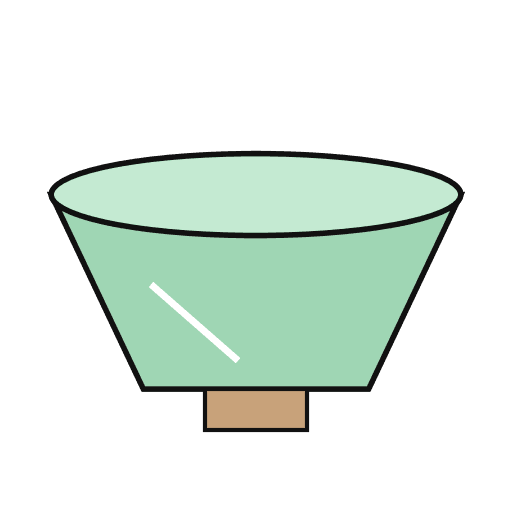
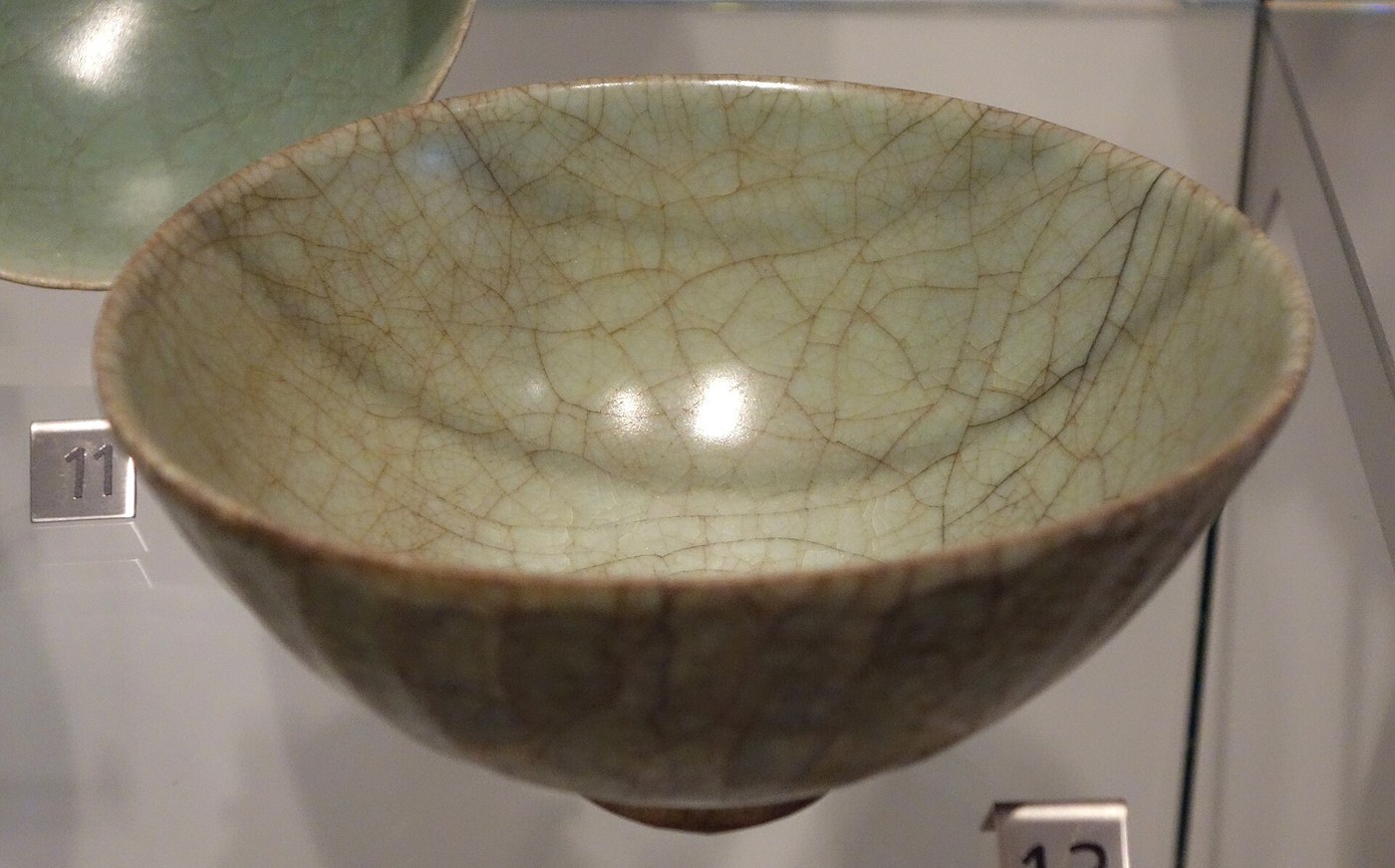
Longquan celadon, made in Longquan, China, since the 10th century, is a thick jade-green glaze over a bisque-fired body. The glaze is three powders washed out of local materials: glaze stone, the ash of rice husk burnt together with limestone, and iron-rich Zijin clay. Fired in reduction between 900 and 1230 °C, the iron in the glaze turns blue-green. Result: thick-glazed, jade-green celadon bowls. Source: the video 'Longquan celadon' by Shanbai (2025), checked frame by frame against its captions. Not given: amounts, the glaze proportion, ageing times, how iron is taken out, firing times. Unknown: the clay body of the bowls; the video does not show it. Photo: Southern Song Longquan bowl, Royal Ontario Museum, by Daderot (CC0).
Avanzato
several weeks

Istruzioni

1

Watch: Longquan celadon from stone to bowl

The whole process in eight minutes, by Shanbai: preparing the three glaze materials, throwing and bisque firing the bowls, glazing, and the reduction firing.
2

Pound the glaze stone

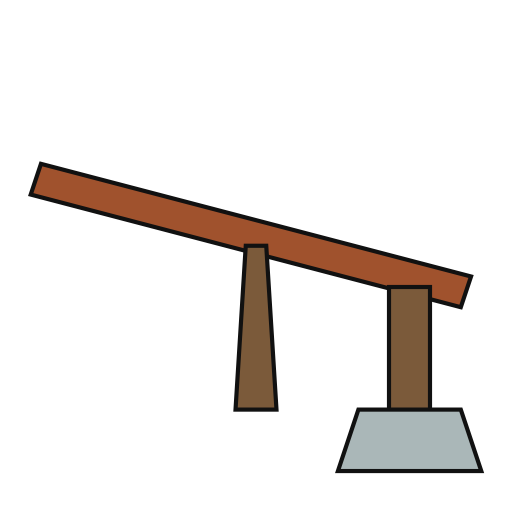
Crush the glaze stone in a stone mortar with a foot-trodden pestle.

Materiali per questo passaggio:

Pietra da invetriaturaPietra da invetriatura1 as required

Strumenti necessari:
Pestello a pedalePestello a pedale
3

Sieve and settle the stone

Sieve the crushed stone and pound the coarse bits again. Stir the fine stone into water in a vat, sieve off the fine particles suspended in the water into another vat, and let them settle.

Strumenti necessari:

Serie di setacci (maglie graduate)Serie di setacci (maglie graduate)
AcquaAcqua
Vaso di ceramica con coperchioVaso di ceramica con coperchio
MestoloMestolo
4

Burn rice husk with limestone

In a brick-edged bed outdoors, lay rice husk and limestone in alternate layers and burn them. Turn the materials several times during the firing so the husk burns completely.

Materiali per questo passaggio:

Lolla di risoLolla di riso1 as required
Blocco di calcareBlocco di calcare1 as required

Strumenti necessari:
MattoneMattone
PalaPala
5

Sieve and wash the ash

Sieve the ash into a vat. Add water and ladle it through a fine sieve into a fresh vat. While this 'black glaze' settles, change the water and wash it several times.

Strumenti necessari:

Serie di setacci (maglie graduate)Serie di setacci (maglie graduate)
Vaso di ceramica con coperchioVaso di ceramica con coperchio
AcquaAcqua
MestoloMestolo
6

Mill and settle the Zijin clay

Grind the dry Zijin clay to powder in a stone hand mill. Mix it well with water, sieve it into a fresh vat and let the fine particles settle.

Materiali per questo passaggio:

Argilla zijinArgilla zijin1 as required

Strumenti necessari:
Macina a mano di pietraMacina a mano di pietra
AcquaAcqua
Serie di setacci (maglie graduate)Serie di setacci (maglie graduate)
Vaso di ceramica con coperchioVaso di ceramica con coperchio
7

Dewater in bags, then age

Drain the water off each of the three vats without stirring up the settled powder. Scoop each paste into a cloth bag, lay the bags on a board and press them under a millstone. When they are dewatered to a certain degree, let them age for a while. Not given: how long. Ours: linen bags (as in the transcript).

Strumenti necessari:

MestoloMestolo
Sacchetto di linoSacchetto di lino
Macina a manoMacina a mano
8

Throw the bowls

Throw the bowls on the wheel and let them air-dry in the shade. Unknown: the clay body; the video does not show what it is or how it is made.

Materiali per questo passaggio:

Impasto argilloso sconosciutoImpasto argilloso sconosciuto1 as required

Strumenti necessari:
Tornio da vasaioTornio da vasaio
9

Trim and stamp

Set each dry bowl upside down on a chuck on the wheel, trim the outside and the foot smooth, and stamp your mark in the foot.

Strumenti necessari:

Tornio da vasaioTornio da vasaio
Ferri da tornitura del legno verdeFerri da tornitura del legno verde
Timbro da vasaioTimbro da vasaio
10

Bisque fire at about 800 °C

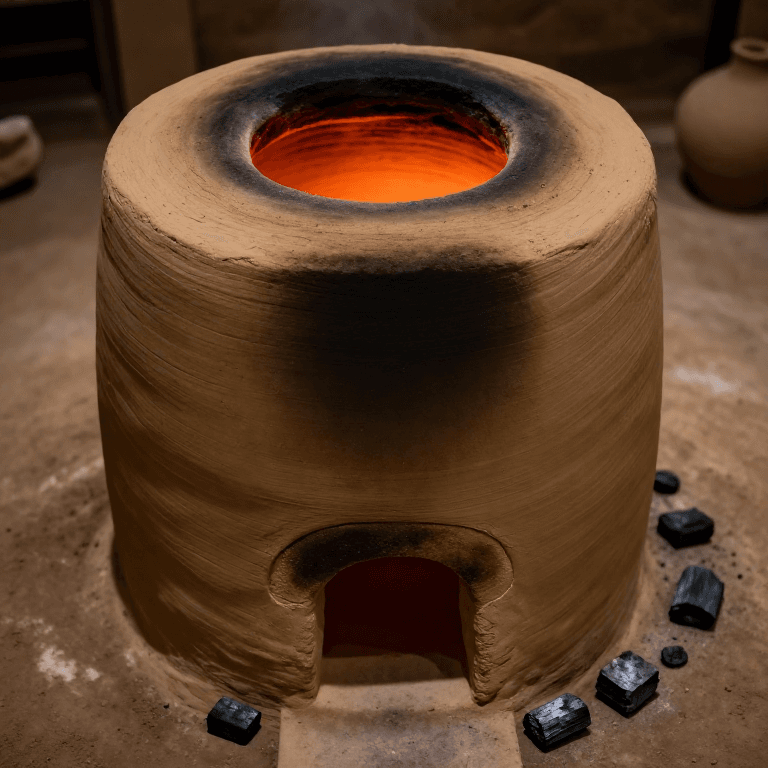
Stack the bowls in the kiln, brick up the door and seal it with mud, and fire with wood to about 800 °C. The bisque firing makes the body stronger and more absorbent, so the glaze takes better.

Strumenti necessari:

FornaceFornace
MattoneMattone
Legna da ardereLegna da ardere
PirometroPirometro
11

Make the glaze

Mix the burnt husk-and-lime ash, the glaze stone and the Zijin clay in proportion, add about an equal amount of water, stir and grind fine. Sieve it, take out the iron, and let the glaze age in the glaze vat. Not given: the proportion, how the iron is removed, how long it ages. Rice husk ash, glaze stone and Zijin clay give the silica, feldspar and kaolin; Zijin clay's iron is the colourant; lime and the potash and soda of feldspar lower the melting point.

Strumenti necessari:

Mortaio e pestello di pietraMortaio e pestello di pietra
AcquaAcqua
Serie di setacci (maglie graduate)Serie di setacci (maglie graduate)
Vaso di ceramica con coperchioVaso di ceramica con coperchio
12

Dip the bowls

Hold each bisque bowl with wire tongs and dip it into the glaze. Let it air-dry.

Strumenti necessari:

Pinze per immersionePinze per immersione
Vaso di ceramica con coperchioVaso di ceramica con coperchio
13

Spray on more glaze

Set the bowl upside down on a chuck on the wheel and spray glaze evenly over the outside with a mouth-blown sprayer. Repeated bisque firings, dipping and thin spray coats build a thick glaze; Longquan celadon is a lime-alkali glaze that stays put at high temperature. Scrape the glaze off the foot with a knife.

Strumenti necessari:

Tornio da vasaioTornio da vasaio
Spruzzatore di vetrina a fiatoSpruzzatore di vetrina a fiato
ColtelloColtello
14

Reduction fire in saggars

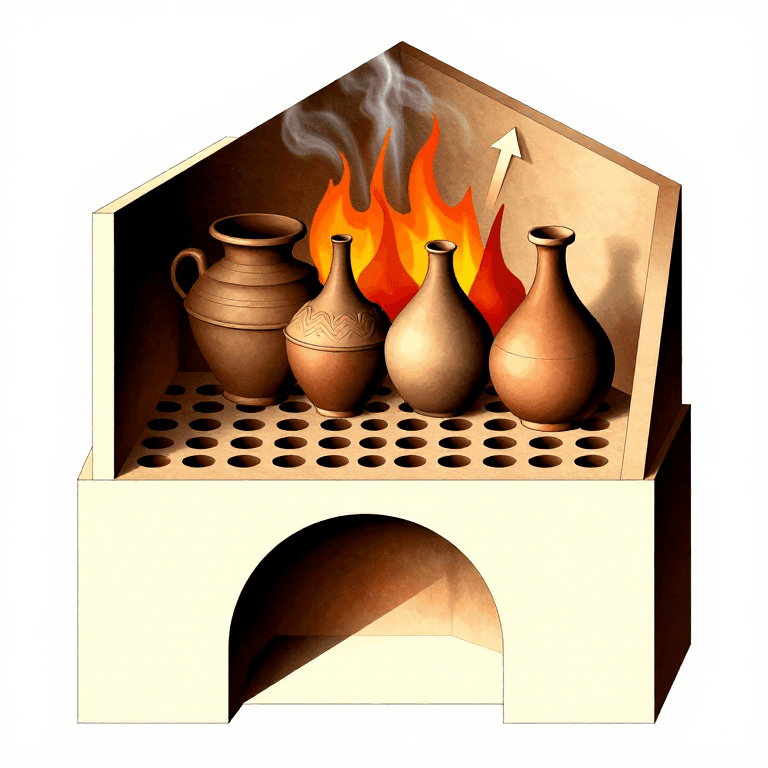
Set the bowls in saggars, stack them in the kiln and seal the door. Between 900 °C and 1230 °C, feed fuel often, and when combustion is insufficient fire in reduction: the iron in the glaze gives up oxygen, and the mix of divalent and trivalent iron turns the glaze blue-green. Not given: how long the firing takes.

Strumenti necessari:

Cassetta refrattariaCassetta refrattaria
FornaceFornace
MattoneMattone
Legna da ardereLegna da ardere
PirometroPirometro

Materiali

5

Strumenti richiesti

21

CC0 Pubblico dominio

Questo progetto è rilasciato sotto CC0. Sei libero di copiare, modificare, distribuire e utilizzare quest'opera per qualsiasi scopo, senza chiedere permesso.

Supporta il Maker acquistando prodotti tramite il suo progetto dove guadagna una Commissione Maker stabilita dai venditori, oppure crea una nuova iterazione di questo progetto e includilo come collegamento nel tuo progetto per condividere i ricavi.

Commenti

(0)

Accedi per partecipare alla discussione

Caricamento commenti...