ARTE
BELLEZZA E BENESSERE
MESTIERE
CULTURA E STORIA
DIVERTIMENTO
AMBIENTE
CIBO E BEVANDE
INGEGNERIA INVERSA
SCIENZE
SPORT
TECNOLOGIA
INDOSSABILI
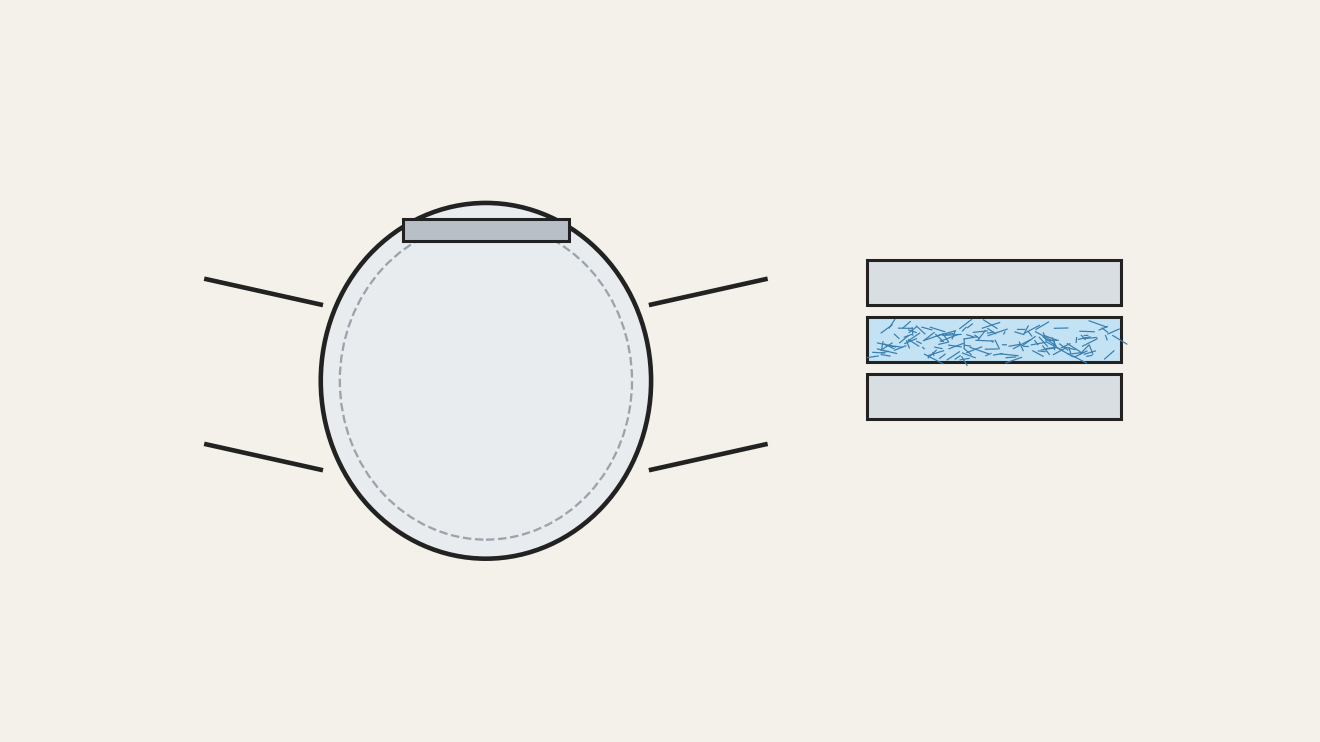


N95 Respirator: Melt-Blown, Charged and Welded
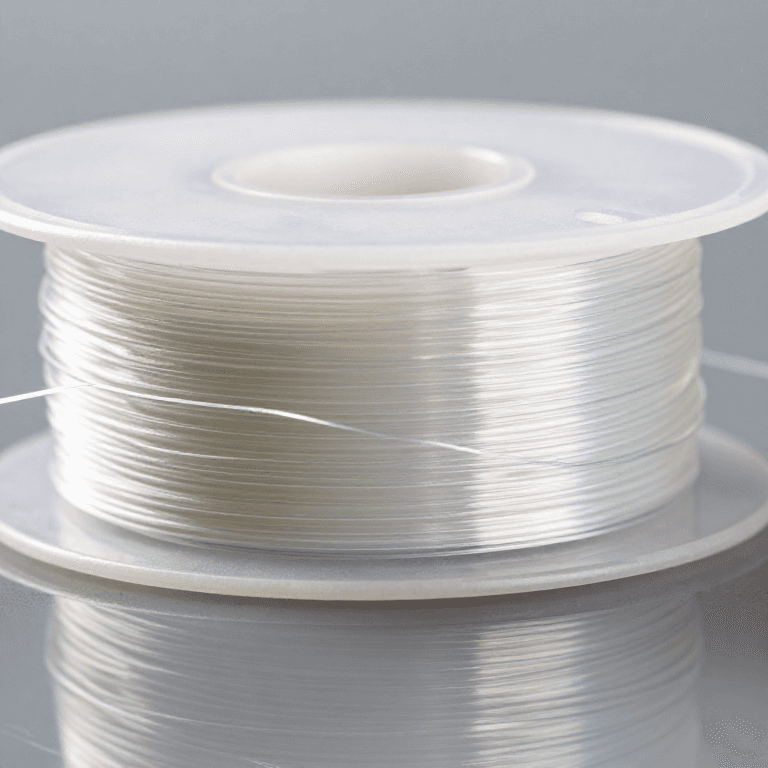
The filter of an N95 respirator is nonwoven polypropylene made by melt blowing: molten polymer is pushed through a spinneret and jets of hot air stretch it into very fine fibres that land on a moving belt as a web. The fibres carry an electric charge, an electret, which helps them catch particles; charges can be put on such materials by corona discharge. Typical filter layers weigh 10–100 g per square metre. The filter is layered between cover webs, cut and ultrasonically welded; an aluminium strip is sealed in at the top as a nose clip, and the straps are stapled on.
Avanzato
Factory process
Istruzioni
1
1
Melt-blow the filter
Melt-blow the filter
Melt polypropylene, extrude it through a spinneret and stretch it into fine fibres with hot air onto a moving belt.
Materiali per questo passaggio:
 Granuli di polipropilene1 kg
Strumenti necessari:
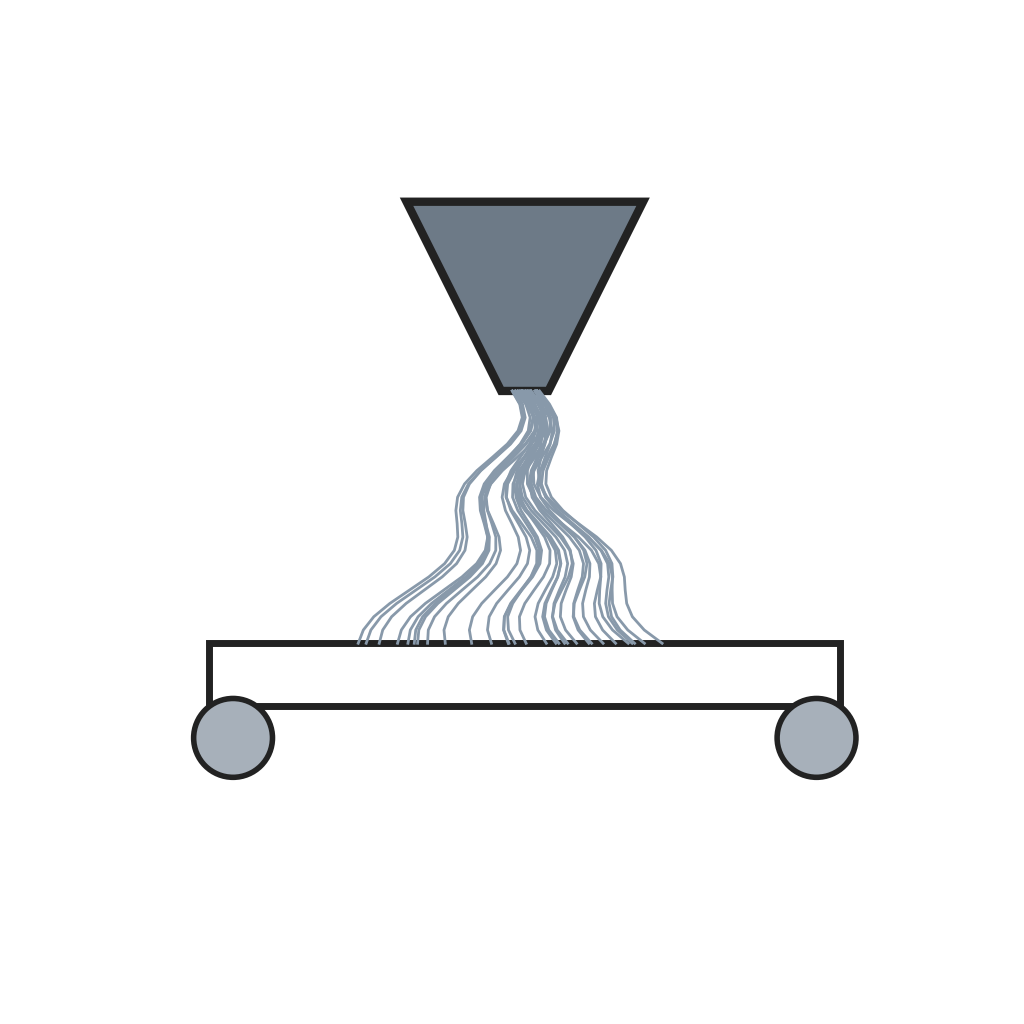 Linea meltblown
2
2
Charge
Charge
Give the filter web an electret charge.
Strumenti necessari:
 Unità di carica a corona
3
3
Layer and weld
Layer and weld
Ply the filter between the cover webs in order, cut the stack and weld it ultrasonically.
Materiali per questo passaggio:
 Velo di copertura in tessuto non tessuto1 pezzo
Strumenti necessari:
 Saldatrice a ultrasuoni per plastica
4
4
Nose clip and straps
Nose clip and straps
Seal a soft aluminium strip in along the top as the nose clip, and staple on the straps.
Materiali per questo passaggio:
 Nastro di alluminio per stringinaso1 pezzo
 Cordoncino elastico0.6 m
Materiali
4- Segnaposto
- Segnaposto
- Segnaposto
- 0.6 mSegnaposto
Strumenti richiesti
3- Segnaposto
- Segnaposto
- Segnaposto
Questo progetto realizza
Blueprint correlati
Questi blueprint condividono conoscenze — tecniche, materiali o principi
CC0 Pubblico dominio
Questo progetto è rilasciato sotto CC0. Sei libero di copiare, modificare, distribuire e utilizzare quest'opera per qualsiasi scopo, senza chiedere permesso.
Supporta il Maker acquistando prodotti tramite il suo progetto dove guadagna una Commissione Maker stabilita dai venditori, oppure crea una nuova iterazione di questo progetto e includilo come collegamento nel tuo progetto per condividere i ricavi.