ARTE
BELLEZZA E BENESSERE
MESTIERE
CULTURA E STORIA
DIVERTIMENTO
AMBIENTE
CIBO E BEVANDE
INGEGNERIA INVERSA
SCIENZE
SPORT
TECNOLOGIA
INDOSSABILI
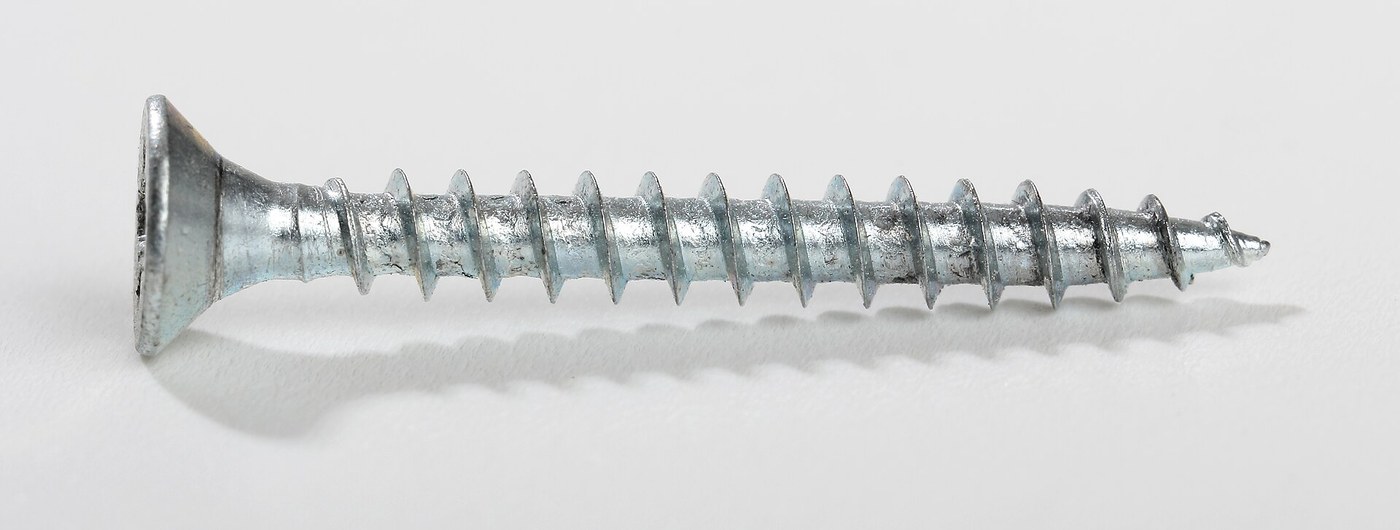


Screws: Cold Headed and Thread Rolled
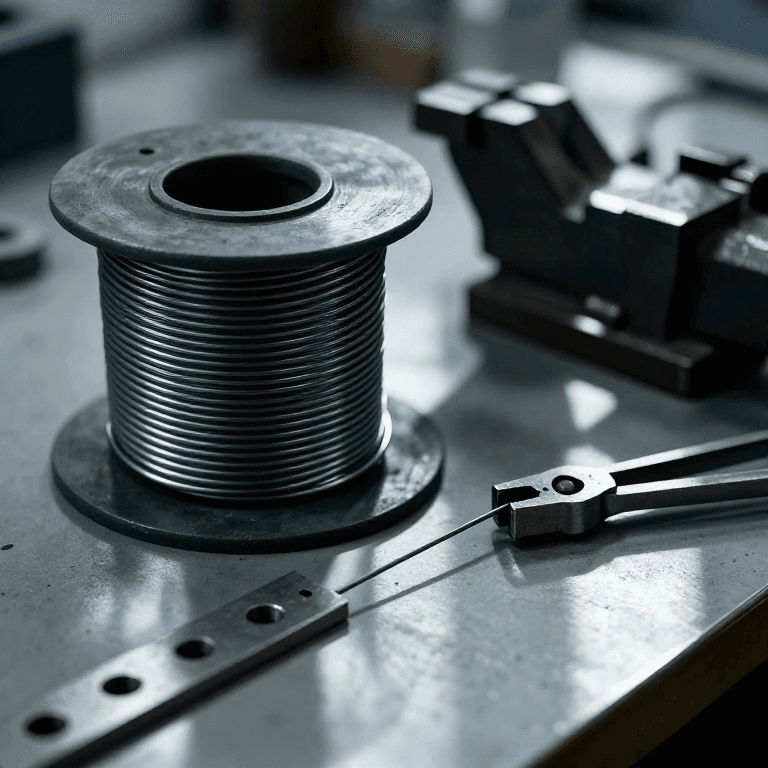
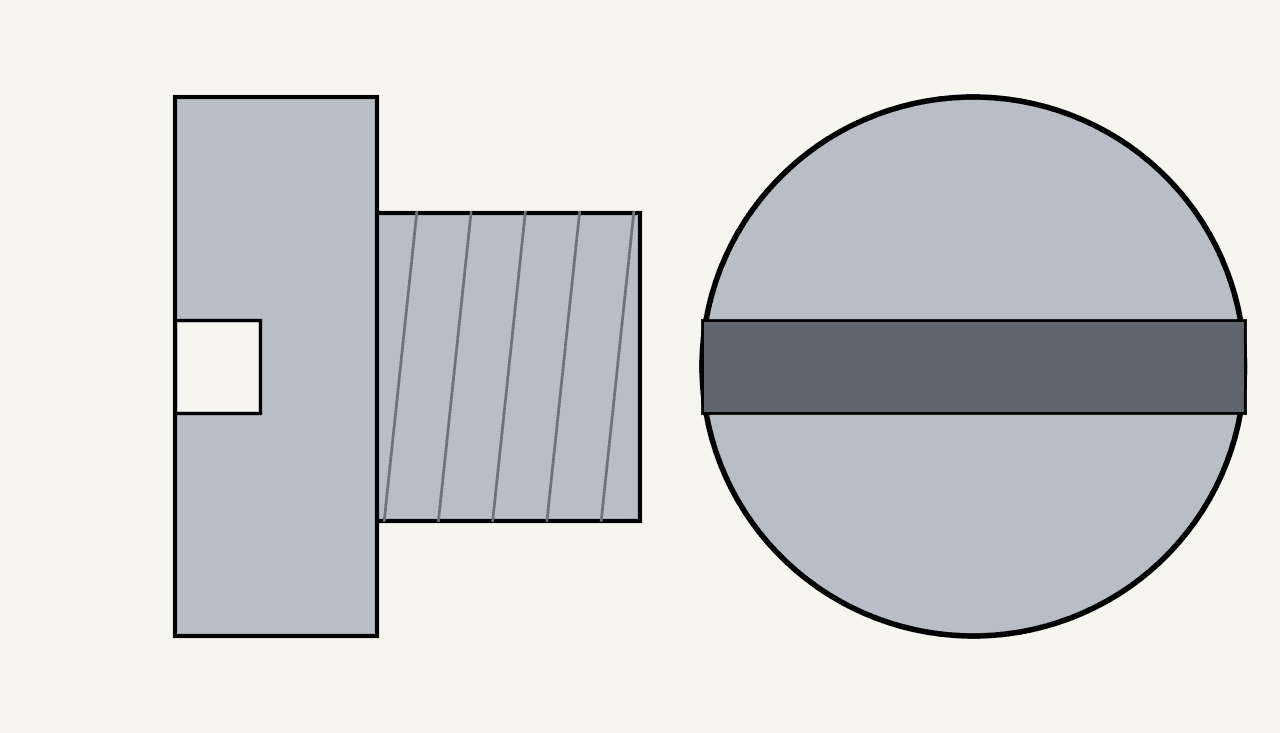
Most screws are made in three steps: heading, thread rolling and coating. Wire from a coil is cut into blanks, and each blank is cold headed: a punch squeezes the end into a die shaped like the head, so a flat head comes from a flat die, with almost no waste. The thread is then rolled, not cut: the blank is rolled between hardened dies that press the thread into it. Rolling makes no swarf, needs a blank 15–20 % lighter than cutting would, gives a 10–20 % stronger thread, and runs at about one piece a second. Most screws are then zinc plated or blackened against rust.
Avanzato
About one per second (industrial)
Istruzioni
1
1
Cut blanks
Cut blanks
Wire from a coil is fed in and cut to the length of the screw: each piece is a blank.
Materiali per questo passaggio:
 Filo di acciaio10 kg
Strumenti necessari:
 Stampatrice a freddo
2
2
Head
Head
A punch drives into the end of the blank and the metal flows into the head die. Complex heads take two blows; slotted heads get their slot cut afterwards.
Strumenti necessari:
Stampatrice a freddo3
3
Roll the thread
Roll the thread
The blank rolls between two flat dies, one fixed and one sliding, which press the thread into it cold.
Strumenti necessari:
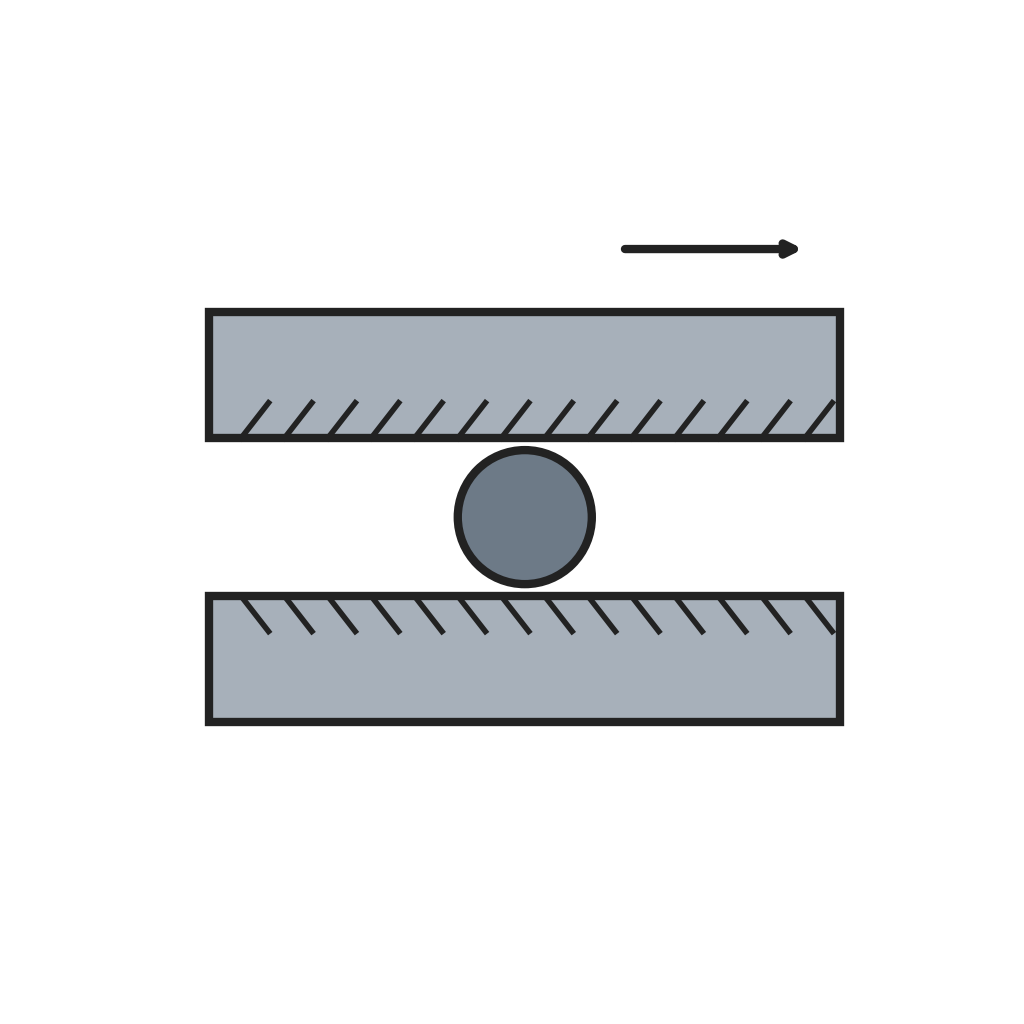 Pettini per rullatura filetti
4
4
Coat
Coat
The screws are cleaned and given a coating against rust, such as zinc electroplating or black oxide.
5
5
Check
Check
Length, head and thread diameter are measured on samples.
Strumenti necessari:
 Calibro digitale da 6 pollici
Materiali
1- 10 kgSegnaposto
Strumenti richiesti
3- Segnaposto
- Segnaposto
- Segnaposto
Questo progetto realizza




Blueprint correlati
Questi blueprint condividono conoscenze — tecniche, materiali o principi



CC0 Pubblico dominio
Questo progetto è rilasciato sotto CC0. Sei libero di copiare, modificare, distribuire e utilizzare quest'opera per qualsiasi scopo, senza chiedere permesso.
Supporta il Maker acquistando prodotti tramite il suo progetto dove guadagna una Commissione Maker stabilita dai venditori, oppure crea una nuova iterazione di questo progetto e includilo come collegamento nel tuo progetto per condividere i ricavi.