ARTE
BELLEZZA E BENESSERE
MESTIERE
CULTURA E STORIA
DIVERTIMENTO
AMBIENTE
CIBO E BEVANDE
INGEGNERIA INVERSA
SCIENZE
SPORT
TECNOLOGIA
INDOSSABILI
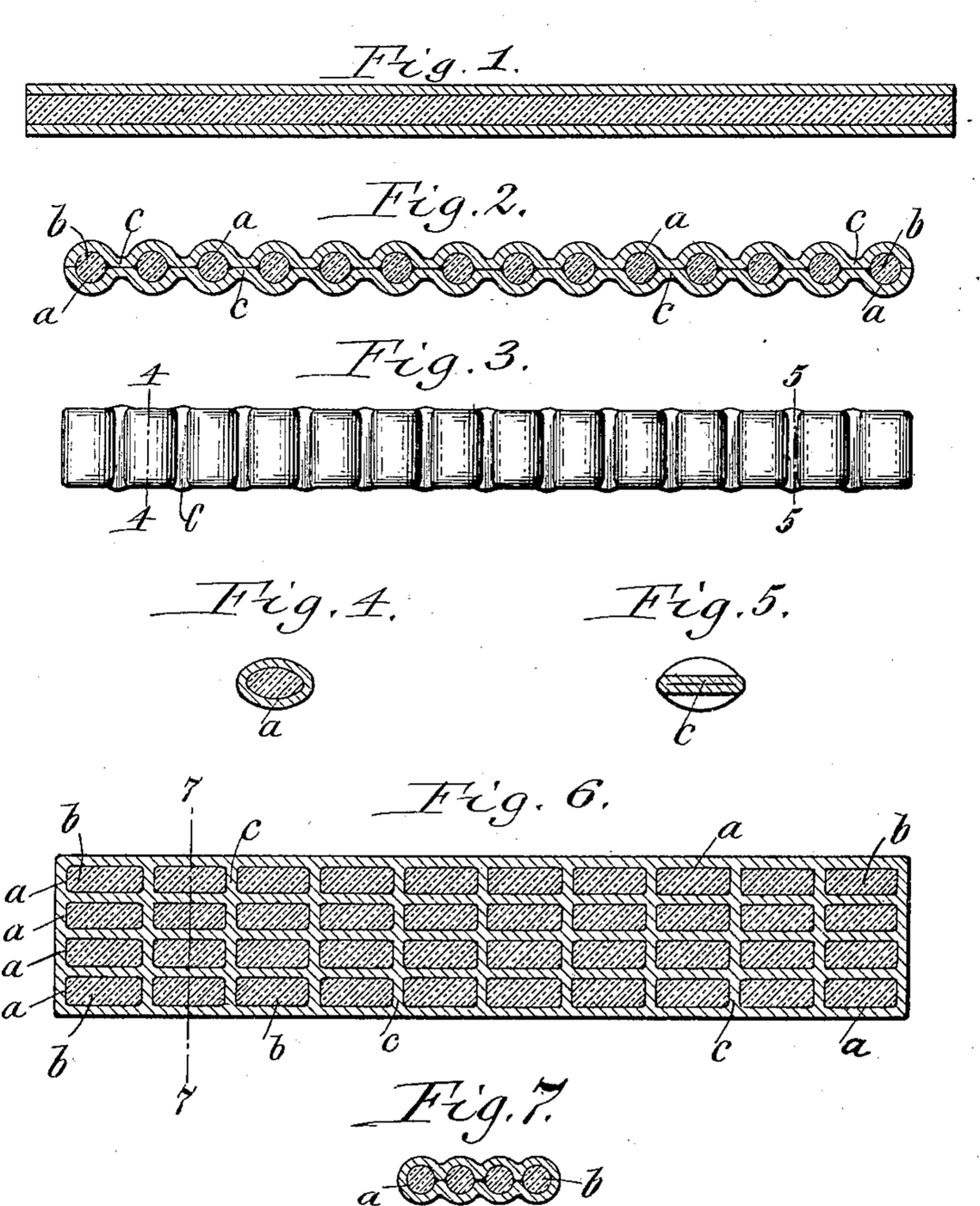


Self-Fluxing Solder with Flux Cells: Kester, 1899
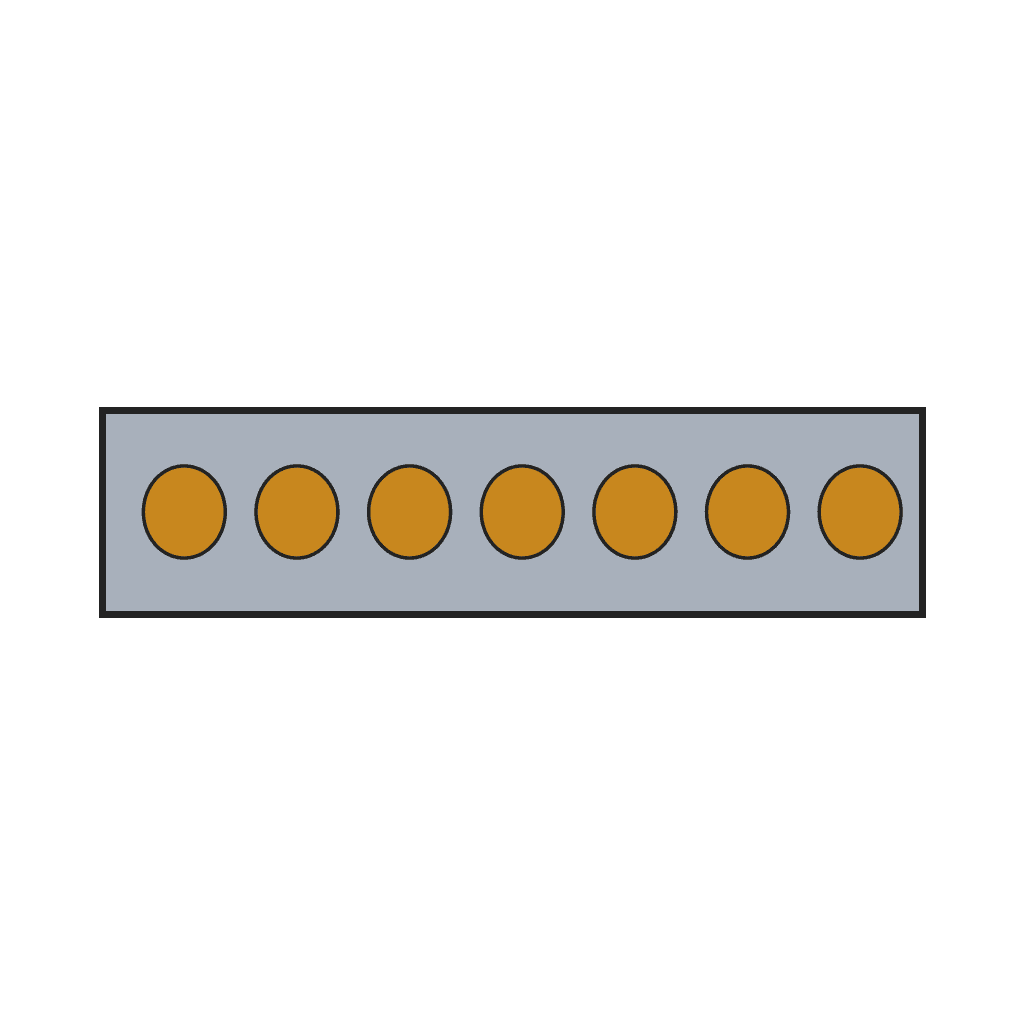
Jesse F. Kester of Buffalo, New York, patented this solder in 1899, US 628,541. Solder wire with one continuous core of flux already existed, but the flux melts at a lower heat than the solder, so it melted some distance back from the end, too much ran out at each joint, and little was left near the end for the next. Kester divided the flux into a row of separate closed cells: each melt opens one cell and supplies a uniform charge of flux.
Intermedio
Workshop process
Istruzioni
1
1
Groove the wire
Groove the wire
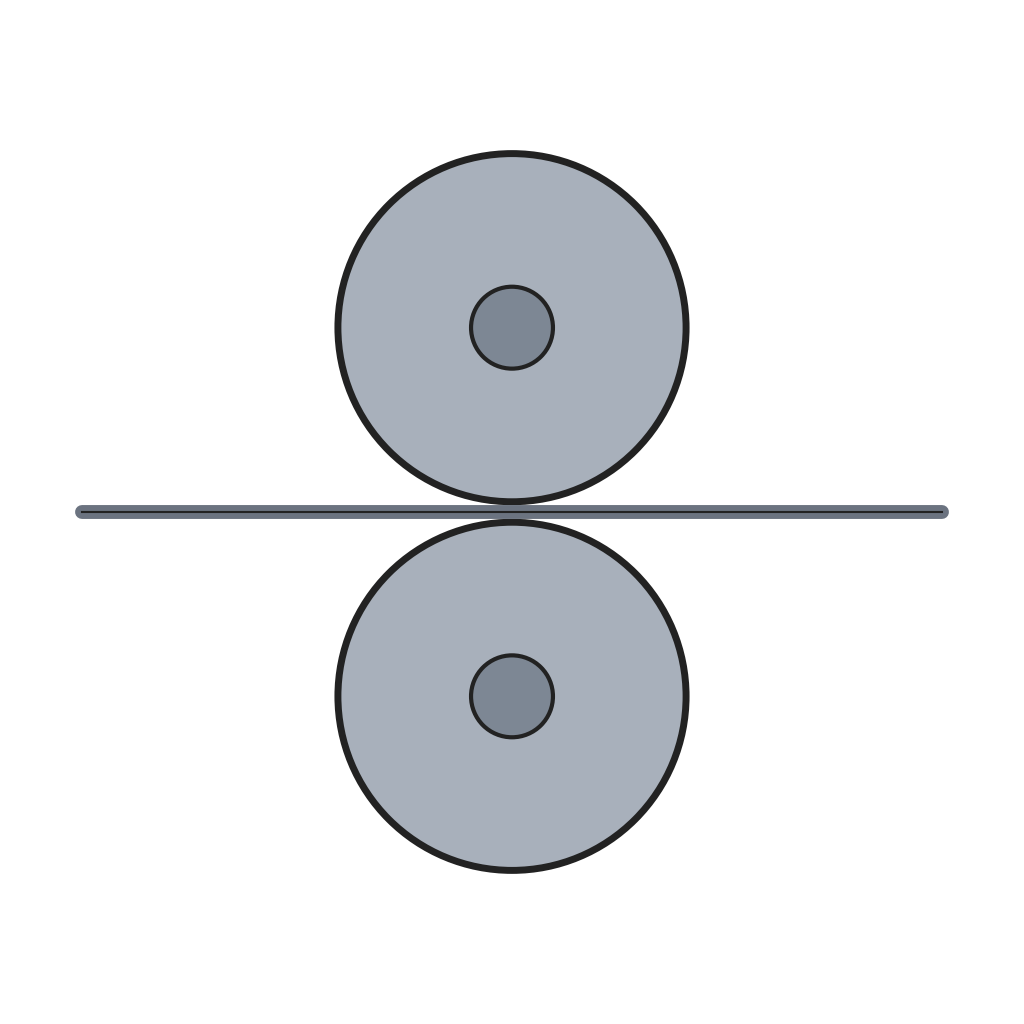
Pass ordinary wire solder lengthwise between rollers to make it trough-shaped in cross-section. (Kester's preferred route starts instead from a tube or hollow wire of solder, filled with the flux.)
Materiali per questo passaggio:
 Filo per saldatura1 as required
Strumenti necessari:
 Rulli di formatura del filo
2
2
Fill and close
Fill and close
Fill the groove with a suitable flux, in dry, plastic or liquid form. Close the edges of the solder together again, giving the wire a rounded or oval cross-section.
Materiali per questo passaggio:
 Flussante1 as required
Strumenti necessari:
Rulli di formatura del filo3
3
Pinch into cells
Pinch into cells
Corrugate the filled wire between rollers, or pinch it at intervals of about three-sixteenths of an inch, pressing the walls together into webs. Each web closes off a cell, so the flux is held in a row of separate, uniform charges and cannot run out of the solder.
Strumenti necessari:
Rulli di formatura del filo4
4
Wide bars
Wide bars
For wide bars, such as roofers use, form several rows of cells, in straight rows from end to end or in diagonal rows of lozenge-shaped cells. A solid bar or rod can also have cells formed in its surface, filled with flux and closed by a covering strip pressed on.
Questo progetto realizza
Blueprint correlati
Questi blueprint condividono conoscenze — tecniche, materiali o principi

CC0 Pubblico dominio
Questo progetto è rilasciato sotto CC0. Sei libero di copiare, modificare, distribuire e utilizzare quest'opera per qualsiasi scopo, senza chiedere permesso.
Supporta il Maker acquistando prodotti tramite il suo progetto dove guadagna una Commissione Maker stabilita dai venditori, oppure crea una nuova iterazione di questo progetto e includilo come collegamento nel tuo progetto per condividere i ricavi.