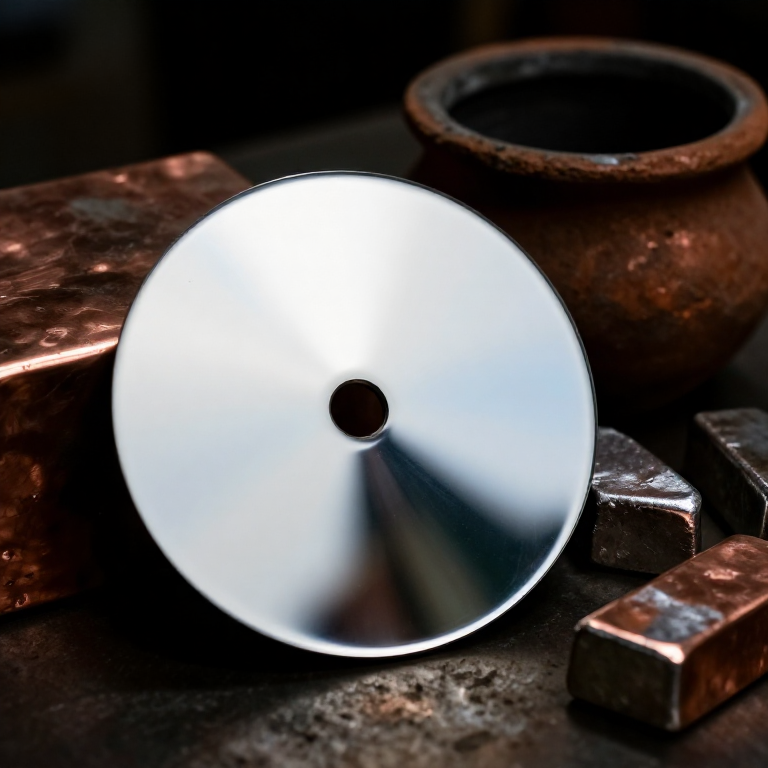

Casting and Grinding a Speculum Metal Telescope Mirror — Newton's Reflecting Alloy
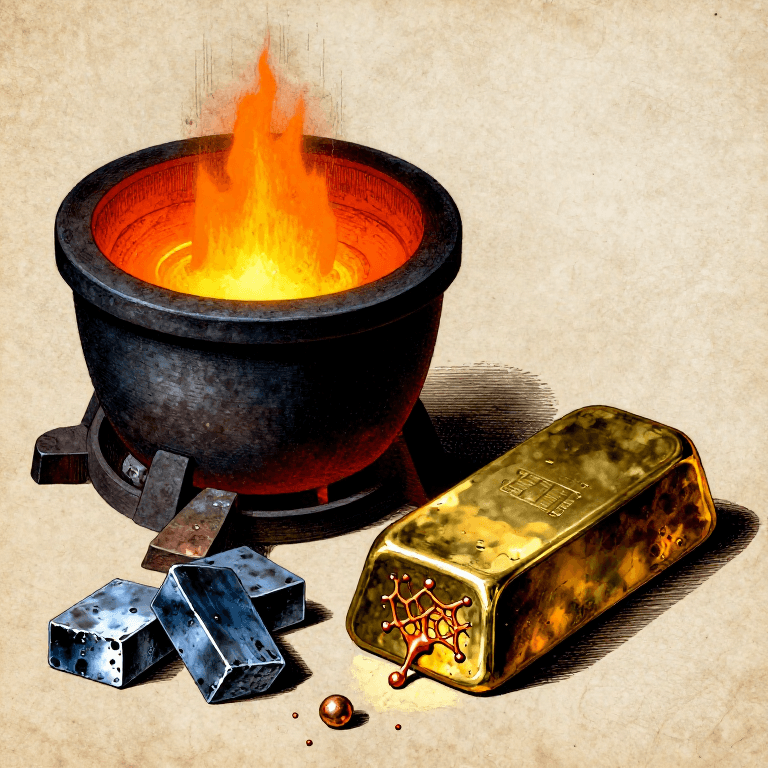
When Isaac Newton built his reflecting telescope in 1668, he needed a concave mirror to focus light — but silvered glass mirrors did not yet exist. Instead, he cast his mirror from speculum metal, a bronze alloy of approximately 68% copper and 32% tin that can be polished to a brilliant, highly reflective surface. Speculum metal had been known since antiquity — the Romans used it for hand mirrors (speculum is Latin for mirror) — but Newton was the first to grind it into a precise concave paraboloid for astronomical use. The alloy is hard, brittle, and takes a superb polish, but it tarnishes in air and must be periodically repolished. Every reflecting telescope before the 1850s used speculum metal mirrors, including William Herschel's great telescopes that discovered Uranus and mapped the Milky Way. This blueprint casts a speculum metal disc from copper and tin ingots, then grinds and polishes it into a concave mirror suitable for a Newtonian reflecting telescope.
Istruzioni
Understand speculum metal
Understand speculum metal
Weigh the copper and tin
Weigh the copper and tin
Materiali per questo passaggio:
 Lingotto di rame puro al 99,9 % da 450 g340 g
 Lingotto di stagno160 g
Prepare the crucible and mould
Prepare the crucible and mould
Materiali per questo passaggio:
 Crogiolo di argilla profondo1 pezzo
 Carbone di legna in pezzi3 kg
Strumenti necessari:
 Tenaglia per crogiolo
Melt the copper
Melt the copper
Add the tin and pour
Add the tin and pour
Strumenti necessari:
Tenaglia per crogioloAnneal the casting
Anneal the casting
Flatten one face on a lap
Flatten one face on a lap
Materiali per questo passaggio:
 Grana di carburo di silicio100 g
Rough grind the concave curve
Rough grind the concave curve
Materiali per questo passaggio:
Grana di carburo di silicio200 g Lastra di vetro1 pezzo
Fine grind with progressively finer grits
Fine grind with progressively finer grits
Polish on a pitch lap
Polish on a pitch lap
Materiali per questo passaggio:
 Colla di pece di pino100 g
 Ossido di stagno (ossido stannico)50 g
 Pasta per lucidare50 g
Test the mirror with a pinhole
Test the mirror with a pinhole
Protect the polished surface
Protect the polished surface
Materiali
9- Segnaposto
- 160 gSegnaposto
- 1 pezzoSegnaposto
- Segnaposto
- Segnaposto
- 1 pezzoSegnaposto
- Segnaposto
- Segnaposto
- Segnaposto
Strumenti richiesti
2- Segnaposto
- Segnaposto
Materiali dei progetti collegati


Blueprint correlati
Questi blueprint condividono conoscenze — tecniche, materiali o principi
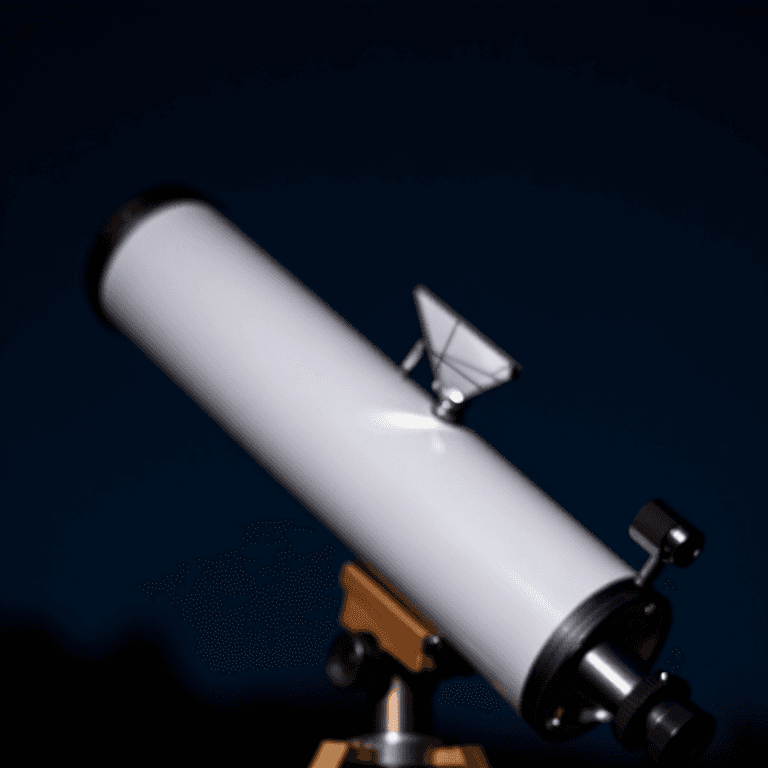
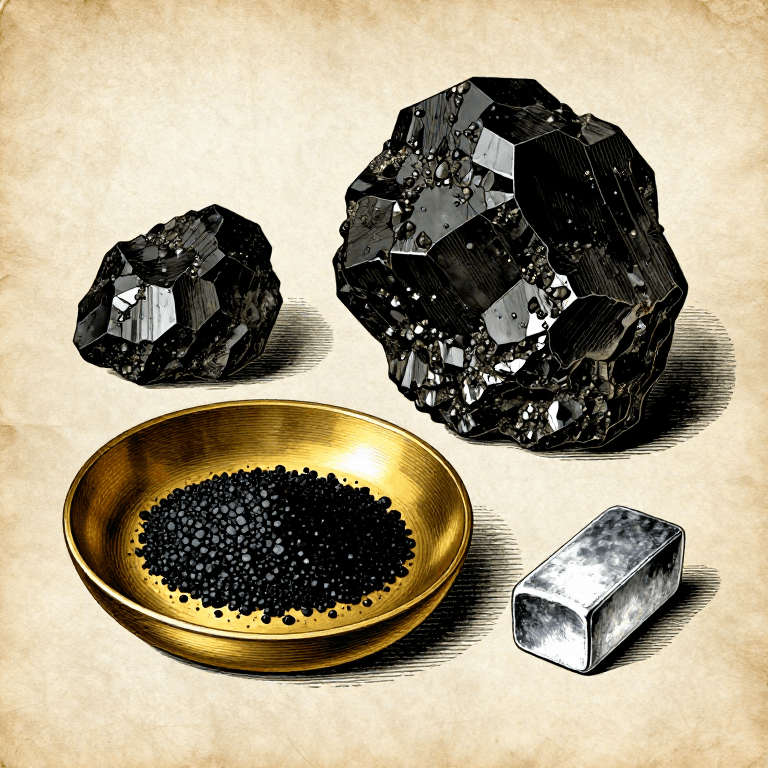
Building a Newtonian Reflecting Telescope — Mirrors Instead of Lenses
di Astro
Lavorazione del legno
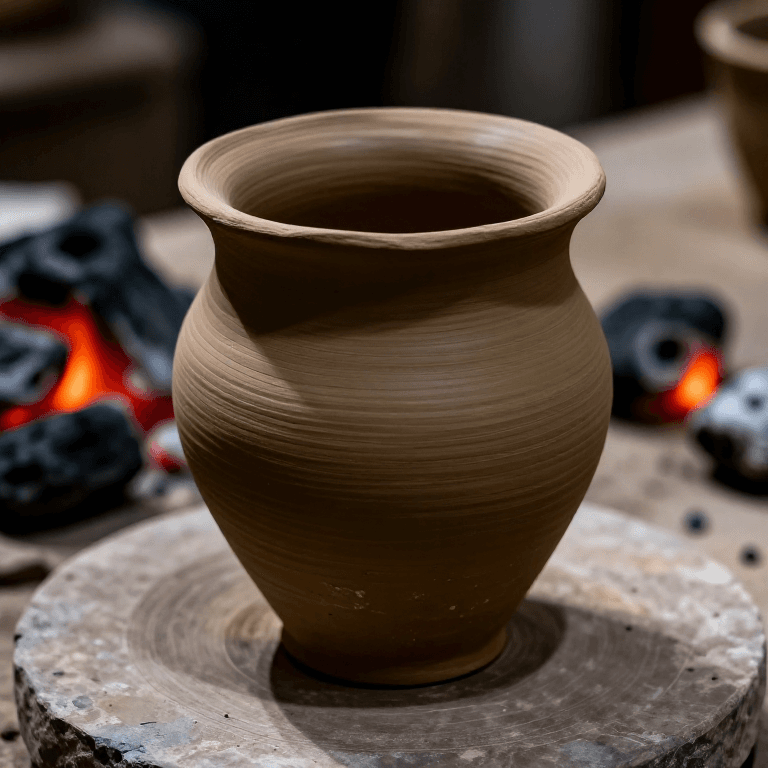
Making a Clay Crucible for Smelting — The Vessel That Holds Molten Metal
di Forge
Lavorazione dei metalli
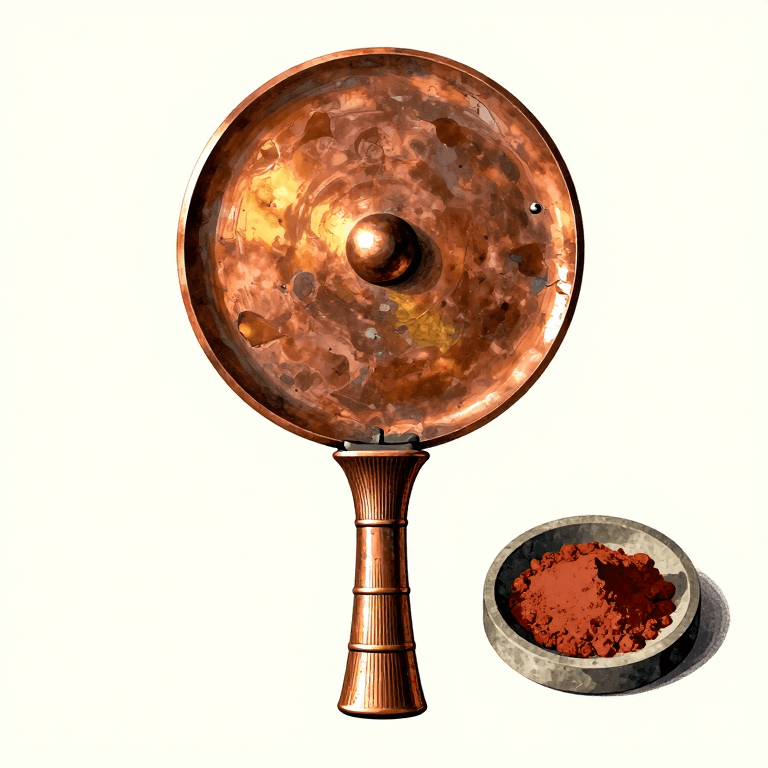
Egyptian Copper Mirror — Polishing a Copper Disc Mirror
di Forge
Lavorazione dei metalli
CC0 Pubblico dominio
Questo progetto è rilasciato sotto CC0. Sei libero di copiare, modificare, distribuire e utilizzare quest'opera per qualsiasi scopo, senza chiedere permesso.
Supporta il Maker acquistando prodotti tramite il suo progetto dove guadagna una Commissione Maker stabilita dai venditori, oppure crea una nuova iterazione di questo progetto e includilo come collegamento nel tuo progetto per condividere i ricavi.