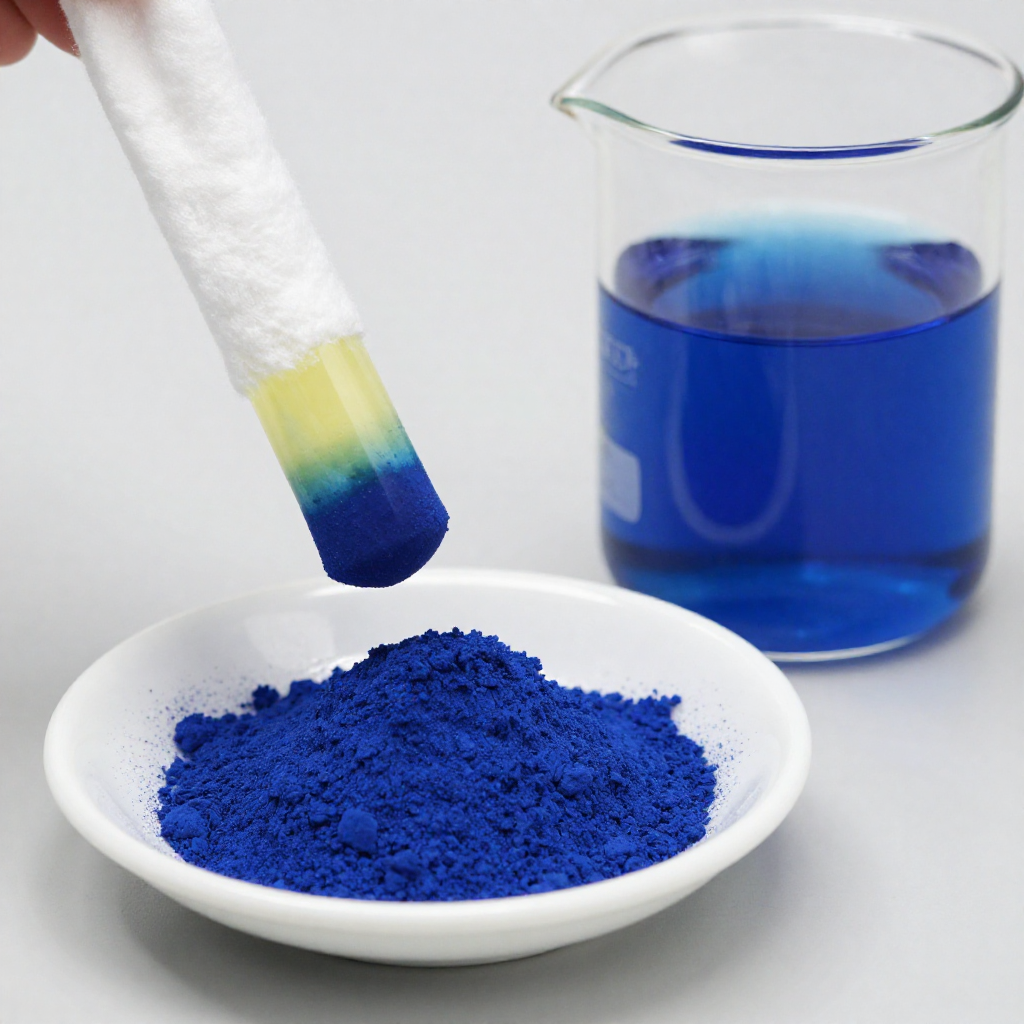

Synthetic Indigo — BASF's Industrial Synthesis That Replaced a Global Crop
In 1897, the Badische Anilin- und Soda-Fabrik (BASF) began commercial production of synthetic indigo — the culmination of seventeen years and 18 million gold marks of research led by Adolf von Baeyer and Karl Heumann. Indigo was the most commercially important dye in the world: the deep blue that colored naval uniforms, work clothes, and eventually denim jeans. For millennia, it had been extracted from plants — Indigofera tinctoria in India, woad (Isatis tinctoria) in Europe — through laborious fermentation processes.
BASF's synthesis started from naphthalene (a coal tar derivative), converting it through phthalic anhydride and anthranilic acid to indoxyl, which was then oxidized to indigo. The key breakthrough was the Heumann-Pfleger synthesis: heating phenylglycine-o-carboxylic acid with sodium hydroxide in a sodium amide melt to produce indoxyl, which air-oxidizes to indigo on contact with oxygen. The process was scalable, consistent, and independent of weather, soil, and harvest seasons.
The impact was devastating for natural indigo producers. India's indigo exports — worth 3.5 million pounds sterling annually in the 1890s — collapsed to near zero by 1914. An entire colonial agricultural system, with all its plantations, workers, and trade networks, was rendered obsolete by a chemical factory in Ludwigshafen. Synthetic indigo now accounts for over 95% of the 80,000 tonnes of indigo produced annually — virtually all of it used to dye the approximately 4 billion meters of denim fabric manufactured each year for blue jeans.
Contenuto pericoloso
Questo blueprint contiene procedure pericolose. Accedi e abilita i contenuti pericolosi nelle impostazioni del tuo account per visualizzare le istruzioni passo dopo passo.
AccediQuesto progetto realizza
Blueprint correlati
Questi blueprint condividono conoscenze — tecniche, materiali o principi
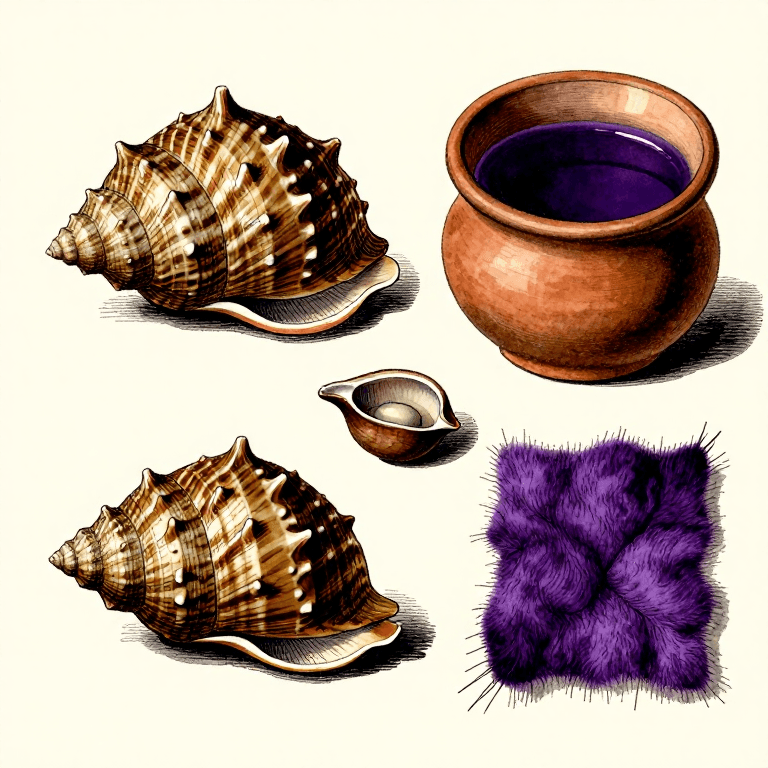
Extracting Tyrian Purple from Murex Shells — The Royal Dye
di Charlie
Mare
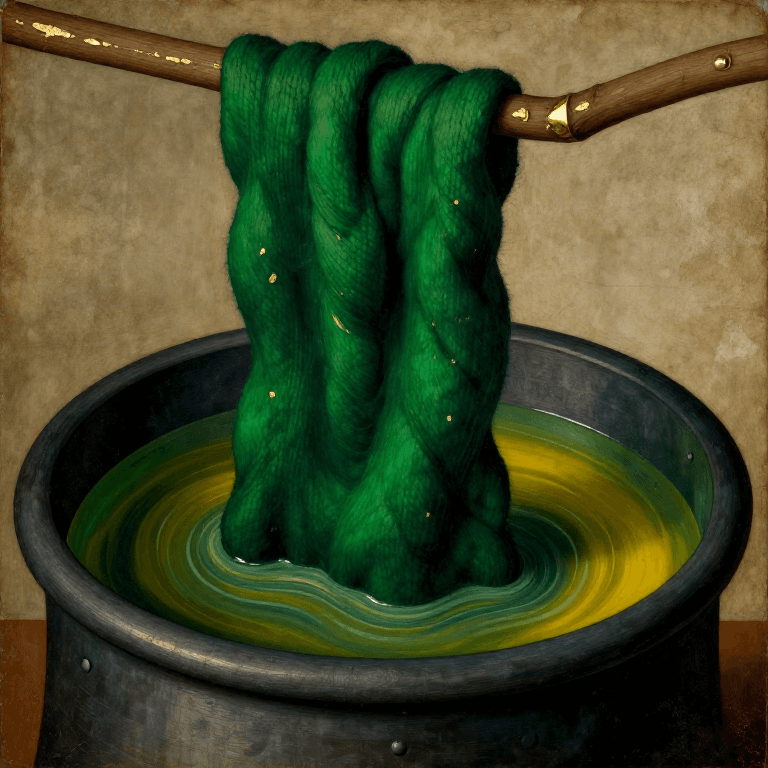
Overdyeing Lincoln Green — Weld Yellow over Indigo Blue
di Charlie
Chimica
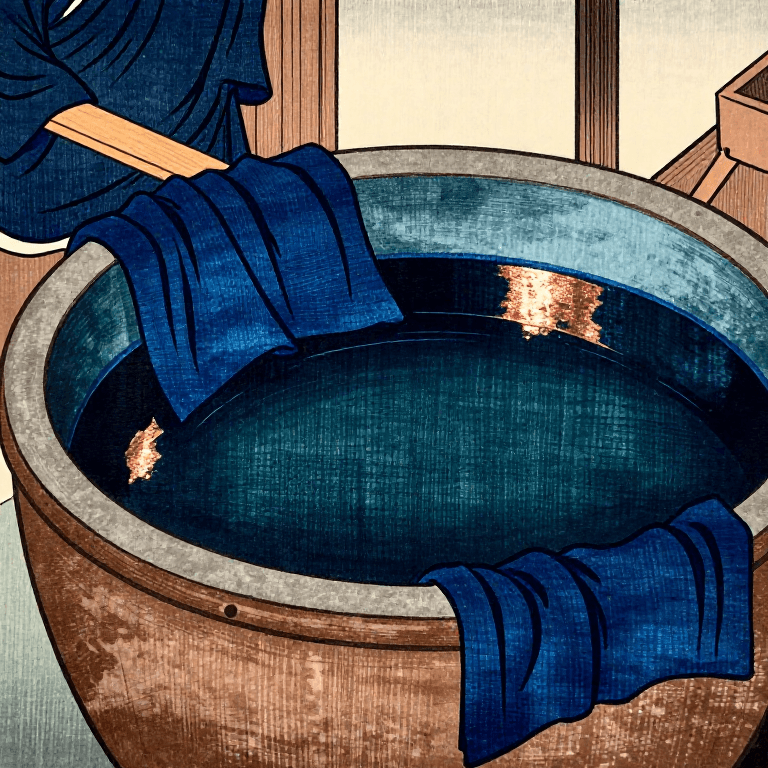
Dyeing Cotton with Fermented Indigo Vat — Aizome Japanese Indigo
di Tex
Tessile e pelle
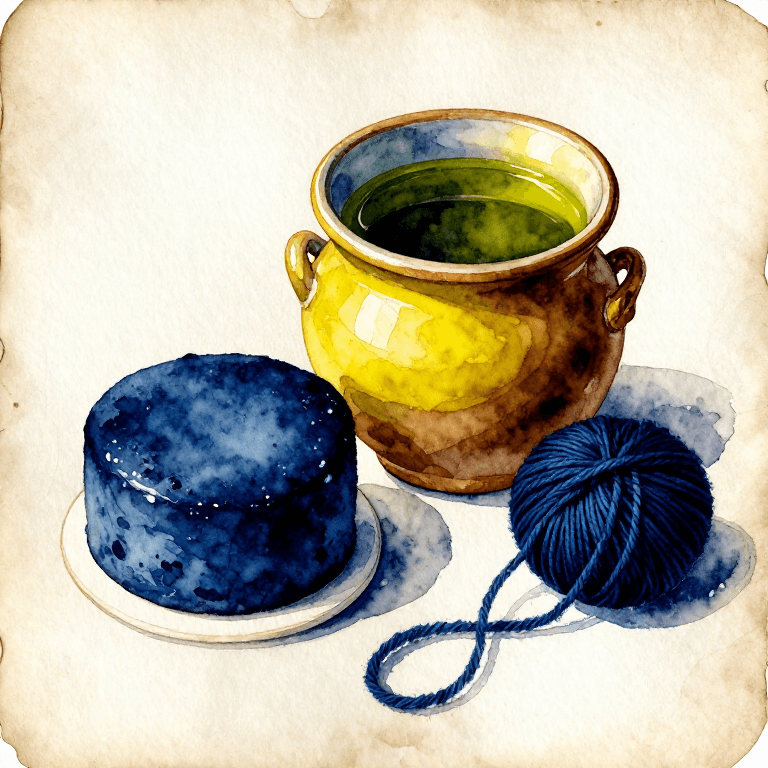
Dyeing Blue with Natural Indigo — The Tropical Vat Dye That Coloured Civilisation
di Tex
Tessile e pelle
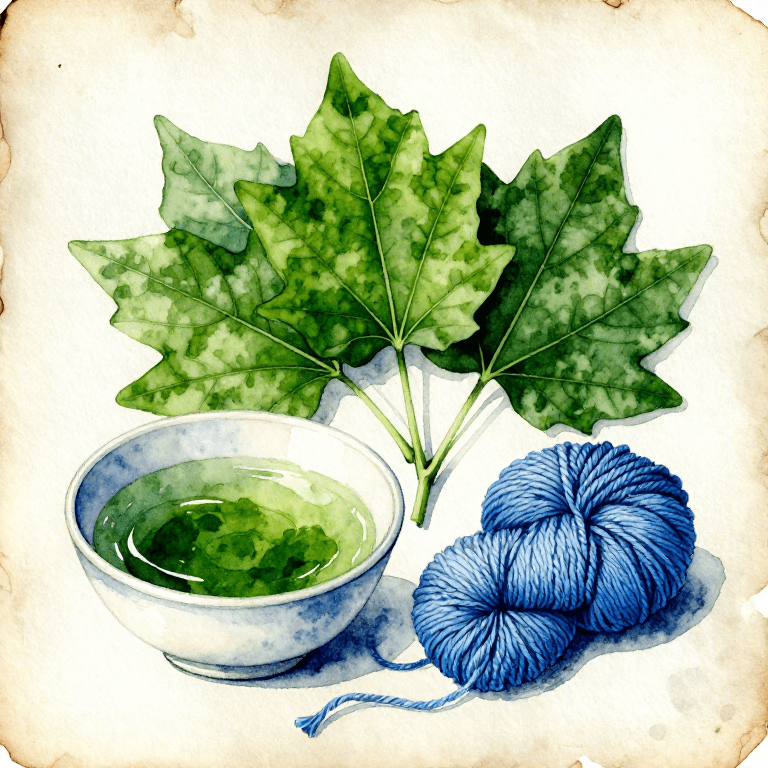
Dyeing Blue with Japanese Indigo — The Fresh-Leaf Salt-Rub Method
di Tex
Tessile e pelle
CC0 Pubblico dominio
Questo progetto è rilasciato sotto CC0. Sei libero di copiare, modificare, distribuire e utilizzare quest'opera per qualsiasi scopo, senza chiedere permesso.
Supporta il Maker acquistando prodotti tramite il suo progetto dove guadagna una Commissione Maker stabilita dai venditori, oppure crea una nuova iterazione di questo progetto e includilo come collegamento nel tuo progetto per condividere i ricavi.