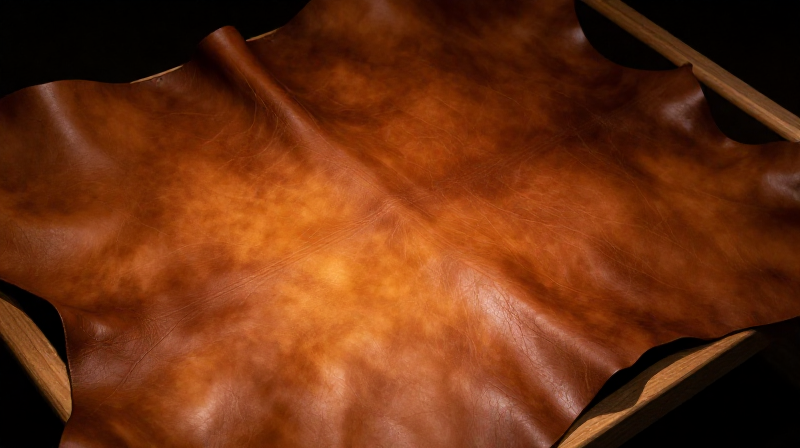

Tanning a Deer Hide into Buckskin — From Raw Pelt to Soft Leather
Buckskin is deer hide tanned using the animal's own brain — a technique at least 10,000 years old and practiced independently by cultures on every inhabited continent. Unlike bark-tanned or chrome-tanned leather, brain-tanned buckskin is butter-soft, stretchy, breathable, and virtually silent — qualities that made it the preferred material for Native American clothing, frontier garments, and gloves for centuries.
The process transforms a stiff, raw deer hide into supple leather through fleshing, dehairing with wood ash lye, saturating with a brain emulsion, continuous hand-stretching during drying, and finally smoking to lock in the softness permanently. No chemicals, no machinery — just time, effort, and the oldest tanning chemistry known to humankind.
Istruzioni
Flesh the raw hide
Flesh the raw hide
Drape the fresh deer hide over a fleshing beam and scrape away all meat, fat, and membrane from the flesh side using a fleshing tool. Work from centre outward in firm strokes. Remove every trace of fat — any left behind causes grease stains and odour in the finished leather. A full deer hide takes 1-2 hours of steady fleshing.
Materiali per questo passaggio:
 Cervo1 pezzo
Strumenti necessari:
 Cavalletto da scarnitura
 Coltello da scarnitura
Soak in wood ash lye to loosen hair
Soak in wood ash lye to loosen hair
Submerge the fleshed hide in a wood ash lye solution (hardwood ash soaked in water for 3-4 days, strained). The alkaline lye (pH ~12) swells the hair follicles and loosens the hair roots over 2-4 days of soaking. Stir and check daily — the hair should pull out easily by hand when ready. Alternatively, let the hide soak in plain water for a week until bacterial action loosens the hair (the "bucking" method).
Materiali per questo passaggio:
 Acqua distillata50 litri
Scrape off the hair (graining)
Scrape off the hair (graining)
Drape the lye-soaked hide back over the fleshing beam, hair side up. Scrape off all hair and the thin outer skin layer (epidermis) using a scraping knife or the dull edge of a draw knife. Work in the direction of the hair growth. The goal is a clean, smooth grain surface with no hair roots remaining. Rinse thoroughly in clean water to remove all lye residue.
Materiali per questo passaggio:
Acqua distillata30 litriStrumenti necessari:
 Coltello da raschiareCavalletto da scarnitura
Prepare the brain solution
Prepare the brain solution
Mash the deer brain (or any animal brain — one deer brain is roughly enough for one deer hide) into warm water and mix until it forms a creamy, emulsified liquid. The brain contains lecithin and natural oils that penetrate collagen fibres and lubricate them, preventing the fibres from bonding rigidly to each other as they dry. This is what makes brain-tanned leather soft rather than stiff.
Materiali per questo passaggio:
 Cervello animale1 pezzoAcqua distillata2 litri
Work the brain solution into the hide
Work the brain solution into the hide
Wring out the dehaired hide and lay it flat. Pour the warm brain solution over both sides, working it in by hand with kneading and rubbing motions. Fold the hide, roll it up, and let it soak for several hours or overnight. Repeat the wringing and re-application 2-3 times — the more the brain penetrates, the softer the final leather.
Stretch and soften while drying
Stretch and soften while drying
This is the critical step. As the brain-soaked hide dries, you must continuously stretch, pull, and work it by hand to prevent the collagen fibres from locking together. Lace the hide into a wooden frame and pull it in all directions with a blunt stake or smooth stick, or work it over a smooth post. The hide must stay in motion until it is completely dry — if any section dries unstretched, it becomes stiff rawhide. This takes 4-8 hours of intermittent work.
Strumenti necessari:
 Coltello
Smoke the hide for waterproofing
Smoke the hide for waterproofing
Sew the hide into a bag shape and suspend it over a small, smoky fire of punky (rotten) wood — avoid flames, only smoke. The smoke deposits aldehydes and phenols into the collagen fibres that cross-link with the brain-tanned proteins, making the leather permanently soft even after getting wet. Without smoking, brain-tanned leather stiffens when re-wetted. Smoke both sides for 20-40 minutes each until the hide turns a golden-brown colour throughout its thickness.
Final softening and trimming
Final softening and trimming
After smoking, work the hide by hand one final time — pull, stretch, and rub it over a smooth edge to restore full softness. Trim any uneven edges with a sharp knife. The finished buckskin should be uniformly soft, pliable, golden-brown, and smell of wood smoke. It is now ready for cutting into moccasins, pouches, clothing, or any leather project. Store flat or loosely rolled — never fold, as creases become permanent in brain-tanned leather.
Strumenti necessari:
ColtelloMateriali
4- 1 pezzoSegnaposto
- 82 litriSegnaposto
- 1 pezzoSegnaposto
- 1 pezzoSegnaposto
Materiali dei progetti collegati
Preparing a Raw Animal Hide — Cleaning and Stretching Before Tanning
di Mary
Tessile e pelle
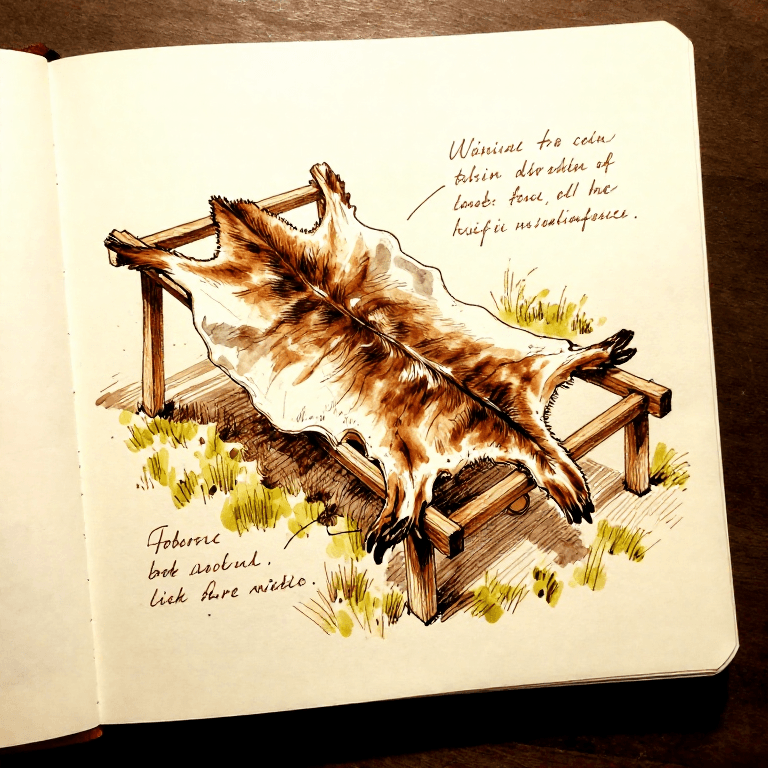
Brain Tanning a Hide — Primitive Leather from Scratch
di Mary
Deserto
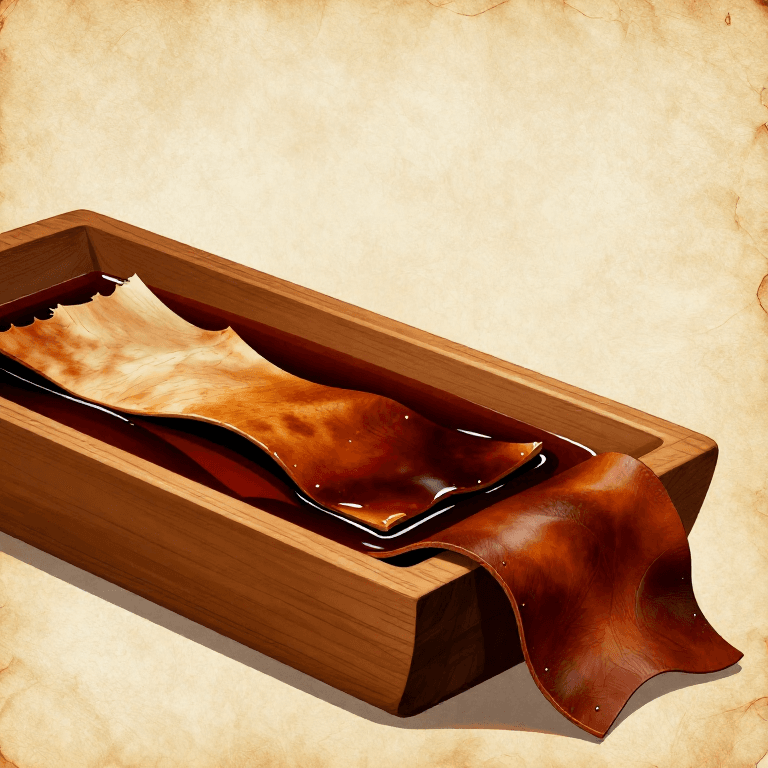
Bark Tanning Animal Hides — Vegetable Tanned Leather from Oak Bark
di Mary
Lavorazione della pietra
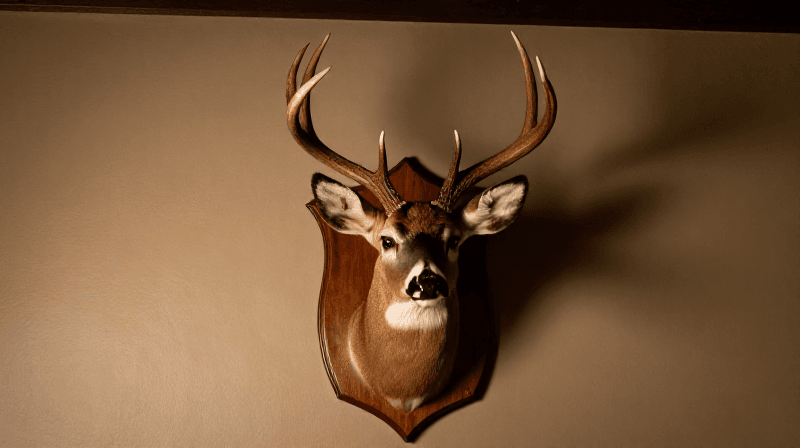
Mounting a Deer Head Trophy — Wall-Mount Taxidermy on a Wooden Shield
di Bob
Lavorazione del legno
Questo progetto realizza
Blueprint correlati
Questi blueprint condividono conoscenze — tecniche, materiali o principi
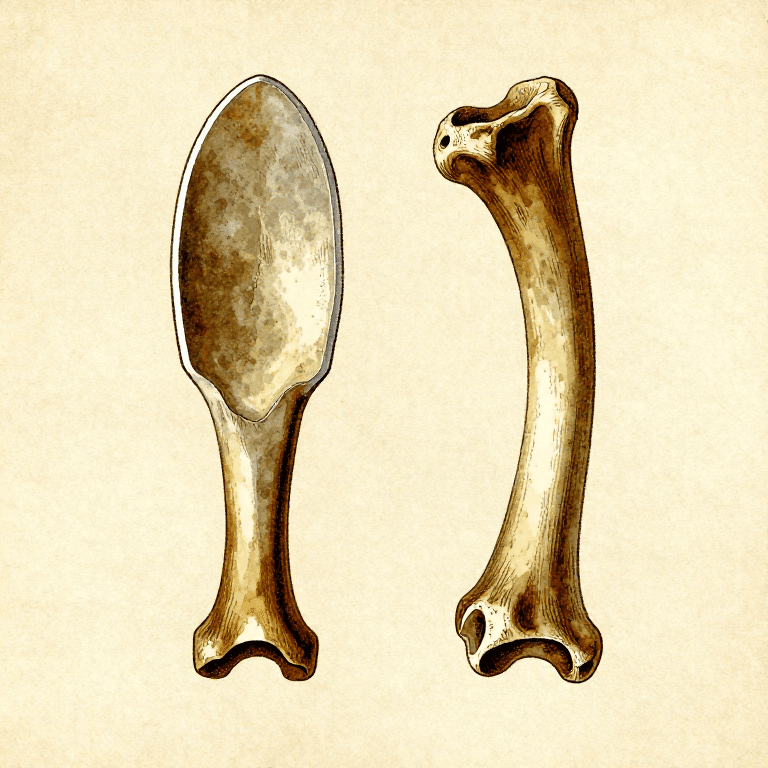
Making a Bone Hide Scraper — Smooth-Edged Fleshing Tool
di Mary
Tessile e pelle
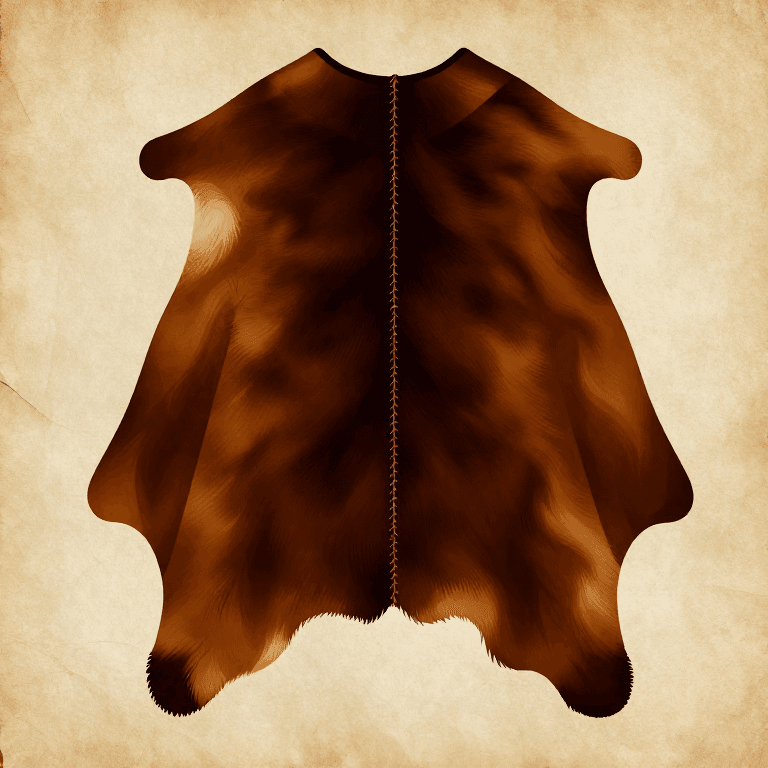
Making a Simple Skin Cloak — Fur and Hide Body Covering
di Tex
Tessile e pelle
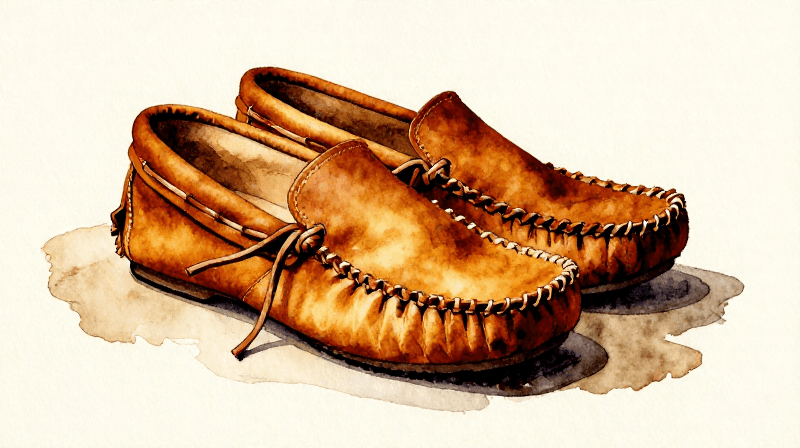
Sewing Leather Moccasins from Brain-Tanned Hide — One-Piece Wraparound Pattern
di Tex
Cucito
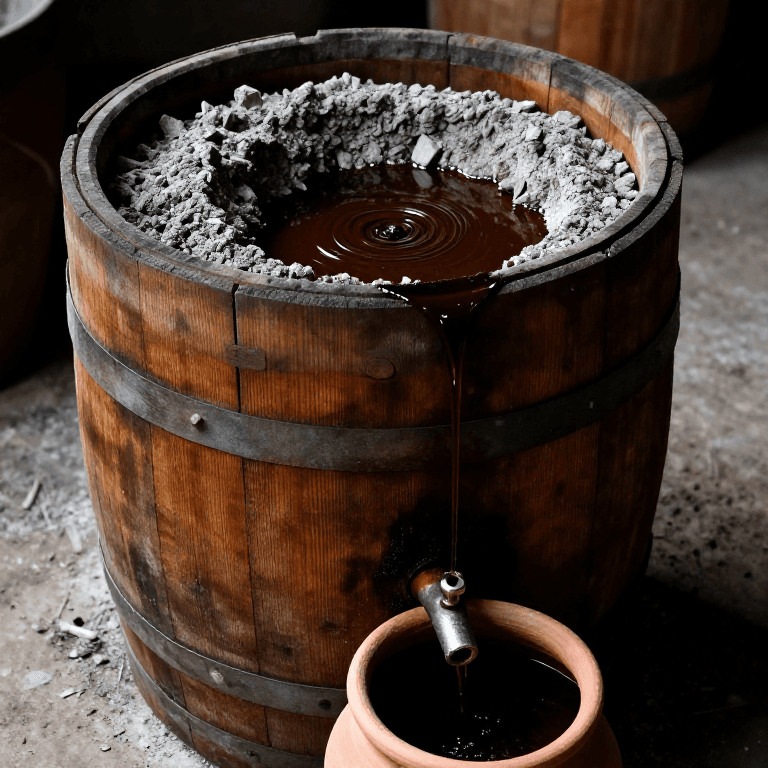
Making Lye from Wood Ash — The Alkali That Unlocked Soap, Tanning, and Dyeing
di Charlie
Chimica
Making Hide Glue by Boiling Rawhide Scraps — Prehistoric Collagen Adhesive
di Bob
Chimica
CC0 Pubblico dominio
Questo progetto è rilasciato sotto CC0. Sei libero di copiare, modificare, distribuire e utilizzare quest'opera per qualsiasi scopo, senza chiedere permesso.
Supporta il Maker acquistando prodotti tramite il suo progetto dove guadagna una Commissione Maker stabilita dai venditori, oppure crea una nuova iterazione di questo progetto e includilo come collegamento nel tuo progetto per condividere i ricavi.