ARTE
BELLEZZA E BENESSERE
MESTIERE
CULTURA E STORIA
DIVERTIMENTO
AMBIENTE
CIBO E BEVANDE
INGEGNERIA INVERSA
SCIENZE
SPORT
TECNOLOGIA
INDOSSABILI
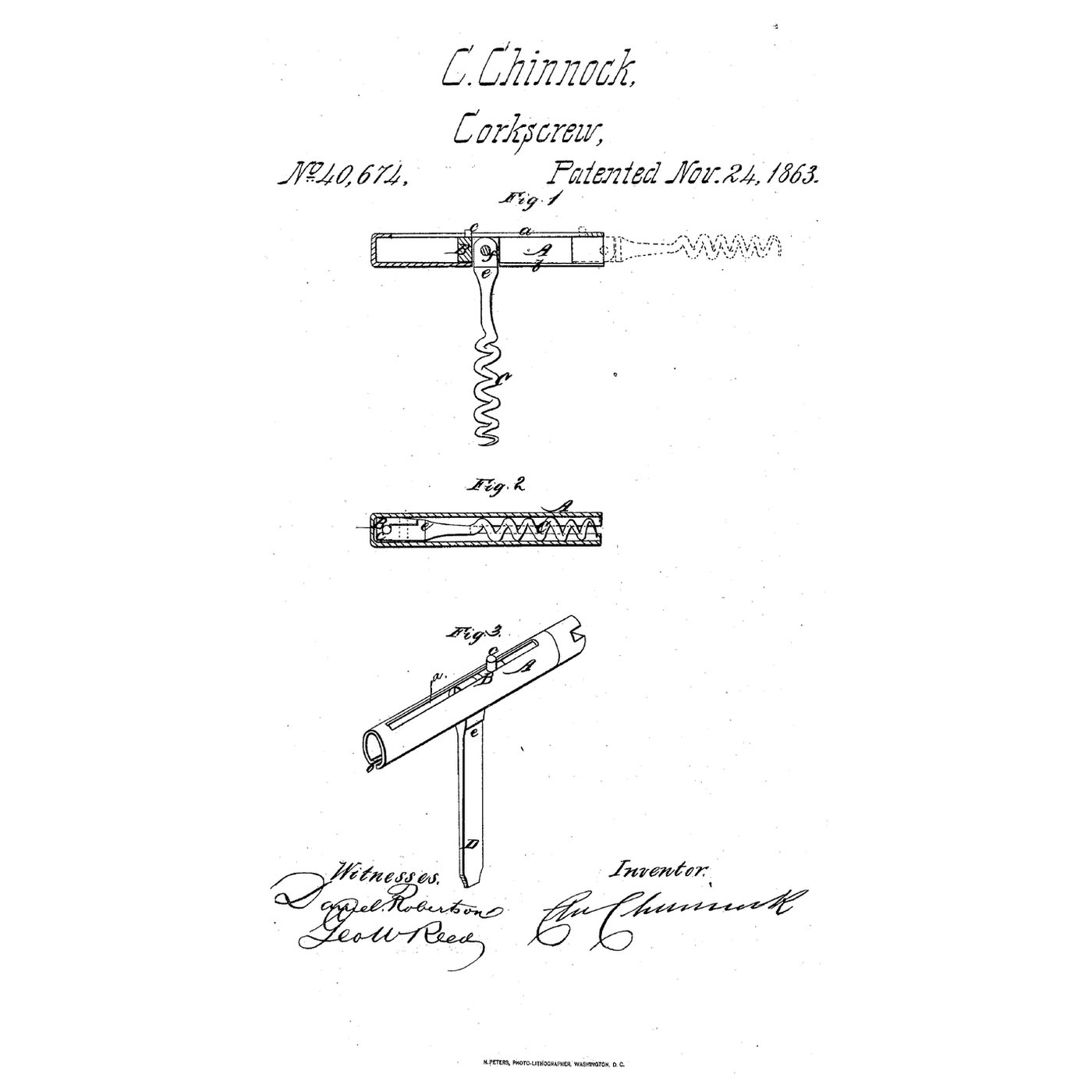

The Pocket-Case Corkscrew: A Tube That Holds the Screw, Then Becomes Its Handle
A corkscrew carried in the pocket tears the lining and pricks the hand, and a case that comes off can be lost.
Charles Chinnock of Brooklyn, New York, received US 40,674, dated 24 November 1863, for a tool "turned in using it in such a manner that its handle will serve as a case to receive the tool when not in use and render the same capable of being carried in the pocket without any inconvenience, and at the same time be capable of being manufactured at a small cost and without having any of its parts detachable." A sheet-metal tube has two slots; a slide inside carries a pin in the long slot and the corkscrew on a joint. Pushed in, the screw lies in the tube; drawn out and turned, it stands at right angles and the tube is its handle.
This rung checks whether a thin tube is stiff enough as a T handle, then makes one from aluminium tube with a jointed slide and a wound corkscrew, and draws corks with it.
Intermedio
About 4 hours
Istruzioni
1
1
The tube as a beam
The tube as a beam
Caricamento del notebook Jupyter…
2
2
A T handle before it
A T handle before it
The embedded blueprint fixes a screw to a solid T handle. Chinnock's handle is a hollow tube that also holds the screw when it is folded away.
3
3
Read US 40,674
Read US 40,674
"Within this tube A there is fitted a slide, B, of cylindrical form, and having a pin, c, projecting from it, which passes through the slot a, and to one end of said slide the shank e of the corkscrew C or other tool is attached by a joint, f."
"When the corkscrew is turned or adjusted in line with the slide B, the former may be shoved entirely within the case or tube A, as shown in Fig. 2, and by drawing out the corkscrew from the case or tube A until the pin c strikes the edge of the slot a the corkscrew may be turned at right angles with the slide, and the latter shoved back within the case or tube until the shank e strikes against the inner end of the slot b."
4
4
Make the case and draw corks
Make the case and draw corks
**Tube.** Cut 10 cm of aluminium tube about 14 mm across and close one end with a hardwood plug and epoxy. Cut slot a along one side, 4 mm wide, stopping 8 mm from each end. Cut slot b on the opposite side from the open end, a little wider than the corkscrew's shank and reaching just past the tube's middle.
**Slide.** Cut a 4 cm length of hardwood dowel that slides freely in the tube. Drill it across for a nail as the pin c, and saw a slot into one end for the joint.
**Corkscrew.** Wind 2 mm steel wire into an open helix round a 6 mm rod, file a point, and flatten its straight shank at the end. Drill the flat and the slide's slotted end and join them with a small bolt as the joint f.
**Assemble.** Put the slide in the tube with the pin through slot a and peen the pin's ends. Fold the corkscrew in line with the slide and push it into the tube. To use it, draw it out until the pin stops, turn it square, and push the slide back so the shank drops into slot b.
**Test.** Cork several bottles of water with the corking kit and draw them with the case as a T handle, then fold it and carry it in a pocket.
Materiali per questo passaggio:
 Tubo di alluminio0.1 metro
 Spina di legno0.1 metro
 Resina epossidica bicomponente1 pezzo
 Chiodi1 pezzo
 Filo di acciaio0.4 metro
 Assortimento di bulloni a testa esagonale1 pezzo
 Dado esagonale1 pezzo
 Bottiglia di vetro (trasparente)3 pezzi
 Tappi di sughero3 pezzi
 Acqua2 litri
Strumenti necessari:
 Seghetto per metalli
 Trapano a batteria
 Serie di punte da trapano
 Lime (lima a mano)
 Set di lime ad ago
 Morsa da banco
 Martello
 Pinze a becchi tondi
 Kit di tappatura delle bottiglie di vino
 Occhiali di sicurezza trasparenti
5
5
A case that jams, bends or lets the screw fold
A case that jams, bends or lets the screw fold
Pocket-case corkscrew troubleshooting.
Flow
Loading...
6
6
History and honest limits
History and honest limits
**Charles Chinnock** of Brooklyn, Kings County, New York, received US 40,674, dated 24 November 1863. His tube A was of sheet metal swaged into shape, closed at one end, with slot a nearly its whole length and slot b reaching a little beyond its centre; he applied the same case to gimlets, screwdrivers and tuning keys for pianos. His claim is the slotted case, the slide with its pin, and the tool on a joint.
**Honest limits.** Aluminium tube, a dowel slide and a nail stand in for his swaged sheet-metal case and slide. The notebook treats the tube as an unslotted beam, so the real stress is higher; its pulls and sizes are examples. Your drawn corks are the result.
Materiali
10- 0.1 metroSegnaposto
- 0.1 metroSegnaposto
- Segnaposto
- 1 pezzoSegnaposto
- 0.4 metroSegnaposto
- Segnaposto
- 1 pezzoSegnaposto
- Segnaposto
- 3 pezziSegnaposto
- 2 litriSegnaposto
Strumenti richiesti
10- Segnaposto
- 1 vendor sell this, none ship to you yetSegnaposto
- Segnaposto
- Segnaposto
- Segnaposto
- Segnaposto
- Segnaposto
- Segnaposto
- Segnaposto
- Segnaposto
Questo progetto realizza
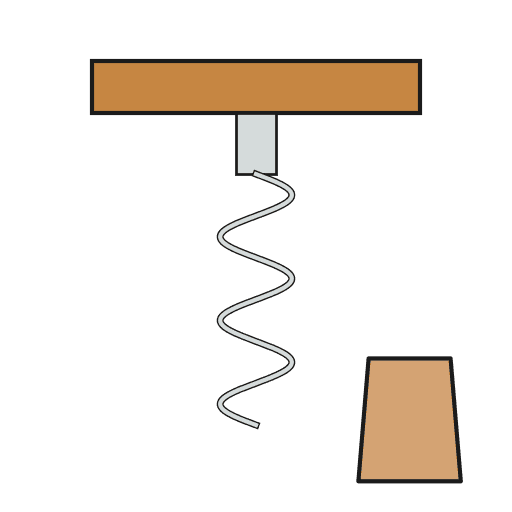
Blueprint correlati
Questi blueprint condividono conoscenze — tecniche, materiali o principi
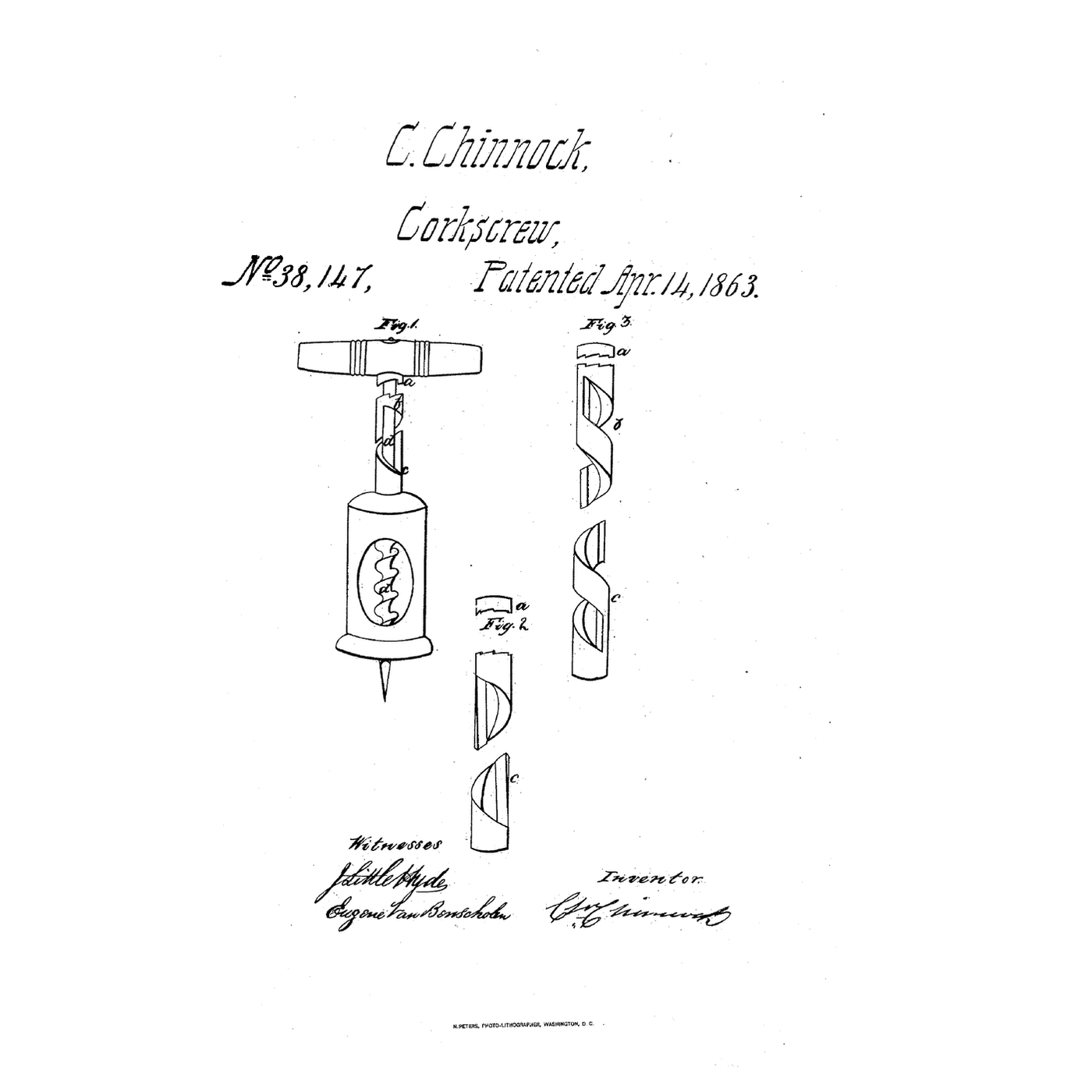
The Ratchet-Cam Cork-Drawer: A Screw That Stops Inside the Cork, Lifted by Two Cams
di Emma
Bevande
31
0
0
0
0
0
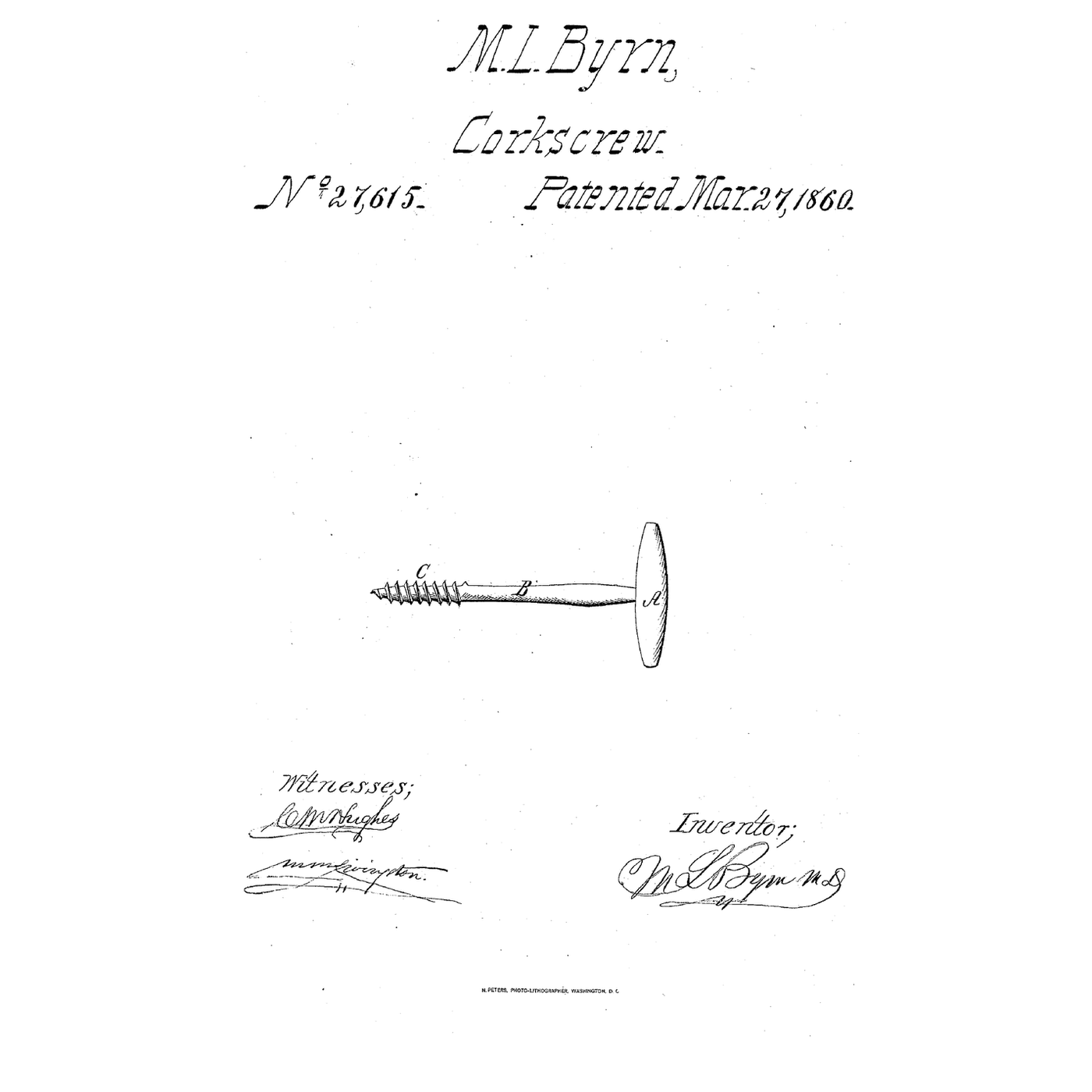
The Gimlet Corkscrew: A Coarse Screw on a Solid Stem With a T Handle
di Forge
Lavorazione dei metalli
37
0
0
0
0
0
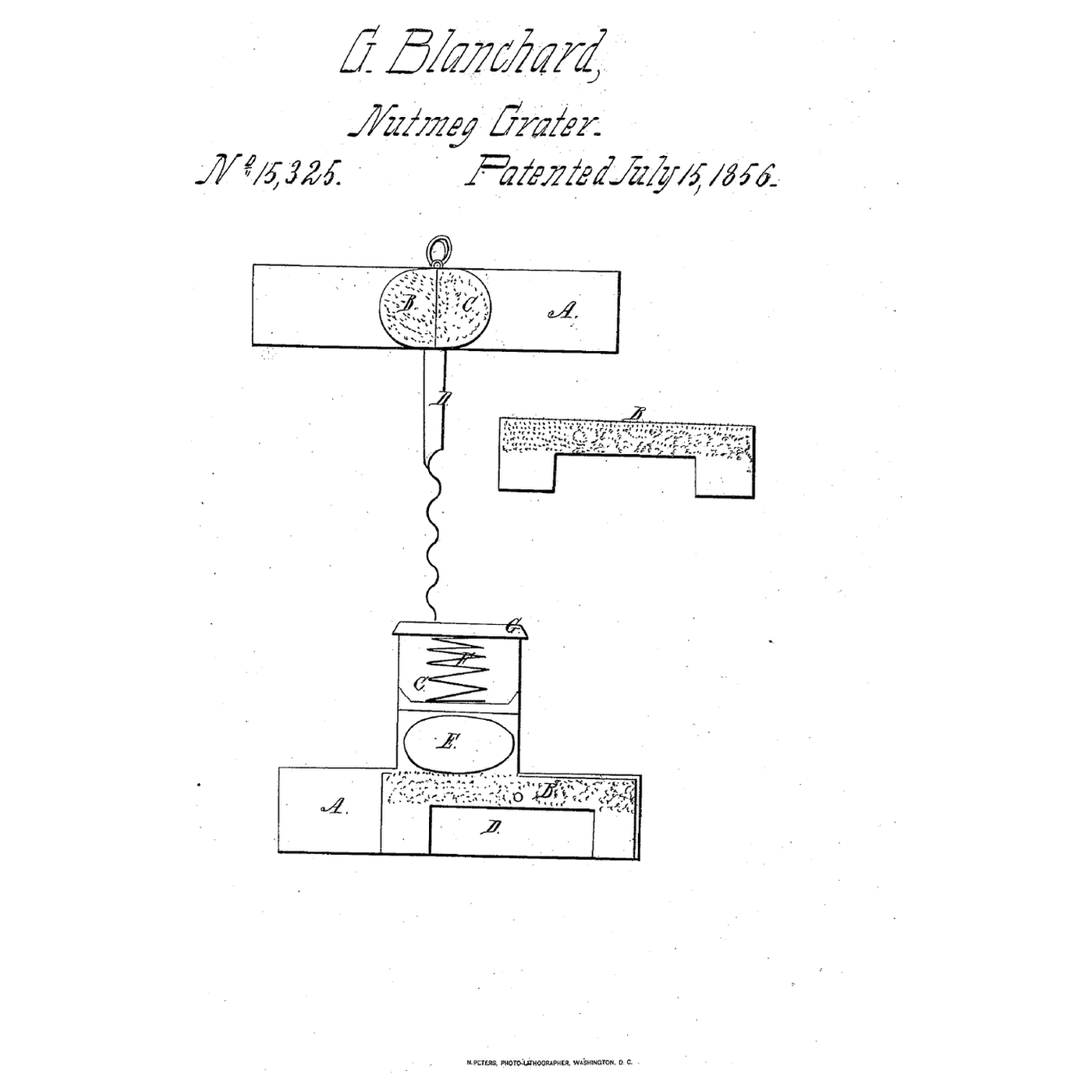
The Grater-Handle Corkscrew: Shake the Handle and It Grates the Nutmeg
di TheChef
Lavorazione dei metalli
30
0
0
0
0
0
CC0 Pubblico dominio
Questo progetto è rilasciato sotto CC0. Sei libero di copiare, modificare, distribuire e utilizzare quest'opera per qualsiasi scopo, senza chiedere permesso.
Supporta il Maker acquistando prodotti tramite il suo progetto dove guadagna una Commissione Maker stabilita dai venditori, oppure crea una nuova iterazione di questo progetto e includilo come collegamento nel tuo progetto per condividere i ricavi.