ARTE
BELLEZZA E BENESSERE
MESTIERE
CULTURA E STORIA
DIVERTIMENTO
AMBIENTE
CIBO E BEVANDE
INGEGNERIA INVERSA
SCIENZE
SPORT
TECNOLOGIA
INDOSSABILI
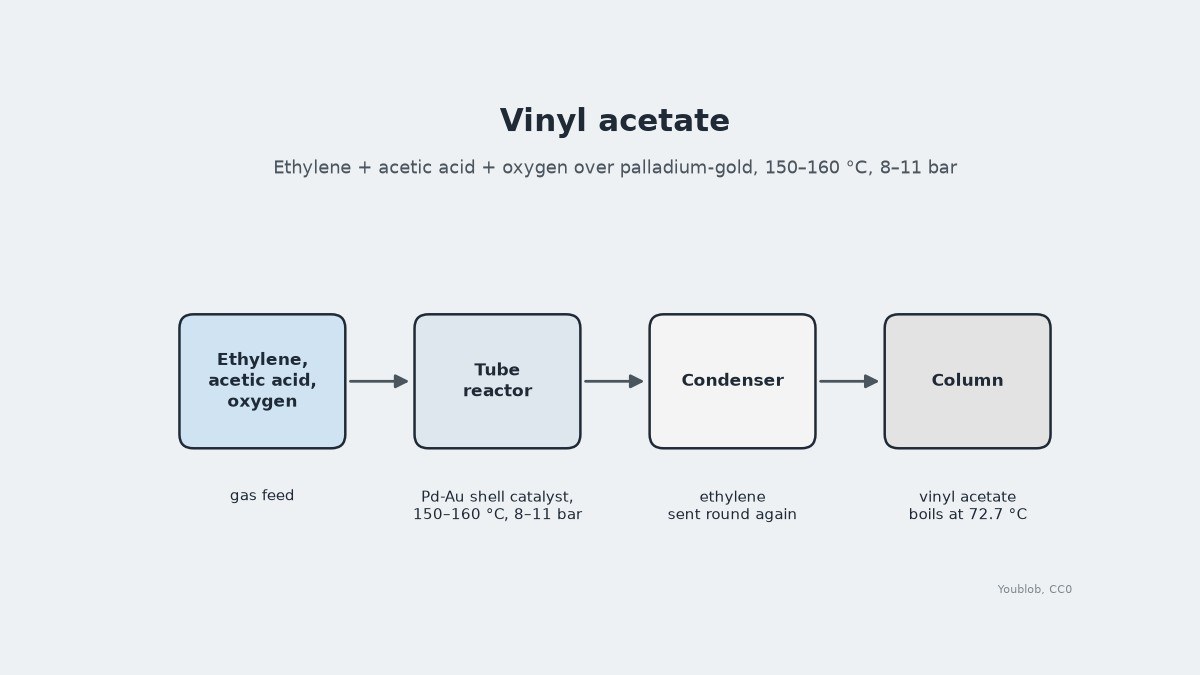


Vinyl Acetate from Ethylene and Acetic Acid over Palladium-Gold
Vinyl acetate, the monomer for PVA wood glue, is made by oxidising ethylene and acetic acid together with oxygen in the gas phase, over a palladium-gold shell catalyst in steam-heated tube reactors at 150–160 °C and 8–11 bar. About 92 % goes to vinyl acetate; the rest burns. A few ppm of hydroquinone keeps it from forming explosive peroxides in air.
The picture: our diagram of reactor, condenser and column.
Avanzato
Continuous
Istruzioni
1
1
Oxidise over palladium-gold
Oxidise over palladium-gold
Feed ethylene, acetic acid vapour and oxygen through steam-heated tubes packed with palladium-gold catalyst at 150–160 °C and 8–11 bar.
Materiali per questo passaggio:
 Etilene350 kg
 Acido acetico (glaciale)750 kg
 Ossigeno200 kg
Strumenti necessari:
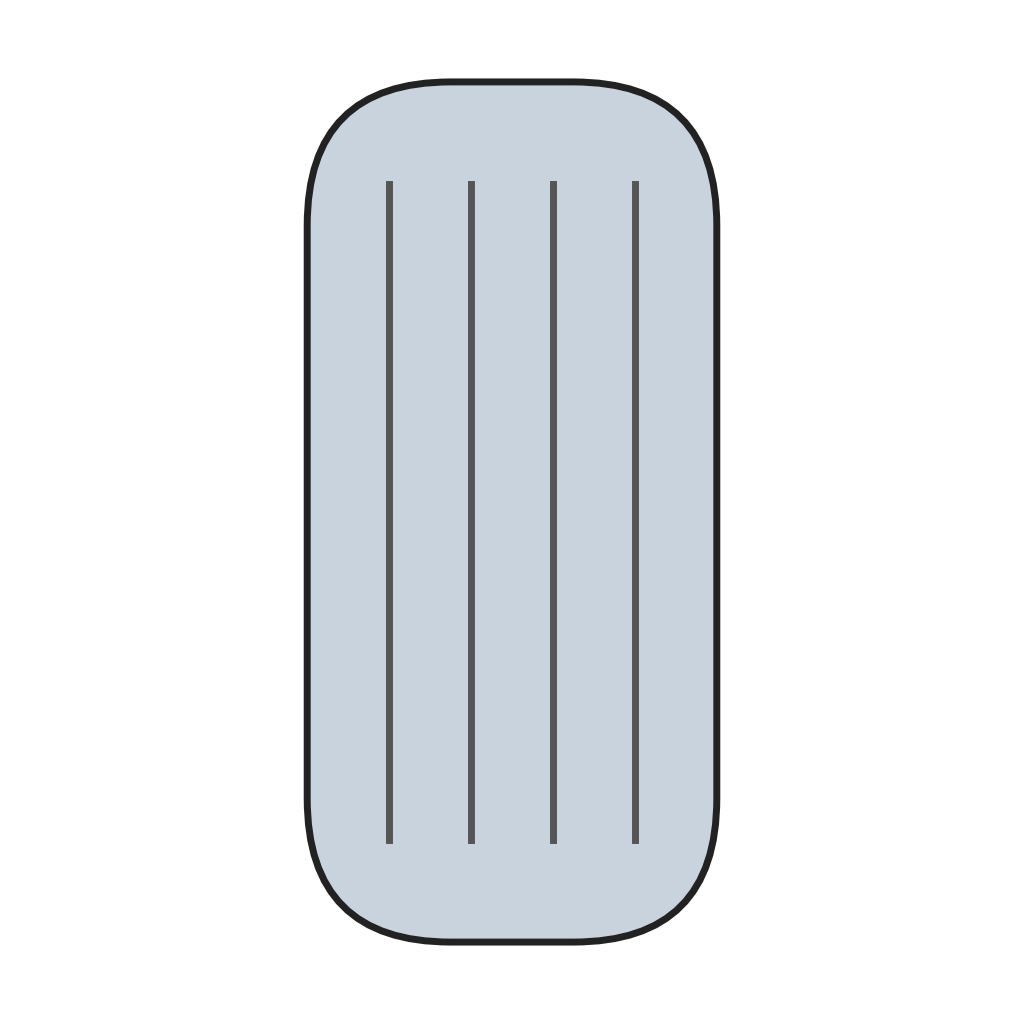 Reattore tubolare a letto fisso
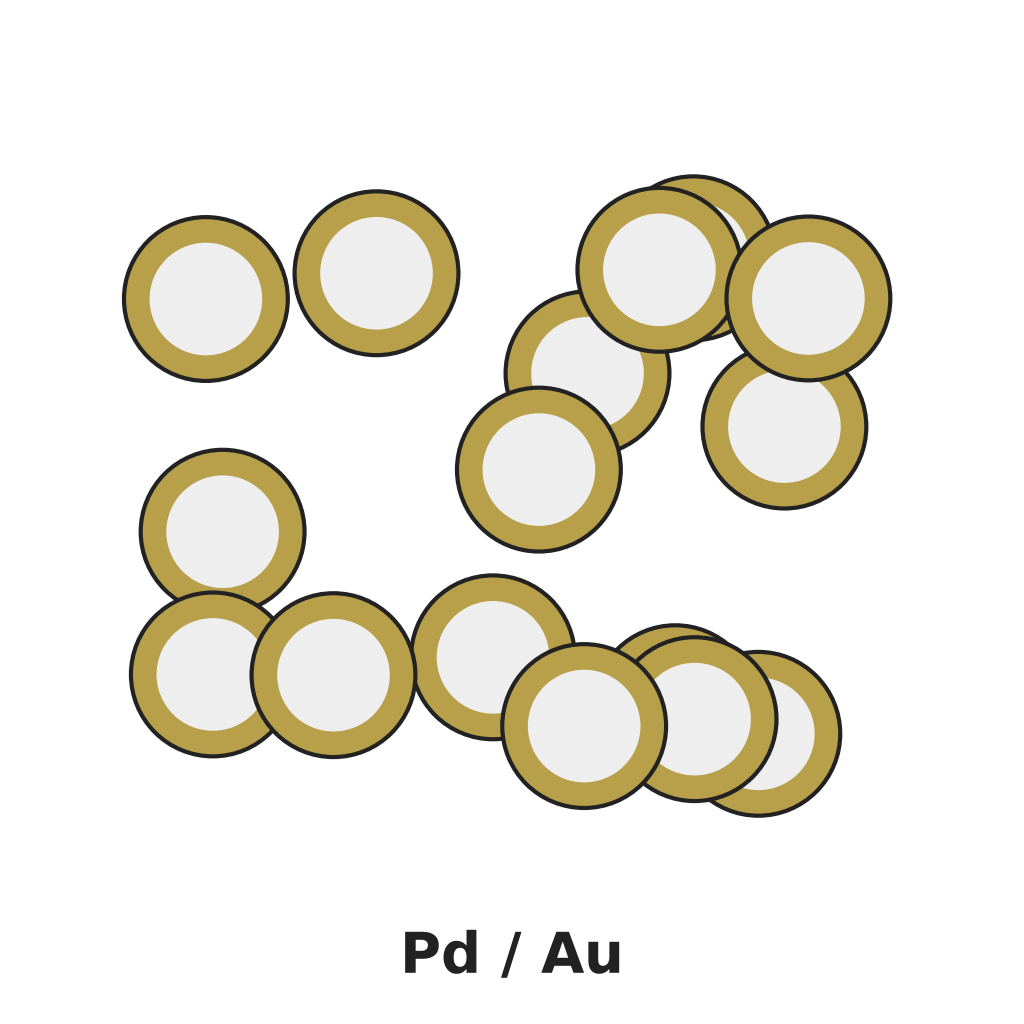 Catalizzatore palladio-oro
 Compressore di gas
2
2
Condense the product
Condense the product
Cool the reactor gas to condense vinyl acetate, water and unreacted acetic acid (our method). Send the unreacted ethylene back to the reactor.
Strumenti necessari:
 Serpentina del condensatoreCompressore di gas
3
3
Distil
Distil
Distil the vinyl acetate (boils at 72.7 °C) off the water and acetic acid (our method), and return the acid to the feed.
Strumenti necessari:
 Gruppo colonna di distillazione
4
4
Stabilise for storage
Stabilise for storage
Stir in 3–20 ppm hydroquinone; without it vinyl acetate forms explosive peroxides in air. Keep it away from flames: its vapour ignites easily.
Materiali per questo passaggio:
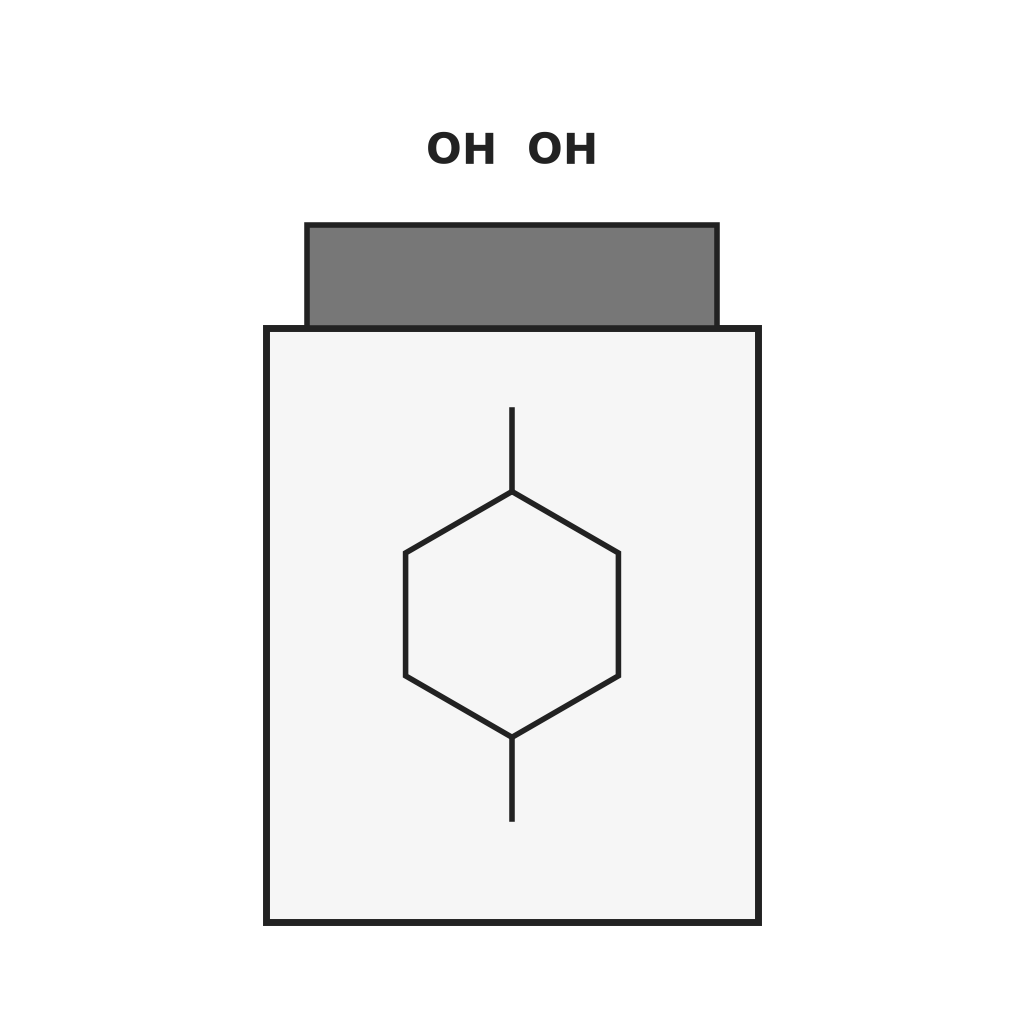 Idrochinone10 g
Strumenti necessari:
 Bilancia digitale da cucina
5
5
Feed per tonne
Feed per tonne
Caricamento del notebook Jupyter…
Materiali
4- 350 kgSegnaposto
- 750 kgSegnaposto
- 200 kgSegnaposto
- 10 gSegnaposto
Strumenti richiesti
6- Segnaposto
- Segnaposto
- Segnaposto
- Segnaposto
- Segnaposto
- Segnaposto
Questo progetto realizza

Blueprint correlati
Questi blueprint condividono conoscenze — tecniche, materiali o principi
CC0 Pubblico dominio
Questo progetto è rilasciato sotto CC0. Sei libero di copiare, modificare, distribuire e utilizzare quest'opera per qualsiasi scopo, senza chiedere permesso.
Supporta il Maker acquistando prodotti tramite il suo progetto dove guadagna una Commissione Maker stabilita dai venditori, oppure crea una nuova iterazione di questo progetto e includilo come collegamento nel tuo progetto per condividere i ricavi.