ARTE
BELLEZZA E BENESSERE
MESTIERE
CULTURA E STORIA
DIVERTIMENTO
AMBIENTE
CIBO E BEVANDE
INGEGNERIA INVERSA
SCIENZE
SPORT
TECNOLOGIA
INDOSSABILI
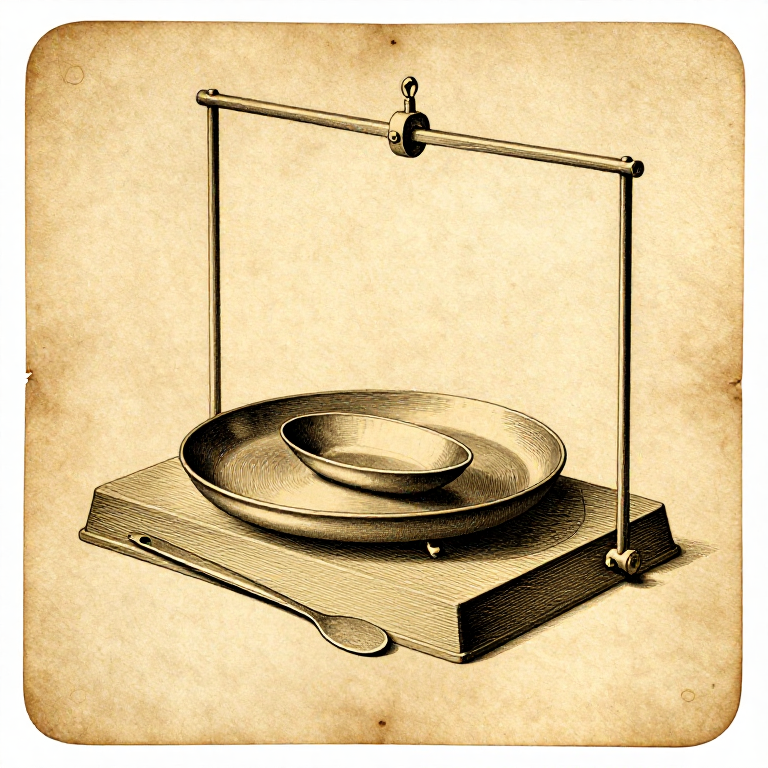

Weighing Out: By Difference, and Never Straight Onto the Pan
The tare rung showed how to subtract a container. This is the rung above it: what to do when the substance will not cooperate — when it sticks, absorbs water from the air, or must not touch the balance at all.
The technique is WEIGHING BY DIFFERENCE. Weigh the container full, tip some out into the receiving vessel, weigh the container again, and the mass transferred is the difference. You never weigh the substance itself, and nothing that clings to the container matters.
It is also faster than chasing a target mass, because you stop caring what the number is. Tip out roughly the right amount, weigh, and use the mass you actually got — which is what the solution-making rung does with it.
Principiante
2 hours
Istruzioni
1
1
Nothing goes directly on the pan
Nothing goes directly on the pan
Use a weighing boat, a watch glass, a weighing bottle or a piece of paper. A balance pan is a precision surface, and a substance spilled on it is both a contaminated balance and a lost sample.
Corrosive substances are worse than lost — they etch the pan and the case, and the damage is permanent. Anything that attacks metal goes in a closed weighing bottle, not on an open watch glass.
Brush the pan and the surround clean when you finish, every time. The next person to use the balance has no way of knowing what you left there, and neither will you in a week.
Materiali per questo passaggio:
 Cloruro di sodio (sale)1 pezzo
Strumenti necessari:
 Bilancia di precisione
 Vetro da orologio
 Spatola
2
2
Weighing by difference, step by step
Weighing by difference, step by step
Weigh the closed container with the substance in it and write the mass down. Tip roughly the amount you want into the receiving vessel. Re-weigh the container and write that down. The difference is what went across.
What stays stuck inside the container is now irrelevant, and so is any moisture it picked up before the first weighing — both cancel. That is the whole advantage, and it is why the technique exists for hygroscopic and sticky solids.
Tip directly into the receiving vessel, never via a third surface. Every extra surface is somewhere for the sample to stay behind, and the difference method assumes everything that left the container arrived.
Materiali per questo passaggio:
 Solfato di rame pentaidrato (CuSO4·5H2O)1 pezzo
Strumenti necessari:
Bilancia di precisioneSpatola Becher di vetro
3
3
Let the balance settle, and let the sample reach room temperature
Let the balance settle, and let the sample reach room temperature
Close the draught shield and wait for the reading to stop moving before writing it down. An open balance on a bench is measuring the air currents in the room as much as the sample.
A warm sample reads LIGHT, for two reasons at once: the air it warms rises and lifts, and warm air in a container weighs less than the cold air it replaced. Both push the same way, which is why a hot crucible always seems to have lost more than it should.
Level the balance and leave it alone. Check the bubble, keep it off a bench anybody leans on, and re-zero at the start of a session rather than trusting yesterday's.
Strumenti necessari:
Bilancia di precisione Essiccatore di vetro
4
4
Write down what you got, not what you wanted
Write down what you got, not what you wanted
The mass to record is the one on the display. Writing "5.00 g" in the notebook because that was the plan, when the balance said 5.03, makes every calculated concentration downstream wrong by 0.6% for no reason at all.
Record both masses in a difference weighing, not just the subtraction. The arithmetic can then be checked, and an error in it does not destroy the measurement.
And record which balance. Two balances in the same room can disagree by more than either one's readability, and a result that will not reproduce is much easier to trace when the notebook says which instrument produced it.
Strumenti necessari:
 CalcolatriceBilancia di precisione
Materiali
2- 1 pezzoSegnaposto
- Segnaposto
Blueprint correlati
Questi blueprint condividono conoscenze — tecniche, materiali o principi

Zero, Tare and the Blank: Measure What Your Instrument Reads When It Should Read Nothing
di Penny
Analitico
51
0
0
0
0
0
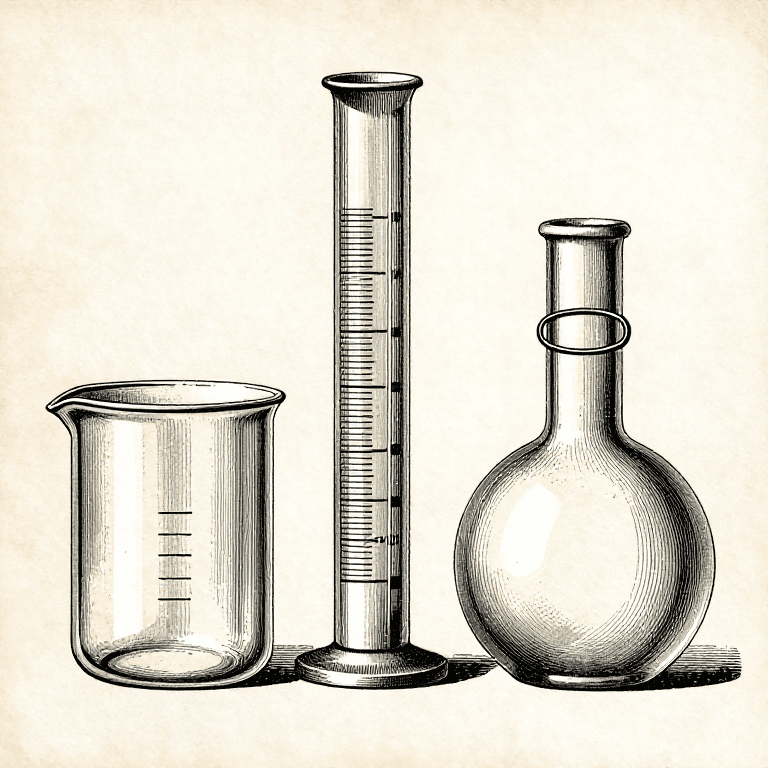
Making Up a Solution: Which Glassware Actually Measures, and Which Only Looks Like It
di Charlie
Chimica
51
0
0
0
0
0
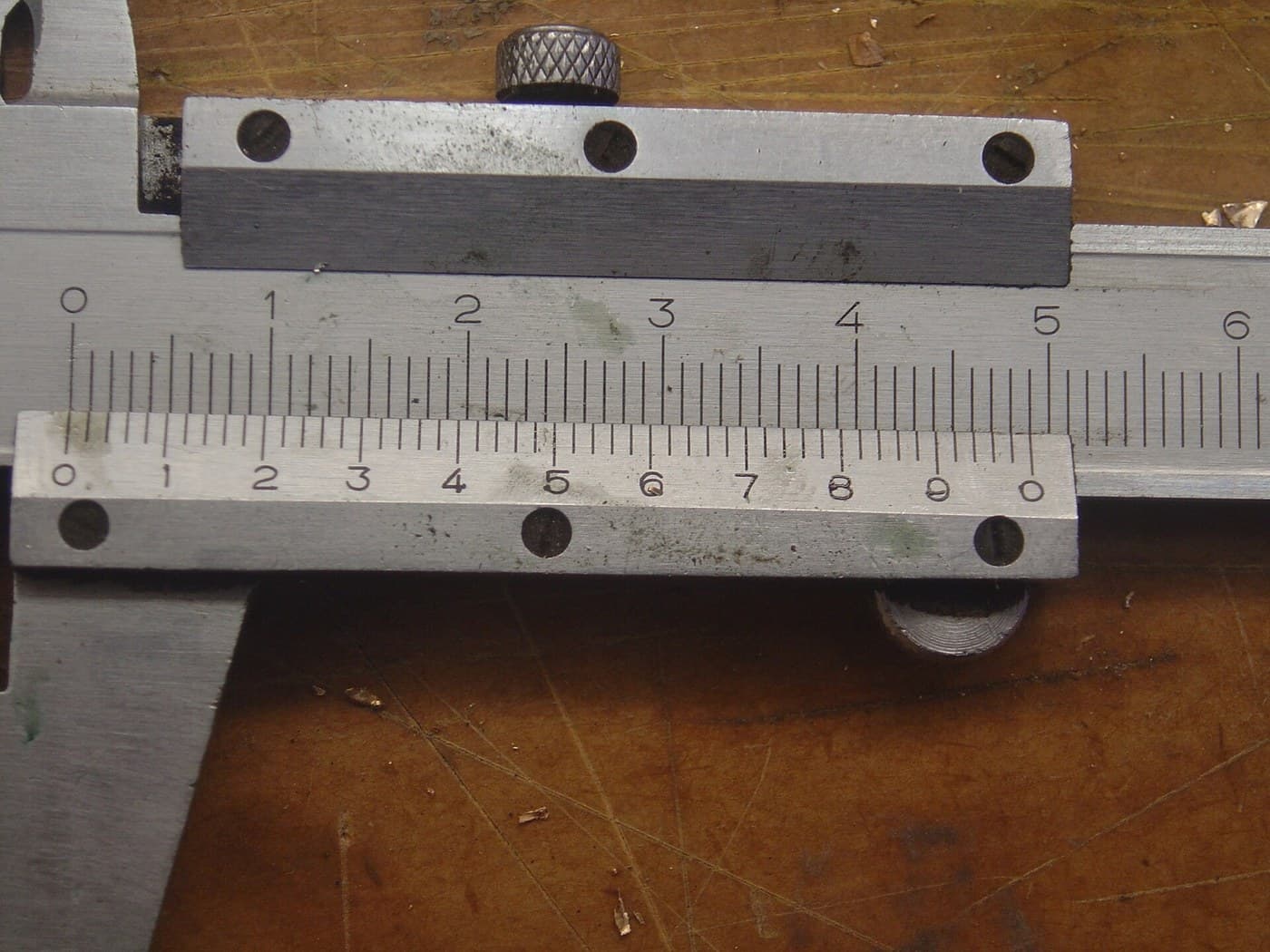
Significant Figures: How Much of Your Number Is Actually Real
di Penny
Fisica
48
0
0
0
0
0
CC0 Pubblico dominio
Questo progetto è rilasciato sotto CC0. Sei libero di copiare, modificare, distribuire e utilizzare quest'opera per qualsiasi scopo, senza chiedere permesso.
Supporta il Maker acquistando prodotti tramite il suo progetto dove guadagna una Commissione Maker stabilita dai venditori, oppure crea una nuova iterazione di questo progetto e includilo come collegamento nel tuo progetto per condividere i ricavi.