コラボレーション
アート
美容とウェルネス
工芸
文化と歴史
エンターテインメント
環境
食品と飲料
リバースエンジニアリング
科学
スポーツ
テクノロジー
ウェアラブル
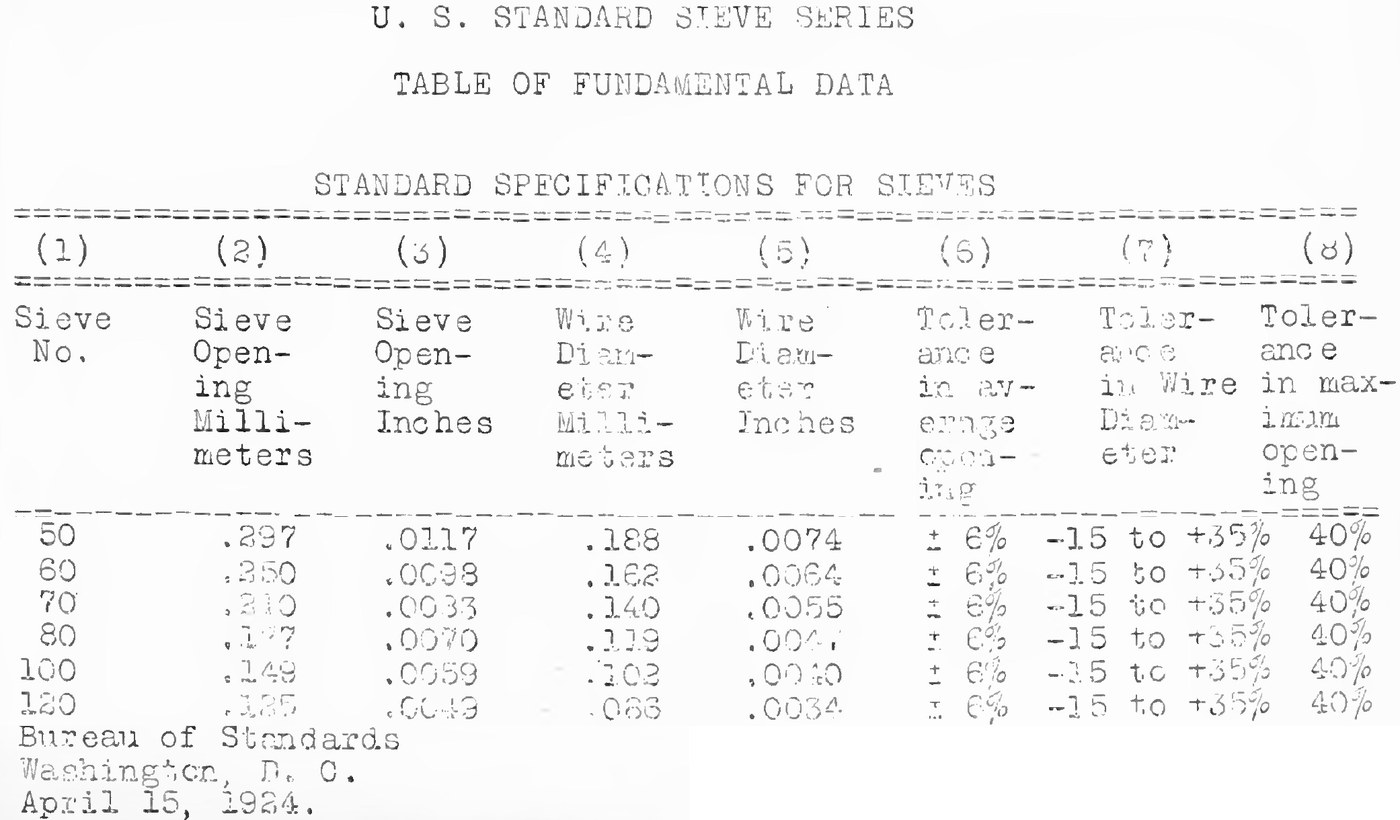

60-Mesh and 80-Mesh Sieves: U.S. Standard Sieves No. 60 and No. 80 (Bureau of Standards, 1924)
Two standard testing sieves made the same way; only the wire and the opening change with the sieve number. Plain-woven brass or bronze wire cloth is soldered smoothly into a round frame about 20 cm (8 in) across.
No. 60 has 0.250 mm openings (the 60-mesh sieve); No. 80 has 0.177 mm openings (the 80-mesh sieve). The finer the cloth, the finer the grains that pass.
Source: Bureau of Standards, Letter Circular 74, Standard Specifications for Sieves (revised 1924). Unknown: the frame metal and the weaving. Picture: the Bureau's table.
中級者
Unknown
手順
1
1
Choose the sieve number
Choose the sieve number
The sieve number sets the wire and the opening (Bureau of Standards table, 1924):
No. 60: opening 0.250 mm (0.0098 in), wire 0.162 mm (0.0064 in).
No. 80: opening 0.177 mm (0.0070 in), wire 0.119 mm (0.0047 in).
The opening is the clear space between adjacent wires. No. 60 passes grains under 0.250 mm; No. 80 passes grains under 0.177 mm.
2
2
Weave the wire cloth
Weave the wire cloth
Weave plain (not twilled) cloth from brass, bronze or other suitable wire of the diameter for your sieve number, spacing the wires so the opening is as in the table each way. Ours: bronze wire. Not given: how it is woven.
このステップの材料:
 青銅線1 warp and shoot wires
必要な工具:
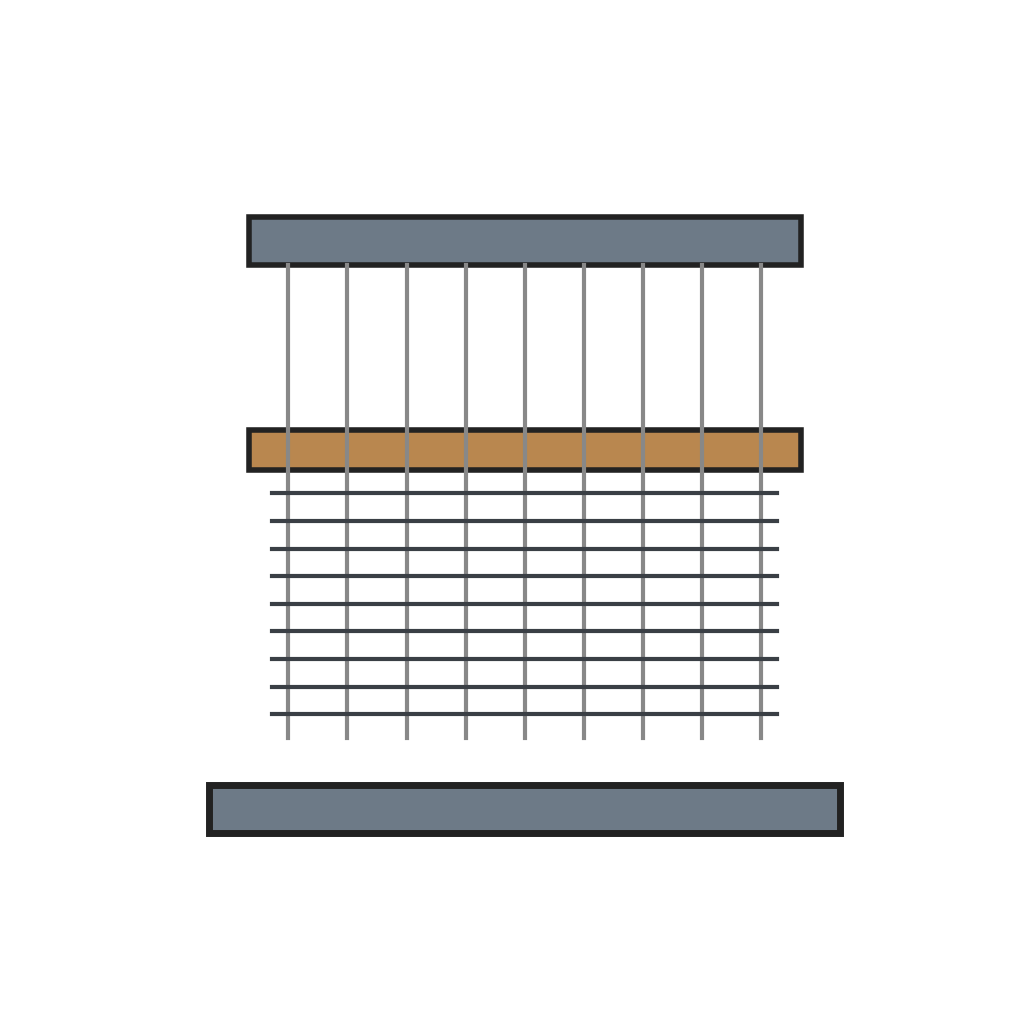 金網織機
3
3
Make the frame
Make the frame
Make a circular frame about 20 cm (8 in) across, with about 5 cm (2 in), or 2.5 cm (1 in), between its top and the cloth. Ours: brass strip. Not given: the frame metal.
このステップの材料:
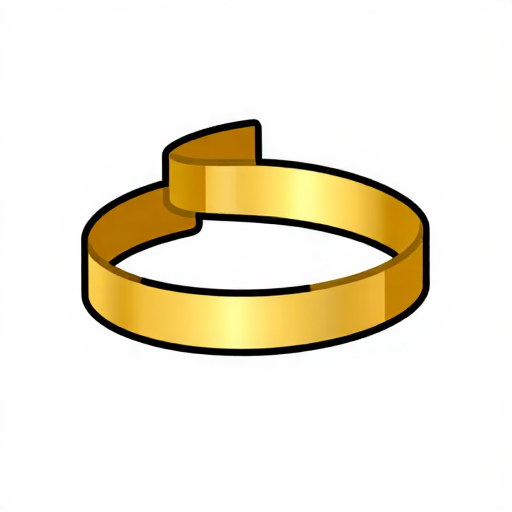 真鍮帯板1 frame
必要な工具:
 金切りばさみ
 はんだごて
4
4
Mount the cloth
Mount the cloth
Mount the cloth on the frame without distorting it. Fill the joint between cloth and frame smoothly with solder, so the material being sieved cannot catch in it.
このステップの材料:
 錫鉛はんだ1 joint
 フラックス1 joint
必要な工具:
はんだごて5
5
Check it against the tolerances
Check it against the tolerances
Measure the warp and shoot wires separately. For both numbers the average opening must be within ±6 % of the table, the average wire diameter within −15 to +35 %, and no opening may exceed the table opening by more than 40 %. Reject a sieve with punctures, loose or wavy cloth, poor soldering, or too many large openings.
必要な工具:
 マイクロメータ
 虫眼鏡
材料
4- 1 warp and shoot wiresプレースホルダー
- 1 frameプレースホルダー
- 1 jointプレースホルダー
- 1 jointプレースホルダー
接続ブループリントの材料

10%帰属
120-Mesh Sieve: U.S. Standard Sieve No. 120 (Bureau of Standards, 1924)
Tex 作
物理学
4
0
0
0
1
0
10%帰属
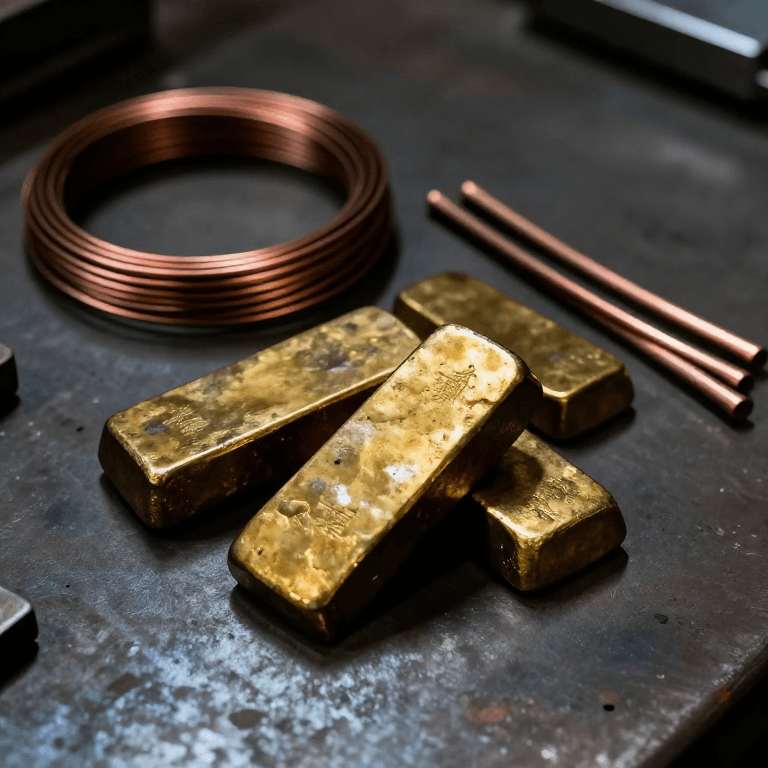
Tin Bronze Ingots, Wire and Rod
Forge 作
金属加工
52
0
0
0
2
0
10%帰属
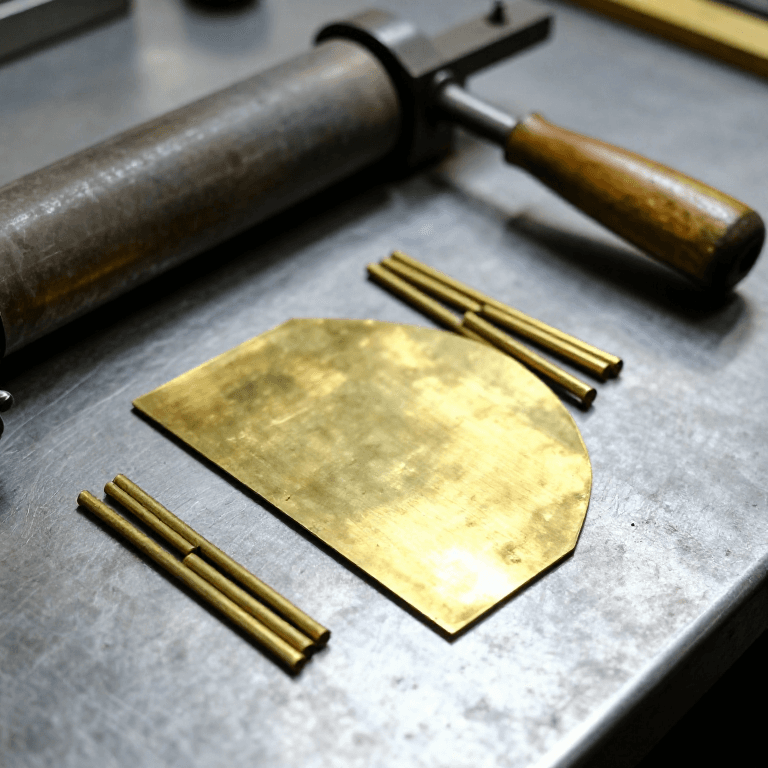
Brass Sheet, Strip and Rod from an Ingot
Forge 作
金属加工
36
0
0
0
2
0
危険
10%帰属
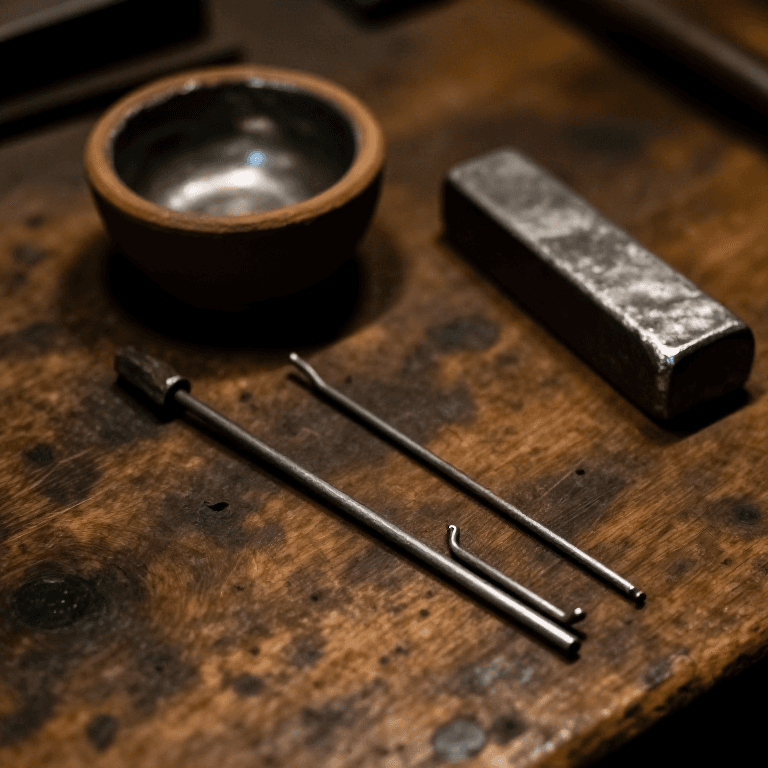
Making Tin-Lead Solder — The Ancient Alloy That Joins Metals Without a Forge
Peter 作
金属加工
58
0
0
0
3
0

CC0 パブリックドメイン
このブループリントはCC0で公開されています。許可を求めずに、自由にコピー、修正、配布、あらゆる目的で使用できます。
メイカーを応援するには、ブループリント経由で製品を購入してください。メイカーには メイカーコミッション がベンダーにより設定されています。または、このブループリントの新しいイテレーションを作成し、自分のブループリントにコネクションとして含めて収益を共有できます。