アート
美容とウェルネス
工芸
文化と歴史
エンターテインメント
環境
食品と飲料
リバースエンジニアリング
科学
スポーツ
テクノロジー
ウェアラブル
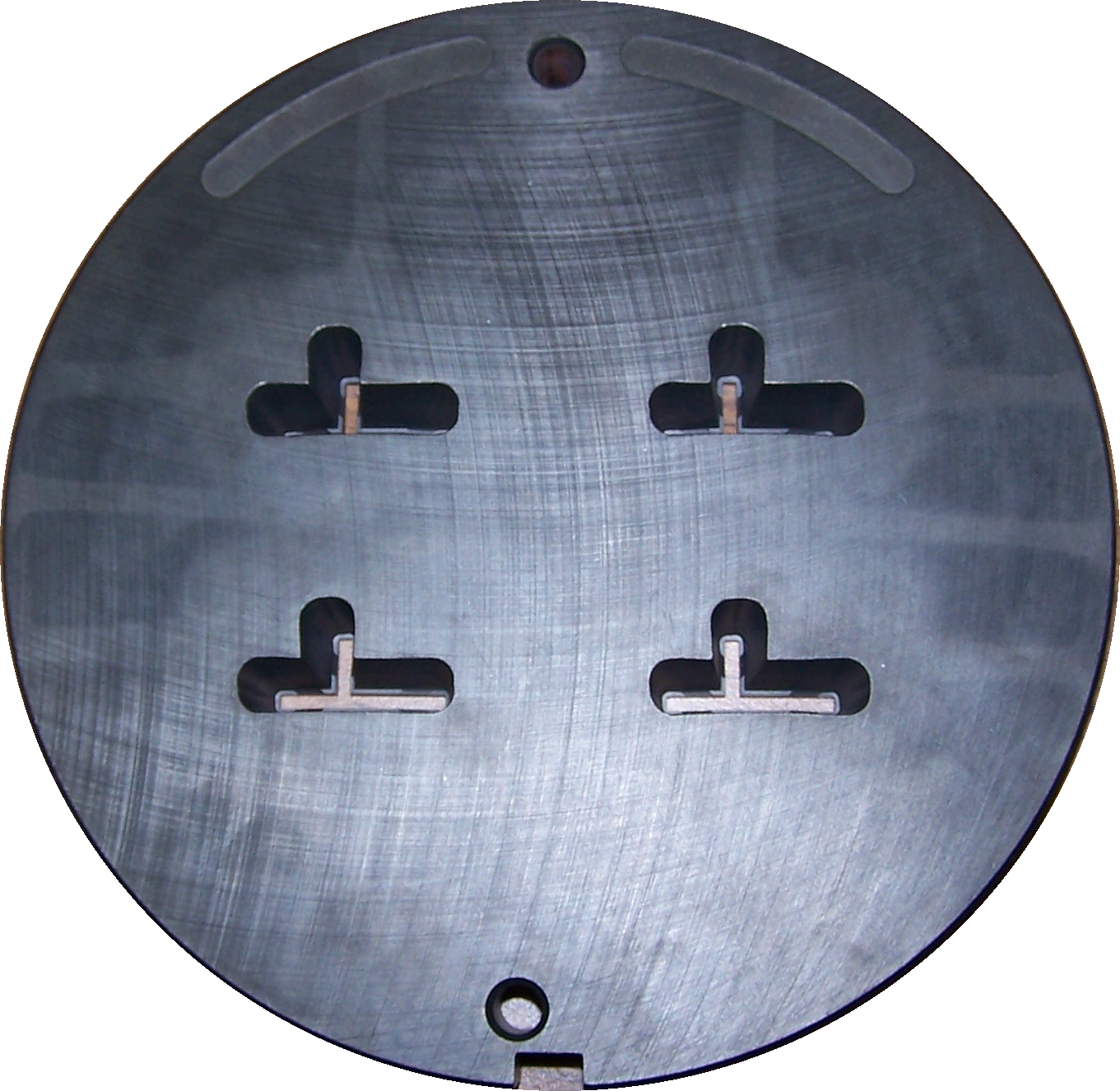


Aluminium Extrusion: Bars, Tubes and Profiles
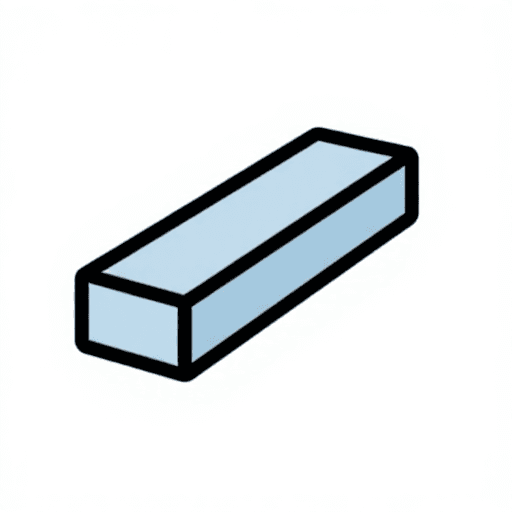
Almost every aluminium bar, tube, angle and T-slot profile is extruded: a cylinder of aluminium, the billet, is heated to about 350–500 °C, placed in a heavy-walled container and pushed by a ram through a steel die whose opening is the shape of the product, like toothpaste from a tube. Presses range from about 230 to 11,000 tonnes. Hollow shapes such as tube pass round a mandrel or through a die that splits and rejoins the metal. The long extrusion is cooled, stretched to straighten it, cut to length and, for the stronger alloys, heat treated.
This is an industrial process; it explains how the stock that makers buy is made.
上級者
Minutes per billet (industrial)
手順
1
1
Cast and cut billets
Cast and cut billets
Aluminium ingots are remelted with the alloy additions and cast as long round logs, then sawn into billets.
このステップの材料:
 アルミインゴット100 kg
2
2
Heat the billet
Heat the billet
Each billet is heated to about 350–500 °C, soft enough to flow but well below melting.
必要な工具:
 焼きなまし炉
3
3
Load and push
Load and push
The billet goes into the press container in front of the die; the ram pushes it through at pressures of tens to hundreds of megapascals. The die's opening sets the profile.
必要な工具:
 油圧押出プレス
 押出ダイ
4
4
Cool and stretch
Cool and stretch
The profile runs out on a table, is cooled by air or water, then gripped at both ends and stretched straight.
5
5
Cut and treat
Cut and treat
It is sawn to length; heat-treatable alloys are then aged to full strength.
必要な工具:
焼きなまし炉6
6
Check the profile
Check the profile
Sections are measured against the drawing's dimensions and tolerances.
必要な工具:
 デジタルノギス 6インチ
この設計図で作るもの



関連ブループリント
これらのブループリントは知識を共有しています — 技術、材料、原理

CC0 パブリックドメイン
このブループリントはCC0で公開されています。許可を求めずに、自由にコピー、修正、配布、あらゆる目的で使用できます。
メイカーを応援するには、ブループリント経由で製品を購入してください。メイカーには メイカーコミッション がベンダーにより設定されています。または、このブループリントの新しいイテレーションを作成し、自分のブループリントにコネクションとして含めて収益を共有できます。