アート
美容とウェルネス
工芸
文化と歴史
エンターテインメント
環境
食品と飲料
リバースエンジニアリング
科学
スポーツ
テクノロジー
ウェアラブル
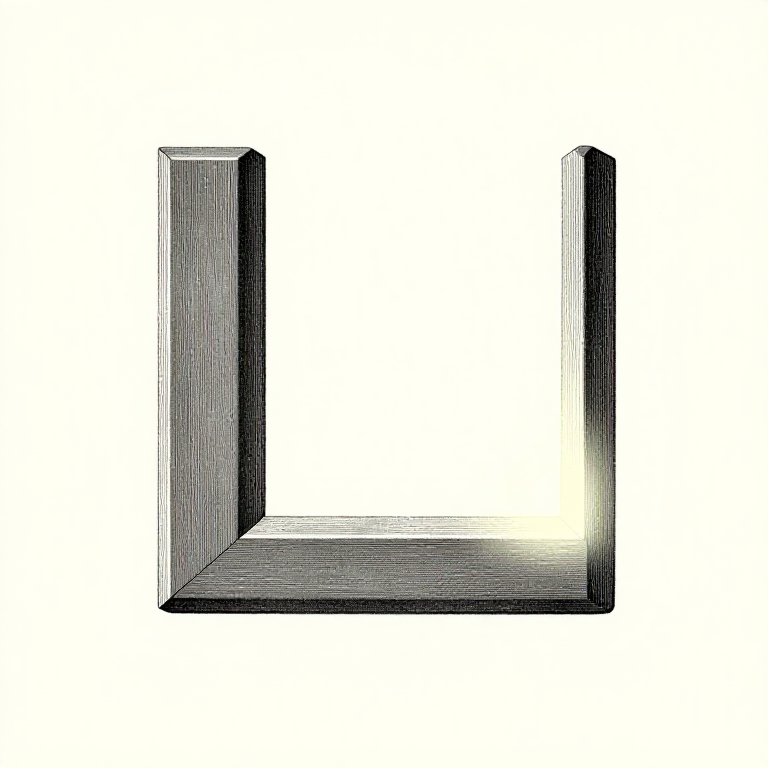


Bending: Where the Curve Starts Is a Decision
Bending looks like the easiest operation and produces the most disappointing results, because the bend happens wherever the metal is hottest and thinnest — not where you intended.
So bending is really a heating problem. Control where the heat is and the bend goes there; heat the whole bar and it bends in a long lazy arc wherever it happens to be weakest.
The second decision is the RADIUS, and that is what the anvil's horn is for: a continuously variable former from a tight curl at the tip to a gentle sweep at the base.
中級者
3 hours
手順
1
1
Heat a short band exactly where the bend goes
Heat a short band exactly where the bend goes
Bring a narrow band to bright heat and leave the bar dark either side. Cold metal will not bend, so the deformation is confined to the hot band — the same lever the upsetting rung uses.
A sharp corner needs a very short hot zone; a gentle curve needs a long one. So decide the shape first, then heat to match it, rather than heating and hoping.
Use the fire's shape to help. A narrow slot in the fuel, or the work laid across rather than into the hot zone, heats a band instead of a length. This is the heating-evenly rung again, used deliberately in reverse.
このステップの材料:
 軟鋼バー1 個
 木炭1 個
木炭1 個必要な工具:
 鍛冶炉
鍛冶炉 鍛冶やっとこ
 鍛冶用遮光ゴーグル
2
2
Over the horn, over the edge, or in the vice
Over the horn, over the edge, or in the vice
The HORN gives any radius you want — move along it. Lay the bar across and pull down, or hammer it round; the horn supports the inside of the curve while the metal wraps.
The anvil EDGE gives a sharp corner. Hang the bar over the edge with the hot band exactly at the edge line, and strike down — the metal folds over the radius of that edge, so a sharp edge gives a crisp corner and a rounded one gives a soft bend.
The VICE holds one side while you lever the other, which gives the most control for a precise angle. A bending fork in the hardy hole does the same on the anvil and leaves both hands free.
このステップの材料:
軟鋼バー1 個必要な工具:
 金床
金床 重量級万力
重量級万力 鍛冶ハンマー鍛冶やっとこ
3
3
The outside stretches — and how far is arithmetic
The outside stretches — and how far is arithmetic
Jupyter ノートブックを読み込み中…
このステップの材料:
軟鋼バー1 個必要な工具:
金床鍛冶ハンマー 拡大ルーペ
拡大ルーペ 計算機
計算機4
4
Check against the drawing, not against your eye
Check against the drawing, not against your eye
Draw the shape full size on a steel plate or a sheet of paper and offer the work to it after every few blows. The eye is a poor judge of an angle and a worse one of a curve.
For a repeated shape — a set of scrolls, a row of identical brackets — make a simple jig or a bending fork so each piece is formed against the same former. That is the story-stick principle from the marking-out batch: one reference, used repeatedly, beats measuring each piece.
Correct while it is still hot. A bend that has gone cold can be reheated, but every extra heat costs scale and risks grain growth, and a shape corrected three times rarely looks as crisp as one made right in two heats.
このステップの材料:
軟鋼バー1 個必要な工具:
 定規鍛冶やっとこ金床
この設計図で作るもの
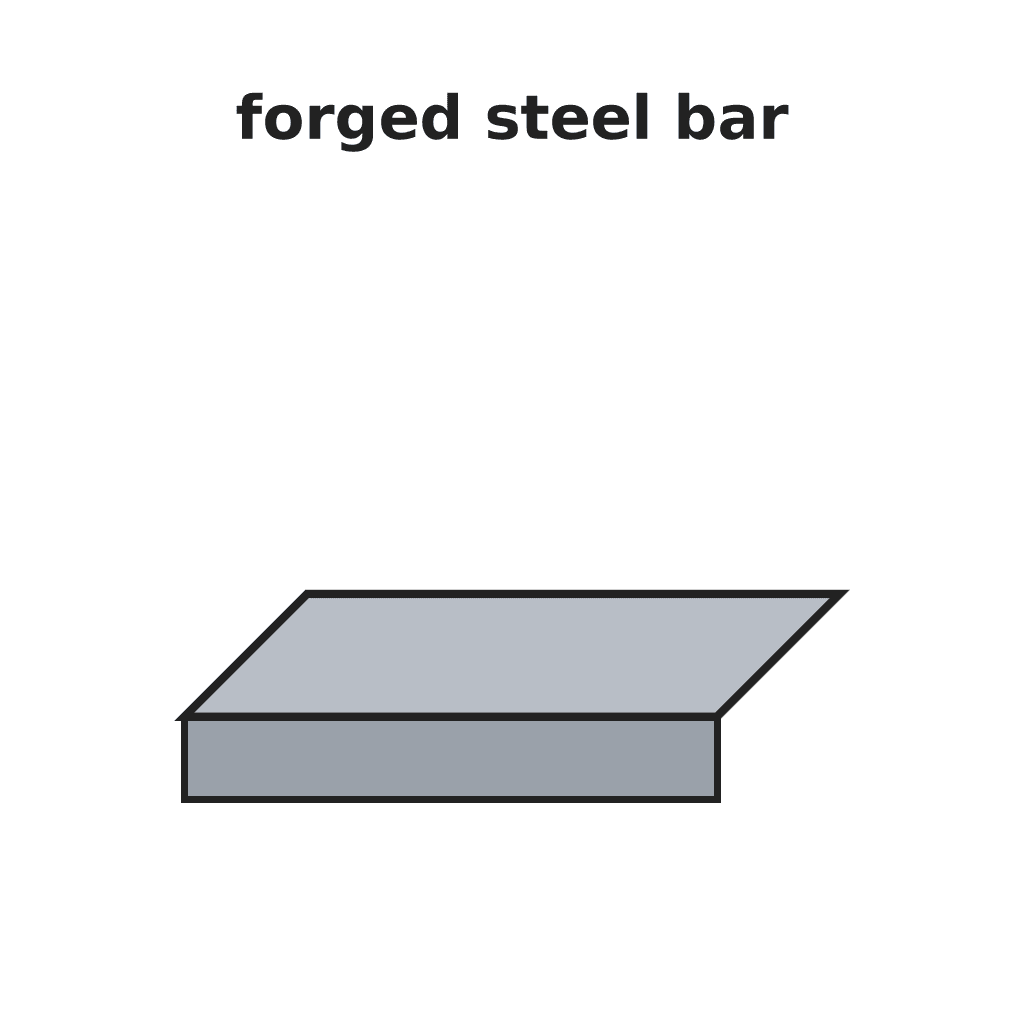
関連ブループリント
これらのブループリントは知識を共有しています — 技術、材料、原理
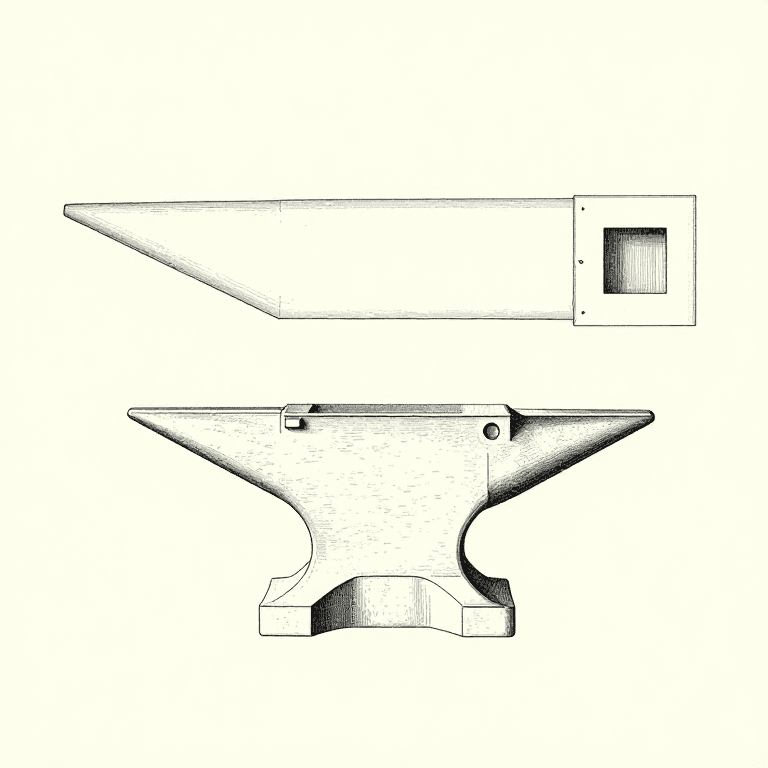
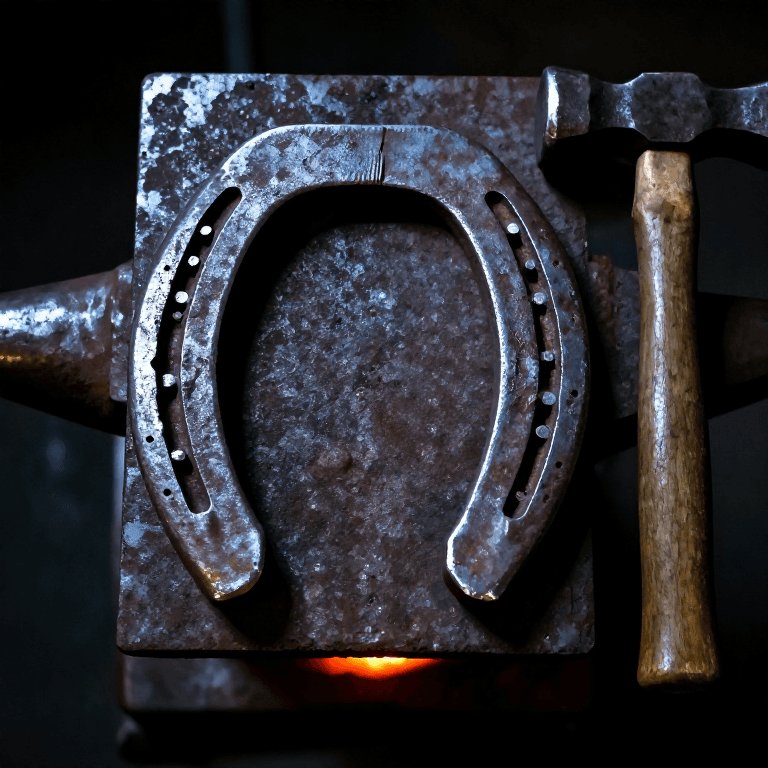
CC0 パブリックドメイン
このブループリントはCC0で公開されています。許可を求めずに、自由にコピー、修正、配布、あらゆる目的で使用できます。
メイカーを応援するには、ブループリント経由で製品を購入してください。メイカーには メイカーコミッション がベンダーにより設定されています。または、このブループリントの新しいイテレーションを作成し、自分のブループリントにコネクションとして含めて収益を共有できます。