アート
美容とウェルネス
工芸
文化と歴史
エンターテインメント
環境
食品と飲料
リバースエンジニアリング
科学
スポーツ
テクノロジー
ウェアラブル
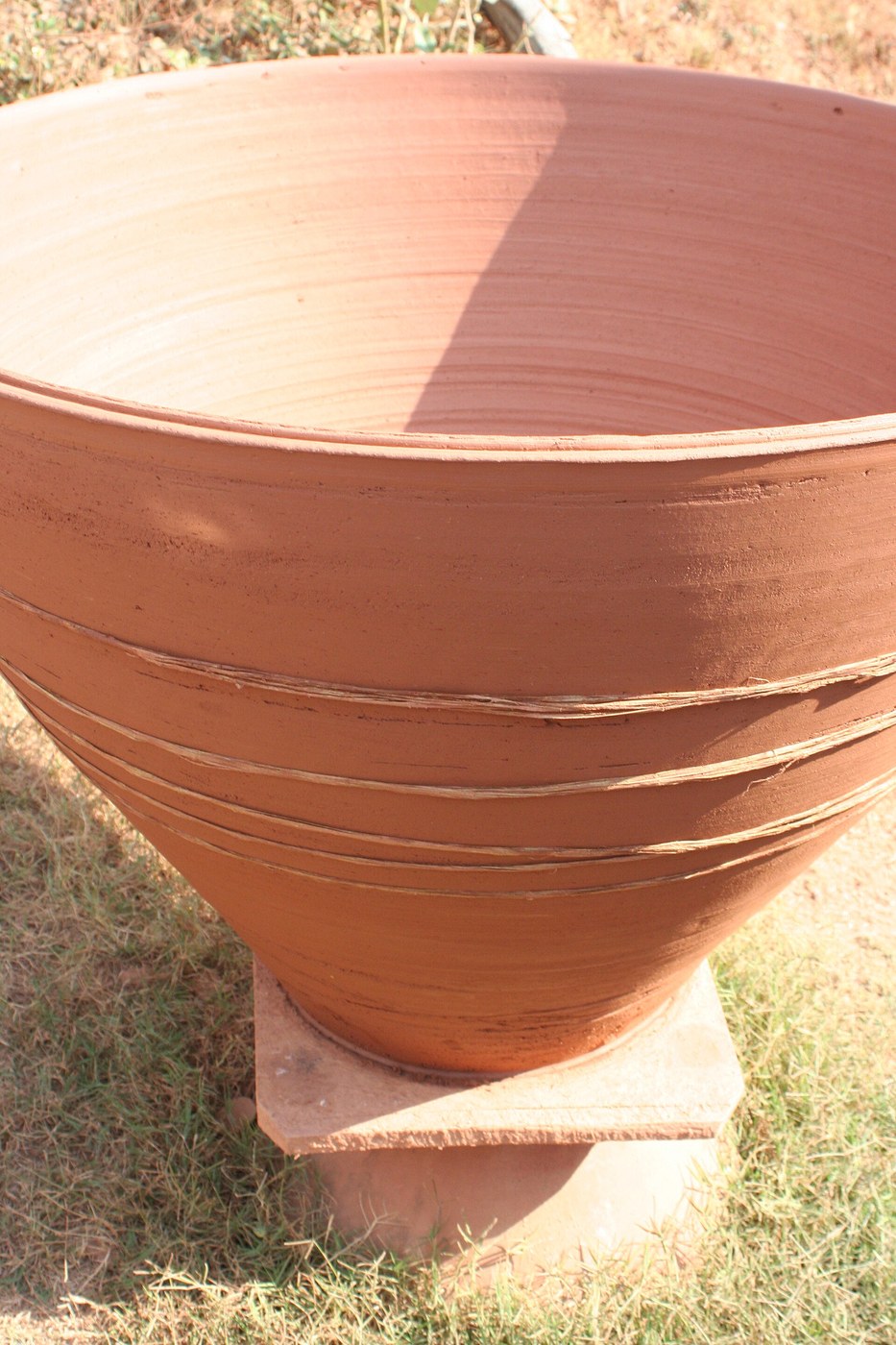


Bone-Dry Clay Vessels: Formed, Dried Slowly, Ready to Fire
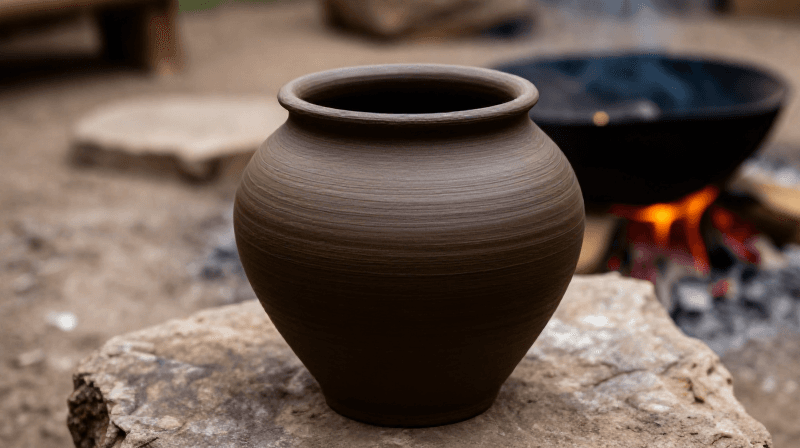
A pot must be bone dry before it is fired: dried until it is porous, no longer plastic and very fragile. On the way it passes leather-hard, when shrinking stops. Dry it slowly and evenly so it does not crack, and finish the last water off gently in the kiln.
The picture: a large unfired pot, bound round with fibre while it dries, at Nwenyein, Myanmar.
初心者
One to two weeks
手順
1
1
Form the vessels
Form the vessels
Build the pots as in the coil pot blueprint, up to the end of shaping; do not fire them.
2
2
Dry slowly under cover
Dry slowly under cover
Stand the pots on a cloth-covered board out of sun and draught, loosely covered, so rims and bases dry at the same pace.
必要な工具:
 湿らせた布の覆い
 樹脂シート
 陶芸用のキャンバス作業面
3
3
Leather-hard
Leather-hard
When the clay is firm enough to handle and has stopped shrinking, it is leather-hard: trim and burnish now, and join handles with slip.
このステップの材料:
 泥漿(液状粘土)50 ml
必要な工具:
 陶芸道具セット
4
4
Uncover and dry to bone-dry
Uncover and dry to bone-dry
Uncover the pots and let them dry in a warm room until they turn pale and light. A pot that still feels cool against the cheek is still damp (our test). Handle bone-dry pots gently: they break easily.
必要な工具:
 天秤ばかり
5
5
Is it dry yet?
Is it dry yet?
Jupyter ノートブックを読み込み中…
6
6
Limits
Limits
Leather-hard and bone-dry are as the Wikipedia ceramics glossary defines them; the cover, the cheek test and the weighing are ours. Kilns finish the last water with a slow, low first stage (candling).
この設計図で作るもの
関連ブループリント
これらのブループリントは知識を共有しています — 技術、材料、原理

CC0 パブリックドメイン
このブループリントはCC0で公開されています。許可を求めずに、自由にコピー、修正、配布、あらゆる目的で使用できます。
メイカーを応援するには、ブループリント経由で製品を購入してください。メイカーには メイカーコミッション がベンダーにより設定されています。または、このブループリントの新しいイテレーションを作成し、自分のブループリントにコネクションとして含めて収益を共有できます。