コラボレーション
アート
美容とウェルネス
工芸
文化と歴史
エンターテインメント
環境
食品と飲料
リバースエンジニアリング
科学
スポーツ
テクノロジー
ウェアラブル


Carbon Electrode: Oil-Coke Pressed with Tar and Baked at 1200° (Thorpe, 1912)
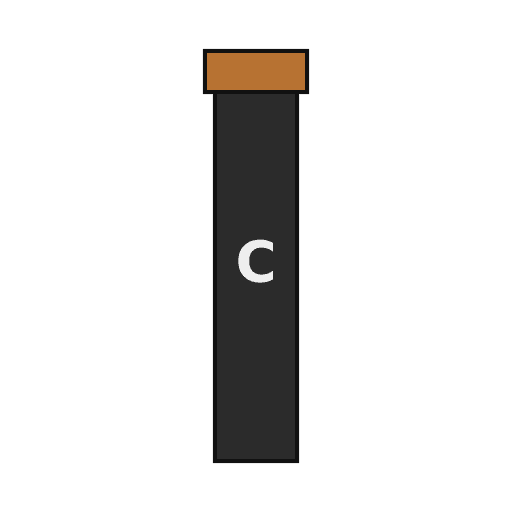
Amorphous carbon electrodes as made for aluminium reduction: oil-coke is selected, ground and calcined, pressed hard with tar as a binder, and baked at about 1200° in a kiln like a pottery kiln, packed in carbon so the surface does not burn.
A good electrode conducts electricity well but heat poorly, is hard, resists surface oxidation, has low porosity and is even throughout. Thorpe gives 25 to 60 amperes per square inch as the permissible current density, though much less is used in practice.
Not given: the tar proportion, the pressure and the sizes.
Source: T. E. Thorpe, Dictionary of Applied Chemistry vol. I (1912), p. 107. Picture: the book's text.
上級者
Unknown
手順
1
1
Grind and calcine the coke
Grind and calcine the coke
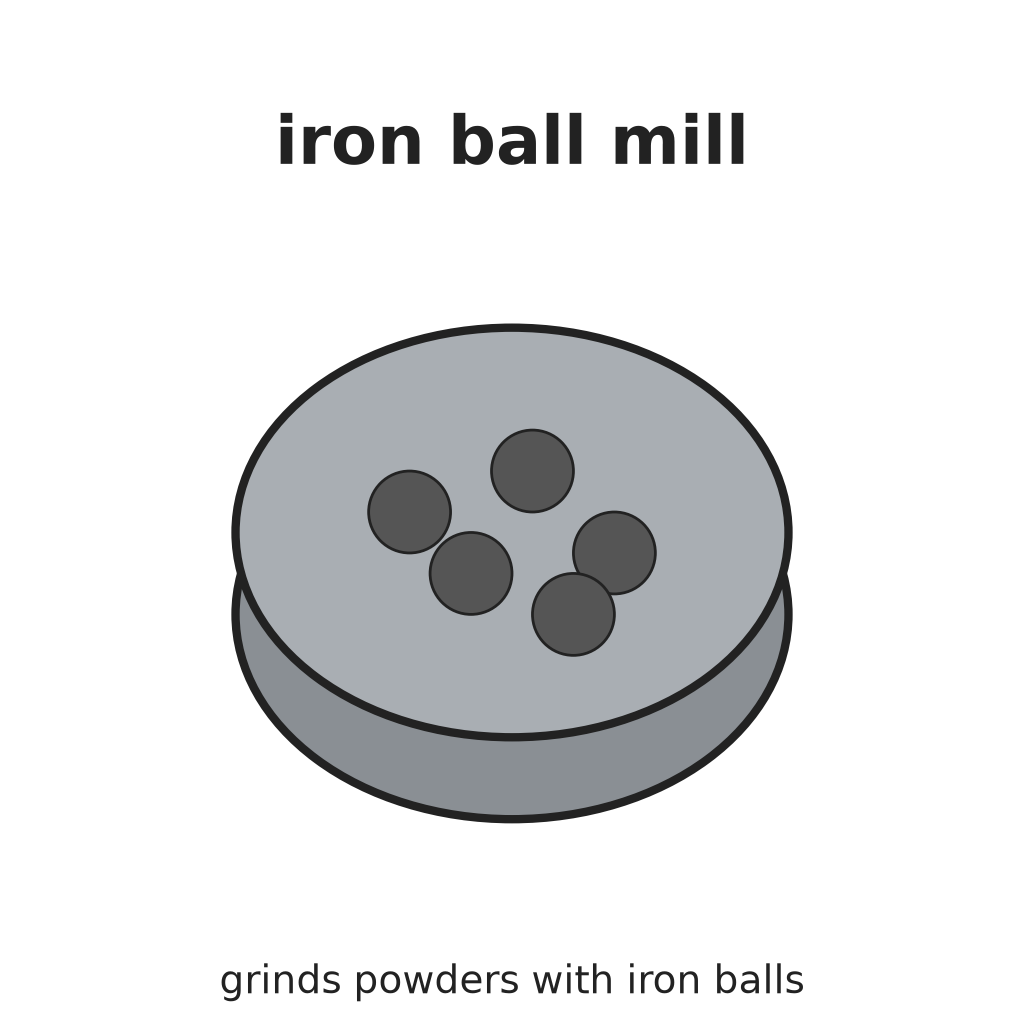
Select the oil-coke carefully for low ash, volatile matter and sulphur. Grind it and calcine it. Ours: the ball mill and the kiln for calcining.
このステップの材料:
 石油コークス1 carefully selected
必要な工具:
 鉄製ボールミル
 高温窯
2
2
Press with tar
Press with tar
Mix the ground coke with tar as a binder and press it into blocks under high pressure. Ours: a hydraulic press.
このステップの材料:
 コールタール1 binder
 不明な寸法1 個
必要な工具:
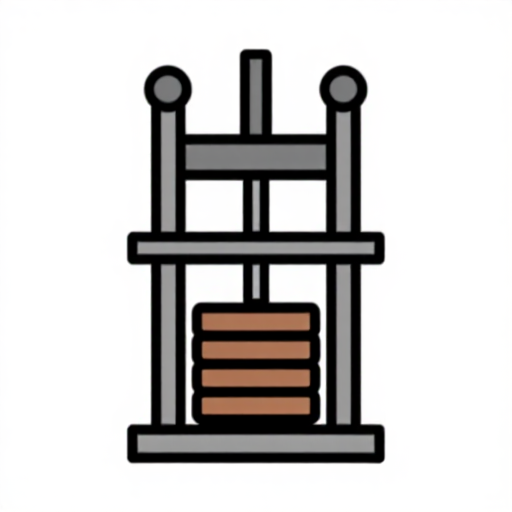 油圧プレス
3
3
Bake in carbon
Bake in carbon
Embed the blocks in carbon, which protects their surface from oxidation, and bake them at about 1200° in a kiln built on the lines of a pottery kiln. Ours: petroleum coke as the packing.
必要な工具:
高温窯石油コークスこの設計図で作るもの
CC0 パブリックドメイン
このブループリントはCC0で公開されています。許可を求めずに、自由にコピー、修正、配布、あらゆる目的で使用できます。
メイカーを応援するには、ブループリント経由で製品を購入してください。メイカーには メイカーコミッション がベンダーにより設定されています。または、このブループリントの新しいイテレーションを作成し、自分のブループリントにコネクションとして含めて収益を共有できます。