コラボレーション
アート
美容とウェルネス
工芸
文化と歴史
エンターテインメント
環境
食品と飲料
リバースエンジニアリング
科学
スポーツ
テクノロジー
ウェアラブル
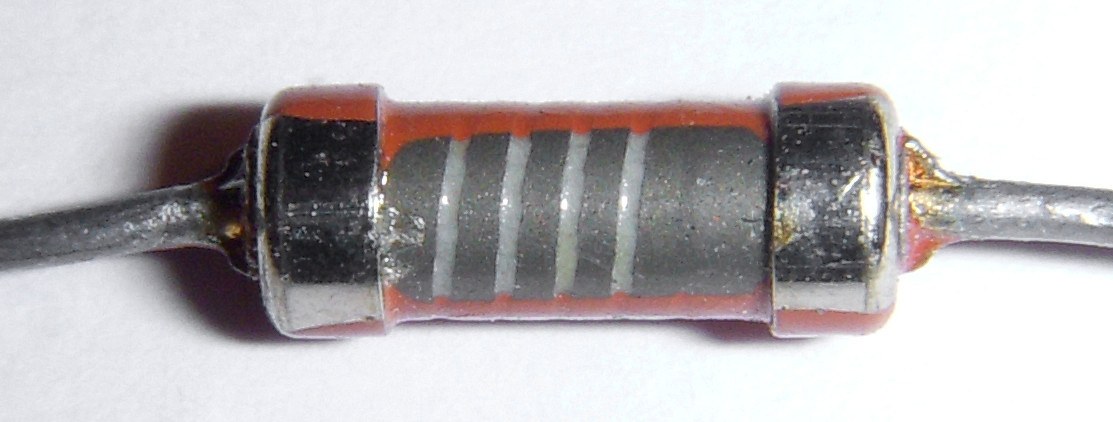


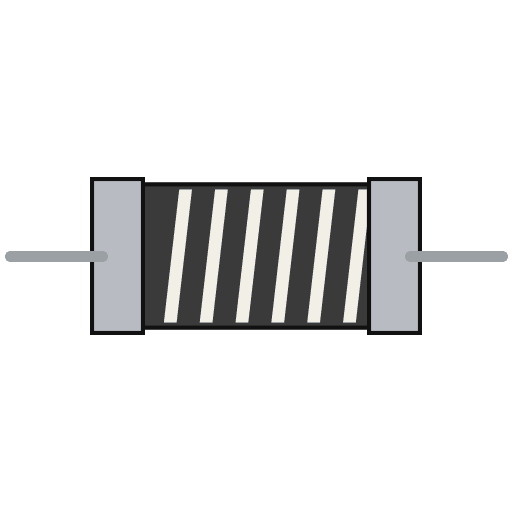
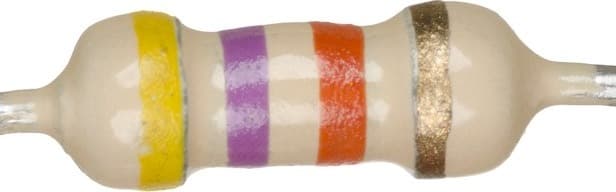
Carbon Film Resistors: Methane Cracked on Ceramic Rods, Helixed and Varnished (Bell Labs 1951)
Ceramic rods tumble in a hot, gas-tight rotating furnace while methane cracks on them and leaves a thin, hard film of carbon. The coated rods get conducting ends, a helix ground through the film to bring them near their value, a light rub to the exact value, and a coat of baking varnish.
Result: carbon film resistors adjusted to as close as ±0.5 %. The helix alone can raise a rod's resistance by any factor from about 10 to about 8000.
Source: Grisdale, Pfister and van Roosbroeck, Pyrolytic Film Resistors, Bell System Technical Journal 30 (1951). Unknown: the ceramic of the rods, the end caps and leads, and which baking varnish; the paper does not give them. Picture: Wikimedia Commons.
上級者
2 days
手順
1
1
Load the furnace
Load the furnace
Load cylindrical ceramic rods into the gas-tight refractory core of a rotating (or rocking) batch furnace, with silica sand to support the rods and keep them from damage as they tumble. Unknown: which ceramic.
このステップの材料:
 抵抗器用絶縁コア1 batch
必要な工具:
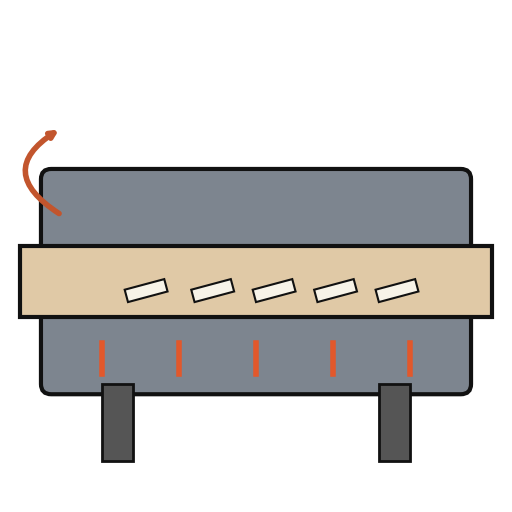 回転式バッチ炉
 石英砂
2
2
Heat under nitrogen
Heat under nitrogen
Turn the core and bring it to temperature, usually about 975 to 1300 °C, flushing it with nitrogen before any hydrocarbon goes in.
必要な工具:
回転式バッチ炉 窒素
3
3
Crack the methane
Crack the methane
When the temperature is steady, let in the coating gas and keep it flowing for the time needed. The film grows at a steady rate: at 1000 °C and 30 % methane the paper runs from 0.2 to 10 hours. Longer gives a thicker film of lower resistance; temperature sets the rate more than anything else, and more methane deposits faster.
このステップの材料:
 メタン1 flow
必要な工具:
回転式バッチ炉4
4
Cool under nitrogen
Cool under nitrogen
Shut off the methane and let the core cool while oxygen-free nitrogen keeps flowing. The films come out clean, even and firmly stuck.
必要な工具:
回転式バッチ炉窒素5
5
Terminate the ends
Terminate the ends
Paint the ends of each coated rod with a water suspension of colloidal graphite (Aquadag), then burnish and bake it; this suits all but low-value resistors. Fit the end caps with their leads. Unknown: the caps and leads, which the paper does not describe. Ours: an agate burnisher and an oven.
このステップの材料:
 コロイド黒鉛1 as required
 リード線付き抵抗器キャップ2 per resistor
必要な工具:
 めのうのへら
 オーブン
6
6
Grind the helix
Grind the helix
Grind a helical groove through the film with a water-cooled, metal-bonded diamond wheel, the blank floating against the wheel so the groove stays even. Pick the pitch to land slightly below the wanted value (330 Ω, 10 kΩ or any other). The groove must be smooth: cracks into the carbon ribbon bring noise and drift.
必要な工具:
 抵抗器らせん溝切り機
7
7
Rub to value and varnish
Rub to value and varnish
Turn the resistor while measuring it continuously, and rub its whole surface lightly with a cotton pad wet with an organic solvent until it reaches its value. Leave it just below tolerance, then give it one or more coats of baking varnish, which raises the resistance by generally less than 1 %. Unknown: which varnish and its baking. Ours: acetone as the solvent, a Wheatstone bridge to measure.
このステップの材料:
 焼付ワニス1 as required
必要な工具:
 ホイートストンブリッジ
 脱脂綿
 アセトンオーブン
材料
5- 1 batchプレースホルダー
- 1 flowプレースホルダー
- 1 as requiredプレースホルダー
- 2 per resistorプレースホルダー
- 1 as requiredプレースホルダー

関連ブループリント
これらのブループリントは知識を共有しています — 技術、材料、原理
CC0 パブリックドメイン
このブループリントはCC0で公開されています。許可を求めずに、自由にコピー、修正、配布、あらゆる目的で使用できます。
メイカーを応援するには、ブループリント経由で製品を購入してください。メイカーには メイカーコミッション がベンダーにより設定されています。または、このブループリントの新しいイテレーションを作成し、自分のブループリントにコネクションとして含めて収益を共有できます。