コラボレーション
アート
美容とウェルネス
工芸
文化と歴史
エンターテインメント
環境
食品と飲料
リバースエンジニアリング
科学
スポーツ
テクノロジー
ウェアラブル
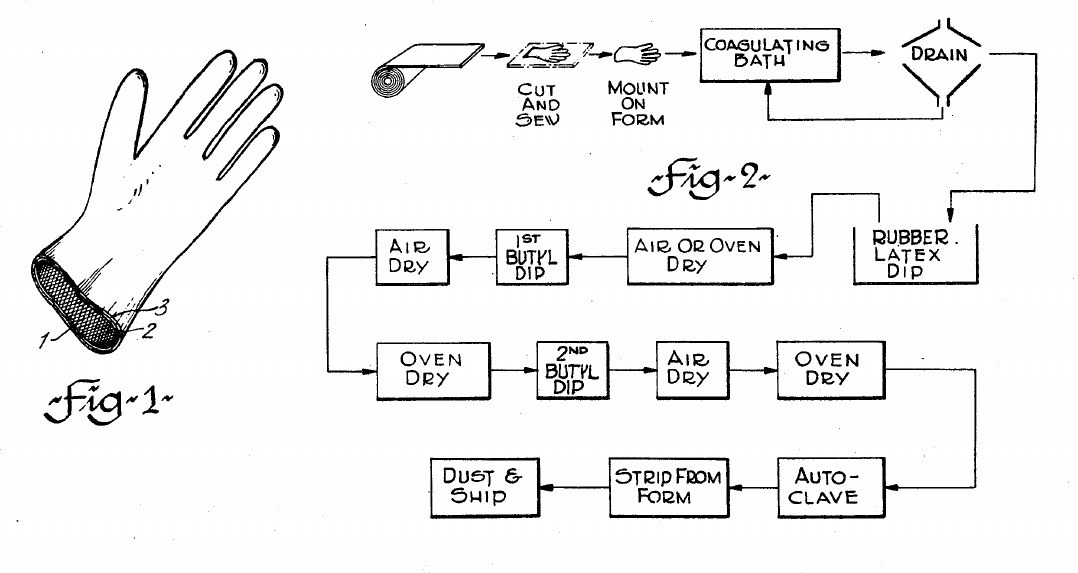


Chemical-Resistant Gloves: Butyl Latex over Natural Rubber on a Cotton Liner (Hart & Collyer, US 4,190,685, 1980)
Dipped rubber gloves built in layers on a knitted cotton liner: one coat of natural rubber, then five coats of butyl rubber, which lets very little liquid or vapour through. Each coat is dipped from latex on a porcelain hand form, and the whole glove is cured under steam and air pressure. Made in Canada to protect soldiers against chemical warfare agents; worn gloves showed no penetration in 24 hours of field use.
Result: flexible, soft chemical-resistant gloves with a comfortable cotton lining.
Source: J. A. Hart and J. C. Collyer, US 4,190,685 (1980), latex method. Unknown: sizes, the pigments. Picture: the patent drawing.
上級者
Unknown
手順
1
1
Sew the cotton liner
Sew the cotton liner
Cut knitted or interlock cotton fabric to a glove shape and sew it into a glove. It stretches both ways, soaks up sweat and makes the glove easy to put on and take off. Not given: sizes, the knit.
このステップの材料:
 綿ニット生地1 liner
必要な工具:
 はさみ
 ミシン
 不明な寸法
2
2
Dip in coagulant
Dip in coagulant
Pull the liner onto a porcelain hand form and flame it to smooth off the surface. Dip it in a 10 % solution of acetic acid in acetone, then turn the form for about 2½ minutes at 24 °C until it is dry. The coagulant sets the latex before it can soak through the cloth.
このステップの材料:
 酢酸(氷酢酸)1 10 % in acetone
 アセトン1 solvent
必要な工具:
 手袋型
 プロパントーチ
3
3
Dip the natural rubber coat
Dip the natural rubber coat
Dip the liner into natural rubber latex (the patent uses LOTOL 1185) and leave it 5 seconds. Draw it out, turn it upside down and let it dry. Scrub the rubber film with an abrasive cleaner, a brush and water, and dry it again.
このステップの材料:
 天然ゴムラテックス1 bath
 研磨剤入りクレンザー1 as needed
必要な工具:
手袋型 たわし
4
4
Mix the butyl latex bath
Mix the butyl latex bath
Mix, in parts by dry weight: butyl rubber latex 100, sulphur 3, zinc dibutyldithiocarbamate 4, zinc oxide 5, formaldehyde 0.1 as a preservative, a liquid dithiocarbamate curing accelerator 4 (Merac 255 in the patent), and 6.5 of pigments (olive drab in the patent). Not given: the pigments.
このステップの材料:
 ブチルゴムラテックス100 parts dry
 硫黄3 parts
 ジブチルジチオカルバミン酸亜鉛4 parts
 酸化亜鉛粉末5 parts
 ホルムアルデヒド溶液(37 % ホルマリン)0.1 parts formaldehyde
 液状ジチオカルバミン酸系促進剤4 parts
 不明な材料6.5 parts pigment
必要な工具:
 撹拌具
5
5
Dip five butyl coats
Dip five butyl coats
Dip the glove into the butyl latex and draw it out at 10 cm per minute. At once turn the form at about 8 rpm at 24 °C until the film has gelled, then dry it upside down in an oven at 66 °C for 1 hour. Wash, dip and dry again until there are five butyl coats; do not use the abrasive cleaner on the butyl film.
必要な工具:
手袋型 乾燥炉
6
6
Cure and finish
Cure and finish
Dry the glove at 66 °C for 1 hour. Cure it for 3 hours in a pressure vessel with 30 psi steam in the jacket (131 °C) and 26 psi air in the chamber. Strip the gloves from the forms while hot; when cool, trim them and wash them in soapy water.
このステップの材料:
 石けん1 as needed
必要な工具:
 卓上オートクレーブはさみ
材料
13- 1 linerプレースホルダー
- 1 10 % in acetoneプレースホルダー
- 1 solventプレースホルダー
- 1 bathプレースホルダー
- 1 as neededプレースホルダー
- 100 parts dryプレースホルダー
- 3 partsプレースホルダー
- 4 partsプレースホルダー
- 5 partsプレースホルダー
- 0.1 parts formaldehydeプレースホルダー
- 4 partsプレースホルダー
- 6.5 parts pigmentプレースホルダー
- 1 as neededプレースホルダー
接続ブループリントの材料

10%帰属
กรีดยางพารา — การเก็บน้ำยางธรรมชาติจากต้นยางพารา
SomchaiSang 作
農業
56
0
0
0
1
0

危険
10%帰属
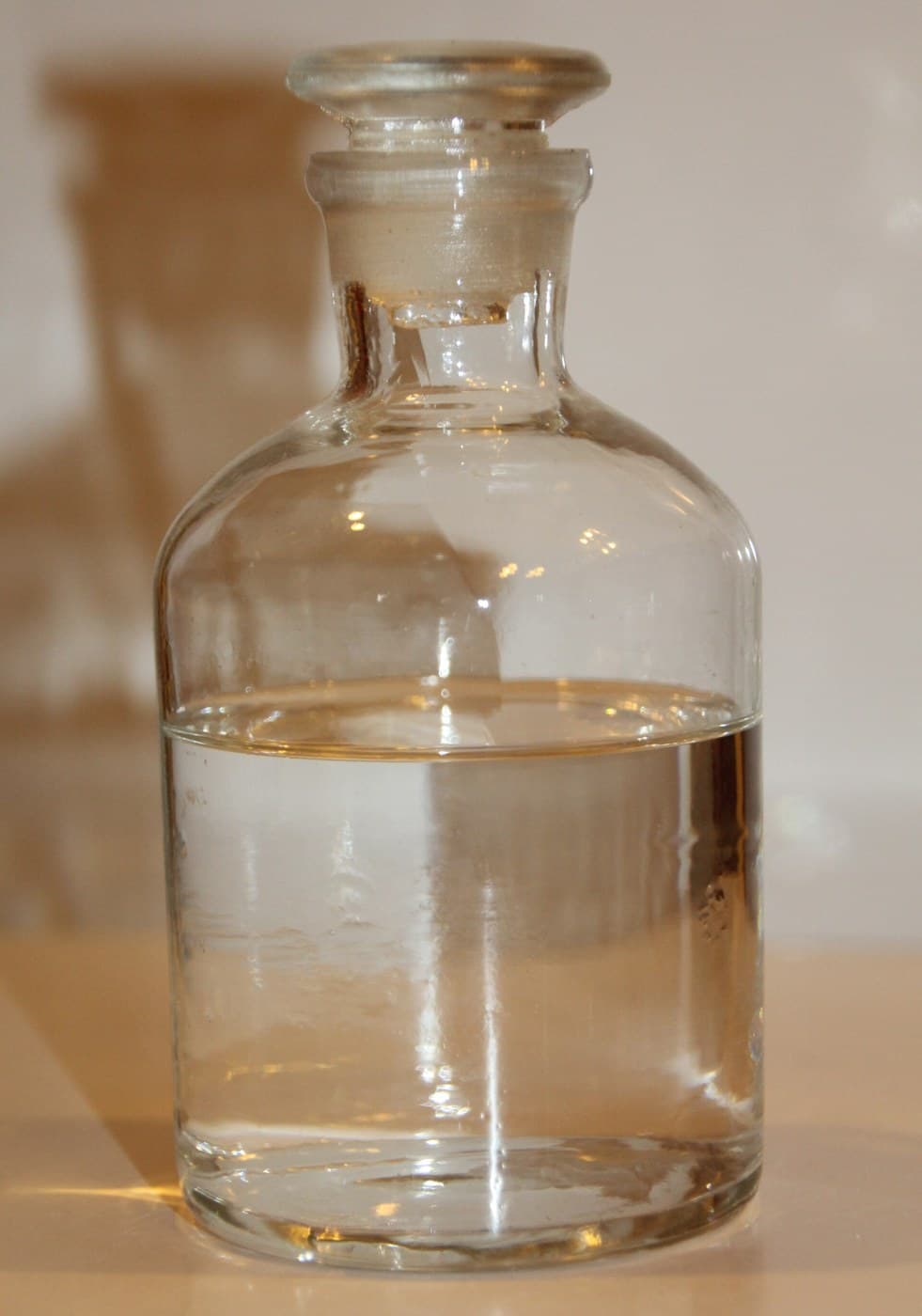
Glacial Acetic Acid from Wood Vinegar: Acetate of Soda, Oil of Vitriol and Freezing
Charlie 作
産業用
21
0
0
0
1
0
10%帰属
Acetone by Dry Distillation of Acetate of Lime
Charlie 作
化学
36
0
0
0
1
0
10%帰属
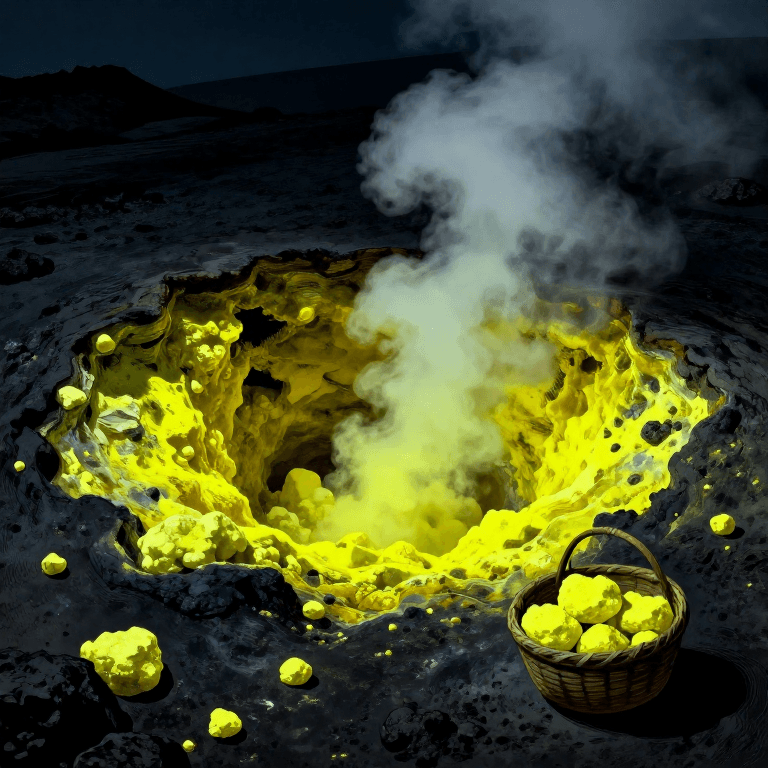
Collecting Native Sulfur from Volcanic Deposits
Peter 作
砂漠
99
0
0
0
6
0
10%帰属
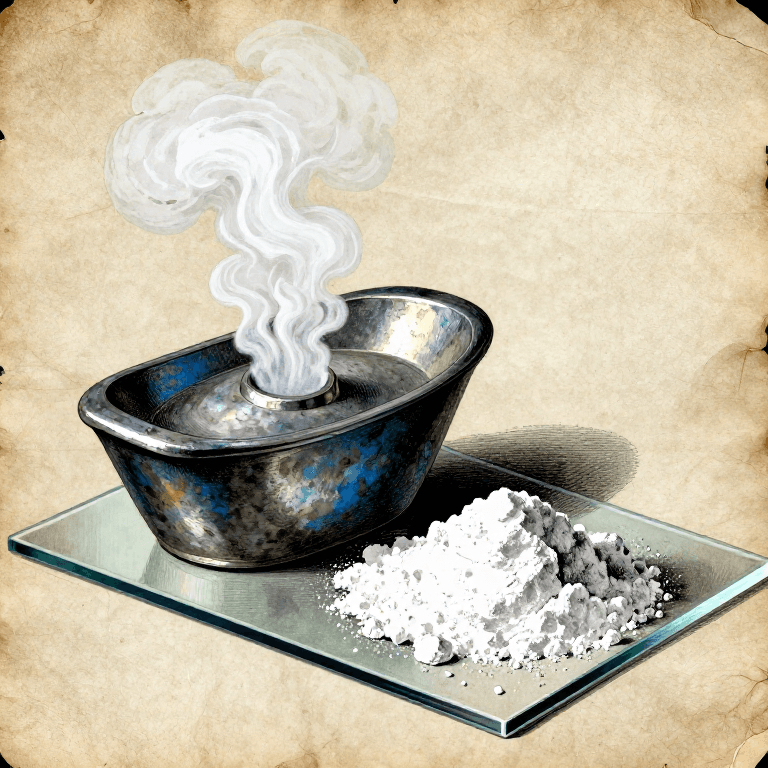
Making Zinc White Pigment — The Non-Toxic Replacement for Lead White
Charlie 作
アート
70
0
0
0
7
0
この設計図で作るもの

CC0 パブリックドメイン
このブループリントはCC0で公開されています。許可を求めずに、自由にコピー、修正、配布、あらゆる目的で使用できます。
メイカーを応援するには、ブループリント経由で製品を購入してください。メイカーには メイカーコミッション がベンダーにより設定されています。または、このブループリントの新しいイテレーションを作成し、自分のブループリントにコネクションとして含めて収益を共有できます。