アート
美容とウェルネス
工芸
文化と歴史
エンターテインメント
環境
食品と飲料
リバースエンジニアリング
科学
スポーツ
テクノロジー
ウェアラブル

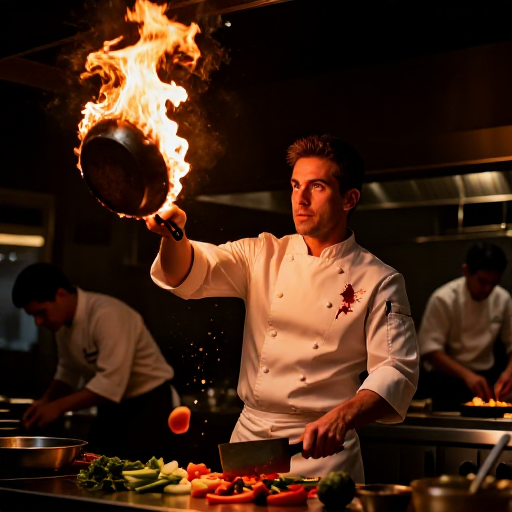

Cold Smoke and Hot Smoke: One Cooks, the Other Does Not
Two things are called smoking and they are almost opposite operations.
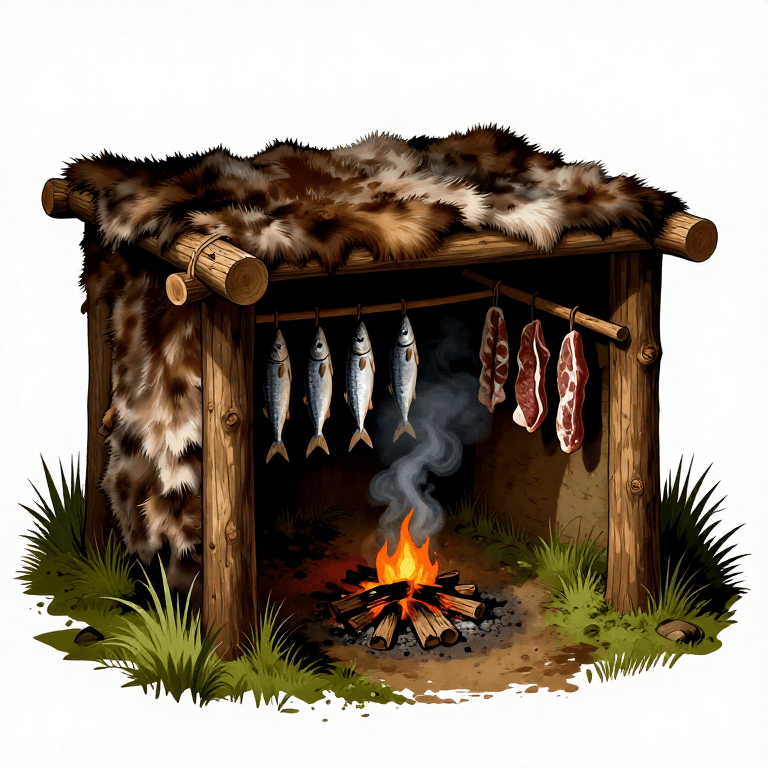
**Hot smoking** cooks the food while flavouring it. It runs at 60 to 90 C, the protein sets, and what comes out is cooked and ready to eat. Nothing else is required for safety beyond reaching a safe internal temperature.
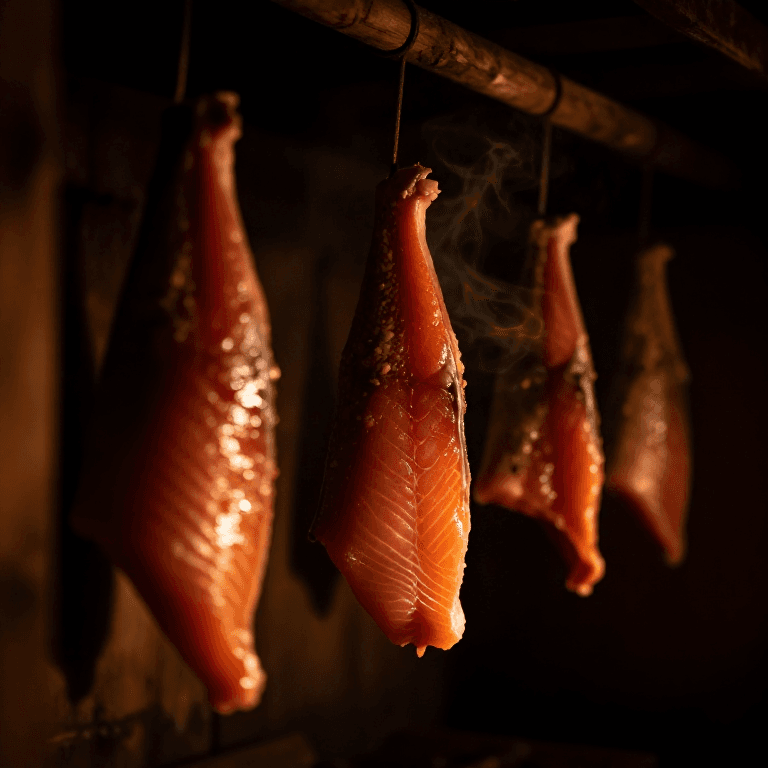
**Cold smoking** keeps the food below about 30 C so it never cooks. The smoke flavours and dries the surface, and the food comes out raw. Everything about its safety therefore depends on the cure that went before it — which is why cold-smoked salmon and bacon are cured first, always.
The commonest dangerous misunderstanding in the whole subject is that smoke preserves. It contributes, and it is nowhere near sufficient on its own.
中級者
4 hours
手順
1
1
What smoke actually contributes
What smoke actually contributes
Wood smoke is a suspension of hundreds of compounds produced as the wood pyrolyses, and three groups of them do the work.
**Phenols** give the smoky flavour and are mildly antimicrobial and antioxidant. They are the reason smoked fat keeps better than fresh.
**Carbonyls** — aldehydes and ketones — react with proteins on the surface to give the colour, that glossy mahogany that develops over hours.
**Acids** lower the surface pH a little, which helps the pellicle set and adds a small hurdle.
Their combined effect is real and it is a **surface** effect. Smoke penetrates a few millimetres at most. The inside of a smoked ham is preserved by salt, nitrite and drying, not by smoke.
**Smoke also deposits polycyclic aromatic hydrocarbons**, some of which are carcinogenic. They come mainly from fat dripping onto a heat source and from smouldering too hot. Keeping the smoke cool and thin, and keeping fat off the fire, reduces them substantially — which is also what produces better flavour.
このステップの材料:
 骨つき豚肩肉1 個
必要な工具:
 差しっぱなしのプローブ温度計
 肉の燻製用ウッドチップセット
2
2
Hot smoking: it is cooking, so cook it properly
Hot smoking: it is cooking, so cook it properly
Hot smoking runs the chamber at 60 to 90 C and finishes when the food reaches a safe internal temperature. The published minimums, measured at the thickest point:
* **poultry 74 C**
* **pork and beef, whole cuts, 63 C** with a three-minute rest
* **minced meat and sausage 71 C**
* **fish 63 C**
Use a probe thermometer left in the thickest part, not a time. A thick piece in a cool smoker can sit for hours in the range where bacteria multiply fastest, and the time it takes is not predictable from its weight.
**The 40 to 140 rule**, in Fahrenheit because that is how it is published: food should not spend more than **four hours** between 4 C and 60 C. That is the danger zone, and a slow hot-smoke is the classic way to exceed it without noticing.
For a long low-temperature smoke — a brisket, a pork shoulder — the answer is to cure it first, so the meat is protected while it slowly climbs through the danger zone, or to start it hot enough that it passes through quickly.
このステップの材料:
骨つき豚肩肉1 個必要な工具:
差しっぱなしのプローブ温度計 即読温度計
即読温度計 スモークチップ
3
3
Cold smoking: the cure is the safety, the smoke is the flavour
Cold smoking: the cure is the safety, the smoke is the flavour
Cold smoking holds the food below about 30 C, which means the smoke must be made somewhere else and led in cool, or made by a smouldering source too small to heat the chamber.
That temperature is deliberately inside the range bacteria like. So:
**Cure first, always.** Salmon, bacon and cold-smoked sausage are all cured to target before any smoke touches them. The cure carries the safety.
**Dry to a pellicle before smoking.** A day uncovered in a fridge gives the tacky surface smoke actually adheres to. A wet surface takes far less smoke and can go sour.
**Keep it cool and keep it moving.** Above 30 C fat begins to render and the texture is lost; a stalled, stagnant chamber goes acrid.
**It is still raw when it comes out.** Cold-smoked salmon is raw fish that has been salted and smoked. It keeps in a fridge for days, not months, and it is on the list of foods that pregnant people and the immunocompromised are advised to avoid, for exactly that reason.
Ambient temperature decides whether cold smoking is possible at all. It is a cold-weather operation everywhere it is traditional, and in a warm climate it needs a chilled chamber.
このステップの材料:
骨つき豚肩肉1 個 塩1 個
塩1 個必要な工具:
即読温度計 湿度計
湿度計 乾燥棚肉の燻製用ウッドチップセット
4
4
Wood, and the three things that ruin a smoke
Wood, and the three things that ruin a smoke
**Use hardwood.** Oak, beech, hickory, apple, cherry, alder, maple. Softwoods — pine, spruce, fir — are resinous and give a sooty, turpentine flavour. Never use treated, painted or plywood offcuts: the smoke carries whatever was in them.
Strength runs roughly: alder and fruit woods mild, oak and beech medium, hickory strong, mesquite very strong. Match it to the food; a delicate fish under hickory tastes only of hickory.
**Three faults, all avoidable:**
*Thick white smoke.* Billowing white smoke means a smouldering, oxygen-starved fire, and it deposits soot and bitter creosote. Good smoke is thin and blue and almost invisible. If the chamber smells acrid rather than sweet, there is too much smoke and too little air.
*Too long.* Smoke flavour accumulates and does not fade. A small fish takes an hour; a side of bacon takes several. Over-smoked food tastes like an ashtray and cannot be rescued.
*Fat on the fire.* Dripping fat flares, makes soot, and produces most of the polycyclic aromatics. Use a drip tray between the food and the heat.
Soaking wood chips is widely recommended and mostly pointless — wet chips simply spend the first minutes boiling off the water, producing steam rather than smoke. Control the smoke with airflow instead.
必要な工具:
即読温度計肉の燻製用ウッドチップセットスモークチップ関連ブループリント
これらのブループリントは知識を共有しています — 技術、材料、原理


CC0 パブリックドメイン
このブループリントはCC0で公開されています。許可を求めずに、自由にコピー、修正、配布、あらゆる目的で使用できます。
メイカーを応援するには、ブループリント経由で製品を購入してください。メイカーには メイカーコミッション がベンダーにより設定されています。または、このブループリントの新しいイテレーションを作成し、自分のブループリントにコネクションとして含めて収益を共有できます。