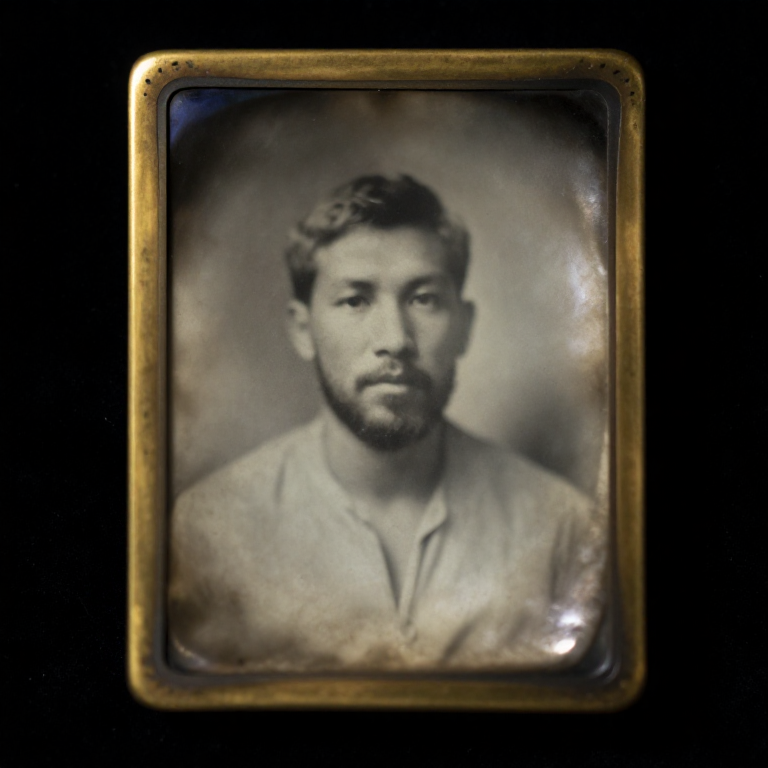


Making a Daguerreotype — The First Practical Photograph, Drawn in Silver and Mercury
In 1839 Louis Daguerre announced a way to fix the fleeting image of the camera obscura permanently onto a metal plate, and the world suddenly had photography. A daguerreotype is unlike a modern photo: it is a single, unrepeatable image formed in a film of silver on a mirror-polished plate, so sharp and detailed that nothing matched it for decades.
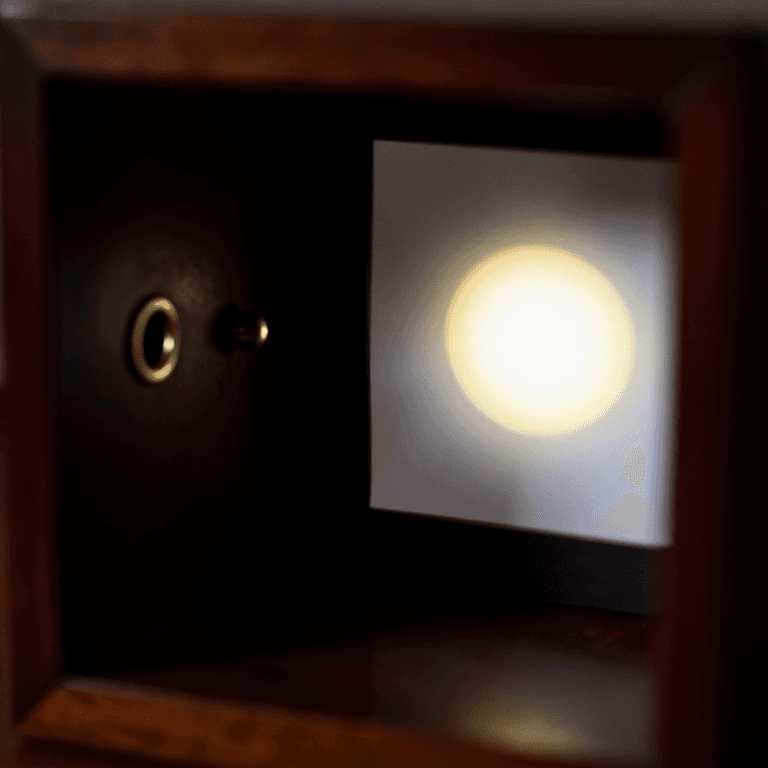
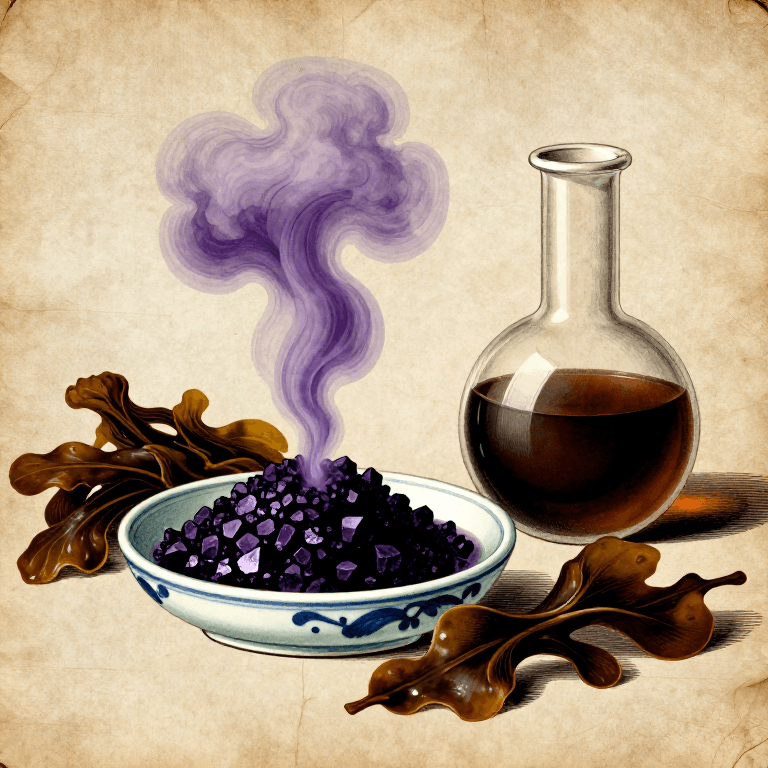
The method is pure chemistry and patience. A silver-faced plate is fumed with iodine to make a light-sensitive skin of silver iodide, exposed in a camera for minutes, then developed by holding it over a dish of warm mercury — whose vapour clings to exactly the spots that light has struck, building the picture. A bath of hyposulphite of soda dissolves away the unexposed silver so the image stops reacting to light.
The results were miraculous and the process was perilous: mercury vapour is a potent poison, and many early photographers paid for their art with their health. Each daguerreotype is also unique — there is no negative — which is why every surviving one is a singular object. It is the chemical bridge between the camera obscura and all photography that followed.
この設計図で作るもの

関連ブループリント
これらのブループリントは知識を共有しています — 技術、材料、原理


CC0 パブリックドメイン
このブループリントはCC0で公開されています。許可を求めずに、自由にコピー、修正、配布、あらゆる目的で使用できます。
メイカーを応援するには、ブループリント経由で製品を購入してください。メイカーには メイカーコミッション がベンダーにより設定されています。または、このブループリントの新しいイテレーションを作成し、自分のブループリントにコネクションとして含めて収益を共有できます。